Leaders on Leadership Featuring Damián J. Fernández, President of Eckerd College
Dr. Damián Fernández, President of Eckerd College, shares his thoughts on higher education as an engine for social mobility and the importance of understanding the culture and ethos of an institution in order to be authentic and inspirational as its leader.
Episode Transcript
Jay Lemons:
Hello, and thank you for listening. I’m Jay Lemons. Welcome to Leaders on Leadership, brought to you by Academic Search and the American Academic Leadership Institute. The purpose of our podcast is to share the stories of the people and forces that have shaped leaders in higher education, and to learn more about their thoughts on leadership in the academy.
Today, I’m delighted to be joined by Dr. Damián Fernández. Damian is the president of Eckerd College on the Gulf coast of Florida, a post he began earlier this summer. He previously served as chancellor of Penn State Abington, provost and executive vice president at SUNY Purchase, and head of the Fieldston school in New York City. Damien was born in Cuba, raised in Puerto Rico. He’s a first generation college graduate with a bachelor’s degree from Princeton, a master’s degree in Latin American studies from the University of Florida, and a doctorate in international relations from the University of Miami. Welcome Damián.
Damián Fernández
Thank you, Jay, for having me on your podcast.
Jay Lemons:
It is a joy, and I am especially grateful for your finding a few moments in the midst of your earliest months at Eckerd. And as we all share in the misery, agony and challenges of the COVID-19 pandemic. So hopefully, this will be a little break from those rigors.
Damián Fernández
I welcome the break.
Jay Lemons:
You and I had the pleasure of really become acquainted through the search that brought you to Eckerd. And during that process, I learned you have a special connection to Eckerd that goes back many years. As I recall, your college search involved making applications to two institutions, and I’d love for you to open up our time together by starting with a little bit about your college search.
Damián Fernández
It was an unpredicted process. As a first generation college student, my parents weren’t much assistance in the process, but I had a wonderful college counselor, Father Hendricks, who interrupted my chemistry class to call me so I could meet with Princeton recruiters. And never would I have expected that I would be admitted to Princeton, applying to Princeton, affording Princeton, and that encouraged me to apply after that meeting, and I also applied to Eckerd.
I did apply to a couple of other places, and I knew of Eckerd because I have family in this area. And I would drive by to the beach with them and I would see this beautiful campus. And the more I got to know about Eckerd and its international focus, its mentoring program, its life of the mind and its commitment to impacting the world, it sounded like me. So when I got accepted to Eckerd and to Princeton, I was toying with coming to Eckerd, and Father Hendricks called me in and said, “What are you thinking? You don’t say no to Princeton University.” So off I went to Princeton, and I like to think that I took a 45-year detour to come back to Eckerd College.
Jay Lemons:
The ultimate in deferred admissions.
Damián Fernández
Yes, absolutely. And delighted to be here.
Jay Lemons:
I wish you well, and I know that the Eckerd community has been excited about your arrival and wish you all the best.
Damián Fernández
Thank you.
Jay Lemons:
You mentioned Father Hendricks. It sounds like you went to a Catholic school, probably. I’d love for you to share with us whatever you’re willing about the other people and events and opportunities that really forged you into the person you are. And now, a higher education leader who’s answered the call to the presidency at Eckerd.
Damián Fernández
So I think I had three major influences in my life, my dad being one and my dad’s sense of social justice. My dad had a third grade education. He grew up in Cuba, was an orphan, worked very hard and really empowered us to go forth in the world and to achieve. And he believed in education, but he also believed in people and in being connected to others. So he influenced my sense of doing good in the world.
The second was before I got to the Jesuit school, I went to a Mennonite school. And from the Mennonites, I got this strong sense of community and that you need to think of others, not only about you. And their communitarian spirit influenced me.
Then, by chance really, I got into the best high school on the island, the Jesuit school, all boys. And there, the principal of the school Father Charlie Beirne, who later became president of Le Moyne College and he was dean at Georgetown, this remarkable man saw something in me that I had not seen in myself. Yes, I worked hard. I got good grades. I was extremely shy. I was really a wallflower, and Father Beirne picked me to lead a social service program in the slums of Puerto Rico. And that was transformative to me. That put me on the front line of leadership like I had never experienced.
So there, both the sense of social justice, the commitment to community and the sense that individuals can do good in the world all came together and clicked for me. And from there, onto Princeton, but I have to thank my dad and my mom, but also the Mennonites and Father Hendricks, Charlie Beirne, who became lifelong mentors to me.
Jay Lemons:
That’s [crosstalk 00:06:59]-
Damián Fernández
I would be remiss if I don’t mention my first grade teacher, Mrs. Garcia, who wrote on my report card, “Damian needs to learn how to play with the other kids in the playground.” And that always struck me as right as a lifelong lesson, and learning to play well with others has been key in my career.
Jay Lemons:
Wow. Well, that’s what one calls a lifelong lesson, huh? That’s [crosstalk 00:07:30]-
Damián Fernández
Absolutely.
Jay Lemons:
… terrific. That’s terrific. One of the things that I want people to think about is what makes a good leader? And here by good, I don’t mean grade B. I really mean effective, virtuous, results oriented, someone who realizes success. How do you define a good leader?
Damián Fernández
And that’s such an essential question for us at every level of our society and in our nation and the world today. And I think that having a purpose beyond yourself is foundational for good leadership, knowing yourself, but really be in the service of higher ideals. And I believe that education is the way that I can help make the world a better place. And it’s trite and it’s old fashioned, and I’ve been proved wrong time and time again, but I still hold on to that belief, that faith, that education can make us better human beings and contribute to better societies.
So that sense of articulation of goodness beyond the individual, that inspires others to follow. I’m also very cognizant that as a leader, you are only a leader in relationship to the followers, and you need to focus on the followers more than the leaders. And in every position I’ve had, I’ve tried to understand the culture of the place, the communitarian ethos of that place, and serve as a catalyst, more than a revolutionary, someone that speaks the authentic vernacular of that place so that changes and the progress being made is true to the spirit of that community.
Jay Lemons:
Thank you. I really appreciate those reflections. I don’t know whether you share in Rosabeth Moss Kanter’s observation that leadership is not a solo act, but is almost always a trio, a quartet or a small ensemble. And it raises up for me, when I think about, I want you to reflect a little bit on when you’re creating that team, what are you looking for in the leaders who share in those responsibilities with you?
Damián Fernández
So I think that is right. It is not a one person show. And if you approach it that way, I think, at least in the academy and in most institutions, you will not succeed in establishing long longterm impact beyond a very small space. So I always look for what I call believers, people who share this commitment to taking the institution to a higher place, and that they’re motivated beyond the self to do some good. There is almost a pastoral piece here, a missionary zeal that I want others to share with me. I also want people who are smarter than me, as hardworking. I don’t expect them to work harder than me, but who are committed to the work and to the process and to the joy of coming together and shaping an institution for good.
So I am the type that I want the brightest, the most driven, but kind and honest people. That, to me, is non-negotiable. Hard work, kindness and honesty. Those three virtues can come together and, at least in my experience, they lead to better outcomes.
Jay Lemons:
Thank you. I really appreciate that perspective. And I hear in everything that you have said, I know you value humility as well. And I hear it in what you’re saying and how you conduct yourself as well.
Damián Fernández
And Jay, the older I get, the more convinced I am that leaders also need to know how to disappear and how to share the responsibility, the accountability, the power if one wants to bring out the best in others. And to me, that is the ultimate act of leadership. And the wise leader tries to elevate everyone and bring the best in other people. And that requires some self erasure at some level, and let others assume prominence and lift others along the way.
Jay Lemons:
I once worked with a president who said the key to presidential success is to be two things, to be gone often and long. And in part, I think … It took me a long time to figure that out, but I think the point that he was making was really what you were saying. If the leader is always in the middle of it, ever present, it doesn’t necessarily provide the space for others to rise and to fill the leadership gap. I really appreciate your saying that.
Damián Fernández
And that’s also a way of inspiring others. I think it’s important to lay out the outline of a vision, but ensure that you get buy-in in the process and then distribute the responsibility of working towards that vision together.
Jay Lemons:
Very good. The American Academic Leadership Institute, our partner institution, is committed to trying to help people who are interested in leadership, who have been raised up as having potential. And I would welcome knowing that that is a significant cadre of our audience. You’re sharing your advice for those who might aspire to leadership in the academy.
Damián Fernández
I think leaders are not born. They’re made. I am an unexpected leader. I was shy, quiet, a wallflower, and I think it shows that talent can come in many different forms. And by providing the opportunity is where you can seed future leadership. But my advice is, first of all, show up and do the work. The other things will follow because your colleagues will notice that. Show up, do the work, do it in the spirit of service. And if it weren’t for my colleagues who pushed me, who opened doors for me, I wouldn’t be here. But something I did, I always showed up and I did the work, and the other thing fell through.
I am not someone who has curated their career and had this outline of a trajectory, ascendant trajectory drafted, or pre-planned. I’ve enjoyed the process, and it really has been working in teams and others helping me move forward.
Jay Lemons:
Thank you very much. For me, there’s an emergent, a consistent theme here around an understanding of the larger world, a commitment to serving others, to integrity, to goodness, and to showing up and working hard and then let the pieces fall where they may. So thank you. I oft will share with search committees that beware of those with the higher ed version of Potomac fever. Their lives won’t be complete unless they are a dean or a vice president or a president. What you just described is something very different, and I appreciate it. Thank you.
When you think about the challenges in higher education today, what are the most critical ones?
Damián Fernández
To me, the most critical one is how does higher education help build the nation that we should be? America’s still an unfinished project, and it’s our duty to continue working on that project through access, through a new pipeline of students, ensuring their success. And in the process, developing a skillset that allows us as Americans, as citizens, to get along and to contribute to the nation that we aspire to be. That is essential work, that is unfinished work, and we must be cognizant of that.
So in many ways, that is going back to the core of higher ed as an engine of social mobility, but with that intentionality around civic engagement, nation building that must be articulated and delivered in clear terms. And I think that this is a challenge that we all need to accept and commit our institutions to moving the dial in some of these key areas of who do we educate, how we educate, and for what reasons do we educate?
Jay Lemons:
Is it your view that we’ve lost sight a little bit of those larger purposes?
Damián Fernández
I think so. And it’s not that we act in a vacuum. We’re part of an economy. We are part of a global context that has become highly instrumental, very functional. And therefore, one of the predominant views of higher education is to create a workforce and to teach X, Y or Z subjects. So in fact, we teach students and we educate human beings, and we need to be preparing individuals to shape the world in better ways. I know that that is a romantic notion, but it’s something that we need to recommit ourselves, to that difficult work. It is harder work. It’s elusive, and it’s hard to measure, and it’s even hard to teach.
One of the things that I’ve always been interested in, and I think I got this from the Jesuit, is how do you teach love? How do you teach empathy? And yes, at the same time that we build skills and get students ready for careers, we now know that emotional intelligence and soft skills are as important for success. And that working in diverse groups are necessary and in teams to address very complex problems.
But to present science as the only way of saving the human race is not enough. I think we need to marry science with ethics and humanities to be able to craft better solutions for the challenges of our time. So I think that that’s where we need to go as higher ed, and I know one size doesn’t fit all, but at Eckerd, that’s where we’re headed.
Jay Lemons:
Thank you. Well, we certainly live in a world filled with extraordinary human tragedies. And I just think about the beginning of this summer and the tragic loss of George Floyd and so many other horrific circumstances and the evidence of incredible polarization. And so I hear you making a call for a renewal of the social compact that’s really necessary for the American experiment in democracy to flourish and to work.
Damián Fernández
I think that’s right, Jay, and I hope that our national professional organizations come together to reenergize that compact, to operationalize what it means, and to guide us because the American values serve us well. It’s a matter of ensuring that they’re applied and understood in ways that are inclusive for many.
I think that one of the things we have failed to do, pre-K through 12 and even in higher ed, is to teach American or US history in ways that are complex, nuanced and inclusive of the lived experience of this nation as a multilingual, multiracial society really from get go. So this is wonderful, challenging work, and to marry, again, the science and technology with a sense of common good and common purpose and ethics for a better world.
Jay Lemons:
Thank you very much, and thank you for carrying on this important work at one of our great institutions at Eckerd. It’s really appreciated. I want to move now to a little bit more of a lightning rod. I’m going to ask you a series of questions and you provide whatever answers you want. And you have already answered the first one in some really wonderful ways, but are there other people in your life who have had a profound influence on you besides those you’ve already identified?
Damián Fernández
I have to say my grandmother. My grandmother on my father’s side thought that I could do anything. You always need someone like that on your side. And I have found such strength in the women of my family. My great grandmother buried both her mother and her father in the war of 1898 in Cuba at the age of 15. And she was a maid and then became a renowned midwife. And anytime that I think I have a challenge, I think about Abuela Calista, my grandmother, and I realize that there is such strength there and resilience. So I find strength in that narrative about survival and success that I find in my family.
I always also have to say that my professors in graduate school, other colleagues, again, have always supported and believed in me more than I believed in myself.
Jay Lemons:
Very good. What’s your fondest memory of your undergraduate experience at Princeton?
Damián Fernández
My fondest memory was a French professor, Professor Maman of the romance language department. And I had been accepted to a summer program in Avignon, and I did not have the money to go. And I went to see him. And a couple of days later, he called me back and he had a Princeton alum there with him. And this man wrote a check for $450 so I could take the flight from Newark to Paris so I could go in this summer program to France. And he said only one condition, that someday you will do the same thing for someone else. And that stayed with me as a lesson in generosity, philanthropy, and really small gestures that have a larger impact. I treasure that.
Jay Lemons:
Wonderful. We have all benefited by the acts of kindness and generosity of those close to us. And oftentimes, people unknown, just as you shared and paying it forward.
Damián Fernández
Correct.
Jay Lemons:
An [inaudible 00:27:02] lesson. What are your favorite school colors?
Damián Fernández
Teal, because-
Jay Lemons:
Well said.
Damián Fernández
… that is the Eckerd College color, and I’ve always loved green and blue, and green and blue make teal. So I ended in the right place.
Jay Lemons:
Indeed. Very good. What’s a favorite tradition at a place that you have served and observed?
Damián Fernández
I have to say that it’s a recent tradition for me I’ve only participated in once, and it’s called the ceremony of lights at Eckerd. We pass a torch that symbolizes knowledge and wisdom, and all the students light a candle. This year because of COVID, instead of doing it in the auditorium, we took it outside, and this is a stunning campus. We did it around Fox Pond as the sun set, and we passed these candles as a moment, a glorious moment of community and hope. And it’s such a small gesture to light that candle, but it’s such a big moment of hope, and it was beautiful.
Jay Lemons:
Thank you for sharing. I can almost see it, sense it and feel it, and ritual and tradition are part and parcel of the academy and are part of what make these distinctive environments. So that’s a great one. Perhaps one of those oddities of … You are blessed with beautiful weather, and having to do it outdoors probably brought even an additional sense of connectivity to a campus that is deeply committed to thinking about the fragility of our earth.
Damián Fernández
So I am trying to convince the organizers of the ceremony of lights, that from now on, we should do it outside around Fox Pond. And they’re a little trepidatious because sometimes, we get rain, but I think it’s the right thing for us. We embrace the outdoors. We are stewards of this beautiful place, and we are committed to environmental sustainability. So we find in nature a sense of sustenance and inspiration. So we will keep it that way.
Jay Lemons:
Well, very interesting, the ways in which sometimes challenges stretch, enhance, change traditions, and you can always have a rain plan.
Damián Fernández
Correct.
Jay Lemons:
So Damian, if you hadn’t worked in higher education, what else might you have done? What other worlds might you have set about in?
Damián Fernández
So I had so many other possibilities from being an architect or a veterinarian, but I also wanted to be a writer. And at Princeton, I had the good fortune of taking several courses with Joyce Carol Oates.
Jay Lemons:
Wow.
Damián Fernández
And that is one of the unfulfilled dreams of writing a novel. So perhaps, in another life, being a writer.
Jay Lemons:
Love it. Well, as we move towards a close, one of our traditions here on Leaders on Leadership is we like to ask our guests to share with our listeners something about the special qualities, if you will, the organizational DNA that made Eckerd a place that you were called to and have responded to with great embrace.
Damián Fernández
At the heart of Eckerd’s founding was this notion that education is personal. That’s something that resonates with me, that education needs to be individualized, but for collective goodness. And that spirit has animated this place since its founding 60 years ago. So we’re a young college, but in the 1960s to be talking about a hand-built education, education as an individualized process, was novel. And we hold that dear. We mentor our students. We care for a student at a time, and I think that that is worth preserving and celebrating and advancing.
Jay Lemons:
Thank you very much. We appreciate Damian Fernandez being with us on Leaders on Leadership. We’re really appreciative of your sharing some about your background, the forces that have shaped you, and offering some thoughts and wisdom about leadership with us.
Damián Fernández
Thank you so much, Jay.
Jay Lemons:
Listeners, we welcome your suggestions and thoughts for leaders we should feature in upcoming segments. You can send those to leadershippodcast@academicsearch.org. You can find our podcasts on Apple Podcasts, Google Podcasts, and wherever else you find your podcasts. It’s also available on the Academic Search website.
Leaders on Leadership is brought to you by Academic Search and the American Academic Leadership Institute. Together, our mission is to support colleges and universities during times of transition, and through leadership development activities that serve current and future generations of leaders in the academy. Again, it’s been a special pleasure to have Damián Fernández on our show today. Thank you, Damien for joining us. Have a great day.
Listen to More Episodes
Enjoy our content? Join our mailing list.
Share this podcast
Discover More Leading Insights
 https://www.academicsearch.org/wp-content/uploads/2026/09/Leadership-Pipeline-1200x500_02-scaled.jpg
1066
2560
Ashley Hunter
https://www.academicsearch.org/wp-content/uploads/2026/03/50th-Anniversary-Academic-Search-Horizontal-RGB-1030x314.jpg
Ashley Hunter2026-09-15 20:15:112026-09-24 15:15:15Higher Education’s Leadership Pipeline is Stronger Than the Headlines Suggest
https://www.academicsearch.org/wp-content/uploads/2026/09/Leadership-Pipeline-1200x500_02-scaled.jpg
1066
2560
Ashley Hunter
https://www.academicsearch.org/wp-content/uploads/2026/03/50th-Anniversary-Academic-Search-Horizontal-RGB-1030x314.jpg
Ashley Hunter2026-09-15 20:15:112026-09-24 15:15:15Higher Education’s Leadership Pipeline is Stronger Than the Headlines Suggest https://www.academicsearch.org/wp-content/uploads/2025/05/A-Guide-to-Leadership-Renewal-Graphics-1200x500-3-scaled.jpg
1066
2560
Ashley Hunter
https://www.academicsearch.org/wp-content/uploads/2026/03/50th-Anniversary-Academic-Search-Horizontal-RGB-1030x314.jpg
Ashley Hunter2025-05-27 12:23:542026-09-24 15:22:09Leadership Renewal Starts with Intention
https://www.academicsearch.org/wp-content/uploads/2025/05/A-Guide-to-Leadership-Renewal-Graphics-1200x500-3-scaled.jpg
1066
2560
Ashley Hunter
https://www.academicsearch.org/wp-content/uploads/2026/03/50th-Anniversary-Academic-Search-Horizontal-RGB-1030x314.jpg
Ashley Hunter2025-05-27 12:23:542026-09-24 15:22:09Leadership Renewal Starts with Intention https://www.academicsearch.org/wp-content/uploads/2025/03/A-Guide-to-Cabinet-Retreats-Web-Header-1200x500-1-scaled.jpg
1066
2560
Ashley Hunter
https://www.academicsearch.org/wp-content/uploads/2026/03/50th-Anniversary-Academic-Search-Horizontal-RGB-1030x314.jpg
Ashley Hunter2025-03-14 13:23:212026-09-24 15:24:18A Guide to Effective & Strategic Cabinet Retreats
https://www.academicsearch.org/wp-content/uploads/2025/03/A-Guide-to-Cabinet-Retreats-Web-Header-1200x500-1-scaled.jpg
1066
2560
Ashley Hunter
https://www.academicsearch.org/wp-content/uploads/2026/03/50th-Anniversary-Academic-Search-Horizontal-RGB-1030x314.jpg
Ashley Hunter2025-03-14 13:23:212026-09-24 15:24:18A Guide to Effective & Strategic Cabinet Retreats https://www.academicsearch.org/wp-content/uploads/2024/08/Competencies-for-the-College-Presidency-Graphic-1200x500-1-scaled.jpg
1066
2560
Ashley Hunter
https://www.academicsearch.org/wp-content/uploads/2026/03/50th-Anniversary-Academic-Search-Horizontal-RGB-1030x314.jpg
Ashley Hunter2024-09-15 08:00:052026-09-24 16:36:22Competencies for the College Presidency
https://www.academicsearch.org/wp-content/uploads/2024/08/Competencies-for-the-College-Presidency-Graphic-1200x500-1-scaled.jpg
1066
2560
Ashley Hunter
https://www.academicsearch.org/wp-content/uploads/2026/03/50th-Anniversary-Academic-Search-Horizontal-RGB-1030x314.jpg
Ashley Hunter2024-09-15 08:00:052026-09-24 16:36:22Competencies for the College Presidency https://www.academicsearch.org/wp-content/uploads/2024/08/Rodney-Clark-Deloitte-Study-Response-1200x500-1-scaled.jpg
1066
2560
Ashley Hunter
https://www.academicsearch.org/wp-content/uploads/2026/03/50th-Anniversary-Academic-Search-Horizontal-RGB-1030x314.jpg
Ashley Hunter2024-08-22 08:53:442026-09-24 15:29:48Building Resilient Leadership: Lessons from Deloitte’s Higher Education Trends
https://www.academicsearch.org/wp-content/uploads/2024/08/Rodney-Clark-Deloitte-Study-Response-1200x500-1-scaled.jpg
1066
2560
Ashley Hunter
https://www.academicsearch.org/wp-content/uploads/2026/03/50th-Anniversary-Academic-Search-Horizontal-RGB-1030x314.jpg
Ashley Hunter2024-08-22 08:53:442026-09-24 15:29:48Building Resilient Leadership: Lessons from Deloitte’s Higher Education Trends https://www.academicsearch.org/wp-content/uploads/2024/06/SC-Announcement-June-2024-1200x500-1-scaled.jpg
1066
2560
Ashley Hunter
https://www.academicsearch.org/wp-content/uploads/2026/03/50th-Anniversary-Academic-Search-Horizontal-RGB-1030x314.jpg
Ashley Hunter2024-06-11 15:43:142026-09-24 15:31:06Academic Search Welcomes Mike Maxey and Timothy Mottet as Senior Consultants
https://www.academicsearch.org/wp-content/uploads/2024/06/SC-Announcement-June-2024-1200x500-1-scaled.jpg
1066
2560
Ashley Hunter
https://www.academicsearch.org/wp-content/uploads/2026/03/50th-Anniversary-Academic-Search-Horizontal-RGB-1030x314.jpg
Ashley Hunter2024-06-11 15:43:142026-09-24 15:31:06Academic Search Welcomes Mike Maxey and Timothy Mottet as Senior Consultants https://www.academicsearch.org/wp-content/uploads/2024/05/Meg-Richtman-Announcement-1200x500-1-scaled.jpg
1066
2560
Ashley Hunter
https://www.academicsearch.org/wp-content/uploads/2026/03/50th-Anniversary-Academic-Search-Horizontal-RGB-1030x314.jpg
Ashley Hunter2024-05-25 13:37:262026-09-24 15:31:22Strengthening Our Executive Coaching Practice with New Director
https://www.academicsearch.org/wp-content/uploads/2024/05/Meg-Richtman-Announcement-1200x500-1-scaled.jpg
1066
2560
Ashley Hunter
https://www.academicsearch.org/wp-content/uploads/2026/03/50th-Anniversary-Academic-Search-Horizontal-RGB-1030x314.jpg
Ashley Hunter2024-05-25 13:37:262026-09-24 15:31:22Strengthening Our Executive Coaching Practice with New Director https://www.academicsearch.org/wp-content/uploads/2024/04/Leaving-the-Presidency-with-Grace-1200x500-1-scaled.jpg
1066
2560
Ashley Hunter
https://www.academicsearch.org/wp-content/uploads/2026/03/50th-Anniversary-Academic-Search-Horizontal-RGB-1030x314.jpg
Ashley Hunter2024-04-01 12:33:482026-09-24 15:31:45Leaving the Presidency with Grace
https://www.academicsearch.org/wp-content/uploads/2024/04/Leaving-the-Presidency-with-Grace-1200x500-1-scaled.jpg
1066
2560
Ashley Hunter
https://www.academicsearch.org/wp-content/uploads/2026/03/50th-Anniversary-Academic-Search-Horizontal-RGB-1030x314.jpg
Ashley Hunter2024-04-01 12:33:482026-09-24 15:31:45Leaving the Presidency with Grace https://www.academicsearch.org/wp-content/uploads/2024/03/HERS-Executive-Coaching-Circles-2024-1200x500-1-scaled.jpg
1066
2560
Ashley Hunter
https://www.academicsearch.org/wp-content/uploads/2026/03/50th-Anniversary-Academic-Search-Horizontal-RGB-1030x314.jpg
Ashley Hunter2024-03-13 16:59:162026-09-24 15:32:46HERS Executive Coaching Circles: Empowering Women Leaders in Higher Education
https://www.academicsearch.org/wp-content/uploads/2024/03/HERS-Executive-Coaching-Circles-2024-1200x500-1-scaled.jpg
1066
2560
Ashley Hunter
https://www.academicsearch.org/wp-content/uploads/2026/03/50th-Anniversary-Academic-Search-Horizontal-RGB-1030x314.jpg
Ashley Hunter2024-03-13 16:59:162026-09-24 15:32:46HERS Executive Coaching Circles: Empowering Women Leaders in Higher Education https://www.academicsearch.org/wp-content/uploads/2024/02/CV-Tips-Flanagan-1200x500-1-scaled.jpg
1066
2560
Ashley Hunter
https://www.academicsearch.org/wp-content/uploads/2026/03/50th-Anniversary-Academic-Search-Horizontal-RGB-1030x314.jpg
Ashley Hunter2024-02-22 10:01:112026-09-24 15:34:15Crafting Effective Application Materials for Academic Leadership Roles
https://www.academicsearch.org/wp-content/uploads/2024/02/CV-Tips-Flanagan-1200x500-1-scaled.jpg
1066
2560
Ashley Hunter
https://www.academicsearch.org/wp-content/uploads/2026/03/50th-Anniversary-Academic-Search-Horizontal-RGB-1030x314.jpg
Ashley Hunter2024-02-22 10:01:112026-09-24 15:34:15Crafting Effective Application Materials for Academic Leadership Roles https://www.academicsearch.org/wp-content/uploads/2023/09/Hispanic-Heritage-Month-1200x500-1-scaled.jpg
1066
2560
Ashley Hunter
https://www.academicsearch.org/wp-content/uploads/2026/03/50th-Anniversary-Academic-Search-Horizontal-RGB-1030x314.jpg
Ashley Hunter2023-09-18 08:31:432026-09-24 15:35:46Celebrating Hispanic Heritage Month 2023
https://www.academicsearch.org/wp-content/uploads/2023/09/Hispanic-Heritage-Month-1200x500-1-scaled.jpg
1066
2560
Ashley Hunter
https://www.academicsearch.org/wp-content/uploads/2026/03/50th-Anniversary-Academic-Search-Horizontal-RGB-1030x314.jpg
Ashley Hunter2023-09-18 08:31:432026-09-24 15:35:46Celebrating Hispanic Heritage Month 2023 https://www.academicsearch.org/wp-content/uploads/2023/09/Mary-Kennard-Announcement-1200x500-1.jpg
1042
2500
Ashley Hunter
https://www.academicsearch.org/wp-content/uploads/2026/03/50th-Anniversary-Academic-Search-Horizontal-RGB-1030x314.jpg
Ashley Hunter2023-09-14 14:30:472026-09-24 15:36:00Introducing Our Newest Senior Consultant: Dr. Mary E. Kennard
https://www.academicsearch.org/wp-content/uploads/2023/09/Mary-Kennard-Announcement-1200x500-1.jpg
1042
2500
Ashley Hunter
https://www.academicsearch.org/wp-content/uploads/2026/03/50th-Anniversary-Academic-Search-Horizontal-RGB-1030x314.jpg
Ashley Hunter2023-09-14 14:30:472026-09-24 15:36:00Introducing Our Newest Senior Consultant: Dr. Mary E. Kennard https://www.academicsearch.org/wp-content/uploads/2023/08/10-Commandments-for-Boards-Welcoming-New-Leaders-1200x500-2.jpg
1042
2500
Ashley Hunter
https://www.academicsearch.org/wp-content/uploads/2026/03/50th-Anniversary-Academic-Search-Horizontal-RGB-1030x314.jpg
Ashley Hunter2023-08-23 11:51:112026-09-24 15:36:4210 Commandments for Boards and New Presidents
https://www.academicsearch.org/wp-content/uploads/2023/08/10-Commandments-for-Boards-Welcoming-New-Leaders-1200x500-2.jpg
1042
2500
Ashley Hunter
https://www.academicsearch.org/wp-content/uploads/2026/03/50th-Anniversary-Academic-Search-Horizontal-RGB-1030x314.jpg
Ashley Hunter2023-08-23 11:51:112026-09-24 15:36:4210 Commandments for Boards and New Presidents https://www.academicsearch.org/wp-content/uploads/2023/07/Bensimon-Associates-Response-1200x500-1.jpg
1042
2500
Ashley Hunter
https://www.academicsearch.org/wp-content/uploads/2026/03/50th-Anniversary-Academic-Search-Horizontal-RGB-1030x314.jpg
Ashley Hunter2023-07-25 14:46:152026-09-24 15:37:23Ensuring Equity in the Search Process
https://www.academicsearch.org/wp-content/uploads/2023/07/Bensimon-Associates-Response-1200x500-1.jpg
1042
2500
Ashley Hunter
https://www.academicsearch.org/wp-content/uploads/2026/03/50th-Anniversary-Academic-Search-Horizontal-RGB-1030x314.jpg
Ashley Hunter2023-07-25 14:46:152026-09-24 15:37:23Ensuring Equity in the Search Process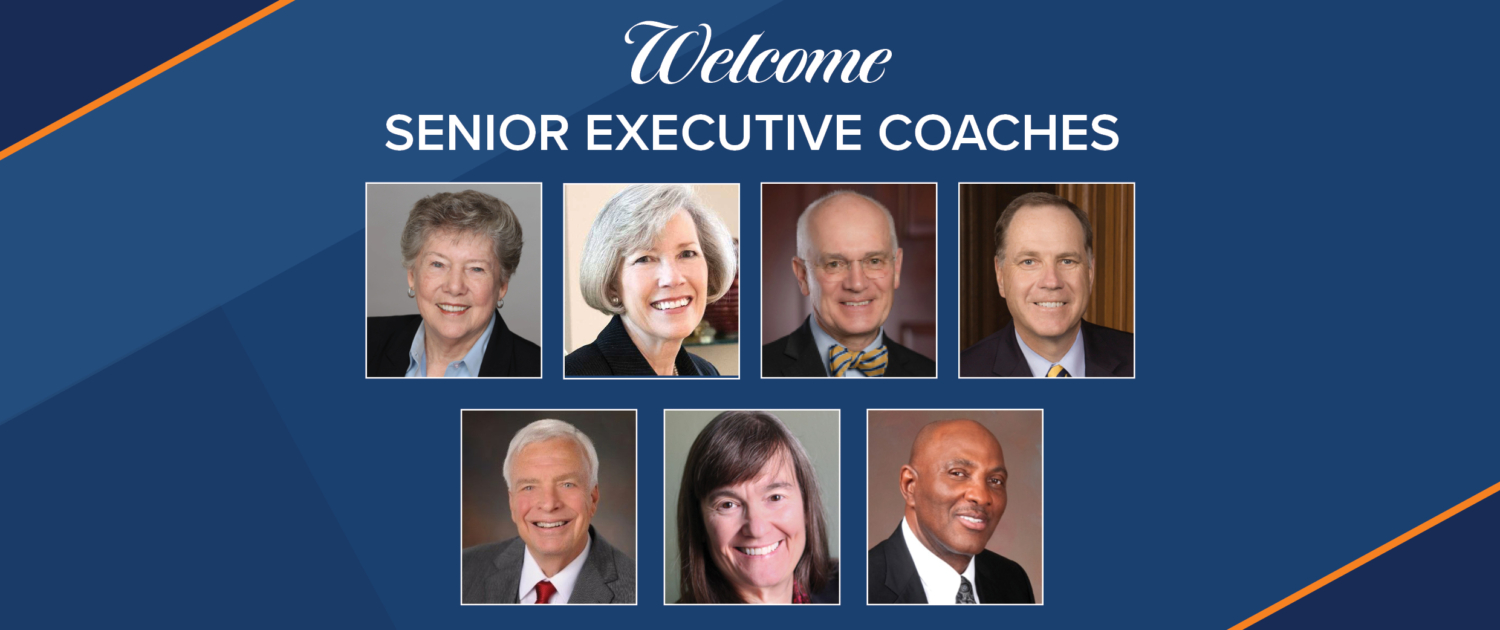 https://www.academicsearch.org/wp-content/uploads/2023/06/AS-Executive-Coaches-Announcement-1200x500-1.jpg
1042
2500
Ashley Hunter
https://www.academicsearch.org/wp-content/uploads/2026/03/50th-Anniversary-Academic-Search-Horizontal-RGB-1030x314.jpg
Ashley Hunter2023-06-27 09:55:062026-09-24 15:37:39Executive Coaching Practice Expands with 7 New Coaches
https://www.academicsearch.org/wp-content/uploads/2023/06/AS-Executive-Coaches-Announcement-1200x500-1.jpg
1042
2500
Ashley Hunter
https://www.academicsearch.org/wp-content/uploads/2026/03/50th-Anniversary-Academic-Search-Horizontal-RGB-1030x314.jpg
Ashley Hunter2023-06-27 09:55:062026-09-24 15:37:39Executive Coaching Practice Expands with 7 New Coaches