Leaders on Leadership Featuring Dr. Richard Ekman, President of the Council of Independent Colleges
This third episode features Dr. Richard Ekman, President of the Council of Independent Colleges (CIC), who recently announced his plans to retire after 20+ years at the helm. Dr. Ekman reflects on what he learned on his path to the CIC presidency and addresses the characteristics of good leaders. In addition, he discusses how CIC’s professional development programs can help senior leaders do their jobs better and advance their institutions more effectively.
Episode Transcript
Jay Lemons:
Hello, and thank you for listening, I’m Jay Lemons. Welcome to Leaders on Leadership, brought to you by Academic Search and the American Academic Leadership Institute. The purpose of our podcast is to share the stories of the people and forces that have shaped leaders in higher education. And to learn more about their thoughts on leadership in the academy. I’m really delighted today to be joined by Dr. Rich Ekman. Rich is the president of the Council of Independent Colleges, known as CIC. Rich serves as an advocate for independent higher education in the United States, and really around the world. He earned his PhD in history of American civilization from Harvard University and has served in leadership roles at Atlantic Philanthropies, the Andrew W. Mellon Foundation, the National Endowment for the Humanities. He also served at Hiram College and at the University of Massachusetts Boston.
Rich serves as a board member for several organizations and is the co-author of a book on technology and scholarly communication, and has authored essays that have appeared in the Chronicle of Higher Education, University of Business, Inside Higher Education, Carnegie Reporter, and the Washington Post.
Very recently, Rich announced his intention to retire at the end of the fiscal year, working 21 years of service to CIC and its member institutions. His tenure has seen growth in membership programs and funding that together serve the needs of presidents, chief academic officers, and faculty members alike. Rich has truly been a dedicated and singular champion for Independent Higher Education. And, it’s truly a great honor for me to have someone I think of as a mentor, a friend, a boss, and as much as anything, a colleague in the groves of the academy, to share his thoughts with us today. Welcome Rich.
Richard Ekman:
Good morning, Jay. I’m pleased to be here.
Jay Lemons:
Well, it’s a special pleasure to have you. I’m mindful of recent events, and when someone announces there plans to retire, many people ask about “What’s next?” Or, “What do you plan to do when you retire?” Questions that we’ll get into in a bit. But, retirement also offers a chance to look back and to reflect on the journey, the journey that you took to get here. And when I think about the profound lasting influence and legacy that you’ve established at CIC, I know I’m not alone in wondering about some of the people, the events, and the opportunities that really forged you to become the leader that you have been for CIC and for Independent Higher Education. And, to hear a little bit about how your journey in higher education unfolded. So, I hope you’re in a reflective mood.
Richard Ekman:
I’ll try, Jay. I started out in graduate school thinking I wanted to be a scholar of history. And, the biggest influences on me at that time were some of the greatest scholars of early America, Bernard Bailyn, Alan Heimert. I also worked closely with Neil Harris, who then went on to University of Chicago. But in graduate school, I found it very hard. And, I began to think that it was the system that was at fault, not me. And so, I became very active in an effort to reform graduate education. And I learned a lot about how curriculum change and institutional structural change can be very important. The result was that, by the time I finished my PhD, I was persuaded that I was not going to be a scholar, I was going to be an administrator and also teach, because I did enjoy teaching and I was pretty good at it.
I took my first job at UMass Boston as a assistant to the provost. That was at a time when all of my graduate school friends were only looking at elite private research universities. And they thought I was a little bit crazy for doing that. I learned an awful lot about a institution, an urban branch campus of a public system that was then just emerging on the scene. And then, after finding that very mind expanding, had a chance to go to the National Endowment for the Humanities at a time when it was still a small and growing agency. That broadened my horizons about what was possible at hundreds of institutions around the country. And so, at a certain point, it was time to apply what I had learned, took a job as provost at Hiram College, a good liberal arts college in Ohio. Learned an enormous amount there for direct on-the-ground experience.
And then, had a chance to go back to NEH, which I did. And then, from there on to the Andrew W. Mellon Foundation, which was significantly different from NEH, although, both from some distance are simply grant giving organizations, but they’re very different in their cultures and style of operation and their goals. I guess, Jay, the lesson that I learned from all this is that, people are more adaptable than they think they are. That each of these moves was not exactly in the predictable path of what one would do next from where I had been. And yet, a small leap of faith in each case worked out pretty well. And, the lesson for me was, a little bit of risk and a better effort to so assess ones own skills and temperament can go a long way towards making an interesting career.
The move to CIC was similar. I was ready to leave, the foundational world was looking around mainly for college presidencies and provost positions. And, had a chance to be a candidate for the presidency of CIC, an organization that I knew pretty well and respected, but had never thought of myself as being its president. When you go to graduate school, you don’t say, “Well, what I want to be when I grow up is the president of an association.” It’s just one of those things that may come your way or may not, but it’s proven to be very work.
Jay Lemons:
You mention NEH and A.W. Mellon, and I guess I want to invite you to think a little bit about the extraordinary impact of each on Independent Higher Education. And I also want to acknowledge the gratitude that I feel for the ways in which you help to continue to contribute and forge relationships with both. And, to create opportunities for CIC members to be beneficiaries of those investments.
Richard Ekman:
Well, I’m a big believer in the liberal arts, as I know you are. I believe that every undergraduate education ought to be anchored in some broad exposure to the fields of the arts and sciences, that they are the fields that teach the skills that are applicable in any setting lifelong. NEH has had an enormous impact on colleges and universities around the country, promoting the humanities broadly understood. And, the Andre W. Mellon Foundation has had significant impact on not all colleges and universities, but on a set of them of, maybe several hundred all together. The Mellon Foundation has not only given many grants to individual liberal arts colleges, but it’s also given significant support to CIC, which has enabled CIC to organize programs for larger numbers of colleges and Mellon, which as a small staff could possibly undertake to assist directly. And, we’ve been fairly fortunate in CIC in our efforts to obtain grants from not only the Mellon Foundation, but from other foundations, and it’s the commitment of these philanthropies to independent, smaller liberal arts anchored institutions that has been critical to their ability to thrive over the past years.
Jay Lemons:
Well, it is indeed also a credit to you and a demonstration of the confidence and trust in your leadership that we have been in a consortium way able to be worthy of those investments and we’re all the better for it. So, I thank you for that. And thank you for mentioning those influences in your own journey and career. Rich, when I step back and ask you to talk about what makes a good leader, you have literally worked with thousands of college presidents over the course of your career. And, let me be clear, by good, I don’t mean grade B, I mean, virtuous, effective, and successful. What makes a good leader in your mind?
Richard Ekman:
Yeah, well, I’m reluctant Jay to generalize about characteristics of leadership, as if they apply in all situations in the same way. I think these are not generic skills that can be taught and applied by, say, a new president in any college or university. Every institutional situation is distinctive and it calls for the distinctive combination of strengths to be an effective leader. Now you can make some generalizations, there are some skills that one would use in a small college that you wouldn’t necessarily employ in a research university or in a community college. And indeed, as you know, CIC’s own leadership development programs begin with the premise that there are certain shared characteristics of leadership in small private colleges that one might generalize about. But you don’t go too far beyond that to generalize to all institutions. The presidents who I have worked with over the years, who have been the most successful, first of all, under stand that there is an issue of fit between their own sense of purpose, their calling, and the institution’s mission that they’re trying to serve. They have to feel comfortable with it, they have to believe in it.
Second, a good leader articulates the vision of the institution all the time. And that has the effect of reminding all the staff members, and faculty, and students of just what that mission is, what that sense of values is. And, a good leader is who is articulate in saying what it is that the work is all about and articulate, not only inside the institution, but in addressing the many outside constituencies, from the alumni to the press, to government officials, and others.
Day to day, the best leaders, I think, are ones who say what they mean, who work harder than everybody else, so they inspire hard work in others, are quite consultative in the process of making decisions, but then once the decision is made, own it, and defend it, and take responsibility for it. A good leader encourages that team commitment on the part of those with whom he or she works, so that there are no turf issues, so that people do feel that they’re part of a team, and they’re valued for it. So, I could go on a great length, but I think the point here is that there are specific characteristics that suit the institution that I’ve worked with most closely over the past two decades. And that may not necessarily be the same set of skills or characteristics for other institutions.
Jay Lemons:
Thank you for those reflections. And, the historian in you appropriately notes how critical context is. And, I know that it’s a special, I think, blessing to have believed that you’re in the right place at the right time to make sense of the skills that you as a leader have. And boy, have you done that at CIC over these last couple of decades. I’d love you to reflect for a moment on, how different are the challenges facing leaders today, than when you first took up the reins at CIC, as we dawned a new millennium?
Richard Ekman:
Yeah. Well, the challenges change all the time. And I guess the generalization I’d make today is that the challenges that are in the forefront of everyone’s thinking seem to change more rapidly in recent years than they did in the past. So, for example, when I started at CIC, one of the big raging debates among deans and provosts was whether the growth of interdisciplinary programs was going to erode the core rigor of the disciplines. Well, we’ve learned that interdisciplinary programs, problem based programs, thematic curricula, all can be very stimulating to students and faculty, very generative and taught well, they can be as rigorous as the core disciplines. So that issue, which was hot 20 years ago, played out over five or seven years, and now is a settled fact.
Back then, there was a concern about the rising costs of running colleges and universities, and some concern about the growing reliance on tuition discounting. And there were predictions of doom as tuition discounting averaged 25 or 30%, some observers said, “We can’t possibly sustain this.” Now, as you know, we’re up near 50% or more, the observers are still saying it’s not sustainable, but I guess what I’ve observed is that the entrepreneurial attitude of the leaders of private colleges and universities combined with a real commitment on the part of presidents and trustees to raising scholarship money has made it sustainable. In fact, as you know, the predictions of the end of all small colleges, when on occasion one college closes, have turned out to be completely false every year for the past 30 years. Some number of small colleges closes, but it’s a number between 0 and 10, and has never been more than 10 a year. And it’s usually two or three a year. And, there’s no relation to external events such as the 2008 recession.
Now, when the colleges are really stressed in their budgets, there will probably be some uptick in the number of colleges that close. But, I don’t think it’s going to go from a single digit per year to hundreds a year. Now, moreover, of the cases that I’ve had occasion to look closely at, of closures and mergers, there are unique circumstances to each of those situations that I think explain what’s going on better than any generalization about the changing demography or economics of higher education. So, those broad factors are certainly part of the backdrop, but they don’t explain why college X closes and college Y thrives at the same time, despite the fact that at their 15 minutes apart.
Jay Lemons:
Yeah, it is hard to make sense of this. Through the whole of my career… There was a book written in the mid to early 80s, 3000 Futures that predicted the loss of a 1000 institutions by the time we hit 2000. And, you’re quite right. We did in fact lose a number of institutions, but we birthed a whole lot more than we lost. And so, the resilience, the need, the resonance of American higher education, and the nimbleness, so much of which can be traced to Independent Higher Education is certainly a part of that. Earlier, you spoke about the importance of leaders surrounding themselves with capable colleagues in leadership team. What have you looked for in the leaders that you’ve surrounded yourself with as a part of your team?
Richard Ekman:
Well, I’ve been very fortunate at CIC to have a wonderful group of colleagues to work with. They are all enthusiastically committed to the cause of Independent Higher Education, that’s the first thing that I look for. Second, I’m eager to work with people who anticipate, who are always looking at the next step, who won’t just simply follow orders, and who bring up fresh ideas of what we ought to do next all the time. I work fast, I like other people to work fast, that has made CIC able to work fast and to be very responsive to members and others.
And I look for people who are solution-oriented, not problem-oriented. We want people who not only identify a problem, but think through a solution and propose it. And then, when we talk about big issues, big problems, we talk about it as a group, everyone is quite candid in sharing their ideas, and then a decision is made. And, I will take ownership for the decision. It’s not necessarily the majority view, but it often is. And then, everyone goes on from there. There’s no second guessing, there’s no back-biting. I believe CIC is relatively free of water cooler gossip and turf issues. I suppose I’d be the last to know. But, there’s a real collegial spirit and people are always willing to help one another out crossing official lines of assignments without any question. And that’s a nice collegial feeling to have.
Jay Lemons:
Well, certainly the stability and the continuity in leadership in your staff and in you is one of those characteristics that I think is noted by CIC member institutions who defined, and they have been important parts of your success over these last 20 plus years. Rich, one of the things that is special about the opportunity to engage leaders like yourself is that, we know that among those who are the consumers of these podcasts are participants in our AALI programs and others who aspire to leadership. And, I’d really love to just have you reflect a little bit and offer some advice to those aspiring to leadership in the academy.
Richard Ekman:
Well, the Executive Leadership Academy and the Senior Leadership Academy are both very successful programs, Jay. The individuals who are nominated by their presidents and provost to participate have real talent and real potential. The experience of the program seems to be doing some good because the track record of people who have been with programs and then moving to another position, either in their home institution or another institution, that represents a step up in professional responsibility is really remarkable.
Jay Lemons:
It’s impressive.
Richard Ekman:
A lot of what CIC does is focused on leadership development. There’s been talk for a number of years about the coming surge of retirements of college presidents and provost. And we are seeing it. There’s been a lot of talk about burnout as the jobs get harder. And we’ve seen that particularly among the chief academic officers.
Jay Lemons:
Mm-hmm (affirmative).
Richard Ekman:
And, an awful lot of what CIC does is intended to help those senior leaders do their jobs better, find satisfaction in their jobs, and be able to advance their institutions more effectively. The Executive Leadership Academy and the Senior Leadership Academy are major commitments of CIC along with those of American Academic Leadership Institute and Academic Search. But we also have a program called Presidential Vocation and Institutional Mission, which is generously supported by the Lilly Endowment. And it too has a remarkable track record of its alumni moving up in their professional lives. So, we feel as though an emphasis on leadership development is an important one for CIC, and we intend to keep it going strong.
Jay Lemons:
Thank you very much. Those are remarkable programs. And, I think what I hear you advising is, for those who aspire to find mentors and champions who will support their engagement in those programs, and you’re so right, CIC is truly all about nurturing, supporting, growing the current generation of leaders as well. So, thank you for sharing those thoughts. Rich, I want to move into a little more of, what I’ll call, a lightning round. So, I’ll ask you short questions, and you who can provide answers that are either short or not, up to you. Who’s been the biggest influence on your life?
Richard Ekman:
My professional life, it would have to be Bill Bowen, legendary president of Princeton before I knew him, and legendary president of the Andrew W. Mellon Foundation for the time in which I had out opportunities to work very closely with him. Remarkable man, talented leader, visionary scholar, and had a good deal of influence on me and dozens of others.
Jay Lemons:
Oh, indeed. That’s a very special tree to be a part of. What maybe is the most important lesson you might have learned from Bill?
Richard Ekman:
I remember once early in my tenure, when we were meeting with somebody who asked the two of us, “What’s the most important challenge in being an officer of a foundation? What are the new ideas that need to be championed in order for colleges and universities to thrive?” And I said, “There are plenty of good ideas out there. The real challenge is making them operable on a campus.” And bill said simultaneously, “There are not enough good ideas.” And we both looked at each other and looked at the other prison in the room, had a good laugh, but that was Bill. It was always a search for a better idea, an innovation. And, he always acted that way.
Jay Lemons:
Yeah, he had an enough abundance of curiosity that had him always searching for that better idea, that better way, didn’t he?
Richard Ekman:
Yeah.
Jay Lemons:
You have a fondest memory of your own and undergraduate experience you’d share?
Richard Ekman:
Well, I was an awkward writer for most of my undergraduate life. In large lecture courses, you don’t do that much writing, whatever skill as a writer I might have had in high school that tended to atrophy for most of my college career. But, senior year, I wrote a thesis. And, you live with this draft all year long and you’re revising it year long. And you’re getting advice from your thesis advisor all year long.
By the time that year was over, I was a pretty good writer. And it was the intensive effort at revision, and revision, and revision on the same text… Well, it was a growing text, because you do a chapter at a time, but that was really the single most important undergraduate experience. I think we do need in all colleges and universities to pay more attention to written communication. The freshman comp one and done course is not enough. But being able to get better, not only of the mechanics of writing, but to recognize your own style takes a sustained effort. And I was fortunate enough in my senior year to be able to do that by living with a thesis for most of the year.
Jay Lemons:
That’s terrific. It’s hard for me to imagine you ever having struggled with the written word, because you are such a fine writer. You have a set of favorite school colors that you favor?
Richard Ekman:
Oh, well that’s easy, crimson.
Jay Lemons:
I thought I knew the answer to that one. How about a favorite campus tradition at a place you’ve served or a place you know?
Richard Ekman:
My first job out of graduate school was at UMass Boston, when it was a brand new downtown urban branch of a public system. And, there really weren’t any at that point. So, the reference points for all the planning of this new institution were City College of New York in the 1930s, a wistful view of what an urban institution is supposed to be. During the time I was there, the university was located in temporary headquarters in Park Square, old office buildings and the like. And there was a practice after every faculty meeting for a group of faculty to go out for drinks together. And the favorite place was the Hillbilly Ranch Bar next to the Greyhound Station in Park Square. And, we would witness some interesting things going on in the late afternoon at the Hillbilly Ranch Bar, but we read the next morning even more about the things that had gone on there late at night.
And so, this was the practice, the rough and tumble urban institution, not going to the faculty club, not going to the country club, but going off to the urban bar next to the bus station to talk things over.
Jay Lemons:
Very good. Hey, Rich, what’s the one thing you most look forward to being able to do once you have hit that milestone next July?
Richard Ekman:
Too early to ask me, Jay.
Jay Lemons:
Understood. Yeah.
Richard Ekman:
I don’t know, I don’t.
Jay Lemons:
Well, I know full well, you are consumed with all of the things that must be done between now and then, and especially pointing towards the chief academic officer and president’s institute’s events that will consume the next few months, right?
Richard Ekman:
Well, that’s true. I’ve gotten a number of notes from people wishing me well. And, quite a few of them say, “Don’t retire unless you have a definite plan of what you want to do next.” And then, another group of these notes say, “Don’t rush into anything, take your time.” And I’d say that the notes are evenly divided in the advice that they’re giving. And, I find myself leaning more towards the second sentiment than the first.
Jay Lemons:
Very good. Well, I would say you, unsolicitedly, I do think allowing a little time and space is probably a good plan. You’re due a sabbatical of sorts. Hey, if you hadn’t found your way to higher ed, you certainly had other lives in the world of philanthropy, private and the governmental program. Are there other worlds where you think about what you might have done, roads untaken?
Richard Ekman:
Hard to answer that Jay. When I was in college, I toyed with the idea of going into the foreign service and took the foreign service exam. My father, who was a lawyer was encouraging me to go to law school. But, in my senior year, I fell in love with the study of history at a scholarly level and decided I want to go to graduate school. The version of the question you just asked that might have a more interesting answer is, having started out thinking I was going to be a scholar, how did I make the jump to then thinking I was going to be a teacher, to a curriculum reformer, to a campus administrator, to a philanthropy employee, and then to an association? And as I suggested earlier, those jumps were not predictable by what anyone would’ve thought was a regular pathway, but because they worked out quite well in almost every case, it gave me greater confidence that I was adaptable of the challenge of the next thing, when the next thing presented itself and looked appealing.
Jay Lemons:
Well, it probably is one of those experiences where life makes more sense looking back than it might have looked at that point, and looking prospectively at it. And, certainly yours is a tapestry that has been rich and filled with truly brilliant strokes through the years. As we prepare to wrap up one of the traditions that we have here on Leaders on Leadership is we like to close by asking our guests to share with listeners the distinctive qualities, if you will, the organizational DNA of, in this instance, the Council of Independent Colleges. I wonder if you might share with us why you sense our independent colleges matter to the future of our country, and also share with us that special DNA that makes CIC a worthy investment for member institutions.
Richard Ekman:
Yeah. Well, let’s start with the college Jay. The American Liberal Arts College is a distinctively American invention. And it was the dominant form of education for many years, as you know.
Jay Lemons:
Yeah.
Richard Ekman:
Even today, there’s plenty of evidence that it’s the most effective, has better graduation rates, has better graduation rates for underrepresented students, because it’s so heavily supported by private philanthropy. And that is non-government philanthropy, the amount of indebtedness that a student has upon graduation from a private college is only slightly more than a student has on average from graduating from a four-year public institution. And then, there’s also evidence on the postgraduate successes of graduates of private colleges, compared to others. By measures of life satisfaction, such as those that Richard [inaudible 00:34:22] included in his second book, private college graduates excel. The evidence on job getting an advancement is pretty strong as well.
And then, there are pockets of success for this form of education that we’ve begun to unearth through studies. For example, we did a study about women in science. And what we discovered is that, not only the elite private colleges, which you’ve known for many years produce a disproportionate number of career scientists, but the rank and file of private colleges also produce disproportionate numbers of scientists. And that’s especially true for women.
Jay Lemons:
Mm-hmm (affirmative).
Richard Ekman:
So, at a time when the country is concerned about having enough people to fill the jobs, and science, and technology that the country needs, this virus period excluded. It’s the private colleges that are doing the heavy lifting of supplying these people. So I tend to always look at the cost question in terms of cost per graduate, not cost per enrollment, because as you know Jay, in the four-year public universities, there’s enormous attrition, and the student who is determined to be, say an engineer, but who flunks physics 101 and takes it a second time, or even a third time, a gatekeeper course, if you will, is running up tremendous cost between the state’s subsidy and the own tuition payments. Whereas, the student who takes physics 101 at the private college is probably only taking it once. And, the cost is subsidized largely by the institution itself and by the individual.
So, there are quite a few myths out there about the differences between the public and private institutions, but the data that CIC has accumulated on effectiveness suggests that the country ought to be relying more on private colleges and universities, including the non-elite private colleges and universities to advance the countries needs for employees and responsible citizens. Now, you asked about CIC itself, just as we were talking about the characteristics of good team members at CIC. CIC is a practical organization. We try to be responsive to members. We don’t focus on highly theoretical stuff. We focus on the things that college leaders say they need. We work fast. And what we do is distinctive. We don’t duplicate what others do, so that members will be fully persuaded that by paying their dues to CIC, they’re getting something that is worth it and is not obtainable elsewhere. And, as you know, many of our programs, which are foundation supported can also be offered at cost or below cost, which seems to me to be the right stance for an organization that serves mainly smaller institutions and are not very wealthy.
Jay Lemons:
Rich, I want to say thank you for joining us on Leaders on Leadership. We’re really glad to have you, and appreciate your sharing your insights and wisdom about leadership with us. And, I’m really also grateful that we have this opportunity to reflect and personally for the opportunity to say thank you for truly being an extraordinary leader, that has considerably strengthened Independent Higher Education. You are one of those people who has stood in the breach saying, “That doom which has been predicted does not need to be.” More than that, you have contributed to supporting leaders at the institutional level, and having the strength to withstand the wind. And so, let me really say a special word of thanks to you for that legacy and for that leadership.
Richard Ekman:
Thank you, Jay. It’s good to talk with you this morning.
Jay Lemons:
Listeners, we welcome your suggestions and thoughts for leaders we should feature in upcoming segments. You can send those suggestions to leadershippodcast@academicsearch.org. You can find Leaders on Leadership on Apple Podcast, Google Podcast, or wherever else you find your podcast. It’s also available on the Academic Search website. Leaders on Leadership is brought to you by Academic Search and the American Academic Leadership Institute. Together, our mission is to support colleges and universities during times of transition and through leadership development activities that serve current and future generations of leaders in the academy. Again, it’s been a special pleasure to have Rich Ekman on our show today. Thank you again, Rich for joining us.
Richard Ekman:
Thank you.
Jay Lemons:
Have a great day.
Listen to More Episodes
Enjoy our content? Join our mailing list.
Share this podcast
Discover More Leading Insights
 https://www.academicsearch.org/wp-content/uploads/2026/09/When-to-Engage-a-Search-Firm-1200x500_02-scaled.jpg
1066
2560
Academic Search
https://www.academicsearch.org/wp-content/uploads/2026/03/50th-Anniversary-Academic-Search-Horizontal-RGB-1030x314.jpg
Academic Search2026-10-20 10:09:142026-10-20 13:51:41When Should Your Institution Engage an Executive Search Firm?
https://www.academicsearch.org/wp-content/uploads/2026/09/When-to-Engage-a-Search-Firm-1200x500_02-scaled.jpg
1066
2560
Academic Search
https://www.academicsearch.org/wp-content/uploads/2026/03/50th-Anniversary-Academic-Search-Horizontal-RGB-1030x314.jpg
Academic Search2026-10-20 10:09:142026-10-20 13:51:41When Should Your Institution Engage an Executive Search Firm? https://www.academicsearch.org/wp-content/uploads/2026/09/Leadership-Pipeline-1200x500_02-scaled.jpg
1066
2560
Jay Lemons
https://www.academicsearch.org/wp-content/uploads/2026/03/50th-Anniversary-Academic-Search-Horizontal-RGB-1030x314.jpg
Jay Lemons2026-09-15 20:15:112026-10-01 15:42:50Higher Education’s Leadership Pipeline is Stronger Than the Headlines Suggest
https://www.academicsearch.org/wp-content/uploads/2026/09/Leadership-Pipeline-1200x500_02-scaled.jpg
1066
2560
Jay Lemons
https://www.academicsearch.org/wp-content/uploads/2026/03/50th-Anniversary-Academic-Search-Horizontal-RGB-1030x314.jpg
Jay Lemons2026-09-15 20:15:112026-10-01 15:42:50Higher Education’s Leadership Pipeline is Stronger Than the Headlines Suggest https://www.academicsearch.org/wp-content/uploads/2025/05/A-Guide-to-Leadership-Renewal-Graphics-1200x500-3-scaled.jpg
1066
2560
Academic Search
https://www.academicsearch.org/wp-content/uploads/2026/03/50th-Anniversary-Academic-Search-Horizontal-RGB-1030x314.jpg
Academic Search2025-05-27 12:23:542026-10-01 14:18:51Leadership Renewal Starts with Intention
https://www.academicsearch.org/wp-content/uploads/2025/05/A-Guide-to-Leadership-Renewal-Graphics-1200x500-3-scaled.jpg
1066
2560
Academic Search
https://www.academicsearch.org/wp-content/uploads/2026/03/50th-Anniversary-Academic-Search-Horizontal-RGB-1030x314.jpg
Academic Search2025-05-27 12:23:542026-10-01 14:18:51Leadership Renewal Starts with Intention https://www.academicsearch.org/wp-content/uploads/2025/03/A-Guide-to-Cabinet-Retreats-Web-Header-1200x500-1-scaled.jpg
1066
2560
Academic Search
https://www.academicsearch.org/wp-content/uploads/2026/03/50th-Anniversary-Academic-Search-Horizontal-RGB-1030x314.jpg
Academic Search2025-03-14 13:23:212026-10-05 12:07:02A Guide to Effective & Strategic Cabinet Retreats
https://www.academicsearch.org/wp-content/uploads/2025/03/A-Guide-to-Cabinet-Retreats-Web-Header-1200x500-1-scaled.jpg
1066
2560
Academic Search
https://www.academicsearch.org/wp-content/uploads/2026/03/50th-Anniversary-Academic-Search-Horizontal-RGB-1030x314.jpg
Academic Search2025-03-14 13:23:212026-10-05 12:07:02A Guide to Effective & Strategic Cabinet Retreats https://www.academicsearch.org/wp-content/uploads/2024/08/Competencies-for-the-College-Presidency-Graphic-1200x500-1-scaled.jpg
1066
2560
Academic Search
https://www.academicsearch.org/wp-content/uploads/2026/03/50th-Anniversary-Academic-Search-Horizontal-RGB-1030x314.jpg
Academic Search2024-09-15 08:00:052026-10-01 14:19:23Competencies for the College Presidency
https://www.academicsearch.org/wp-content/uploads/2024/08/Competencies-for-the-College-Presidency-Graphic-1200x500-1-scaled.jpg
1066
2560
Academic Search
https://www.academicsearch.org/wp-content/uploads/2026/03/50th-Anniversary-Academic-Search-Horizontal-RGB-1030x314.jpg
Academic Search2024-09-15 08:00:052026-10-01 14:19:23Competencies for the College Presidency https://www.academicsearch.org/wp-content/uploads/2024/08/Rodney-Clark-Deloitte-Study-Response-1200x500-1-scaled.jpg
1066
2560
Rodney Clark
https://www.academicsearch.org/wp-content/uploads/2026/03/50th-Anniversary-Academic-Search-Horizontal-RGB-1030x314.jpg
Rodney Clark2024-08-22 08:53:442026-10-01 15:41:11Building Resilient Leadership: Lessons from Deloitte’s Higher Education Trends
https://www.academicsearch.org/wp-content/uploads/2024/08/Rodney-Clark-Deloitte-Study-Response-1200x500-1-scaled.jpg
1066
2560
Rodney Clark
https://www.academicsearch.org/wp-content/uploads/2026/03/50th-Anniversary-Academic-Search-Horizontal-RGB-1030x314.jpg
Rodney Clark2024-08-22 08:53:442026-10-01 15:41:11Building Resilient Leadership: Lessons from Deloitte’s Higher Education Trends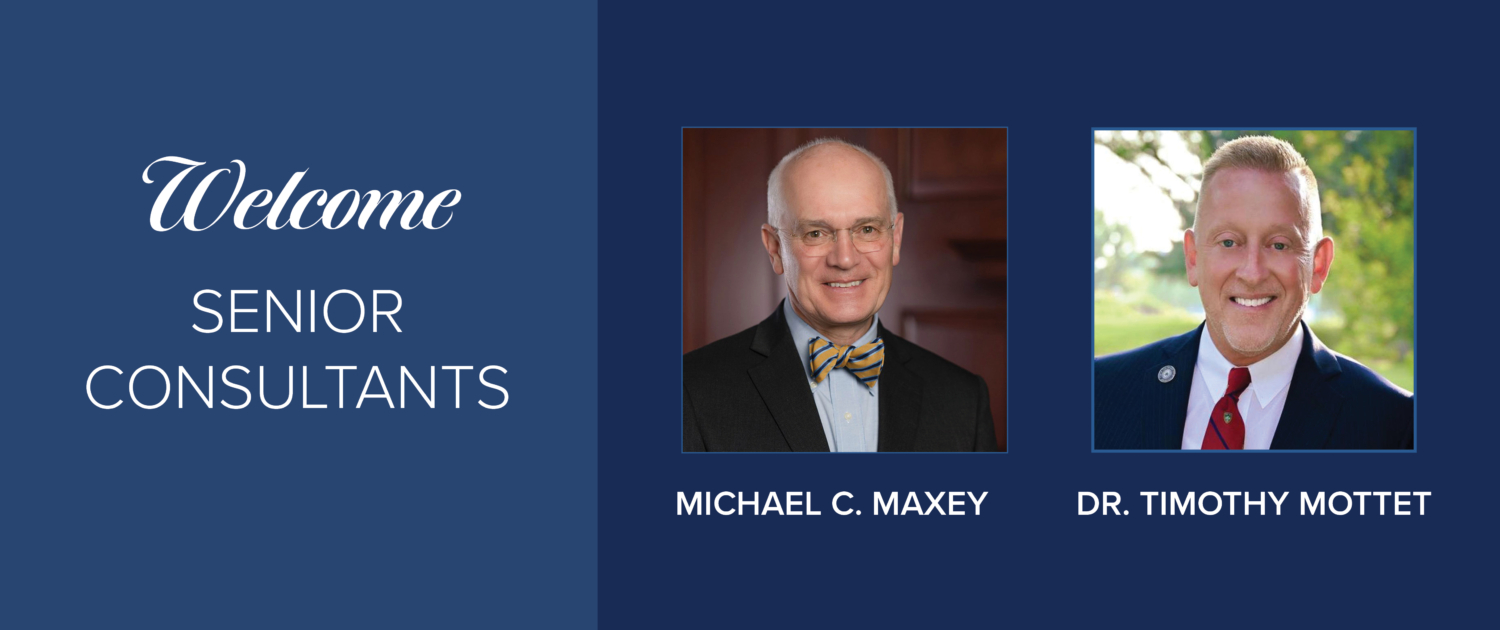 https://www.academicsearch.org/wp-content/uploads/2024/06/SC-Announcement-June-2024-1200x500-1-scaled.jpg
1066
2560
Academic Search
https://www.academicsearch.org/wp-content/uploads/2026/03/50th-Anniversary-Academic-Search-Horizontal-RGB-1030x314.jpg
Academic Search2024-06-11 15:43:142026-10-01 14:19:27Academic Search Welcomes Mike Maxey and Timothy Mottet as Senior Consultants
https://www.academicsearch.org/wp-content/uploads/2024/06/SC-Announcement-June-2024-1200x500-1-scaled.jpg
1066
2560
Academic Search
https://www.academicsearch.org/wp-content/uploads/2026/03/50th-Anniversary-Academic-Search-Horizontal-RGB-1030x314.jpg
Academic Search2024-06-11 15:43:142026-10-01 14:19:27Academic Search Welcomes Mike Maxey and Timothy Mottet as Senior Consultants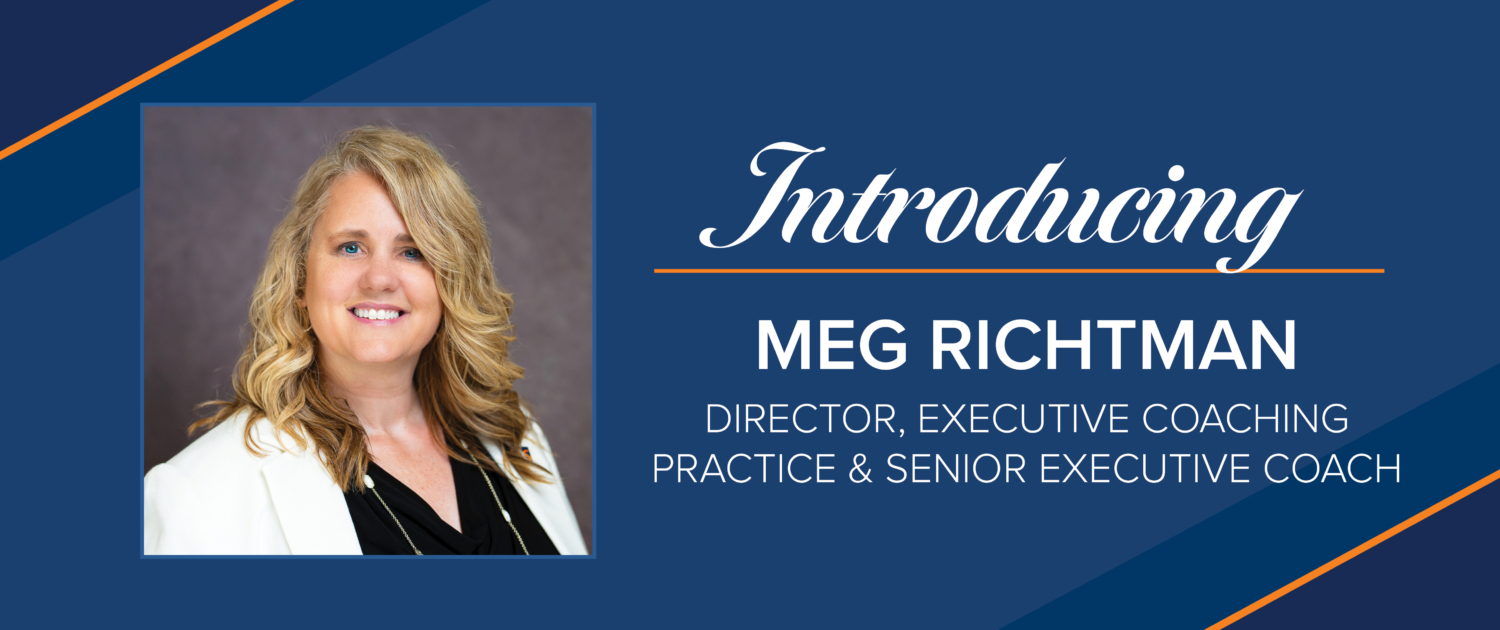 https://www.academicsearch.org/wp-content/uploads/2024/05/Meg-Richtman-Announcement-1200x500-1-scaled.jpg
1066
2560
Academic Search
https://www.academicsearch.org/wp-content/uploads/2026/03/50th-Anniversary-Academic-Search-Horizontal-RGB-1030x314.jpg
Academic Search2024-05-25 13:37:262026-10-05 12:36:48Strengthening Our Executive Coaching Practice with New Director
https://www.academicsearch.org/wp-content/uploads/2024/05/Meg-Richtman-Announcement-1200x500-1-scaled.jpg
1066
2560
Academic Search
https://www.academicsearch.org/wp-content/uploads/2026/03/50th-Anniversary-Academic-Search-Horizontal-RGB-1030x314.jpg
Academic Search2024-05-25 13:37:262026-10-05 12:36:48Strengthening Our Executive Coaching Practice with New Director https://www.academicsearch.org/wp-content/uploads/2024/04/Leaving-the-Presidency-with-Grace-1200x500-1-scaled.jpg
1066
2560
Tara Singer
https://www.academicsearch.org/wp-content/uploads/2026/03/50th-Anniversary-Academic-Search-Horizontal-RGB-1030x314.jpg
Tara Singer2024-04-01 12:33:482026-10-01 15:42:34Leaving the Presidency with Grace
https://www.academicsearch.org/wp-content/uploads/2024/04/Leaving-the-Presidency-with-Grace-1200x500-1-scaled.jpg
1066
2560
Tara Singer
https://www.academicsearch.org/wp-content/uploads/2026/03/50th-Anniversary-Academic-Search-Horizontal-RGB-1030x314.jpg
Tara Singer2024-04-01 12:33:482026-10-01 15:42:34Leaving the Presidency with Grace https://www.academicsearch.org/wp-content/uploads/2024/03/HERS-Executive-Coaching-Circles-2024-1200x500-1-scaled.jpg
1066
2560
Academic Search
https://www.academicsearch.org/wp-content/uploads/2026/03/50th-Anniversary-Academic-Search-Horizontal-RGB-1030x314.jpg
Academic Search2024-03-13 16:59:162026-10-05 12:24:12HERS Executive Coaching Circles: Empowering Women Leaders in Higher Education
https://www.academicsearch.org/wp-content/uploads/2024/03/HERS-Executive-Coaching-Circles-2024-1200x500-1-scaled.jpg
1066
2560
Academic Search
https://www.academicsearch.org/wp-content/uploads/2026/03/50th-Anniversary-Academic-Search-Horizontal-RGB-1030x314.jpg
Academic Search2024-03-13 16:59:162026-10-05 12:24:12HERS Executive Coaching Circles: Empowering Women Leaders in Higher Education https://www.academicsearch.org/wp-content/uploads/2024/02/CV-Tips-Flanagan-1200x500-1-scaled.jpg
1066
2560
Scott Flanagan
https://www.academicsearch.org/wp-content/uploads/2026/03/50th-Anniversary-Academic-Search-Horizontal-RGB-1030x314.jpg
Scott Flanagan2024-02-22 10:01:112026-10-01 14:59:08Crafting Effective Application Materials for Academic Leadership Roles
https://www.academicsearch.org/wp-content/uploads/2024/02/CV-Tips-Flanagan-1200x500-1-scaled.jpg
1066
2560
Scott Flanagan
https://www.academicsearch.org/wp-content/uploads/2026/03/50th-Anniversary-Academic-Search-Horizontal-RGB-1030x314.jpg
Scott Flanagan2024-02-22 10:01:112026-10-01 14:59:08Crafting Effective Application Materials for Academic Leadership Roles https://www.academicsearch.org/wp-content/uploads/2023/09/Hispanic-Heritage-Month-1200x500-1-scaled.jpg
1066
2560
Carlos Medina
https://www.academicsearch.org/wp-content/uploads/2026/03/50th-Anniversary-Academic-Search-Horizontal-RGB-1030x314.jpg
Carlos Medina2023-09-18 08:31:432026-10-01 14:59:17Celebrating Hispanic Heritage Month 2023
https://www.academicsearch.org/wp-content/uploads/2023/09/Hispanic-Heritage-Month-1200x500-1-scaled.jpg
1066
2560
Carlos Medina
https://www.academicsearch.org/wp-content/uploads/2026/03/50th-Anniversary-Academic-Search-Horizontal-RGB-1030x314.jpg
Carlos Medina2023-09-18 08:31:432026-10-01 14:59:17Celebrating Hispanic Heritage Month 2023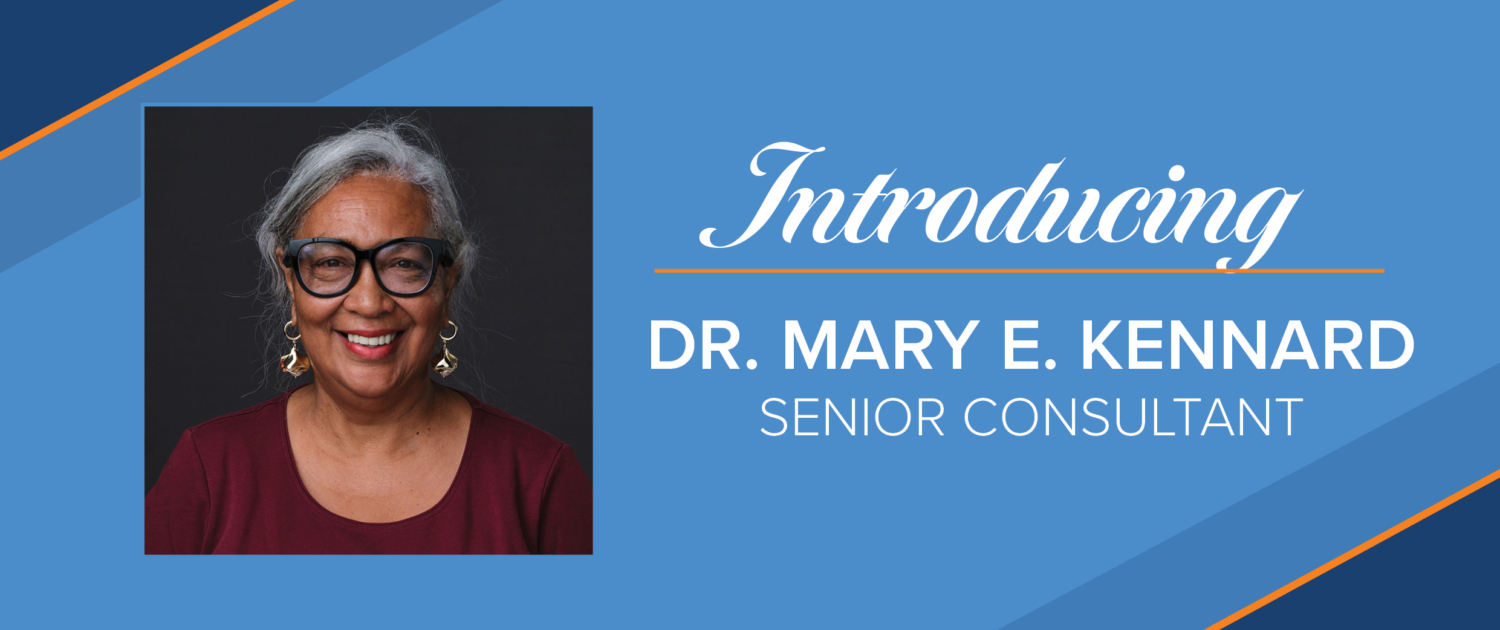 https://www.academicsearch.org/wp-content/uploads/2023/09/Mary-Kennard-Announcement-1200x500-1.jpg
1042
2500
Academic Search
https://www.academicsearch.org/wp-content/uploads/2026/03/50th-Anniversary-Academic-Search-Horizontal-RGB-1030x314.jpg
Academic Search2023-09-14 14:30:472026-10-05 12:24:46Introducing Our Newest Senior Consultant: Dr. Mary E. Kennard
https://www.academicsearch.org/wp-content/uploads/2023/09/Mary-Kennard-Announcement-1200x500-1.jpg
1042
2500
Academic Search
https://www.academicsearch.org/wp-content/uploads/2026/03/50th-Anniversary-Academic-Search-Horizontal-RGB-1030x314.jpg
Academic Search2023-09-14 14:30:472026-10-05 12:24:46Introducing Our Newest Senior Consultant: Dr. Mary E. Kennard https://www.academicsearch.org/wp-content/uploads/2023/08/10-Commandments-for-Boards-Welcoming-New-Leaders-1200x500-2.jpg
1042
2500
Pamela Balch
https://www.academicsearch.org/wp-content/uploads/2026/03/50th-Anniversary-Academic-Search-Horizontal-RGB-1030x314.jpg
Pamela Balch2023-08-23 11:51:112026-10-01 15:39:5610 Commandments for Boards and New Presidents
https://www.academicsearch.org/wp-content/uploads/2023/08/10-Commandments-for-Boards-Welcoming-New-Leaders-1200x500-2.jpg
1042
2500
Pamela Balch
https://www.academicsearch.org/wp-content/uploads/2026/03/50th-Anniversary-Academic-Search-Horizontal-RGB-1030x314.jpg
Pamela Balch2023-08-23 11:51:112026-10-01 15:39:5610 Commandments for Boards and New Presidents https://www.academicsearch.org/wp-content/uploads/2023/07/Bensimon-Associates-Response-1200x500-1.jpg
1042
2500
Carlos Medina
https://www.academicsearch.org/wp-content/uploads/2026/03/50th-Anniversary-Academic-Search-Horizontal-RGB-1030x314.jpg
Carlos Medina2023-07-25 14:46:152026-10-01 15:40:07Ensuring Equity in the Search Process
https://www.academicsearch.org/wp-content/uploads/2023/07/Bensimon-Associates-Response-1200x500-1.jpg
1042
2500
Carlos Medina
https://www.academicsearch.org/wp-content/uploads/2026/03/50th-Anniversary-Academic-Search-Horizontal-RGB-1030x314.jpg
Carlos Medina2023-07-25 14:46:152026-10-01 15:40:07Ensuring Equity in the Search Process