Leaders on Leadership Featuring Dr. Melody Rose, Chancellor of the Nevada System of Higher Education
Dr. Melody Rose, who earlier this year became Chancellor of the Nevada System of Higher Education, shares her story as the first in her family to earn a college degree and discusses how that experience shaped her perspective on access to higher education. She also discusses the value of effective communication strategies and what to look for in building a strong team.
Episode Transcript
Jay Lemons:
Hello, and thank you for listening. I’m Jay Lemons. Welcome to Leaders on Leadership brought to you by Academic Search in the American Academic Leadership Institute. The purpose of our podcast is to share the stories of the people and forces that are shaped leaders in higher education and to learn more about their thoughts on leadership in the academy.
I’m delighted to be joined today by Dr. Melody Rose. Melody recently became chancellor of the Nevada System of Higher Education, which is comprised of eight institutions and serves more than 100,000 students. Prior to that, Melody spent more than two decades as a higher education leader in Oregon, where she served as chancellor of the Oregon University System, and president of Marylhurst University. Melody is the first in her family to achieve a college degree, earning a bachelor of arts in politics from the University of California at Santa Cruz, and a master of public administration, and a master’s in government, and a PhD in government from Cornell University. Welcome, Melody.
Melody Rose:
Thank you so much for having me, Jay. It’s nice to see you.
Jay Lemons:
It is wonderful to see you. While our paths have crossed over the years I had the distinct pleasure of really getting acquainted with you through the Search that brought you to the chancellorship in Nevada, and through that process learned so much more about you and your background and your path to leadership. And I know that our listeners would benefit, just as I did, in hearing about the role of higher education forging you as a person and a leader in your journey in higher education, and I’d love it if you’d just share some of that.
Melody Rose:
Well, thank you for inviting me to do so, Jay. It is true that I am who I am because of my opportunity to get a college degree. As you mentioned, I’m a first-generation college student. I was born in Los Angeles to a very young mom and a dad with addiction issues, and as a result my brother and I moved all over the state of California as children. I actually attended at three high schools before finally at that third high school a guidance counselor cornered me in the hall one day with college applications in each hand, and said, “Hey, Melody, I think you’re a smart kid. I’d like you to think about going to college.”
And that was the first time that anyone had invited me to consider that path, and through a series of incredibly fortunate events, involving multiple guardian angels, I ended up at UC Santa Cruz, as you mentioned, and obviously took a liking to higher ed because I’ve never left. So I like to share that story because so many of our students here in Nevada, so many of those 100,000 students have stories like mine, and I think it’s good for them to see somebody who has walked that path in the role as chancellor.
Jay Lemons:
Well, no doubt. And I know full well how important it’s been to you to try and shine the light brightly for those who have not had as much access to higher education, and I know also that these are principle issues for you. And I admired very much your statement of not very many weeks ago saying that it’s fundamental to us as we think about how to make sure that we have equity and access and that our campuses are welcoming places for all people. I’d love for you to talk a little bit about those who have not been well served, and in particular, I think about the focus of the work that you’ve done in your career in supporting women, and persons of color. Talk a little bit about the importance of that built on your own experiences.
Melody Rose:
Well, thank you for the invitation to do so. You’re absolutely right. In my worldview or fundamental issues, I know personally the incredible impact that access to higher education has had in my family’s trajectory, so I know the power that it can have for others. And it’s a matter of principle to me that we stake out real claim around equity, inclusion, but I also think that we have to ask ourselves the questions as leaders in higher education, if we are about access, the question has to be, access to what.
And very oftentimes I think in higher ed we make the mistake of thinking that the story sort of begins and ends with access, and I would argue that that’s just the beginning of the conversation. When we welcome underrepresented and first-generation college students into our institutions, we have an ethical and a moral obligation to them to ensure their success. And I think oftentimes in our sector, we ask ourselves, gosh, why are these students failing? Why are they not completing and persisting at the same rate of middle class traditional college going students? And I would like us to flip that script, and instead of asking, why are these students not completing, why are these students failing, we need to be asking ourselves the question, how are we failing these students? And just to know that they are incredibly important to the future of this nation to solving some of the world’s largest problems, we need everybody at the table. So I really encourage my colleagues around the country to ask those students what they need. Ask them what it takes to be successful and I think we’ll be on a much stronger path.
Jay Lemons:
Thank you. It reminds me of, gosh, it had to have been 30 years ago, when I first heard someone say, “It’s not a people problem, it’s a system problem,” and how can we examine the systems to remove the barriers and to encourage people persistent to succeed. I am heartened by the flip that I see, a real pivot, from just access, and access as a measure to the work that AASCU is doing, and the work that’s been generously and importantly supported by the Gates Foundation to try and help understand how we can remove the systemic issues that make it tough for people. So, Melody, I’m interested in hearing what your read is on what makes a good leader. And let me be clear, I’m not talking grade B, I’m talking about good, as in virtuous, effective, and successful.
Melody Rose:
That’s a great question, and I think we all have to challenge ourselves to answer that question for ourselves, those of us who have the privilege of holding leadership positions at this really incredible moment. I think, for me, the number one issue is, do you center the student in everything that you do? Because at the end of the day, we wake up every day and we go to the office and we work long hours for students. And I think when we get taken off course from that center, when we forget why we are doing what we’re doing, that’s when we, I think, make mistakes. So I think just being faithful to holding the student center of every single decision is absolutely critical.
I also think that great leaders are inherently curious and always asking questions. Don’t feel silly about asking questions and revealing ignorance. Just sincerely want to grow. Think about it’s not too unlike assessment work as faculty, we as leaders have to be in the business of continuous improvement, and so in order to get there I think we have to be just insatiably curious about the world around us, the systems, student needs, faculty and staff.
And I would add, finally, that I think we have to always lead with kindness. We are in the business of being smart, and I think in higher education we’re very good at being smart. It’s what we’re trained for. Obviously we didn’t get to the positions we are in without native intelligence, but I think the differentiator between good leaders and great leaders is they are smart and they are inherently kind.
Jay Lemons:
Wow. I love it. The value of a North Star being focused on our students and their interests, curiosity and kindness. A wonderful formula. So when you are pulling together and building a team of your own, what are you looking for in leaders?
Melody Rose:
That’s a great question too. I love to say I’m looking for people smarter than me at what they do, and it’s not hard to achieve that. We all have our lane where we might be top of the pile but we also know where as leaders we have areas of strength and areas of less strength, and it’s such a joy to me to find those people who just clearly bring a level of mastery, of competence, and passion in arenas that I don’t have. It’s a delight to see those people work. It inspires me to learn more from them.
And I would add to that, I also always want to have a team of people with diverse perspectives and diverse backgrounds. You never want to have a team of yes people. I always like to say you want that, as they say in Presidential Studies, that team of rivals, that bring different perspective, that can sit in a room and arm wrestle it out, but also walk out arm in arm from those tough decisions. And then obviously you want people who are ethical, people you can trust, whom you can believe in. And no amount of skill, no amount of experience will offset a lack of ethics and good judgment, so that has to be part of the puzzle.
Jay Lemons:
Again, thank you. There’s no question that that is incredibly insightful, reinforces, especially your comments about complimentary skills and the benefit of diverse perspectives. All of the organizational research points towards the benefits of having different people, different perspectives leading to more productive and better outcome, so thank you.
Melody Rose:
Sure.
Jay Lemons:
We know that a part of the listenership for Leaders on Leadership are people in our AALI leadership programs and others who aspire to leadership. I’d like to ask you to offer up some pearls of wisdom, some advice, for those persons.
Melody Rose:
Well, these are tough times to be leaders, I think, in our industry, and I think those of us who carry leadership positions, who hold this privilege need to be honest with folks coming up the ranks, that this is no piece of cake right now. We’re dealing with multiple crises and I think will be for the foreseeable future. And I think that there’s a real need to have what I consider on the one hand tough skin, but on the other hand, keep that tender heart. We can’t let ourselves, I think, get so tough around the edges that we lose that tenderness, we lose that perspective around kindness, and openness, and generosity of spirit. And I think that when you’re in the trenches day in and day out, maybe you’re getting beat up on social media, maybe you’ve got students or faculty protesting in your hall, it would be easy to become cynical, and I think that right balance, again, is to tough skin, tender heart.
I also think you have to ask yourself, why. Why do you want to be in this role? Why do you want to lead? Are your motives the right motives? Are they healthy motives? Sure, leadership is great but only if you’re enjoying it and only if you’re adding value, and so I think asking that why. Finally, and I heard this counsel probably 10 years ago from a wonderful speaker at a higher ed conference, I think it really behooves us, to the extent that we can do this, to do the job as though you don’t need it. In the day-to-day, that can be tough. I still have two kids in college, I have tuition bills to pay like so many of our families, so I do need a job, but to really do it full hearted and with that perspective that, gosh, if I left tomorrow, would I be happy with what I did today.
Jay Lemons:
Well, it reminds me, so I recall hearing similar advice on the ability to give yourself permission to have the support for walking away if the circumstances are such that there’s no better way forward, and to make the decisions not based on what will extend my time in the seat but back to the North Star. Well, these are tough times. What are the most critical challenges that you see facing our leaders in higher ed today?
Melody Rose:
The list is so long, Jay. I thought about this question in advance, it’s a little bit hard to prioritize, but I will say that I think we’re facing multiple challenges and one of the most important things for leaders to consider is how they communicate through whatever challenge it is that you are facing, whether it’s the budget challenge, whether it’s spread of the virus on your campus, changes in our business model. Frankly, challenges to the value of a degree, I think these are conversations that we are going to continue to have.
But I think the real whopper is how do you communicate through all of that, and how do you show up as a leader willing to take the hard questions, willing to fully hear them and answer them. And knowing that social media is what it is, I think those conversations have gotten much more challenging for this generation of leaders than perhaps they were in the past. The speed with which information travels, how easy it is to be misunderstood or taken out of context, these are particular challenges to this time that really call for superior communicators and thoughtful communicators, because, name your crisis, you’re going to face it in the time that we’re living through, and so much of how you fair in that will be how you’re communicating with your stakeholders.
Jay Lemons:
Well, you in some ways picked up on my follow up, and that is, are there new and different skills and knowledge that are required from the past? And I wrestle with this one thinking that Father Hesburgh would probably be pretty darn good today if he were still with us, and yet, wow, you’re profoundly right. The speed of communication, the number of channels, the emphasis on, and really the immersion in social media for so many people creates alternate realities that are hard. Are there other skills that you see are… Is it more the same or is it more that leadership today is a totally different sport?
Melody Rose:
I think it’s a different sport in some ways. I mean, I think of the CEO role in particular, president or chancellor, 50 years ago could have been a more internal focused occupation, it isn’t anymore. We are dealing with so many stakeholders external to the higher education enterprise that there are different skills required. It’s not just about mastering higher education, and academic programming, and financial aid systems, it’s also about mastering what it means to be a corporate leader, and what your P&L looks like and how can we relate to that.
I think that in many ways what is new about this moment too is that it’s never been more imperative for the CEO to be the chief education officer, to be the one who’s teaching the business model to faculty, to students, to your frontline staff, and to external stakeholders, because I think, really, even within the academy, we really have not brought up a generation of PhDs who understand the business model, and that’s where so much of the challenge can come, especially when you’re under financial distress. So if you have to make tough budget decisions, boy, you better hope that your whole community understands the way the budget is structured. So I think playing that role of chief education officer for all these varied interests becomes incredibly important right now.
Jay Lemons:
I love it, and you’re absolutely spot on. So much of what we do requires playing an educational role, an interlocutor, and being patient about that, because you can’t just go through it once, you get to go through it over and over and over again.
Melody Rose:
You have to be patient and you also cannot be condescending. It’s such a tricky balance because I think too oftentimes external stakeholders can be a little bit distrustful of higher ed that we think we’re special, we think we’re above certain things, and so I’m always so concerned about making sure that while I’m educating, I’m doing it in a way that is entirely respectful of the audience, and respects their intelligence, respects their view of us. I think of this as really being a translator of sorts. We are in the business of translation, whether it’s to our corporate partners, our alumni, students and faculty. It’s a gift to be able to be in that position but I think it’s a very new challenge.
Jay Lemons:
Thank you very much. I want to move to what I call a little bit of a lightning round, or I’m going to ask you to share perhaps a little bit shorter answers to a quick series of questions, and yet, if you want to expand you expand please.
Melody Rose:
Okay.
Jay Lemons:
Who most influenced you?
Melody Rose:
I think that high school guidance counselor who put two college applications in my hands and said, “I believe in you. You should go do this.” I wish I knew that gentleman’s name. It was so long ago and I have forgotten, but that’s pretty big influence.
Jay Lemons:
Given your journey, hard to imagine anything greater. Is there a particular book that has meant the most to you or influenced you most?
Melody Rose:
As a young woman, the book, Angela’s Ashes, which was written by Frank McCourt, very much spoke to me. As a poor Irish Catholic kid, so much of the culture of that heritage came through and made sense to me. And part of that book that was so impactful was that his love of books is what really helped him transcend his birthright, and I think that that was incredibly impactful to me as a young person. I would offer more recently, the book, Educated, has been incredibly moving. Tara Westover, I believe it is. There too I relate to a lot of her story and it just really inspires me to read her transcendence and ability to move mountains in her own life.
Jay Lemons:
Thank you. Thinking back to UC Santa Cruz, do you have a fondest memory of your undergraduate experience?
Melody Rose:
Jay, I have a lot of funny memories because I felt like such a fish out of water, but I will say one of the fondest is the tradition at UC Santa Cruz toward the end of the academic year, in the college I lived in, Merrill College, there’s this moat that runs past the dormitories and it gets whitewashed and students paint it every spring. That was just such a fun thing to participate in. I was able to show my youngest child that wall when we toured the campus together when she was doing college shopping, and it just brought it all back to me. That was a really fond time.
Jay Lemons:
Wonderful. Wonderful. Melody, if you hadn’t worked in higher ed, what else might you have done?
Melody Rose:
I sometimes think about this, especially right now. I had my eye set on being an American elections attorney. You mentioned my degrees but you didn’t mention the one that I dropped out of. I originally started a joint JD/PhD at Cornell and let the law degree fall by the wayside, and I tell you, in the 2000 election, the 2016 election, the 2020 election, there have been moments I wished I were an elections attorney.
Jay Lemons:
Wow. Well, thank you, I think, for the good of higher ed, it’s a public’s service that you let that one go.
Melody Rose:
Thank you.
Jay Lemons:
But I can appreciate that’s one of those forks in the road not taken.
Melody Rose:
Yep. That’s right.
Jay Lemons:
Well, Melody, as we wrap up, one of our traditions here is we like to ask our guest to share with listeners the distinctive qualities or the organizational DNA that make up the Nevada System of Higher Education. Why is it that you answered the call affirmatively to serve there and to serve those who you’ve been now called to serve?
Melody Rose:
Well, thank you for that question. And of course, I’m still learning. I think this is maybe week 10 on the job, so I’m still developing my understanding of the local culture. The things that were so meaningful to me as I was looking at the opportunity really are about the diversity of this state.
I was born into a very poor community in Los Angeles. As a young girl I got to be in community with people of all backgrounds. I heard Spanish spoken all around me every single day, and it’s such a delight to be here in Nevada where I’m feeling that cultural vibrancy and that diversity. There’s something waking up in the back of my brain because I, again, hear Spanish every day. I think about the population of this state and it is very much representative of the future of our nation, and so there’s an incredible opportunity hearing that.
I think as well, there’s a culture here. Maybe it’s driven by the severity of the weather, maybe it’s because of the grittiness of the mining industry, but that slogan, Battle Born, here in Nevada suggests a kind of tenacity, grit, perseverance, and all of those qualities very much speak to me and I think give me a lot of hope about the upward trajectory that we’re on.
Jay Lemons:
Well, there is no question that the future prosperity of the great State of Nevada is going to be dependent upon the contributions of your eight institutions and the graduates of those institutions who stay rooted there. It will be critical for moving the state forward in the years ahead. Melody, I want to say thank you for joining us, for sharing some of your story and your thoughtful contributions with regard to the state of leadership in 2020 and as we look ahead. Thank you again, and welcome a final comment from you.
Melody Rose:
Thanks so much, Jay. It’s really nice to see you again, and so glad that you’re doing this work. I think the future of our leadership across this country is so vital, so thank you for continuing to contribute in the way that you do.
Jay Lemons:
Thank you so very much. Listeners, we welcome your suggestions and thoughts for leaders we should feature in upcoming segments. You can send those suggestions to leadershippodcast@academicsearch.org. You can find our podcast on Apple Podcasts, Google Podcasts, or wherever else you find your podcasts. It’s also available on the Academic Search website. Leaders on Leadership is brought to you by Academic Search in the American Academic Leadership Institute. Together, our joint mission is to support colleges and universities during times of transition and through leadership development activities that serve current and future generations of leaders in the academy. It has been a great pleasure today to have had Dr. Melody Rose on our show. Thank you, Melody, for joining us.
Melody Rose:
Thank you, Jay. Take care.
Jay Lemons:
You too.
Listen to More Episodes
Enjoy our content? Join our mailing list.
Share this podcast
Discover More Leading Insights
 https://www.academicsearch.org/wp-content/uploads/2026/09/When-to-Engage-a-Search-Firm-1200x500_02-scaled.jpg
1066
2560
Academic Search
https://www.academicsearch.org/wp-content/uploads/2026/03/50th-Anniversary-Academic-Search-Horizontal-RGB-1030x314.jpg
Academic Search2026-10-20 10:09:142026-10-20 13:51:41When Should Your Institution Engage an Executive Search Firm?
https://www.academicsearch.org/wp-content/uploads/2026/09/When-to-Engage-a-Search-Firm-1200x500_02-scaled.jpg
1066
2560
Academic Search
https://www.academicsearch.org/wp-content/uploads/2026/03/50th-Anniversary-Academic-Search-Horizontal-RGB-1030x314.jpg
Academic Search2026-10-20 10:09:142026-10-20 13:51:41When Should Your Institution Engage an Executive Search Firm? https://www.academicsearch.org/wp-content/uploads/2026/09/Leadership-Pipeline-1200x500_02-scaled.jpg
1066
2560
Jay Lemons
https://www.academicsearch.org/wp-content/uploads/2026/03/50th-Anniversary-Academic-Search-Horizontal-RGB-1030x314.jpg
Jay Lemons2026-09-15 20:15:112026-10-01 15:42:50Higher Education’s Leadership Pipeline is Stronger Than the Headlines Suggest
https://www.academicsearch.org/wp-content/uploads/2026/09/Leadership-Pipeline-1200x500_02-scaled.jpg
1066
2560
Jay Lemons
https://www.academicsearch.org/wp-content/uploads/2026/03/50th-Anniversary-Academic-Search-Horizontal-RGB-1030x314.jpg
Jay Lemons2026-09-15 20:15:112026-10-01 15:42:50Higher Education’s Leadership Pipeline is Stronger Than the Headlines Suggest https://www.academicsearch.org/wp-content/uploads/2025/05/A-Guide-to-Leadership-Renewal-Graphics-1200x500-3-scaled.jpg
1066
2560
Academic Search
https://www.academicsearch.org/wp-content/uploads/2026/03/50th-Anniversary-Academic-Search-Horizontal-RGB-1030x314.jpg
Academic Search2025-05-27 12:23:542026-10-01 14:18:51Leadership Renewal Starts with Intention
https://www.academicsearch.org/wp-content/uploads/2025/05/A-Guide-to-Leadership-Renewal-Graphics-1200x500-3-scaled.jpg
1066
2560
Academic Search
https://www.academicsearch.org/wp-content/uploads/2026/03/50th-Anniversary-Academic-Search-Horizontal-RGB-1030x314.jpg
Academic Search2025-05-27 12:23:542026-10-01 14:18:51Leadership Renewal Starts with Intention https://www.academicsearch.org/wp-content/uploads/2025/03/A-Guide-to-Cabinet-Retreats-Web-Header-1200x500-1-scaled.jpg
1066
2560
Academic Search
https://www.academicsearch.org/wp-content/uploads/2026/03/50th-Anniversary-Academic-Search-Horizontal-RGB-1030x314.jpg
Academic Search2025-03-14 13:23:212026-10-05 12:07:02A Guide to Effective & Strategic Cabinet Retreats
https://www.academicsearch.org/wp-content/uploads/2025/03/A-Guide-to-Cabinet-Retreats-Web-Header-1200x500-1-scaled.jpg
1066
2560
Academic Search
https://www.academicsearch.org/wp-content/uploads/2026/03/50th-Anniversary-Academic-Search-Horizontal-RGB-1030x314.jpg
Academic Search2025-03-14 13:23:212026-10-05 12:07:02A Guide to Effective & Strategic Cabinet Retreats https://www.academicsearch.org/wp-content/uploads/2024/08/Competencies-for-the-College-Presidency-Graphic-1200x500-1-scaled.jpg
1066
2560
Academic Search
https://www.academicsearch.org/wp-content/uploads/2026/03/50th-Anniversary-Academic-Search-Horizontal-RGB-1030x314.jpg
Academic Search2024-09-15 08:00:052026-10-01 14:19:23Competencies for the College Presidency
https://www.academicsearch.org/wp-content/uploads/2024/08/Competencies-for-the-College-Presidency-Graphic-1200x500-1-scaled.jpg
1066
2560
Academic Search
https://www.academicsearch.org/wp-content/uploads/2026/03/50th-Anniversary-Academic-Search-Horizontal-RGB-1030x314.jpg
Academic Search2024-09-15 08:00:052026-10-01 14:19:23Competencies for the College Presidency https://www.academicsearch.org/wp-content/uploads/2024/08/Rodney-Clark-Deloitte-Study-Response-1200x500-1-scaled.jpg
1066
2560
Rodney Clark
https://www.academicsearch.org/wp-content/uploads/2026/03/50th-Anniversary-Academic-Search-Horizontal-RGB-1030x314.jpg
Rodney Clark2024-08-22 08:53:442026-10-01 15:41:11Building Resilient Leadership: Lessons from Deloitte’s Higher Education Trends
https://www.academicsearch.org/wp-content/uploads/2024/08/Rodney-Clark-Deloitte-Study-Response-1200x500-1-scaled.jpg
1066
2560
Rodney Clark
https://www.academicsearch.org/wp-content/uploads/2026/03/50th-Anniversary-Academic-Search-Horizontal-RGB-1030x314.jpg
Rodney Clark2024-08-22 08:53:442026-10-01 15:41:11Building Resilient Leadership: Lessons from Deloitte’s Higher Education Trends https://www.academicsearch.org/wp-content/uploads/2024/06/SC-Announcement-June-2024-1200x500-1-scaled.jpg
1066
2560
Academic Search
https://www.academicsearch.org/wp-content/uploads/2026/03/50th-Anniversary-Academic-Search-Horizontal-RGB-1030x314.jpg
Academic Search2024-06-11 15:43:142026-10-01 14:19:27Academic Search Welcomes Mike Maxey and Timothy Mottet as Senior Consultants
https://www.academicsearch.org/wp-content/uploads/2024/06/SC-Announcement-June-2024-1200x500-1-scaled.jpg
1066
2560
Academic Search
https://www.academicsearch.org/wp-content/uploads/2026/03/50th-Anniversary-Academic-Search-Horizontal-RGB-1030x314.jpg
Academic Search2024-06-11 15:43:142026-10-01 14:19:27Academic Search Welcomes Mike Maxey and Timothy Mottet as Senior Consultants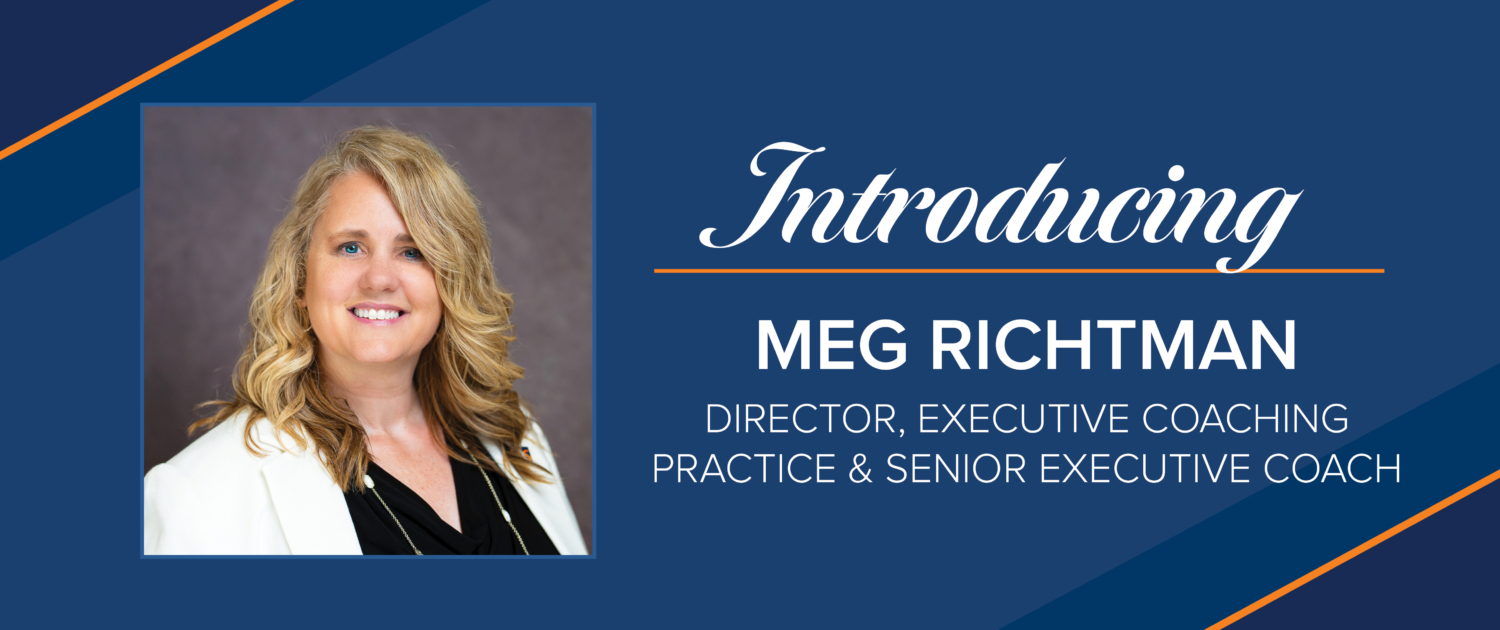 https://www.academicsearch.org/wp-content/uploads/2024/05/Meg-Richtman-Announcement-1200x500-1-scaled.jpg
1066
2560
Academic Search
https://www.academicsearch.org/wp-content/uploads/2026/03/50th-Anniversary-Academic-Search-Horizontal-RGB-1030x314.jpg
Academic Search2024-05-25 13:37:262026-10-05 12:36:48Strengthening Our Executive Coaching Practice with New Director
https://www.academicsearch.org/wp-content/uploads/2024/05/Meg-Richtman-Announcement-1200x500-1-scaled.jpg
1066
2560
Academic Search
https://www.academicsearch.org/wp-content/uploads/2026/03/50th-Anniversary-Academic-Search-Horizontal-RGB-1030x314.jpg
Academic Search2024-05-25 13:37:262026-10-05 12:36:48Strengthening Our Executive Coaching Practice with New Director https://www.academicsearch.org/wp-content/uploads/2024/04/Leaving-the-Presidency-with-Grace-1200x500-1-scaled.jpg
1066
2560
Tara Singer
https://www.academicsearch.org/wp-content/uploads/2026/03/50th-Anniversary-Academic-Search-Horizontal-RGB-1030x314.jpg
Tara Singer2024-04-01 12:33:482026-10-01 15:42:34Leaving the Presidency with Grace
https://www.academicsearch.org/wp-content/uploads/2024/04/Leaving-the-Presidency-with-Grace-1200x500-1-scaled.jpg
1066
2560
Tara Singer
https://www.academicsearch.org/wp-content/uploads/2026/03/50th-Anniversary-Academic-Search-Horizontal-RGB-1030x314.jpg
Tara Singer2024-04-01 12:33:482026-10-01 15:42:34Leaving the Presidency with Grace https://www.academicsearch.org/wp-content/uploads/2024/03/HERS-Executive-Coaching-Circles-2024-1200x500-1-scaled.jpg
1066
2560
Academic Search
https://www.academicsearch.org/wp-content/uploads/2026/03/50th-Anniversary-Academic-Search-Horizontal-RGB-1030x314.jpg
Academic Search2024-03-13 16:59:162026-10-05 12:24:12HERS Executive Coaching Circles: Empowering Women Leaders in Higher Education
https://www.academicsearch.org/wp-content/uploads/2024/03/HERS-Executive-Coaching-Circles-2024-1200x500-1-scaled.jpg
1066
2560
Academic Search
https://www.academicsearch.org/wp-content/uploads/2026/03/50th-Anniversary-Academic-Search-Horizontal-RGB-1030x314.jpg
Academic Search2024-03-13 16:59:162026-10-05 12:24:12HERS Executive Coaching Circles: Empowering Women Leaders in Higher Education https://www.academicsearch.org/wp-content/uploads/2024/02/CV-Tips-Flanagan-1200x500-1-scaled.jpg
1066
2560
Scott Flanagan
https://www.academicsearch.org/wp-content/uploads/2026/03/50th-Anniversary-Academic-Search-Horizontal-RGB-1030x314.jpg
Scott Flanagan2024-02-22 10:01:112026-10-01 14:59:08Crafting Effective Application Materials for Academic Leadership Roles
https://www.academicsearch.org/wp-content/uploads/2024/02/CV-Tips-Flanagan-1200x500-1-scaled.jpg
1066
2560
Scott Flanagan
https://www.academicsearch.org/wp-content/uploads/2026/03/50th-Anniversary-Academic-Search-Horizontal-RGB-1030x314.jpg
Scott Flanagan2024-02-22 10:01:112026-10-01 14:59:08Crafting Effective Application Materials for Academic Leadership Roles https://www.academicsearch.org/wp-content/uploads/2023/09/Hispanic-Heritage-Month-1200x500-1-scaled.jpg
1066
2560
Carlos Medina
https://www.academicsearch.org/wp-content/uploads/2026/03/50th-Anniversary-Academic-Search-Horizontal-RGB-1030x314.jpg
Carlos Medina2023-09-18 08:31:432026-10-01 14:59:17Celebrating Hispanic Heritage Month 2023
https://www.academicsearch.org/wp-content/uploads/2023/09/Hispanic-Heritage-Month-1200x500-1-scaled.jpg
1066
2560
Carlos Medina
https://www.academicsearch.org/wp-content/uploads/2026/03/50th-Anniversary-Academic-Search-Horizontal-RGB-1030x314.jpg
Carlos Medina2023-09-18 08:31:432026-10-01 14:59:17Celebrating Hispanic Heritage Month 2023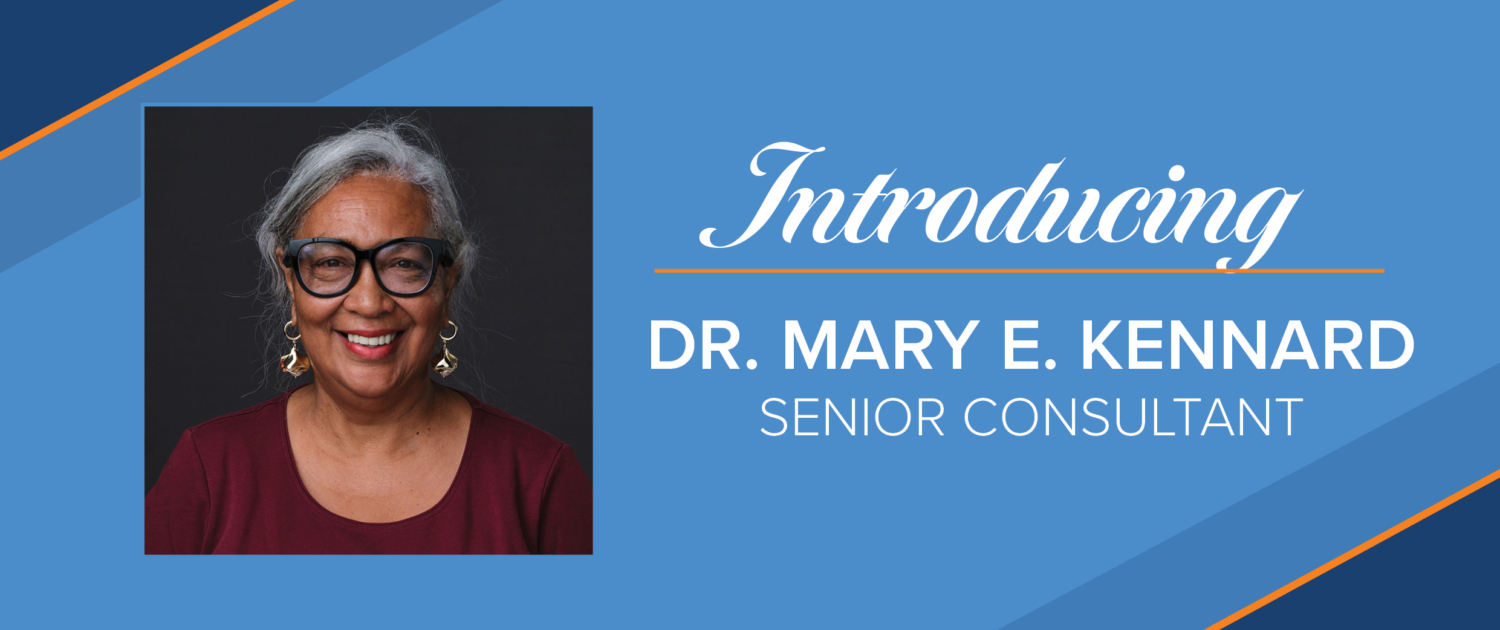 https://www.academicsearch.org/wp-content/uploads/2023/09/Mary-Kennard-Announcement-1200x500-1.jpg
1042
2500
Academic Search
https://www.academicsearch.org/wp-content/uploads/2026/03/50th-Anniversary-Academic-Search-Horizontal-RGB-1030x314.jpg
Academic Search2023-09-14 14:30:472026-10-05 12:24:46Introducing Our Newest Senior Consultant: Dr. Mary E. Kennard
https://www.academicsearch.org/wp-content/uploads/2023/09/Mary-Kennard-Announcement-1200x500-1.jpg
1042
2500
Academic Search
https://www.academicsearch.org/wp-content/uploads/2026/03/50th-Anniversary-Academic-Search-Horizontal-RGB-1030x314.jpg
Academic Search2023-09-14 14:30:472026-10-05 12:24:46Introducing Our Newest Senior Consultant: Dr. Mary E. Kennard https://www.academicsearch.org/wp-content/uploads/2023/08/10-Commandments-for-Boards-Welcoming-New-Leaders-1200x500-2.jpg
1042
2500
Pamela Balch
https://www.academicsearch.org/wp-content/uploads/2026/03/50th-Anniversary-Academic-Search-Horizontal-RGB-1030x314.jpg
Pamela Balch2023-08-23 11:51:112026-10-01 15:39:5610 Commandments for Boards and New Presidents
https://www.academicsearch.org/wp-content/uploads/2023/08/10-Commandments-for-Boards-Welcoming-New-Leaders-1200x500-2.jpg
1042
2500
Pamela Balch
https://www.academicsearch.org/wp-content/uploads/2026/03/50th-Anniversary-Academic-Search-Horizontal-RGB-1030x314.jpg
Pamela Balch2023-08-23 11:51:112026-10-01 15:39:5610 Commandments for Boards and New Presidents https://www.academicsearch.org/wp-content/uploads/2023/07/Bensimon-Associates-Response-1200x500-1.jpg
1042
2500
Carlos Medina
https://www.academicsearch.org/wp-content/uploads/2026/03/50th-Anniversary-Academic-Search-Horizontal-RGB-1030x314.jpg
Carlos Medina2023-07-25 14:46:152026-10-01 15:40:07Ensuring Equity in the Search Process
https://www.academicsearch.org/wp-content/uploads/2023/07/Bensimon-Associates-Response-1200x500-1.jpg
1042
2500
Carlos Medina
https://www.academicsearch.org/wp-content/uploads/2026/03/50th-Anniversary-Academic-Search-Horizontal-RGB-1030x314.jpg
Carlos Medina2023-07-25 14:46:152026-10-01 15:40:07Ensuring Equity in the Search Process