Leaders on Leadership featuring Dr. Shirley Collado, President Emerita of Ithaca College
Dr. Shirley Collado talks with Jay about how her earliest college experience as a member of the inaugural class of Posse scholars shaped her career, her perspective on access, success, and college completion, and her understanding of students’ desires for a sense of belonging and affirmation. She also discusses how aspiring leaders can prepare for the challenges of the future by gaining skills and experiences from across the varied sectors of higher education.
Episode Transcript
Jay Lemons:
Hello, and thank you for listening. I’m Jay Lemons. Welcome to Leaders on Leadership brought to you by Academic Search and the American Academic Leadership Institute. The purpose of our podcast is to share the stories of the people and forces that have shaped leaders in higher education and to learn more about their thoughts on leadership in the academy.
I’m delighted to be joined today by Shirley Collado. Shirley is the current president of Ithaca College, a post she’s held since 2017. She previously served in executive leadership roles at Rutgers University-Newark, Middlebury College and Posse, a not for profit organization and one of the most comprehensive college access programs in the country. She’s the first in her family to achieve a college degree, earning her bachelor’s degree from Vanderbilt University and her master’s and doctoral degrees from Duke.
Shirley is a national thought leader on diversity collaboration, innovation, and she’s been integrally involved in the development and leadership of several major national efforts and consortial activities that promote college access and social justice, as well as faculty diversity and innovation. Shirley’s announced recently that she’ll be leaving Ithaca and is headed early next year to become president and CEO of College Track an organization focused on helping low income and first generation students complete their college education.
It is a real pleasure to welcome you, Shirley, and I look forward to the opportunity to reflect on how College Track in a way brings you back full circle, because if my memory is right, I think you are among the very first beneficiaries of the Posse Program that got its start at Vanderbilt.
Shirley Collado:
That is right, Jay. Thank you for having me. It’s an honor to be here and I’m looking forward to this conversation.
Jay Lemons:
Well, let’s get started. As I said, you’re a first generation student in your own right. The first person in your family to earn a college degree. As I just mentioned, a member of Posse’s inaugural class and as well, further, the first Posse Scholar to receive a doctoral degree and become a college president. Can only imagine how proud that must make Debbie Bial and Alma Patterson.
Shirley Collado:
Yes. Two very special women in my life. But yes, absolutely.
Jay Lemons:
Well, I’d love for you to share some of your story with our listeners and talk about any of those people who’ve had a profound influence on you and have forged the person and the leader that you’ve become as your journey in higher ed unfolded.
Shirley Collado:
Sure, Jay. Thank you for the question. I think origin stories and how leaders in the academy end up doing the work that they do are so important. I tell people often there actually isn’t anything really remarkable about me because if you look at the talent that is around this country in K-12 and public and private institutions among students, there are many first generation college students. There are many students who are not only first in their family to go to college, but are coming from low income backgrounds or in vibrant and diverse communities all over the country.
I had the incredible good fortune of not only being in the inaugural class of Posse scholars, but also growing up in a Dominican family, my parents hail from the beautiful country of Dominican Republic. I am the eldest child and own only girl. Three of us were born and raised in Brooklyn, New York in my neighborhood of Sunset Park. My dad drove a cab in New York City for well over 30 years. And my mom worked in a factory alongside her mother and her sister making baby garments. All the while I was growing up and raising my two brothers. My story really is a Brooklyn girl with incredibly loving parents in a vibrant and socially active around social justice community that had a real sense of belonging. Absolutely I was going to go to college, but like a lot of first generation kids, my family didn’t really know the difference of navigating across systems.
I was going to go to the great City University of New York and my dream school was Brooklyn College. As you know, CUNYs and incredible engine for economic and social mobility and building knowledge in the great city of New York. My plan shifted because I met Debbie Bial. I’ve known her since I was in my teens and ended up getting on a Greyhound bus with four kids, then a pilot program, sight unseen to Nashville, Tennessee, to Vanderbilt my Alma Mater, where I now serve on the board of trust.
I’ll leave you with this as we start, that Greyhound bus ride really has defined my entire career around access and affordability and issues of equity in the academy. It’s largely about who gets to get on that bus in the first place. And when you’re on that bus ride, that is on the journey to college, who’s supporting you along the way. And for me, I had my Posse program and that Greyhound bus ride was five moms and five kids. And that’s how my college journey began. 26 hours to Nashville, Tennessee from New York City, with five mothers entrusting an institution with their kids. Then the rest is pretty much quite the journey. It gets really interesting.
Jay Lemons:
So just out of curiosity, were you going to move in or was this actually a visit to see if it was going to… Was it a recruitment visit or were you sight unseen moving?
Shirley Collado:
Great, great question. Great question. So as you know, Jay, it is actually still a privilege in America to go on college tours. Most students who don’t have the means, who are not willing or do not think it’s possible to go across geographies across states, usually don’t have the luxury. I did not have the luxury.
To be very up front, I come from a traditional Catholic Dominican family. My parents were not going to allow me to go to school beyond New York City. I was going to commute and continue to stock shelves at a local pharmacy where I had worked for years, continue to financially contribute to the family, and continue to support raising my brothers, my two younger brothers. So the thought of going away was unheard of, let alone visiting places beyond my own neighborhood. Because my family needed me and it wasn’t the type of thing that I had ever thought about.
So, believe it or not, we got on a Greyhound bus, five of us with our five mothers. This is an infamous Posse story because most Posse’s now are 10 to 12 students. Back then there were five of us. We were literally trying something out. Under the incredible vision of Debbie Bial. Three of us, myself included, could not afford to fly to Nashville with our moms and have our moms come back home. So we all agreed. And again, this is not a group of friends. These are students who don’t know each other at this point, get on a bus so that all of us could actually go and have our moms accompany us. My mother was with me. I had a suitcase and two boxes. My mother was with me for just under three hours, saw where she was leaving me, and got back on a bus with those four other moms.
And there it was, that’s how the first Posse got started. And I never forget the feeling of what it was like to be in that bus, to not know what was ahead beyond a view book that I had read. I’m going to date myself, Jay. No internet, no cell phone, no email system. I relied on a book that I saw with beautiful pictures of what Vanderbilt University was like. And to me at the time, it was like another universe, another place that I had never imagined going to. So it was a lot of the mixed feelings that I think first generation college students face, especially when they’re going to a completely different part of the country and a different part of their lives.
Jay Lemons:
Absolutely. Well, thank you for clarifying because I suspected that’s what it was and it increases the impact and the power of that story. And yet I do think for many, the college search process has become so much more complicated than in earlier days. But also, I’m loving the notion of having engaged with Posse throughout my own career and have having had Debbie and crew help facilitate a Posse partner retreat that the roots of that, as you said it, we didn’t know each other before we got on this bus for 26 hours with our mothers. That’s in part how you became a cohort, I have no doubt. The benefit of that shared experience over those 26 hours. No doubt all of you, if you were… My own story was I still can’t believe this. I’d never driven on an interstate highway and my parents bid me farewell and I drove on an interstate the 400 miles to go away to college shaking the entire time.
You all were covering greater geography and more time zones… Well, probably similar number of time zones, but greater cultural difference than I was moving west to east across my home state. Is that something that you all built on intentionally because the whole notion as Debbie so eloquently tells the story of someone she was championing and sponsoring who didn’t make it. And well, why? Well, I missed my Posse. Was the bus a part of how you helped think about building the social capital of those cohorts as you began the work, as she began the work at Posse.
Shirley Collado:
Well, I think that’s so well said and I think it’s important to note historically over 30 years ago that bus ride happened. Now the Posse Foundation is an incredible and comprehensive college access program with great success nationally. And as you know, Jay, I got to pay it forward in my career and continued to build and lead the organization. I went back actually leading Posse as Executive Vice President to Debbie Bial and that was one of my greatest joys.
I think like any college initiative or when you think about what works for college students around not only access, but success in college completion and this is certainly on my mind as I think about the extraordinary opportunity to lead College Track. Everyone needs a cohort. Everybody needs a home base and every student wants to flourish and have a sense of belonging. Some students come to that with greater privileges and resources and connections and family histories than others, but at our core as human beings and especially at residential colleges and universities, we’re looking for our people. Yes, the college access process has gotten very complicated, but the bottom line is when you ask students, I’ve learned this as a president, as a Dean, as an EVP, as a faculty member, why they ultimately decided to really be in a place that gets to have the great fortune of students contributing to that place. It’s I could go there and I could find my people. I could see myself there. I took a tour and this student just related to me and made me feel. I went in a classroom and I felt like I could be in that classroom and feel affirmed.
So when we were on that bus ride, it was before Posse had developed a pre-collegiate training program and this incredible dynamic assessment process. So many program components that really came from great research, but also lots of student input. I was there in the day where it was just beginning and we were just learning. And I’m so proud of the fact that my Alma Mater Vanderbilt University, where I ended up serendipitously going to college, and I now serve on the board of trust. Now well over seven years, it’s been amazing. I never imagined sitting in that boardroom. I never imagined getting a PhD in clinical psych from Duke University. Vanderbilt transformed my life. It was no easy road by the way, but it was possible because of a strength based program, an institution that affirmed my identity and took a chance. And since then has proven over and over again, that talent is everywhere. Opportunity is not. And that’s what College Track and certainly my work as president of the Ithaca College, absolutely has been about really addressing those barriers that so many young people face.
And leaders, of course, too. We think about who gets to be in boardrooms and on senior leadership teams and emerging leaders, which I know you work very closely with. That matters to me at my core. So that bus ride for me is not just about what it was like being a student. It’s also been about what it’s like being a person of color in higher ed, being the first of many things, and hoping that there will be many, many people to follow.
Jay Lemons:
Amen. Well, no doubt. Our colleague, Shirley [Pippin 00:15:54] talks about the many firsts in her own life and referentially calls folks who are the first the pioneers. You have been a pioneer. I’m going to skip around a little more than normal. I think that you went right to an interesting sort of place. I’d love for you to talk about advice you have for new leaders or those who aspire to leadership.
Shirley Collado:
Yeah. Yeah. Well, I think it’s important for the listeners to know that although I have had many firsts and I’ve gotten the tremendous opportunity to lead across several sectors of higher ed. I mentioned a national nonprofit, like an ecosystem like Posse, being at private liberal arts colleges like Middlebury and Lafayette, and a regional research public university like Rutgers, while I’m sitting on the board of Vanderbilt University, a global private research university. It’s an amazing place. And then leading Ithaca College, a private comprehensive college in New York state, deeply, deeply rooted in the arts. Why do I mention this? One of the things that I would absolutely say is I didn’t plan this trajectory. I have not been a careerist. There has not been… I often get people ask me, were you planning on being a president? How did you move from this place to that? There’s so interesting and different.
For me, I think great leaders really emerge out of being who they authentically are and following their passions. And so I say to my students all the time, “If you can wake up every day and feel inspired by what you do and lay your head at night feeling very clear that you are doing the best you can in serving a public good. That’s an amazing thing.”
So my first order of advice is really dig deep and find out what you’re passionate about and what kind of environment. Is it a big public institution? Is it a small, private little place? Is it a community college or four year college? Then, break the rules. And Jay, I say that just because I think the other thing that my career trajectory really speaks to, regardless of my educational background which has been incredibly rich at Vanderbilt, and at Duke, and the places that I’ve been able to occupy, I encourage people to work across sectors.
I think the future of higher ed will require presidents, VPs, deans, CFOs, you name it, board members, donors, people who actually understand the complicated landscape of higher ed at its fullest in a deepest way. And it used to be, you could correct me because you’re the expert here, but it used to be that I think people felt that they needed to be in a box of this is where I’m raised and this is where I stay. And now I think some of the most talented people are going from a major research university to a community college. A liberal arts college to a big, big school and in all kinds of ways. I think I’m proof of that and it’s been incredibly dynamic and invigorating. So first be yourself, figure out what you’re passionate about. And then definitely dare to move into spaces that are going to really push you.
Having mentors and people that will look out for you and be your truth tellers and give you really good advice and push you is the other element that for me has been… Since I got on that bus, I’ve had mentors deeply invested in me and they don’t stop. I have them now. I count on them now with some of the most complicated decisions that I’ve had to make in my career.
Jay Lemons:
Well, I love that. And if you will, you in some ways invited some response. Shirley, I so appreciate the points that you made. Earlier, you said people don’t understand the richness and the depth of talent that’s out there. Having lived now in the world of search, I spent my entire career hearing people say, “The talent pipeline is drying up.” I do not see it. There are particular disciplines and specialties where we don’t have enough professionals, but at the presidential level, I see extraordinary pools over and over and over. You’re right about that.
Secondly, I am someone who is also, like you, I’ve never had the privilege of serving in a community college, but I have served in elite public research institutions, I’ve served in regional publics, and I spent about half of my career in selective private environments. That’s not normative and it’s too bad because I do think it enriches our experiences and yet people treat it as if you cannot. You got to be in your sector. I am forever challenging search committees to try and catch themselves from what I would call sector and prestige bias.
There are great leaders in all kinds of different higher educational settings, and frankly, non-higher ed settings with the right gifts and the right stuff to be effective leaders. So thank you for inviting a little bit of commentary because I really do believe that this is something that needs to change.
Finally, I believe this with all of my heart as well. You talked about how important it was as a young person making away from Brooklyn to Vanderbilt to be affirmed. None of us ever outgrow the value and the need of being affirmed-
Shirley Collado:
That’s right.
Jay Lemons:
[crosstalk 00:22:41] point in our life. And I think you’re right to say that our mentors, our relationships may change, but just as good loving parents, mentors also have a way of authentically affirming us and also giving us the tough love when we need it. So I love your advice for new leaders. Tell me what in your mind makes a good leader. Here, let me clarify, as I always do, I don’t mean grade B, I mean good as in virtuous, effective, and ultimately successful in the work that they do and producing results.
Shirley Collado:
Sure, sure. Well I will say this being very humble in that I consider it an enormous privilege to have done what I’ve done in my career. It takes vulnerability. It takes constant learning. It takes tremendous gratitude. Personally, my philosophy and what I’ve adopted as a leader really comes out of a servant leadership model. An earlier point too about advice is when you think about occupying different spaces and doing what you’re passionate about, you need to find a place that also is aligned with who you are and what your values are. And if you’re really fortunate, that happens most of the time. Sometimes you figure out that’s not the case, but for the most part, if you’re looking for that and not just a job and a big title, you can actually have a tremendous impact and do very meaningful things and have fun and have joy in these really hard jobs.
But good leadership for me is people who show up, who are authentic, I think a really important feature of a good leader, a great leader is someone who is a value driven leader who has core values with great conviction that are not negotiated, especially when they’re tested during enormously complicated times like a pandemic. Like the rise of racial polarization in America. Our democracy being called to question. The unapologetic impact of climate change. Just to name a few. These are the things, these are the times that we’re living in. While the entire value and purpose of higher ed is being turned inside out and scrutinized on a daily basis. So that takes someone who is really willing to look deeply inside and reflect, but also a really important feature of that is you have to be confident enough to surround yourself with people who fill your blind spots and tell you the truth, even when you don’t want to hear it.
I think some of the downfalls of some leaders are people who I think sometimes lack the confidence and want to be surrounded by people who are going to say yes and agree all the time. First of all, that’s not interesting, but secondly, it doesn’t allow you to get pushed and to grow, and most importantly, to do right by students. To do what you’re supposed to do for students to have the most consistent and best outcomes to flourish and fully participate in this endeavor of education.
You also have to have good humor. You have to have a hobby. You have to be a real person. A full person. And I think, unfortunately for students, I talk about this with them all the time, because I think people don’t realize, and I certainly have been on public display about this. Real leaders have to be full people with full lives. Having full lives means you have growth spurts and you have hard things that happen in your life and you have joyful things that happen and they’re all integrated. They’re all part of you having the greatest level of impact and having empathy for the people that you serve and the mission that you serve. Good leaders are not these polished, perfect people. They’re people who bring different lenses and that’s really important.
I would just say, lastly, and this is certainly not an exhaustive list, Jay, but I think great leaders are unapologetic about the fierce importance of diversity, equity, and inclusion in the workplace. And I’m incredibly proud of my work at Ithaca college, with my senior leadership team, with my board, really, really doing the work to intentionally create spaces and seats at the table that better reflect the lived experiences of students all over America. And I’m very excited that at College Track, that’s certainly the case and I will be building off of those strengths.
Jay Lemons:
Thank you. I’m going to go in a slightly different direction again. You just mentioned the Ithaca College board and one of the wise things I recall a particularly well-informed commentator, Jeff Selingo, saying a number of years ago as I had him as a guest at Susquehanna University is his observation was that many people overestimate the speed of change in higher education and underestimate the extent of it. Now this was back when the [Mooks 00:28:43] were going to take over and I’d love for you just to reflect a bit on that characterization and whether it still holds up in this period of really accelerating pace of change in higher ed.
Shirley Collado:
I’m a little biased, I’m a huge fan of Jeff Selingo. He happens to be a proud IC alum, the former editor-in-chief of our student paper, the Ithacan, and now we have the great, great fortune of having him on our board. I think Jeff has it right in that message. And that is, so if you think about some of the things that I just mentioned about the pandemic, the multiple pandemics that we have faced for well over a year and a half now, it’s incredible. In times of crisis and sea change like what we’ve been facing, which was a long time coming, although we didn’t imagine that a pandemic would be the thing to really kind of push us forward in a way. I say to leaders in higher ed all the time, “If what we just experienced the last 17 months, doesn’t push us to accelerate and have a certain sense of urgency around what we need to do to innovate and reimagine what we do, and this model, whether it’s the financial model or the way that we’re delivering instruction, if that doesn’t push us, I don’t know will.”
During a time of crisis, you see the most honest version of institutions and organizations. I think that it is hard to hide the true culture of a place and the strongest places have been places that really understand who they are and what they’re about and who they’re serving. And even those places have been challenged. So I think that the experience that we’ve all been enduring has also exposed huge inequities and issues in our sector, but also the need for us to realize the fundamental truth that none of us are going to move through the future of education by ourselves. It’s going to take cross-sector partnerships. It’s going to take really collaborating in real form and something that you said earlier around certain sectors being very traditional and kind of closed in. I think what happened during the pandemic also encouraged work between institutions that aren’t normally situated together or thought of as partners. And I think that’s a necessary part of our future.
Jay Lemons:
Thank you. I want to move us into what I call a lightning round. Shorter questions from me. You can answer at whatever length you want. Who has most influenced you?
Shirley Collado:
Oh, my parents and my maternal grandmother, for sure. Yes. I get my work ethic and my activism. And I do, Jay, you probably know this about me already, but I have thought of myself as an activist, a revolutionary within a very traditional kind of bureaucratic system. And one that hasn’t always been traditionally built for people like me or members of my family. And so my work ethic and core values really, really comes from those three individuals.
Jay Lemons:
Thank you. What book or books have most influenced you?
Shirley Collado:
Oh, well I am married to a poet, A. Van Jordan, who is amazing. I’m a little biased in terms of what he does, but he has a beautiful collection. And the book is titled M-A-C-N-O-L-I-A with a C. M-A-C-N-O-L-I-A. And it’s about the first African American child who got to the final round of the National Spelling Bee. By the way, MacNolia Cox grew up in Akron, Ohio well before Zaila who just won. MacNolia did not get to win. And that story is tragic, but an important one. That book is very inspiring to me on many levels about race and gender in America, but also about how moment in a child’s life can really define who they are.
And then I loved Lani Guinier’s The Tyranny of Meritocracy. It was a joy to participate in that book when she was working on it. I think Scott Page’s work in The Difference really demonstrating empirically the power of diversity in solving really complicated issues. The list goes on and on. But most recently I would say Julia Alvarez, my fellow Dominicana. The first time I saw myself and my experience on the page was with her debut novel, How the García Girls Lost Their Accents. And she just wrote a beautiful book. It’s called Afterlife and I encourage readers to check it out. She’s wonderful. And she’s a Middlebury graduate and really, really love her.
Jay Lemons:
Awesome. Favorite memory of your time at Vanderbilt?
Shirley Collado:
Oh gosh. There’s so many amazing times at Vanderbilt that were challenging and so joyful. I guess one of my most favorites is graduating with my Posse and walking across that stage, after the journey. I told you about my mom getting on that bus. Like many first generation college students, my father, a cab driver who worked six days a week, 14 hour shifts. The first time he stepped foot on Vanderbilt’s campus, again, this is before the internet, no website to look at, was my graduation day. And that was extraordinary.
Several years later, many years later, I won’t date myself. I spoke at Peabody College, the School for Education as a distinguished alumna. And that was incredible. That was incredible to be in a cap and gown again. Not as a trustee, not as a college graduate, but receiving this incredible award for my body of work as an alum of the Vanderbilt community.
Jay Lemons:
No doubt and well deserved. Is there a favorite tradition on one of the campuses that you’ve served or attended that you would hold up?
Shirley Collado:
Oh, there’s such good stuff. Tradition. Well, there’s so many wonderful things, but I would say, so at Middlebury college where I had the great honor of serving as Dean of the college and VP for student affairs. And Middlebury’s been a long time Posse school since the late ’90s, Ron Liebowitz was my boss, the president there, he’s now at Brandis someone I really, really admire. They have a tradition of admitting a Feb class, February entry students, that start in the dead of winter in Vermont. And they finish after a traditional class in May. It’s a very positive thing to be a super senior in their case. They are Febs. They’re in a category of really special students. So think about that about the fact that you can change something and the idea of starting late and finishing later to be a really positive thing.
The tradition of Middlebury, if you’re a Feb and you graduate with the Feb class, is you ski down the Snow Bowl Mountain with your class in cap and gown. And I think it’s one of the few schools that has that tradition and that category of students and I thoroughly loved it. As a Brooklyn girl who was never in a small town like rural Vermont in Middlebury, I just was captivated by, first of all, all the snow. But secondly, that something beautiful and fun could happen in the cold winter with so much joy and students just coming down that mountain was the best thing every year.
Jay Lemons:
I love it. That’s a new one for me. I love it. Hey. You have worked in and around the higher ed space most all of your career. Obviously your training as a clinical psychologist could have taken you into clinical settings and other worlds. Any other forks not taken that you would’ve thought about?
Shirley Collado:
Oh, wow. That is such a great question, Jay. Because there’s always… The secret, and I tell students sometimes I share this secret because it’s really fun. As I say to students, the thing that people don’t realize about college administrators and people who work at organizations like College Track, and the Posse Foundation is we get to be in college for the rest of our lives. Students keep us honest, it’s energetic, it’s youthful energy. With that, to your question, it also gives me such a vibrant environment to constantly learn. To be a lifelong learner. And so I would say as far as turns not taken yet, I have hobbies and things that I want to learn that I just need to create more room for. And so in my secret life, if I had not pursued what I am doing now, I would be an interior designer.
You would notice this a little bit if you were in my office or I like to help people with the design projects. No training by the way. But I would, I love, I hope in my future life, and now in my present life, I can find new time to take a master workshop or do something like that. And I also would love to take up an instrument very seriously. My husband Van plays the trombone and practices regularly, even though he’s a full-time faculty member in an English department. And I really admire that he gets to create that space for something that he loves so much. So dance classes, design classes, all of that. They’re all on my list and I shouldn’t wait too long to do it.
Jay Lemons:
Fabulous. Well, you’re right about that. None of us should. It’s a blink of the eye. Well, one of our traditions here on Leaders on Leadership is we close by asking our guests to a share with our listeners the distinctive qualities, or if you will, the secret sauce or organizational DNA that has been special and brought you to Ithaca and also drew you to answer the call to College Tracks. So reflect on both of those, if you would.
Shirley Collado:
Sure, sure. I think the organizational DNA, when you think about culture, is ultimately about going back to what I said about students and what they have to feel at a visceral level on a college campus. You want to go to a place that really intentionally fosters a sense of belonging, of constant learning. And most importantly, in the belonging, that you get to be your full self. That you get to be your whole person, and you’re not asking people to check their identities at the door. And that was a core value of mine at Ithaca. And I’m so grateful that I got to take that on with my amazing team and board. And when I think of College Track, wow. Thousands of students around the country, first generation college students, low income students. The core identity there is pursuing a life, facilitating a life of opportunity, choice, and power. And most importantly democratizing potential.
And if you’re going to democratize potential, you have to create a space where your staff, the people who are doing the work, the students are going to feel like they can fully be who they are and belong. And so I said earlier talent is everywhere, opportunity is not. And I think at both Ithaca and College Track my dream, and what I’m activated by, is to create the highest level of opportunity for all that talent and to activate a real democracy around developing and democratizing potential. That’s my life’s work. That’s what I get up for everyday. And I’m so grateful that I’ve been able to do that fully as a leader and will continue to do so in these really important spaces.
Jay Lemons:
Shirley Collado, thank you very much for having that passion for democratizing potential, for opening doors, for affirming, for encouraging, and helping countless generations of students across the career that you’ve had thus far and all that lies ahead. It’s been a real happy pleasure for us to have had you here as a guest. And we’re grateful for your insights and wisdom about leadership.
Shirley Collado:
Thank you, Jay. It’s wonderful to be here. Thanks for the opportunity.
Jay Lemons:
Thank you. Listeners, we welcome your suggestions or thoughts for leaders we might feature on upcoming segments. You can send those to leadershippodcast@academicsearch.org. You can find our podcast wherever you get your podcasts and on the Academic Search website. Leaders on Leadership is brought to you by Academic Search and The American Academic Leadership Institute. Together, our mission is to support colleges and universities during times of transition and through leadership development activities that serve current and future generations of leaders in the academy. Again, it’s been a special joy to host Shirley Collado on our show today. Thank you again, Shirley for being with us.
Shirley Collado:
Thanks, Jay.
Listen to More Episodes
Enjoy our content? Join our mailing list.
Share this podcast
Discover More Leading Insights
 https://www.academicsearch.org/wp-content/uploads/2026/09/Leadership-Pipeline-1200x500_02-scaled.jpg
1066
2560
Ashley Hunter
https://www.academicsearch.org/wp-content/uploads/2026/03/50th-Anniversary-Academic-Search-Horizontal-RGB-1030x314.jpg
Ashley Hunter2026-09-15 20:15:112026-09-24 15:15:15Higher Education’s Leadership Pipeline is Stronger Than the Headlines Suggest
https://www.academicsearch.org/wp-content/uploads/2026/09/Leadership-Pipeline-1200x500_02-scaled.jpg
1066
2560
Ashley Hunter
https://www.academicsearch.org/wp-content/uploads/2026/03/50th-Anniversary-Academic-Search-Horizontal-RGB-1030x314.jpg
Ashley Hunter2026-09-15 20:15:112026-09-24 15:15:15Higher Education’s Leadership Pipeline is Stronger Than the Headlines Suggest https://www.academicsearch.org/wp-content/uploads/2025/05/A-Guide-to-Leadership-Renewal-Graphics-1200x500-3-scaled.jpg
1066
2560
Ashley Hunter
https://www.academicsearch.org/wp-content/uploads/2026/03/50th-Anniversary-Academic-Search-Horizontal-RGB-1030x314.jpg
Ashley Hunter2025-05-27 12:23:542026-09-24 15:22:09Leadership Renewal Starts with Intention
https://www.academicsearch.org/wp-content/uploads/2025/05/A-Guide-to-Leadership-Renewal-Graphics-1200x500-3-scaled.jpg
1066
2560
Ashley Hunter
https://www.academicsearch.org/wp-content/uploads/2026/03/50th-Anniversary-Academic-Search-Horizontal-RGB-1030x314.jpg
Ashley Hunter2025-05-27 12:23:542026-09-24 15:22:09Leadership Renewal Starts with Intention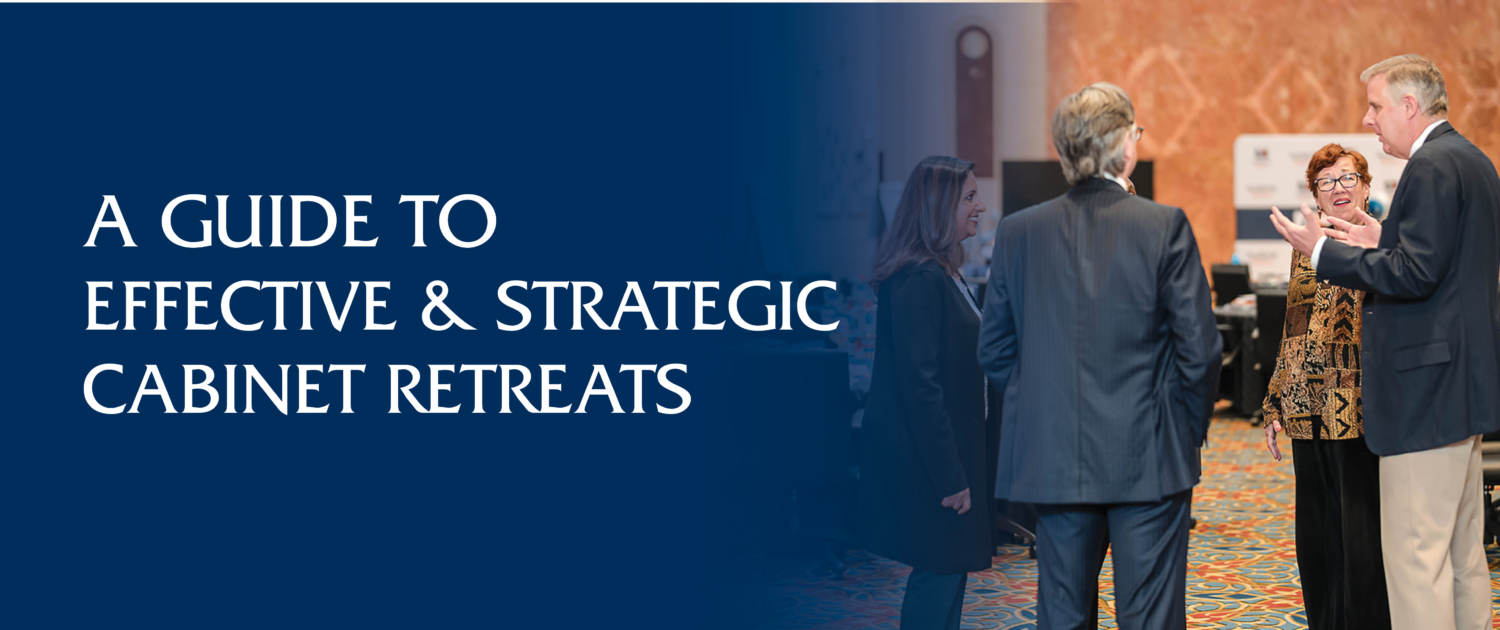 https://www.academicsearch.org/wp-content/uploads/2025/03/A-Guide-to-Cabinet-Retreats-Web-Header-1200x500-1-scaled.jpg
1066
2560
Ashley Hunter
https://www.academicsearch.org/wp-content/uploads/2026/03/50th-Anniversary-Academic-Search-Horizontal-RGB-1030x314.jpg
Ashley Hunter2025-03-14 13:23:212026-09-24 15:24:18A Guide to Effective & Strategic Cabinet Retreats
https://www.academicsearch.org/wp-content/uploads/2025/03/A-Guide-to-Cabinet-Retreats-Web-Header-1200x500-1-scaled.jpg
1066
2560
Ashley Hunter
https://www.academicsearch.org/wp-content/uploads/2026/03/50th-Anniversary-Academic-Search-Horizontal-RGB-1030x314.jpg
Ashley Hunter2025-03-14 13:23:212026-09-24 15:24:18A Guide to Effective & Strategic Cabinet Retreats https://www.academicsearch.org/wp-content/uploads/2024/08/Competencies-for-the-College-Presidency-Graphic-1200x500-1-scaled.jpg
1066
2560
Ashley Hunter
https://www.academicsearch.org/wp-content/uploads/2026/03/50th-Anniversary-Academic-Search-Horizontal-RGB-1030x314.jpg
Ashley Hunter2024-09-15 08:00:052026-09-24 16:36:22Competencies for the College Presidency
https://www.academicsearch.org/wp-content/uploads/2024/08/Competencies-for-the-College-Presidency-Graphic-1200x500-1-scaled.jpg
1066
2560
Ashley Hunter
https://www.academicsearch.org/wp-content/uploads/2026/03/50th-Anniversary-Academic-Search-Horizontal-RGB-1030x314.jpg
Ashley Hunter2024-09-15 08:00:052026-09-24 16:36:22Competencies for the College Presidency https://www.academicsearch.org/wp-content/uploads/2024/08/Rodney-Clark-Deloitte-Study-Response-1200x500-1-scaled.jpg
1066
2560
Ashley Hunter
https://www.academicsearch.org/wp-content/uploads/2026/03/50th-Anniversary-Academic-Search-Horizontal-RGB-1030x314.jpg
Ashley Hunter2024-08-22 08:53:442026-09-24 15:29:48Building Resilient Leadership: Lessons from Deloitte’s Higher Education Trends
https://www.academicsearch.org/wp-content/uploads/2024/08/Rodney-Clark-Deloitte-Study-Response-1200x500-1-scaled.jpg
1066
2560
Ashley Hunter
https://www.academicsearch.org/wp-content/uploads/2026/03/50th-Anniversary-Academic-Search-Horizontal-RGB-1030x314.jpg
Ashley Hunter2024-08-22 08:53:442026-09-24 15:29:48Building Resilient Leadership: Lessons from Deloitte’s Higher Education Trends https://www.academicsearch.org/wp-content/uploads/2024/06/SC-Announcement-June-2024-1200x500-1-scaled.jpg
1066
2560
Ashley Hunter
https://www.academicsearch.org/wp-content/uploads/2026/03/50th-Anniversary-Academic-Search-Horizontal-RGB-1030x314.jpg
Ashley Hunter2024-06-11 15:43:142026-09-24 15:31:06Academic Search Welcomes Mike Maxey and Timothy Mottet as Senior Consultants
https://www.academicsearch.org/wp-content/uploads/2024/06/SC-Announcement-June-2024-1200x500-1-scaled.jpg
1066
2560
Ashley Hunter
https://www.academicsearch.org/wp-content/uploads/2026/03/50th-Anniversary-Academic-Search-Horizontal-RGB-1030x314.jpg
Ashley Hunter2024-06-11 15:43:142026-09-24 15:31:06Academic Search Welcomes Mike Maxey and Timothy Mottet as Senior Consultants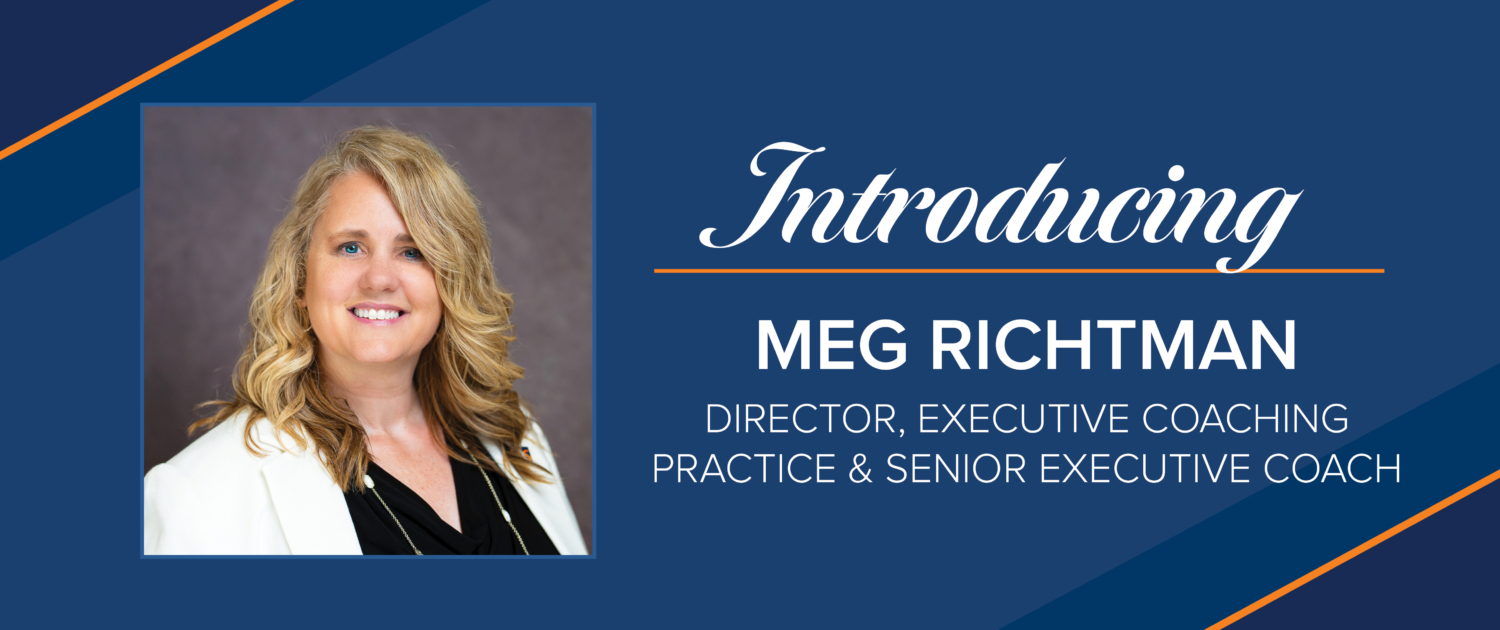 https://www.academicsearch.org/wp-content/uploads/2024/05/Meg-Richtman-Announcement-1200x500-1-scaled.jpg
1066
2560
Ashley Hunter
https://www.academicsearch.org/wp-content/uploads/2026/03/50th-Anniversary-Academic-Search-Horizontal-RGB-1030x314.jpg
Ashley Hunter2024-05-25 13:37:262026-09-24 15:31:22Strengthening Our Executive Coaching Practice with New Director
https://www.academicsearch.org/wp-content/uploads/2024/05/Meg-Richtman-Announcement-1200x500-1-scaled.jpg
1066
2560
Ashley Hunter
https://www.academicsearch.org/wp-content/uploads/2026/03/50th-Anniversary-Academic-Search-Horizontal-RGB-1030x314.jpg
Ashley Hunter2024-05-25 13:37:262026-09-24 15:31:22Strengthening Our Executive Coaching Practice with New Director https://www.academicsearch.org/wp-content/uploads/2024/04/Leaving-the-Presidency-with-Grace-1200x500-1-scaled.jpg
1066
2560
Ashley Hunter
https://www.academicsearch.org/wp-content/uploads/2026/03/50th-Anniversary-Academic-Search-Horizontal-RGB-1030x314.jpg
Ashley Hunter2024-04-01 12:33:482026-09-24 15:31:45Leaving the Presidency with Grace
https://www.academicsearch.org/wp-content/uploads/2024/04/Leaving-the-Presidency-with-Grace-1200x500-1-scaled.jpg
1066
2560
Ashley Hunter
https://www.academicsearch.org/wp-content/uploads/2026/03/50th-Anniversary-Academic-Search-Horizontal-RGB-1030x314.jpg
Ashley Hunter2024-04-01 12:33:482026-09-24 15:31:45Leaving the Presidency with Grace https://www.academicsearch.org/wp-content/uploads/2024/03/HERS-Executive-Coaching-Circles-2024-1200x500-1-scaled.jpg
1066
2560
Ashley Hunter
https://www.academicsearch.org/wp-content/uploads/2026/03/50th-Anniversary-Academic-Search-Horizontal-RGB-1030x314.jpg
Ashley Hunter2024-03-13 16:59:162026-09-24 15:32:46HERS Executive Coaching Circles: Empowering Women Leaders in Higher Education
https://www.academicsearch.org/wp-content/uploads/2024/03/HERS-Executive-Coaching-Circles-2024-1200x500-1-scaled.jpg
1066
2560
Ashley Hunter
https://www.academicsearch.org/wp-content/uploads/2026/03/50th-Anniversary-Academic-Search-Horizontal-RGB-1030x314.jpg
Ashley Hunter2024-03-13 16:59:162026-09-24 15:32:46HERS Executive Coaching Circles: Empowering Women Leaders in Higher Education https://www.academicsearch.org/wp-content/uploads/2024/02/CV-Tips-Flanagan-1200x500-1-scaled.jpg
1066
2560
Ashley Hunter
https://www.academicsearch.org/wp-content/uploads/2026/03/50th-Anniversary-Academic-Search-Horizontal-RGB-1030x314.jpg
Ashley Hunter2024-02-22 10:01:112026-09-24 15:34:15Crafting Effective Application Materials for Academic Leadership Roles
https://www.academicsearch.org/wp-content/uploads/2024/02/CV-Tips-Flanagan-1200x500-1-scaled.jpg
1066
2560
Ashley Hunter
https://www.academicsearch.org/wp-content/uploads/2026/03/50th-Anniversary-Academic-Search-Horizontal-RGB-1030x314.jpg
Ashley Hunter2024-02-22 10:01:112026-09-24 15:34:15Crafting Effective Application Materials for Academic Leadership Roles https://www.academicsearch.org/wp-content/uploads/2023/09/Hispanic-Heritage-Month-1200x500-1-scaled.jpg
1066
2560
Ashley Hunter
https://www.academicsearch.org/wp-content/uploads/2026/03/50th-Anniversary-Academic-Search-Horizontal-RGB-1030x314.jpg
Ashley Hunter2023-09-18 08:31:432026-09-24 15:35:46Celebrating Hispanic Heritage Month 2023
https://www.academicsearch.org/wp-content/uploads/2023/09/Hispanic-Heritage-Month-1200x500-1-scaled.jpg
1066
2560
Ashley Hunter
https://www.academicsearch.org/wp-content/uploads/2026/03/50th-Anniversary-Academic-Search-Horizontal-RGB-1030x314.jpg
Ashley Hunter2023-09-18 08:31:432026-09-24 15:35:46Celebrating Hispanic Heritage Month 2023 https://www.academicsearch.org/wp-content/uploads/2023/09/Mary-Kennard-Announcement-1200x500-1.jpg
1042
2500
Ashley Hunter
https://www.academicsearch.org/wp-content/uploads/2026/03/50th-Anniversary-Academic-Search-Horizontal-RGB-1030x314.jpg
Ashley Hunter2023-09-14 14:30:472026-09-24 15:36:00Introducing Our Newest Senior Consultant: Dr. Mary E. Kennard
https://www.academicsearch.org/wp-content/uploads/2023/09/Mary-Kennard-Announcement-1200x500-1.jpg
1042
2500
Ashley Hunter
https://www.academicsearch.org/wp-content/uploads/2026/03/50th-Anniversary-Academic-Search-Horizontal-RGB-1030x314.jpg
Ashley Hunter2023-09-14 14:30:472026-09-24 15:36:00Introducing Our Newest Senior Consultant: Dr. Mary E. Kennard https://www.academicsearch.org/wp-content/uploads/2023/08/10-Commandments-for-Boards-Welcoming-New-Leaders-1200x500-2.jpg
1042
2500
Ashley Hunter
https://www.academicsearch.org/wp-content/uploads/2026/03/50th-Anniversary-Academic-Search-Horizontal-RGB-1030x314.jpg
Ashley Hunter2023-08-23 11:51:112026-09-24 15:36:4210 Commandments for Boards and New Presidents
https://www.academicsearch.org/wp-content/uploads/2023/08/10-Commandments-for-Boards-Welcoming-New-Leaders-1200x500-2.jpg
1042
2500
Ashley Hunter
https://www.academicsearch.org/wp-content/uploads/2026/03/50th-Anniversary-Academic-Search-Horizontal-RGB-1030x314.jpg
Ashley Hunter2023-08-23 11:51:112026-09-24 15:36:4210 Commandments for Boards and New Presidents https://www.academicsearch.org/wp-content/uploads/2023/07/Bensimon-Associates-Response-1200x500-1.jpg
1042
2500
Ashley Hunter
https://www.academicsearch.org/wp-content/uploads/2026/03/50th-Anniversary-Academic-Search-Horizontal-RGB-1030x314.jpg
Ashley Hunter2023-07-25 14:46:152026-09-24 15:37:23Ensuring Equity in the Search Process
https://www.academicsearch.org/wp-content/uploads/2023/07/Bensimon-Associates-Response-1200x500-1.jpg
1042
2500
Ashley Hunter
https://www.academicsearch.org/wp-content/uploads/2026/03/50th-Anniversary-Academic-Search-Horizontal-RGB-1030x314.jpg
Ashley Hunter2023-07-25 14:46:152026-09-24 15:37:23Ensuring Equity in the Search Process https://www.academicsearch.org/wp-content/uploads/2023/06/AS-Executive-Coaches-Announcement-1200x500-1.jpg
1042
2500
Ashley Hunter
https://www.academicsearch.org/wp-content/uploads/2026/03/50th-Anniversary-Academic-Search-Horizontal-RGB-1030x314.jpg
Ashley Hunter2023-06-27 09:55:062026-09-24 15:37:39Executive Coaching Practice Expands with 7 New Coaches
https://www.academicsearch.org/wp-content/uploads/2023/06/AS-Executive-Coaches-Announcement-1200x500-1.jpg
1042
2500
Ashley Hunter
https://www.academicsearch.org/wp-content/uploads/2026/03/50th-Anniversary-Academic-Search-Horizontal-RGB-1030x314.jpg
Ashley Hunter2023-06-27 09:55:062026-09-24 15:37:39Executive Coaching Practice Expands with 7 New Coaches