Leaders on Leadership featuring Dr. Alisa White, President of Sam Houston State University
Dr. Alisa White, President of Sam Houston State University (SHSU), discusses her experience transitioning to the presidency at SHSU during the height of the pandemic and the importance of virtue, courage, and honesty when building a strong team.
Episode Transcript
Jay Lemons:
Hello, and thank you for listening. I’m Jay Lemons. Welcome to leaders on leadership, brought to you by Academic Search in the American Academic Leadership Institute. The purpose of our podcast is to share the stories of the people and forces that have shaped leaders in higher education and to learn more about their thoughts on leadership in the academy. I’m really delighted to be joined today by Alisa White. Alisa is the president of Sam Houston State University, a post she assumed in August of last year, after having served as president of Austin Peay State University, since 2014. Prior to that, she served in administrative leadership roles at the University of Texas Tyler and at Midwestern State. Alisa is a native Texan and earned her doctoral and master’s degrees from the University of Tennessee in Knoxville, and a bachelor’s from Lee college, which is now Lee university. Welcome Alisa.
Alisa White:
Hi Jay, thank you for having me today.
Jay Lemons:
It’s a pleasure, really grateful for the chance to share some of your experiences. And we’ve had the chance to know each other over a number of years. And I had the great joy of sharing in the facilitation of the search along with my partners, Ann Hasselmo and Jennifer Kooken, that brought you to Sam Houston. A search that got launched and took place almost at the beginning and through the height of the pandemic. And you, in fact, took the helm at Sam, right smack dab in the middle of it all. Boy, it’s been an unusual and incredible year for most institutional leaders. I can only imagine what it must have been like, in the first year of a new presidency. I would love for you to maybe just start a little bit there and reflecting on that most unusual experience and the frame of how you’re thinking about what we all hope, if we can hold the Delta variant off, will be a more normal year as you begin a new school year very soon, at Sam Houston.
Alisa White:
Coming to Sam Houston, really is the honor of my lifetime. And one of the reasons I knew it would be, is because I had visited the campus about a year and a half before the search, the presidential search, as a site reviewer for our regional crediting body, what was then a regional accrediting body. I felt very confident that the internal stakeholders, the faculty, the staff, the administration, would be well prepared to continue to stay the course throughout the pandemic. I knew the president that I was following, Dr. Hoyt, had many years of successful experience as the president. So I knew that I was coming to an institution that was in good shape. I was leaving an institution with a strong leadership team.
So I had to really think about, “Is it okay to leave that institution in the middle of a pandemic as well?” Because I really love that institution and those people, but we have a very strong administrative team here. We had a very strong administrative team there. And so I felt confident that things would move as they should. The challenge I had was being that external president. And it’s only loosened up probably the last maybe three months, since the vaccine has been very widely available.
And so when you think about that excitement of new leadership, you jump in, people invite you to events, they have receptions for you, you have receptions for them, you try to create meaningful real relationships with people who love the university, but people weren’t getting out. They were being very careful. They weren’t holding those events. I wasn’t giving those updates at rotary and Qantas Club and that kind of thing. And so I think the biggest challenge of the start during the pandemic, besides just keeping the doors open, which we were able to do very successfully, was realizing that I wouldn’t have a chance to make those relationships as quickly as I should, under normal conditions to the external stakeholders of the university.
Jay Lemons:
My memory may be wrong about this. You weren’t the only thing brand new to Sam Houston, one year ago in the fall. Obviously there are a whole bunch of new students in Huntsville. But I’m thinking about, “Wasn’t it the year that you welcomed the very first school of medicine students to Sam?”
Alisa White:
Yes. We enrolled 75 brand new medical students, who did a fabulous job by the way. They all completed the year successfully. And this was a time when again, we wanted to show this phenomenal program, this phenomenal building, these phenomenal faculty to the world. And we were not able to do as much as we would like, although we had a very successful accreditation visit and everything is going wonderfully well. And when you think about medical education, you have to take extra precautions, because they can’t do everything just virtually. And so they did a yeoman’s work, really. Operating very successfully, navigating difficult times during the pandemic, but did so and everyone finished successfully.
Jay Lemons:
Wow. Well, I can only imagine, it is not easy to give birth and to start a medical school, to do so with a group of professionals that are being pushed beyond any imaginable capacity in the face of the pandemic. Well done. Alisa, one of the ways I love to begin these interviews is to ask people to reflect a little on their own story, and to share what you would about people, places, events, opportunities that really helped shape you as a person, forged you into the leader that you are, and that helped your journey unfold. So you can go back wherever you’d like to begin that story and I look forward to just hearing more of your own personal story.
Alisa White:
I’ve been really privileged to have worked with strong leaders throughout my career, strong chairs, deans, provosts, and presidents. And they’re all different, different types of institutions, very large institutions, smaller institutions, and different parts of the country. But what they all had in common, is they looked for opportunities to let people in, to let them sit at the table. And so regardless of where I was, in whatever position, even if it was an assistant professor position or graduate coordinator, I had leaders who would invite me to help solve a problem. They would invite me to sit on a committee.
They would give me opportunities to help and people ask me now, “How do you get involved in administration?” I said, “Well, we’ll start solving problems wherever you are, regardless of the job you’re in. And if you can help that department, that unit thrive, someone will notice and you don’t have to push your way up. People will draw you, they will pull you up.” And that happened to me my entire career, from the time I was a chair, and dean, and even at the provost level. And then when I was a provost, and I worked with some very successful presidents, and when I was a dean, I worked with very successful provosts. They saw things in me that I didn’t actually realize where they are. And I try to do that with people I work with. Oh, I see this person has this skill, or this person has this experience. I try to notice, because people noticed me and gave me opportunities when I really wasn’t looking for them. And I have been very, very blessed to have that experience.
Jay Lemons:
So one pivotal moment that really stands out for you? Or maybe put differently. At what point did you feel a tug to being a full-time problem solver?
Alisa White:
When I was a dean, actually, no, I was the department chair at the University of Texas at Tyler, Rick Osborn was my provost. And he had been a provost for nine years at Florida Atlantic, and then I think he was the interim president there for a year. And by the time I got to Tyler, he’d been there a couple of years. He called me one afternoon and invited me to come into the office and he asked me to be the interim dean. And I had only been there a year. And I was surprised because I didn’t know he knew my work that well. Maybe that’s why he invited me because he didn’t know my work, that well or he does. But Rick talked to me about this opportunity, there had been a failed search for the dean who had been promoted. The dean at the time was leaving to be a vice provost.
And I took the job. It was a great opportunity. But about a month later, we were discussing an issue in one of the departments and Rick asked me, he said, “I know you’ve only taken this job for a few weeks. You’ve only been in the seat a few weeks. Would you like me to handle this situation?” And it was a pretty challenging situation. “Or would you like to handle it?” And this man is still very dear to me. I saw him last month, but I said, “Well, Rick, I am not the acting dean, I’m the interim dean. And if I’m the interim, it means a timeframe, not a pretending or pseudo dean. So if I’m the dean, I need to handle it.” And he said, “Yes, you do.” And that really kind of… It just felt right and it just set things in motion.
I had his support, but I knew then, that I could handle what I needed to handle at whatever position I would hold. The other side of that is, I recognized that I didn’t have to have all the answers. Nobody leads in a vacuum. If you’re leading in a vacuum, I bet people aren’t following. And so you may not have the resources yourself or the knowledge or the experience for every question, but usually there’s a great thought partner. And it might be a supervisor, it might be someone in your cabinet or someone in your dean’s council. Someone in your life or in your group, has some experience that can be helpful. And so I learned then also that I might not have an answer, but I can come up with an answer, with my colleagues, and we can buy into what we’re doing together and figure out something that works for the university.
Jay Lemons:
Yeah. Thank you. I am reminded of the wisdom of… At some level, we’re all acting, and at some level we’re all interim, no one is named any of these posts in permanence.
Alisa White:
Absolutely.
Jay Lemons:
And I too had a mentor who said very early on, “You’re in the job, do the job while you’re acting, do the job. Don’t think of yourself as acting, do the job.” So, yeah. Yeah. I want to draw out to 40,000 feet and ask you to talk a little bit about what in your mind makes a good leader. And by good, I don’t mean grade B. I really mean someone who is effective, successful, and at the end of it all, a virtuous leader.
Alisa White:
I think the best leaders are those who recognize the importance of the team. Building a leadership team, getting the right people on the team, communicating very clearly expectations of the team. I learned something a few years ago when I was in Tennessee, our campus there is only 10 minutes from Fort Campbell, and I worked with a lot of military leaders. And I learned the concept of commander’s intent. This idea that actually was probably best exemplified on D-Day, when you had a military activity that didn’t go as expected, but everybody who landed at Normandy knew what the commander’s intent was. They knew what the goal was.
And so even though they didn’t have contact with their supervisors, their leaders, their officers telling them what to do at every step, they knew exactly what was supposed to be the end result. And because of that, they could figure it out, wherever they were, whatever they were doing, whatever circumstances were thrust on them, they knew the commander’s intent. That example has really revolutionized the way I think. Because on one side I don’t want to be directive and say, “Oh, this is exactly what I want to happen.” But I do think, leaders should communicate very transparently the goal. And it might be coming to that goal together, whether it’s retention or graduation rate or increasing diversity or being that steward of place, that we all want to be as an ASCU institution, for instance.
But the point is, we need to own it, be transparent about it, and hire leaders, develop leaders who also understand commander’s intent, and then trust them to get things done. Trust people to have the skill sets, to be able to communicate, to inspire others, to be able to be flexible, and then hire people that you know can work together as a team to find this end result, to make sure that it happens. And so I think good leaders are people who keep things going, keep things moving. I think great leaders are those who build great teams. I’ve never seen a great leader without a great team. And that would be the difference to me.
Jay Lemons:
I’m reminded of the opening session of the, ask your New Presidents Academy last week that we had a chance to share in and that is the president and the presidency. It is far larger than the individual, important as the individual is. And one of those strands is all about the team. Talk a little bit about when you’re creating a team, what it is that you want and look for the leaders who come to shape your presidency.
Alisa White:
You talked a moment ago about being a virtuous leader. And I would say that, when we think about building the team, it’s finding people who are virtuous as well. And I didn’t address it specifically, but to me the virtuous thing, is to know who our loyalties are to, or to whom are we loyal? It’s the institution. There may be decisions that I would love to make that would benefit a person or an office, but I have to be most loyal to the institution. Which means I have to be most loyal to what we expect to happen, which is to get a lot of people degrees, to help them transform their lives and their families.
So I want a team, regardless of whether it’s the person over the business office and facilities or student affairs or academic affairs or athletics, whatever it is, I want every single person in leadership, to be able to act virtuously, to say, “Whatever decisions I’m going to make for my unit, has to be with this result in mind, to protect, to advance opportunities for students.” So that really is the number one. The second is, I really believe you can’t be a great leader without being a courageous leader. And even in my own experience, sometimes I’m more courageous than others. And sometimes I think I’m a better leader, than other times. I wouldn’t say that I would cast any particular person that’s always being graded every circumstance.
But if you don’t have courage, you can’t make the tough decisions that sometimes are required when you’re putting the institution first. I also expect full honesty. It has to be somebody who will tell the truth, be open and transparent and help us build an environment where it’s not a gotcha environment. It’s not trying to find fault, it’s, oh, let’s innovate. Let’s try this. The data shows that this should work. Let’s do that. Oh, it didn’t work. Okay. Well, why? Let’s see what else we can do without having built this environment where people are afraid to make decisions or afraid to innovate. I want a team member who’s creative and who’s innovative, who’s not always covering himself or herself to just make sure there’s no trouble. That doesn’t work anymore. We’ve got to push and be aggressive to move forward.
Jay Lemons:
Yeah. Absolutely. We’re living through a very challenging time. And I would love to hear you reflect on how you size up those challenges of today. And maybe reflect on whether you think it requires new and different skills and abilities than in the past.
Alisa White:
Higher education has definitely changed during my career. I’ve been in higher ed, more than 30 years and absolutely what we’re dealing with now, we weren’t dealing with, even five years ago. I’m not talking about 30 years ago, but five years ago. So I think on the basis of the question, what might need to change or what skills might be needed now that maybe we didn’t have before, I would say that there needs to always be an approach that we can always learn and grow. And so maybe the skill is not knowing a particular software program or a particular social media platform, but that aptitude or that willingness to learn has always been important, regardless of what it is. It might be a new accreditation standard, a new DOE requirement, but there needs to be that same level of commitment to growing.
That said, one of the biggest challenges we have is the exponential change in regulation, expectation, economy, geography, social climate. And I do think, we really need people with either different skill sets, or ability to relate to different generations, I think that’s really important. I also know that there are a lot of people out there who don’t think like me. It’s important that I build this team with people who are not like me, who don’t think like me, who don’t have the experience exactly like mine.
In fact, I’ve got a new person coming, a chief strategy officer next month, the end of the month, who is coming from the military to help us with strategy and strategic planning. And somebody said, “Well, don’t you want somebody with academic background?” And I said, “No, I want someone to challenge us, who can learn to work in our environment, who love students like we love, and not to say what we teach in the classroom, but we need people who have a different perspective. I need younger people around me. I am not a young person anymore. I need persons of color who were different from me, who grew up in different places of the world. And so it’s just critical to get a different perspective, as it is to get a different skill set.
Jay Lemons:
So true. Powerfully so. Too many people, I think stumble by creating their own echo chamber and none of us escape. I think the value of being affirmed, but nor do we ever escape the ability to benefit by learning from others-
Alisa White:
Absolutely.
Jay Lemons:
…may see the world and challenge us. I want to move into what I call a lightning round, short questions, you can take as much time as you’d want to answer any of them. But first one, who’s most influenced you?
Alisa White:
My dad.
Jay Lemons:
Tell us about your dad. Tell us about the influence.
Alisa White:
So my dad is a minister, but he was an executive. And so I saw him go around the country and around the world ministering in a 100 countries. So we had different people in our house all the time from all over of the world. Never knew he was going to spend the night, never knew he was going to be at dinner. He went into China in 1979, when it was just opening, he went into Russia, Cuba when it was not open. And I think that perspective of really loving people who are different and have different experiences, but realizing that we’re all alike. We all want our kids to be well, our parents to be healthy, be able to put on the table and build our communities. He showed me how to be a world citizen. And I will always be grateful for that.
Jay Lemons:
I love that. You still have your father?
Alisa White:
I do. I saw him Friday. Yes, he lives about three hours from here.
Jay Lemons:
I can’t imagine how much pride he must have in his daughter, the college president.
Alisa White:
He is a pretty good advertiser of Sam Houston. He’ll stop you at the grocery store and tell you all about Sam Houston, whether or not you want to listen.
Jay Lemons:
Well, I hope you’ve got him properly wrapping a Bearcat gear.
Alisa White:
Absolutely.
Jay Lemons:
How about a book that’s had a profound influence on you?
Alisa White:
Oh, I’m going to tell on myself. When I worked as the dean and the provost at the University of Texas at Tyler, I would have visits from time to time and meetings with the president, Dr. Rod Mabry. And he always had a stack of books. And I always looked at them, I wanted to know what he was reading because I could tell what he was going to be bringing to the university, if I can stay at least two steps behind him, not too far behind him in what he read. So he never knew. I didn’t tell him that until after I left. But I would look on his desk and I would get those books.
And years ago, I read a book called Multipliers. And it’s not a long book, it’s not an earth shattering concept presented in the book, but it’s on leadership. As a leader, are we multipliers or diminishers? Do we take power away from the people we’ve been trusted to do the work, or do we allow them to thrive? And that book has been resonating in my head for years. Because I will do something sometimes or say something and then I’ll go back and say, “Oh, wow.” I think in that instance, I was a diminisher. And I’ll have to go back and apologize and say, “You have the better way, or you can figure this out. I’ve got to step out.” Because if all the air in the room is sucked out by me when I walk in, I’m a diminisher. And so I think that’s the book that is in my mind the most.
Jay Lemons:
I love it. Multipliers, do you know the… Do you recall the author off head by chance?
Alisa White:
I don’t. I’m so sorry.
Jay Lemons:
It’s okay. Multipliers.
Alisa White:
Multipliers, yeah.
Jay Lemons:
Yeah. And yes-
Alisa White:
It’s a great book.
Jay Lemons:
I have a dear, dear friend who often talks about green dots and red dots, and I added yellow dots in. But green dots are those people who bring energy to every occasion. Red dots are those people who suck the life out of the room. And theory of leadership as that, success is having way more green dots than red dots. And I love it in the yellow dots. And the leader’s job is the multiply and make those yellow dots, green dots and not give up. I’m an incurable educator, sometimes hard for me to give up on red dots, believing that they may well, have the capacity to be green dots, but multipliers, that rings familiar. So I want to hear, how this native Texan ended up going all the way to Lee college, as an undergrad. And then I’d love to hear if you have a fondest memory of your experience at Lee.
Alisa White:
I certainly do. So I actually grew up all over the country. We left Texas when I was five and moved to Montana. And so I was in Billings for four years. And we were in Phoenix for four. And then in West Virginia a couple years. And then Tennessee. So I went to high school in Tennessee and… No, that’s my dad’s calling in right now and that he’s in his regalia, too.
He also was a seminary president at one time. But I lived in Tennessee and went to high school, and Lee was in the city where I lived. But I remember, Dr. Sabord Woods, was so influential to me. He taught English and could read Beowulf in an old English style, that was phenomenal. But my most impactful conversations with Sabord, were on the steps of Walker Hall. And we would go sit out there on steps and just talk about life and talk about challenges. And very rarely, did we talk about course content. It was just another facet of a relationship that was so important to me. And then when I became an educator myself, he and I stayed in touch for many years. In fact, we were in touch until he passed away a couple of years ago.
And I have thought many, many times, about how important he was to me, because he invested in me. And I know a lot of our faculty do that now. They check on students when they’re struggling, they’ll shoot a quick email, on how are you, or what could I do? And I think that relationship, that capacity for faculty to see who’s in their class, can really make a difference, and Sabord saw me. And the other thing that’s interesting, my brother went to the same college. We are completely different, different majors, different personalities, different aptitudes, different attitudes, not only was Sabord my favorite faculty member, he was my brothers too.
Jay Lemons:
Wow. That says a lot. Favorite tradition?
Alisa White:
Oh my gosh. Sam Houston beats… Oh my gosh, Sam Houston State University, has the coolest ring ceremony I have ever seen. And so you may or may not know that Sam Houston, the man, when he left Tennessee to come to Texas, his mother gave him a ring and inscribed the word honor inside. Every class ring that the students buy here, has that word honor, inscribed. We have a very strong ROTC program. And then we have our main campus right across the street from the Sam Houston Memorial museum, which is also owned and operated by the university.
Sam Houston’s house, is on the grounds of the museum site. And so the night before the ring ceremony, the ROTC, takes this big chest of rings and walks it over undercard, puts it in Sam Houston’s house, and the ROTC stands guard over those rings all night long. And then they’re brought to the main campus across the street the next day, put in the auditorium where we have a full arena. It’s actually in the same arena where we have basketball games. It’s typically a full arena where people, families watch their students get their rings in the ring ceremony that night. But it’s an amazing tradition.
Jay Lemons:
I appreciate your sharing that.
Alisa White:
That cool. Yeah.
Jay Lemons:
And it makes me ponder and think about that institution, not so far to the east of you, where a lot of traditions are born. Maybe Sam is head of the Aggies on the ring tradition. That’s really a fabulous a story.
Alisa White:
It’s amazing.
Jay Lemons:
So if you had not chosen the path of higher ed, what else might you have done?
Alisa White:
I think I would’ve been an attorney.
Jay Lemons:
So lots of kinds of attorneys, what kind of attorney might you have been? Besides a brilliant and outstanding one. I’m sure.
Alisa White:
I don’t think I would go into prosecution or criminal defense, although my niece in-law is a criminal defense attorney in Florida and her husband, my nephew is a corporate attorney. And I think that I would be interested in corporate, perhaps family, although I’m not quite sure. But the law fascinates me. And mass communication is my field. I studied and taught mass media law for a number of years, even though I’m not a trained attorney. And the nuances of law are fascinating. And the fact that we have people who enact laws, and then we have judges who interpret laws. I just think the whole system of law is fascinating and I could see myself doing that. And my husband would say, I like to argue. So maybe I would be great in the courtroom. Who knows?
Jay Lemons:
Well, I know you’re a highly effective advocate and that’s important and a good litigator.
Alisa White:
I hope.
Jay Lemons:
As we wrap up and invoking traditions, I really love to provide people the opportunity to talk about, what it is that makes the secret sauce at Sam Houston, such a very special place, and why it drew you back to Texas. Tell us what makes Sam special to you?
Alisa White:
Well, there’s something that you wrote in the profile, that Academic Search helped right in the profile that attracted me to Sam to begin with. And it said something about the can-do attitude. A lot of universities have a similar profile in terms of student. We’re right at 22,000 students now. We have a decent graduation rate, decent retention rates, but I’d like to have them higher of course. About 75% of our students work, nearly 50% are Pell eligible. We have a very robust support from alumni. So we could use those stats and point to a lot of institutions around the country.
But the secret sauce at Sam, is whether it’s a student, a student group, a staff member, a faculty member, an administrator, you show them this challenge. And there is the answer, “Okay, we’ll figure this out.” Very rarely will you hear, “Oh, we don’t do it that way, or that’s not been done before.” I mean, you hear it occasionally but not very often. There is this attitude here that was already here when I got here of, “Okay, we can do that. We can figure that out. We can do it.” And that makes a difference. And as higher ed changes, as the challenges continue to grow, as the value proposition becomes harder to define, we are going to have institutions with a can-do attitude because we don’t even know what’s ahead. But I’m very confident that Sam Houston State University and its campus community can meet those challenges.
Jay Lemons:
Thank you so very much. It’s been a pleasure having president Alisa White, join us on leaders on leadership. We’re glad to have had you and appreciate your sharing your time, your insights, and your wisdom about leadership with our listeners.
Alisa White:
Thank you for the opportunity, Jay. I always enjoy our visits and appreciate the leadership of higher education across our country.
Jay Lemons:
Here, here. Well, it’s always good to be together with you. Wish you well, may it be a much more normal start to the new academic year. And I can only imagine not knowing the strength of community that’s at Sam, that it’s going to be fun and really exhilarating for people to be back on campus fully participating. So every good wish.
Alisa White:
Thank you.
Jay Lemons:
Leaders, we welcome our listeners, excuse me, and leaders, and we welcome your suggestions and thoughts for persons we should feature in upcoming segments. You can send those suggestions to leadershippodcast@academicsearch.org. You can find our podcast on the Academic Search website and anywhere else you find your podcast. Leaders on leadership is brought to you by Academic Search in the American Academic Leadership Institute. Together, our mission is to support colleges and universities during times of transition and through leadership development activities that serve current and future generation of leaders in the academy. Again, it’s been a special joy to host Alisa White, on our show today. Thank you Alisa for joining us.
Listen to More Episodes
Enjoy our content? Join our mailing list.
Share this podcast
Discover More Leading Insights
 https://www.academicsearch.org/wp-content/uploads/2026/09/When-to-Engage-a-Search-Firm-1200x500_02-scaled.jpg
1066
2560
Academic Search
https://www.academicsearch.org/wp-content/uploads/2026/03/50th-Anniversary-Academic-Search-Horizontal-RGB-1030x314.jpg
Academic Search2026-10-20 10:09:142026-10-20 13:51:41When Should Your Institution Engage an Executive Search Firm?
https://www.academicsearch.org/wp-content/uploads/2026/09/When-to-Engage-a-Search-Firm-1200x500_02-scaled.jpg
1066
2560
Academic Search
https://www.academicsearch.org/wp-content/uploads/2026/03/50th-Anniversary-Academic-Search-Horizontal-RGB-1030x314.jpg
Academic Search2026-10-20 10:09:142026-10-20 13:51:41When Should Your Institution Engage an Executive Search Firm? https://www.academicsearch.org/wp-content/uploads/2026/09/Leadership-Pipeline-1200x500_02-scaled.jpg
1066
2560
Jay Lemons
https://www.academicsearch.org/wp-content/uploads/2026/03/50th-Anniversary-Academic-Search-Horizontal-RGB-1030x314.jpg
Jay Lemons2026-09-15 20:15:112026-10-01 15:42:50Higher Education’s Leadership Pipeline is Stronger Than the Headlines Suggest
https://www.academicsearch.org/wp-content/uploads/2026/09/Leadership-Pipeline-1200x500_02-scaled.jpg
1066
2560
Jay Lemons
https://www.academicsearch.org/wp-content/uploads/2026/03/50th-Anniversary-Academic-Search-Horizontal-RGB-1030x314.jpg
Jay Lemons2026-09-15 20:15:112026-10-01 15:42:50Higher Education’s Leadership Pipeline is Stronger Than the Headlines Suggest https://www.academicsearch.org/wp-content/uploads/2025/05/A-Guide-to-Leadership-Renewal-Graphics-1200x500-3-scaled.jpg
1066
2560
Academic Search
https://www.academicsearch.org/wp-content/uploads/2026/03/50th-Anniversary-Academic-Search-Horizontal-RGB-1030x314.jpg
Academic Search2025-05-27 12:23:542026-10-01 14:18:51Leadership Renewal Starts with Intention
https://www.academicsearch.org/wp-content/uploads/2025/05/A-Guide-to-Leadership-Renewal-Graphics-1200x500-3-scaled.jpg
1066
2560
Academic Search
https://www.academicsearch.org/wp-content/uploads/2026/03/50th-Anniversary-Academic-Search-Horizontal-RGB-1030x314.jpg
Academic Search2025-05-27 12:23:542026-10-01 14:18:51Leadership Renewal Starts with Intention https://www.academicsearch.org/wp-content/uploads/2025/03/A-Guide-to-Cabinet-Retreats-Web-Header-1200x500-1-scaled.jpg
1066
2560
Academic Search
https://www.academicsearch.org/wp-content/uploads/2026/03/50th-Anniversary-Academic-Search-Horizontal-RGB-1030x314.jpg
Academic Search2025-03-14 13:23:212026-10-05 12:07:02A Guide to Effective & Strategic Cabinet Retreats
https://www.academicsearch.org/wp-content/uploads/2025/03/A-Guide-to-Cabinet-Retreats-Web-Header-1200x500-1-scaled.jpg
1066
2560
Academic Search
https://www.academicsearch.org/wp-content/uploads/2026/03/50th-Anniversary-Academic-Search-Horizontal-RGB-1030x314.jpg
Academic Search2025-03-14 13:23:212026-10-05 12:07:02A Guide to Effective & Strategic Cabinet Retreats https://www.academicsearch.org/wp-content/uploads/2024/08/Competencies-for-the-College-Presidency-Graphic-1200x500-1-scaled.jpg
1066
2560
Academic Search
https://www.academicsearch.org/wp-content/uploads/2026/03/50th-Anniversary-Academic-Search-Horizontal-RGB-1030x314.jpg
Academic Search2024-09-15 08:00:052026-10-01 14:19:23Competencies for the College Presidency
https://www.academicsearch.org/wp-content/uploads/2024/08/Competencies-for-the-College-Presidency-Graphic-1200x500-1-scaled.jpg
1066
2560
Academic Search
https://www.academicsearch.org/wp-content/uploads/2026/03/50th-Anniversary-Academic-Search-Horizontal-RGB-1030x314.jpg
Academic Search2024-09-15 08:00:052026-10-01 14:19:23Competencies for the College Presidency https://www.academicsearch.org/wp-content/uploads/2024/08/Rodney-Clark-Deloitte-Study-Response-1200x500-1-scaled.jpg
1066
2560
Rodney Clark
https://www.academicsearch.org/wp-content/uploads/2026/03/50th-Anniversary-Academic-Search-Horizontal-RGB-1030x314.jpg
Rodney Clark2024-08-22 08:53:442026-10-01 15:41:11Building Resilient Leadership: Lessons from Deloitte’s Higher Education Trends
https://www.academicsearch.org/wp-content/uploads/2024/08/Rodney-Clark-Deloitte-Study-Response-1200x500-1-scaled.jpg
1066
2560
Rodney Clark
https://www.academicsearch.org/wp-content/uploads/2026/03/50th-Anniversary-Academic-Search-Horizontal-RGB-1030x314.jpg
Rodney Clark2024-08-22 08:53:442026-10-01 15:41:11Building Resilient Leadership: Lessons from Deloitte’s Higher Education Trends https://www.academicsearch.org/wp-content/uploads/2024/06/SC-Announcement-June-2024-1200x500-1-scaled.jpg
1066
2560
Academic Search
https://www.academicsearch.org/wp-content/uploads/2026/03/50th-Anniversary-Academic-Search-Horizontal-RGB-1030x314.jpg
Academic Search2024-06-11 15:43:142026-10-01 14:19:27Academic Search Welcomes Mike Maxey and Timothy Mottet as Senior Consultants
https://www.academicsearch.org/wp-content/uploads/2024/06/SC-Announcement-June-2024-1200x500-1-scaled.jpg
1066
2560
Academic Search
https://www.academicsearch.org/wp-content/uploads/2026/03/50th-Anniversary-Academic-Search-Horizontal-RGB-1030x314.jpg
Academic Search2024-06-11 15:43:142026-10-01 14:19:27Academic Search Welcomes Mike Maxey and Timothy Mottet as Senior Consultants https://www.academicsearch.org/wp-content/uploads/2024/05/Meg-Richtman-Announcement-1200x500-1-scaled.jpg
1066
2560
Academic Search
https://www.academicsearch.org/wp-content/uploads/2026/03/50th-Anniversary-Academic-Search-Horizontal-RGB-1030x314.jpg
Academic Search2024-05-25 13:37:262026-10-05 12:36:48Strengthening Our Executive Coaching Practice with New Director
https://www.academicsearch.org/wp-content/uploads/2024/05/Meg-Richtman-Announcement-1200x500-1-scaled.jpg
1066
2560
Academic Search
https://www.academicsearch.org/wp-content/uploads/2026/03/50th-Anniversary-Academic-Search-Horizontal-RGB-1030x314.jpg
Academic Search2024-05-25 13:37:262026-10-05 12:36:48Strengthening Our Executive Coaching Practice with New Director https://www.academicsearch.org/wp-content/uploads/2024/04/Leaving-the-Presidency-with-Grace-1200x500-1-scaled.jpg
1066
2560
Tara Singer
https://www.academicsearch.org/wp-content/uploads/2026/03/50th-Anniversary-Academic-Search-Horizontal-RGB-1030x314.jpg
Tara Singer2024-04-01 12:33:482026-10-01 15:42:34Leaving the Presidency with Grace
https://www.academicsearch.org/wp-content/uploads/2024/04/Leaving-the-Presidency-with-Grace-1200x500-1-scaled.jpg
1066
2560
Tara Singer
https://www.academicsearch.org/wp-content/uploads/2026/03/50th-Anniversary-Academic-Search-Horizontal-RGB-1030x314.jpg
Tara Singer2024-04-01 12:33:482026-10-01 15:42:34Leaving the Presidency with Grace https://www.academicsearch.org/wp-content/uploads/2024/03/HERS-Executive-Coaching-Circles-2024-1200x500-1-scaled.jpg
1066
2560
Academic Search
https://www.academicsearch.org/wp-content/uploads/2026/03/50th-Anniversary-Academic-Search-Horizontal-RGB-1030x314.jpg
Academic Search2024-03-13 16:59:162026-10-05 12:24:12HERS Executive Coaching Circles: Empowering Women Leaders in Higher Education
https://www.academicsearch.org/wp-content/uploads/2024/03/HERS-Executive-Coaching-Circles-2024-1200x500-1-scaled.jpg
1066
2560
Academic Search
https://www.academicsearch.org/wp-content/uploads/2026/03/50th-Anniversary-Academic-Search-Horizontal-RGB-1030x314.jpg
Academic Search2024-03-13 16:59:162026-10-05 12:24:12HERS Executive Coaching Circles: Empowering Women Leaders in Higher Education https://www.academicsearch.org/wp-content/uploads/2024/02/CV-Tips-Flanagan-1200x500-1-scaled.jpg
1066
2560
Scott Flanagan
https://www.academicsearch.org/wp-content/uploads/2026/03/50th-Anniversary-Academic-Search-Horizontal-RGB-1030x314.jpg
Scott Flanagan2024-02-22 10:01:112026-10-01 14:59:08Crafting Effective Application Materials for Academic Leadership Roles
https://www.academicsearch.org/wp-content/uploads/2024/02/CV-Tips-Flanagan-1200x500-1-scaled.jpg
1066
2560
Scott Flanagan
https://www.academicsearch.org/wp-content/uploads/2026/03/50th-Anniversary-Academic-Search-Horizontal-RGB-1030x314.jpg
Scott Flanagan2024-02-22 10:01:112026-10-01 14:59:08Crafting Effective Application Materials for Academic Leadership Roles https://www.academicsearch.org/wp-content/uploads/2023/09/Hispanic-Heritage-Month-1200x500-1-scaled.jpg
1066
2560
Carlos Medina
https://www.academicsearch.org/wp-content/uploads/2026/03/50th-Anniversary-Academic-Search-Horizontal-RGB-1030x314.jpg
Carlos Medina2023-09-18 08:31:432026-10-01 14:59:17Celebrating Hispanic Heritage Month 2023
https://www.academicsearch.org/wp-content/uploads/2023/09/Hispanic-Heritage-Month-1200x500-1-scaled.jpg
1066
2560
Carlos Medina
https://www.academicsearch.org/wp-content/uploads/2026/03/50th-Anniversary-Academic-Search-Horizontal-RGB-1030x314.jpg
Carlos Medina2023-09-18 08:31:432026-10-01 14:59:17Celebrating Hispanic Heritage Month 2023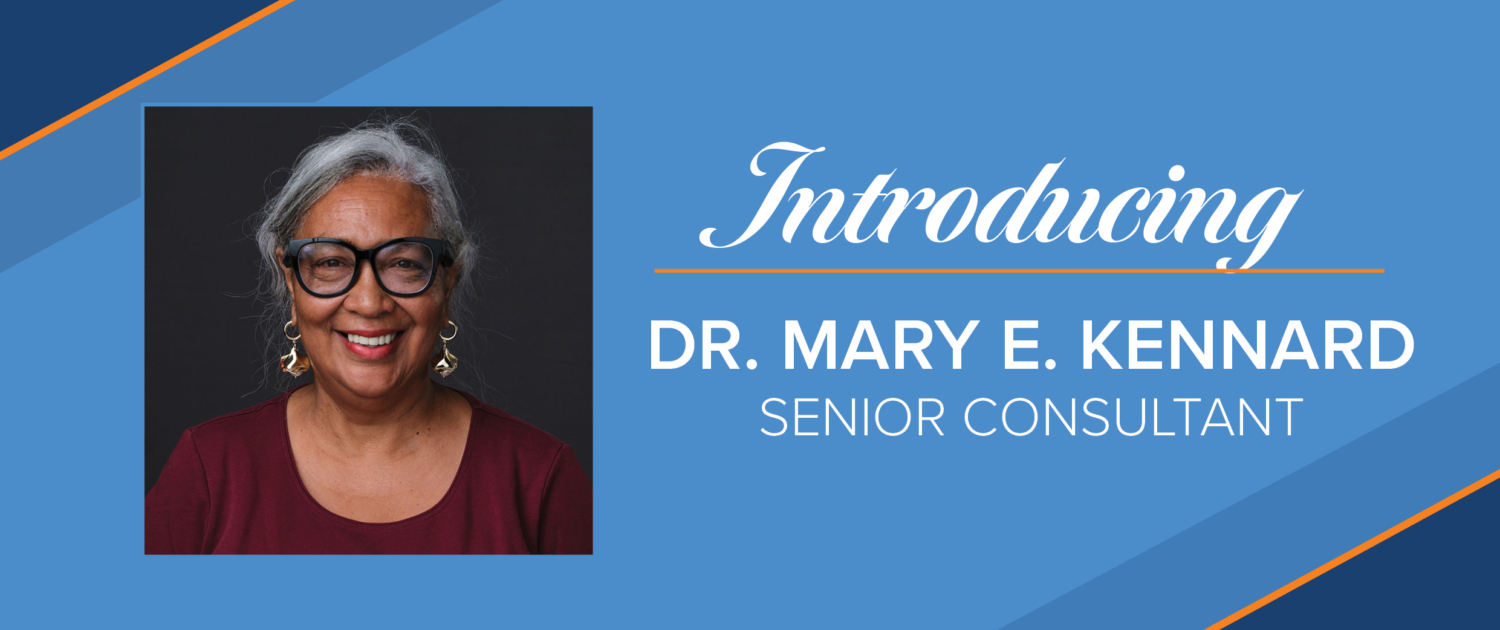 https://www.academicsearch.org/wp-content/uploads/2023/09/Mary-Kennard-Announcement-1200x500-1.jpg
1042
2500
Academic Search
https://www.academicsearch.org/wp-content/uploads/2026/03/50th-Anniversary-Academic-Search-Horizontal-RGB-1030x314.jpg
Academic Search2023-09-14 14:30:472026-10-05 12:24:46Introducing Our Newest Senior Consultant: Dr. Mary E. Kennard
https://www.academicsearch.org/wp-content/uploads/2023/09/Mary-Kennard-Announcement-1200x500-1.jpg
1042
2500
Academic Search
https://www.academicsearch.org/wp-content/uploads/2026/03/50th-Anniversary-Academic-Search-Horizontal-RGB-1030x314.jpg
Academic Search2023-09-14 14:30:472026-10-05 12:24:46Introducing Our Newest Senior Consultant: Dr. Mary E. Kennard https://www.academicsearch.org/wp-content/uploads/2023/08/10-Commandments-for-Boards-Welcoming-New-Leaders-1200x500-2.jpg
1042
2500
Pamela Balch
https://www.academicsearch.org/wp-content/uploads/2026/03/50th-Anniversary-Academic-Search-Horizontal-RGB-1030x314.jpg
Pamela Balch2023-08-23 11:51:112026-10-01 15:39:5610 Commandments for Boards and New Presidents
https://www.academicsearch.org/wp-content/uploads/2023/08/10-Commandments-for-Boards-Welcoming-New-Leaders-1200x500-2.jpg
1042
2500
Pamela Balch
https://www.academicsearch.org/wp-content/uploads/2026/03/50th-Anniversary-Academic-Search-Horizontal-RGB-1030x314.jpg
Pamela Balch2023-08-23 11:51:112026-10-01 15:39:5610 Commandments for Boards and New Presidents https://www.academicsearch.org/wp-content/uploads/2023/07/Bensimon-Associates-Response-1200x500-1.jpg
1042
2500
Carlos Medina
https://www.academicsearch.org/wp-content/uploads/2026/03/50th-Anniversary-Academic-Search-Horizontal-RGB-1030x314.jpg
Carlos Medina2023-07-25 14:46:152026-10-01 15:40:07Ensuring Equity in the Search Process
https://www.academicsearch.org/wp-content/uploads/2023/07/Bensimon-Associates-Response-1200x500-1.jpg
1042
2500
Carlos Medina
https://www.academicsearch.org/wp-content/uploads/2026/03/50th-Anniversary-Academic-Search-Horizontal-RGB-1030x314.jpg
Carlos Medina2023-07-25 14:46:152026-10-01 15:40:07Ensuring Equity in the Search Process