Leaders on Leadership featuring Dr. Sonny Ramaswamy, President of the Northwest Commission on Colleges and Universities
Dr. Sonny Ramaswamy, President of the Northwest Commission on Colleges and Universities (NWCCU), talks about his journey to leadership and how his own experience as a first-generation, low-income student in India has translated to a passion for student success and closing equity gaps, which he has put into action while with NWCCU. He also discusses the importance of mentorship and how good leaders know how to make others shine.
Episode Transcript
Jay Lemons:
Hello, and thank you for listening. I’m Jay Lemons. Welcome to Leaders on Leadership brought to you by Academic Search and the American Academic Leadership Institute. The purpose of our podcast is to share the stories of the people and forces that have shaped leaders in higher education, to learn more about their thoughts on leadership in the academy today.
Really delighted today to be joined by Sonny Ramaswamy. Sonny’s the president of the Northwest Commission on Colleges and Universities, which accredits institutions of higher education in the northwest region of the United States, British Columbia, and other domestic and international geographic areas. Before joining the Northwest Commission, Sonny served for six years as president Barack Obama’s appointee as the director of the National Institute of Food and Agriculture. And prior to that held administrative leadership roles in Oregon State’s College of Agricultural Sciences, Purdue’s agricultural research programs, and he’s an entomologist from Kansas State University. He’s widely published, an award-winning teacher and scholar, including having been named a fellow of the American Association for the Advancement of Science. He holds a bachelor’s and master’s degree from the University of Agricultural Sciences in Bangalore, India, and a doctorate in Entomology from Rutgers.
I had the pleasure of getting to know you, Sonny, through the search that brought you to the Northwest Commission. And what a joy it’s been for me to watch you guide these 156 institutions from eight states in the Pacific Northwest during such an incredible time of change in higher education. Let me just say welcome, Sonny.
Sonny Ramaswamy:
Thank you so much, Jay. I appreciate your having me here and I’m looking forward to having this conversation with you.
Jay Lemons:
Me as well. One of the goals, Sonny, for our program, is to really ask and probe and push leaders to reflect a bit and to consider their own pathways to leadership with a hope that others are going to be lifted up and inspired. And Sonny, you have a story. I know you have a story. And I hope you’ll share whatever of it you would like with our listeners about the events, the people, the opportunities that really shaped and forged you in to the leader who I would expect has had a career that you could never have imagined having unfolded.
Sonny Ramaswamy:
Wow. What a fantastic question. And thinking about the question that you just asked and where I come from and where I am today, who’d a thunk it. It’s crazy. And in your intro, you said that I had received my bachelor’s and master’s degrees in Bangalore, India, so that should tell your listeners that I… And even the name Ramaswamy, it’s a south Indian name, born and raised in India. I was born in Hyderabad, India and raised in Bangalore. Bangalore is a place that many of your listeners probably know of, or have interacted, if they have called for some pro problems with the bank or making a reservation for a hotel or an airline or whatever, that have probably spoken to some young person that is out there in Bangalore. And that’s where I grew up.
And my mom raised us four boys, as a single parent. My dad had had only a high schooled education. And like a lot of people amongst your listeners and their parents as well, of that generation particularly, in the passport out of poverty, the passport out of whatever life they had was joining the military. And so my dad did the same thing. And so he got out and he met my mother when she 15 and she had only had an eighth grade education when she got married. And my dad died when my mother was only 32 and my father died in a fire accident. He saved a man in a fire in our home. And he himself died, but the man that he saved lived to be about 80 plus years old or whatever.
So my mother was left with four boys, eighth grade education, with no money at all. We got a little bit of some “pension”. But it was really back in the early 1960s, 1962 to be exact. I was about nine plus. And my eldest brother was about 15. And my mother with her eighth grade education, she worked three different jobs and she would sometimes go barefoot if need be so she could put shoes on our feet. And she insisted education was going to be the passport for us. Education, education, education. So she sent us to Jesuit schools. So my brothers and I studied that Jesuit schools in Bangalore. And as you may know, Jay, the Jesuits have an outstanding record of educating and healthcare and such other areas as well.
So we got that foundational education and I think in many ways who I am today. And my mother is my hero. I’ve got a few other heroes and my mother is absolutely my hero because she did these things. And her admonition to us was: maintain your integrity, don’t lie, and make a difference, and be held accountable. Making the difference was very important for her. And that’s what she did. She made a difference.
And then later on, I was privileged, I finished high school and got into the agricultural college in Bangalore, courtesy of the United States of America. India was a basket case at that time and couldn’t feed itself. So America, the United States Agency for International Development called upon land grant universities in America, like Ohio State University, Kansas State University, University of Tennessee, et cetera, to go to India to help build land grant colleges, not unlike what we have here in the states. So I studied at one of those institutions with the tripartite mission of research, extension, and teaching. And so students that studied there got that exposure of all three areas. It was literally hands on learning is what it was that we got.
And thanks in large… So my university was adopted by the University of Tennessee, by the way. There are others that were adopted by Kansas State and Ohio State and Michigan State and others too. Got my education there. But the other thing that happened too, for me is sort of seared in my brain is I was about a boy of like 10 or 11, we’re very poor. And so occasionally would hear my grandmother, she stayed with us, she’d take care of us when my mother went to work these three different jobs, sewing and teaching people how to do jams and jellies and baking. And she had no other things, but those. She worked at a voc-tech school and taught at home as well.
So my grandma somehow through the grapevine would here that America has sent extra sugar, extra powdered milk, extra rice or whatever. And I was a little boy, I’d go stand in line with the little bags and things like that. And I’ve seen these burlap bags and containers with the handshake and the shield with the stars and stripes on it. And that thing is burned in my brain. I could tell you that. And I had no clue what that was, but I knew that there was something to do with people helping or whatever, I didn’t even know that I don’t think. So America fed me.
And the third thing that happened was one Norman Borlaug happened. And that name may not ring a bell to most people, but some of your listeners may know it, particularly ones at land grant universities. Norman Borlaug is said to have a billion people, including yours truly. Because India, again, couldn’t feed itself. Norman Borlaug research helped set the stage. I kid you not, India went from a basket case unable to feed itself to a net exporter grain by 1973.
Jay Lemons:
Wow.
Sonny Ramaswamy:
In some measure, the result of Norm’s as well as other Indian scientists that stepped up. And I had the privilege of meeting him as a sophomore in college. I thought another white guy running around, tall, skinny, white guy running around. There’s a lot of tall white guys running around in those days in India trying to help India. And only in the following year I learned he had received a Nobel Prize. So he’s another of my heroes, Norm Borlaug. He is a hunger fighter. And so I said, at that time, I wanted to be a hunger fighter as well.
And so then, long story short, I got “recruited” to come to America to get my PhD. And then I got talked into staying put in America. And so I’ve had a number of people, and of course I read a lot of books and interact…
It’s not so much the books. It was literally the hands of on learning that I received, the hand holding that I received. Barack Obama talked about how a few years ago that it’s not I who invented or I who created or whatever. We walk on the shoulders of others that created these things and we’re only making it better. Every one of us is an example of that. And I’m truly one of those examples of somebody that’s been privileged to have had those sorts of opportunities. And then, like they say, the rest is history. And I ended up getting a phone call saying, this is from the White House. And I’m going to say this this way, you can edit this out. They said, “This is from the White House.” And I said, “You got to be shitting me.” Because who gets a call from the White House? And so-
Jay Lemons:
At least you keep the food theme running through that metaphor.
Sonny Ramaswamy:
Right. Right. Right. So in any case, I was privileged. And like I say, who would’ve thunk it. I was a poor skinny little boy and then suddenly to be able to go to the White House and meet with the president, with the first lady. We were invited many times and go to the White House for various meetings. And having that global impact, talking about hunger fighter and paying forward and things like that. My mother is a hero. Norm Borlaug is another hero. Martin Luther King is another one that has been a hero for me, as also Mahatma Gandhi. But Norm Borlaug, particularly from a food perspective, education perspective, and the idea that my mother articulated education’s really important. That’s going to get you out of this morass of poverty. It did. All four of us brothers have had wonderful careers and thanks in large measure to that education.
Jay Lemons:
Sonny, thank you so much for sharing. I had the privilege of knowing and hearing some of that story and knowing of the presence of your mother, but I cannot help but think that it’s a story that it needs to be as widely told as it can be. And yet it’s also really deeply personal. And so thank you for the gift of sharing it.
Sonny Ramaswamy:
Thank you.
Jay Lemons:
I want to pick up and I think that there are going to be some themes that are going to ring through a lot of what I’d like to probe today. But I’m mindful of the most recent Commission newsletter called The Beacon, real focus around equity and inclusion, including your letter, and talking about accreditation standards and what and how we can think about closing the gaps that we continue to have, not only in access but in success. And I’d love for you to talk a little bit more about the work that you and your colleagues in the Northwest are doing in this area.
Sonny Ramaswamy:
Yeah. Wow. So, as you know, Jay, since you were involved in recruiting me to this place. We were given the rap, I should say, by everybody outside that we were just a pedantic, has-been, wheeled our stick, and threatened people and things like that. And I’m not saying anything out of turn here. That’s the reputation we had. And I think in general, as you know, accreditation has been given a bad rap, that we don’t hold institutions accountable and things like, that we need to be terminated. In fact, there’s one president of an institution. You read that article, I’m certain, in the Chronicle of Higher Education here about a year, a year and a half ago, he said that accreditors are devil incarnate. I think you may have read that. And that’s the reputation.
Also, higher education has had a reputation that it is for the privileged few. It’s for that old boys club. And it’s still there. You look at our it professoriate, you look at the makeup of our institutions and things like that, you still see that sort of a country club. And in fact, higher education, I’m part of it. We’ve also been accused of having the plantation mentality. This is the conversation that we’ve had.
And so I came on board and I’ve had this, because of my own background, which is what is reflected in many, many young people… Students today. I shouldn’t say young people only… students today coming to college, is often they are the child or a foreigner themselves, like me. I’ve kept a joke that I’m an FOB, fresh off the boat. And then along with that, you’ve got first time college attendee. And I meet that criterion. Come from a poor background. I meet that criterion. Child of a single parent. I meet that criteria, et cetera.
And so I’ve always had this idea, something to do about the lesser of our family of humans that we got to do something. I’ve invoked many times, in fact, in that article that you referenced in the beacon, our newsletter, it’s not just a Christian ethos but an ethos in Buddhism and Hinduism and Judaism and all that too, which is I’m my brother’s keeper. What’s incumbent on us as educators? To protect the interests of the less fortunate amongst us. It’s not one of giving as much as how can we support to bring them. So that’s been part of my own upbringing, of my own ethos, my own opportunities that I was afforded by a whole bunch of people that I referred to earlier.
And so I come on the scene just about the right time. And right about that time, we had to go through changing our standards, reviewing and revising, per US Department of Education requirements and things like that. And we launched immediately. I mean, literally I came on board July one of three years ago, 2018. And two weeks later I was on the road listening around the region and around America, what should we do about higher education, about accreditation and things like? How do we do what we need to do? Through all that, we reviewed and revised our standards. And the focus rather than students being an afterthought; number one, students, number two compliance and all that. We flipped it on its head. And so it’s student success and closing equity gaps.
And I went around speaking to… I co-opted Bill Clinton’s famous statement from the 1992 election. And I said, “It’s the students, stupid.” And that’s where it’s supposed to be. It’s not just about access, but we got to figure out ways to do the mentoring and the advising and the handholding, and making sure that they have the resources and other support that they need as well.
And then there are a number of institutions that are doing it today. Georgia Tech is an outstanding example of the approach that they’ve used, as you’ve seen. So we incorporated that just about that same to time. We went through 99.2% of our institutions, member institutions, voted to approve those standards. They all bought into the idea that it is about the students, stupid. It is about equity, watering the idea we got to get that going. And right about that time the Gates Foundation comes along and they advertise that they’re looking for ideas to, what’s referred to as intermediaries for scale, ie to transform institutions from where they’re at, where you have across America, one out of two students drops out for the general population. And only one out of three students of color make it through. There’s something bad wrong with that image, with that picture.
So that’s been the impetus and that’s how we got started. And then we’re offering a lot of training and education. We’ve brought to bear a lot of resources from around America to our… Now, today we have a 163 institutions, by the way.
Jay Lemons:
You’ve grown.
Sonny Ramaswamy:
And because they hear that we’re doing good things. And by the way, we’re the innovators, rather than being the [inaudible 00:18:09] and pedantic and hold a stick and beat the crap out of you. In fact, when the Gates Foundation said they were interested in talking to us as accreditors because we have the stick. I said, ah-ah, we use the carrot in our approach, because the carrot has a lot more effect than the stick does. Everybody knows I got the stick in my back pocket, but we’ll use the carrot.
And so now we’re well on our way and the Gates Foundation money that we received, it will allow us to fast track our ability to get… We’re creating the infrastructure. It’s all data and evidence driven, informed, I should say, not just hand waving, et cetera, et cetera. And we’re focused on what we refer to as inculcating in students’ core competencies. This goes back to Jim Hechnan’s wonderful Nobel laureate. Jim Hechnan, H-E-C-H-N-A-N. Some of your listeners may have heard of him. He’s an economist. And his work has shown that these critical, these soft skills that we refer to are really important. So we’ve incorporated that into our standards and things like that.
So that’s what we’re doing. And I’m really excited. I think already we’re seeing signs in our tribal colleges and our institu… We have 39 institutions that sort of work with students from underserved communities. There’s this sort of an interesting dynamic that is coming up that we’re bringing all these resources to support them. Now, our role is to support. Our role is not to go and beat up. It’s not a top down, it’s a bottom up. And so going back to, so the focus is on success, success, success. That’s what it is.
Jay Lemons:
I love it. And thank you. I am mindful because I heard you speak about it many years ago now, the intersections in your life that have brought you into relationship with our wonderful tribal colleges serving our indigenous populations. And as I hear you talk today, that just the points of connectivity and common cause that you bring as a person and your own background, boy, that just all adds to the wholeness of the picture. And bless you for doing that.
Sonny Ramaswamy:
Thank you.
Jay Lemons:
I want to turn to maybe some leadership questions, the next two or three. I’m going to bounce around a little bit on us today. But I like to ask people to tell us what in your mind makes someone a good leader. And I always qualify it by saying, I’m not talking about grade B, I’m talking about good in terms of virtuous and effective and ultimately successful.
Sonny Ramaswamy:
Yeah. What a wonderful question. I do a lot of mentoring, have been doing for a very long time from students in high schools and grade schools, all the way to presidents of universities and provosts and deans and others as well. And across the world, not just here in the United States, but across the globe. And I say one of the greatest qualities that I’ve seen in great leaders and I aspire to that all the time is to live vicariously through the efforts of others. You celebrate the efforts of others. You play the advocate. You play the cheerleader. You play the person that’s behind, not in front saying, yeah, I’m the man. Remember when Ronald Reagan died and his secretary said… Oh gosh, blanked on his name. He stood there, I’m the man in charge. He went off and probably got shot.
Jay Lemons:
Alexander Haig
Sonny Ramaswamy:
Craig. What was his name?
Jay Lemons:
Alexander Haig.
Sonny Ramaswamy:
Haig. Haig. Alexander Haig. That’s not the type of leadership.So one is to recognize what people do and support them so they achieve greatness, and then you are gratified. And to me, that’s an important criterion. I’ve been privileged. I’ve had phenomenal mentors over the years. And every one of those individuals has always been of that sort of an approach. That’s something that’s a really important characteristic that you got to have. The other characteristic that you’ve got to have is, in part it is, the ability to take something that’s very complex. And taking that and being able to create sort of that… We know we talk about this shared vision, this buy-in that you got to have and things like that. And great leaders are able to do that. They’re able to take something that’s very complex and sort of distill it to the essence of if we were to do thus and such, we’re going to be here. And everybody says, “Wow, that’s inspiring. That’s fantastic.”
Talk about inspiring. That’s another characteristic of an individual, is somebody that inspires. And if an individual goes in and says, “This is all about me. I’m the one, I’m the leader. I’m going to tell you how to do it. And you better do it,” it’s not going to work. And my own upbringing, as I saw people, many of the folks, they said that it is… But I share that all the time with people that I mentor as well… Lead by asking leading questions. If you tell somebody you will do it, they may do it. And they may complain and they may do it. They may do sort of maybe even a lousy job of it and things like that because they don’t like to be told. Just like children.
Leadership is like being a good parent, by the way. That’s exactly what it is, being like a good parent. If you ever tell any child don’t do it or do it, they’re going to rebel. Then I don’t like it. But if you say, “Hey, buddy, how about this,” you got them bought into the idea. So leading by asking leading questions is a wonderful thing that I’ve seen. It worked with my mentors and it worked with me as well. And I practice it every day, is leaders that go around giving [inaudible 00:24:38] and [inaudible 00:24:39] and things like that, may get to a certain point, but they’re forgotten once they’re gone. People are waiting for them to leave and they’re forgotten immediately. But people that actually do the kind of thing where they celebrate, they support, they make other people shine, those are the ones that leave behind that legacy of that knowledge, that remembrance of that memory of that individual.
Jay Lemons:
Boy, there’s a lot of places I’d like to go there. And I think I can’t resist on at least one of them. Living vicariously through others, what a wonderful way to think about leadership. Because who among us ever gets anything done on our own? It is only working with and through others that we’re able to move.
But I also want to go to this, great leaders have, good leaders have that ability to get to the essence and it makes me think back to your comments about the beginning of your educational career being under the influence of the Jesuits. And so, those elements of the Jesuit identity, including cura personalis, the wholeness of life, and this is one of those things I’ve so admired about Jesuit higher education, seems to have a wonderfully understood charisma or essence that has helped make those institutions successful.
Sonny Ramaswamy:
Yep. And if I may real quick, talking about Jesuit, excuse me, one of the things that they focused on was really soft skills. And this is before soft skills were sexy, way before then. They did. They’ve been doing it for a long time. And they understood that communication skills and critical thinking skills and problem solving skills and working in a team environment and things like that is what gets you ahead. And putting others ahead of your own self; and the Jesuits are phenomenally well known for that too. And the other thing is… So, in any case, I could go on and on about Jesuit education and how fantastic it’s been, not only in my life but in a lot of other people’s lives that I know personally as well.
Jay Lemons:
Sonny, when you’re creating or building a team, what is it you look for in the leaders that you surround yourself with? What do you expect of them?
Sonny Ramaswamy:
A few things, one is that they have that sense that you’re not doing it for the glory that you’re going to get. You’re doing it for the wellbeing of the organization off that enterprise, off that effort, off the public at large, et cetera. That’s what I look for. It’s that altruistic aspect, who we are as humans. That’s what it is. I’m looking for that sort of an approach.
And every one of my interactions over the last many decades, whether I was running my own lab as a scientist and having students and postdocs in my lab, and I saw the differences in how these students did their work and things like that. Or as I went on in higher administration, now in the government and here as an accreditor and all that, I see people that are really, really successful, do things, come in with that sort of an a priori approach that it’s not an expectation, what am I going to get out of it? I’m going to do everything I can. And if I get something out of it, that’s fantastic. If I don’t, fantastic. It really doesn’t matter. And so that’s, I think for me, the most important part of bringing people together in a team.
And, along with that, of course, is going back to this whole idea about individuals feeling like they’re doing all these things, again, along the same theme for the betterment of somebody that needs that sort of support and help.
Education. I think you’ve heard me say this before Jay, maybe, or not. I’ve written about this, and I’ve spoken about this. We as educators, you and me… And in my case, of course also say in my former life, as a food guy… we have the opportunity to address the human condition. There’s no other endeavor that you can do that in. Education, getting us out of the morass of poverty and things like that. Food is fundamental to our very existence.
And when we think about it from that perspective, leaders that are inspired to address the human condition, they say, “Yeah, that’s what it’s all about. I want to do something like that.” And you can see the… I mean, you and I have taught students, very young students on up to older students, and you see that proverbial, light bulb going off, and you see that in the leaders as well. And then when you don’t see that light bulb going off in that leader’s eyes, or that person’s eyes, you know that this is not going to go too far with that particular individual. So you start making alternative plans as to what’s going to happen because you want to make sure that whatever it is that enterprise requires this team of individuals to do is going to make the progress that it can.
Jay Lemons:
Yeah. Yeah, absolutely. We win as many as we can. We don’t always win them all that’s for sure. Let’s move into what I like to call little bit of a lightning round. You can provide answers as long as you want. And the first one I’m going to throw at you is, who’s been the most profound influence on you professionally?
Sonny Ramaswamy:
Professionally.
Jay Lemons:
Maybe it’s Norm Borlaug. I don’t know. So I’m not clear whether he was someone you admired in the same way that you admired Gandhi or Martin Luther King, or someone who had a direct influence on you.
Sonny Ramaswamy:
Yeah. Well, Martin Luther King and Gandhi, their influence on me was more in a sort of philosophical plane. Norm’s, Norm Borlaug, I know him personally, by the way. I got to know him later on. So Borlaug had an influence on me at a practical level. So one is at a mental level and the other one’s at a practical level. So as a scientist, that’s what I am. I approach everything as a scientist. I’m very analytical. I look at data, I look at evidence and things like that, and I make decisions.
And so Norm was, from that perspective, not only my hero, but was truly instrumental. Going back to this term about addressing the human condition, there’s a guy that addressed the human condition of a billion people that were going hungry and dying, either [crosstalk 00:32:08] I’ve had the privilege of, not at that level, but doing something like that. And NIFA, the National Institute of Food and Agriculture that I was the head of for President Obama, had this global impact. And I could go on and on about all the wonderful things that are happening even now, literally as we speak, whether it’s about droughts or about climate change or about obesity or whatever else that we’ve got going. So from a very practical level, he was very, very instrumental in who I am today.
And of course, I like to say that what you’re looking at right now is the sum total of my genetics and all of the experiences that I’ve had. That’s what it is. It’s the sum total of it. Those experiences that I’ve had… I’ve been amazingly privileged to have interacted with, met, talked to, being mentored by, and all that, by some amazing people. So one of those individuals is a fellow named Wendell Roelofs who is a scientist, entomologist. And he mentored me years ago and continues to even now.
And the other one, from a leadership perspective, I dare say, and you know this fellow quite well I think, his name is Mark Johnson. And Mark got me on this sort of path of academic administration. He hired me in my first academic administrative role as the head of the entomology department at Kansas State University. And then he just literally retired as the president of University of Nevada Reno. And I think you know this, he had a little bit to do with my being contacted by you and the others with your firm as well.
And so he is another [inaudible 00:34:06] so those are two individuals. One is a scientist and one as an administrator. And Mark did everything as an administrator. He had profound influence on things in Kansas when he was the Dean of the College of Ag there; he did in Colorado, he did in Nevada as well, but he did it with humility and humanity. And that was really, really important. You got to have that humility and that humanity. You don’t go in there saying, “I’m the boss. You do what I’m going to tell you to do.”
Jay Lemons:
A great human being. [inaudible 00:34:43] really happy for him. I think, if I’m remembering right, he might be relocating to the little apple, back to the Manhattan in his retirement.
Sonny Ramaswamy:
In the process of.
Jay Lemons:
Yeah. Wonderful. Sonny, is there a book that’s had the most influence on you?
Sonny Ramaswamy:
Well, yeah. I mean, I think for a biological scientist… I’m an entomologist, as you said, I worked with insects. I was one of the experts on insect sex, by the way. Your listeners may be interested in knowing that. And so for scientists in general, but biologists in particular, and insects being a biological organism, reading on the origin of species by Charles Darwin, that book was written in 1859 and… Or published, I should say. And had a profound influence. And anybody who’s a scientist, particularly a biologist, biological scientist, I’m sure would tell you that’s one of the books that’s had a profound influence.
And in fact, I mean, the application of evolutionary theory in everything that we do; I gave a talk here recently, and I’m mentoring a young lady who’s done some beautiful work for the Northwest Commission, in thinking about race and the things that we’ve got going, the territorial imperatives that we’ve got, the conflicts that we’ve got, and across America and now we’re seeing in other parts of the world as well. And you can actually look at it in evolutionary terms, in biological terms as well. And I apply that in my context in accreditation, in my context in education. So we do this thing called social Darwinism. You know survival of the fittest. Oh, well, you know what, that bastard go get a job or whatever. Why is he on, or she on… We talk about the welfare queens and things like that.
Sonny Ramaswamy:
By the way, I’m an atheist, but I’ve read all the religious texts. And again, invoking another sort of a religious statement, but for the grace of God. And so those are things, and when you look at it from that perspective, as a scientist, from an analytical framework and these evolutionary theories that can be applied to the context that we’re in, helping people get an education, getting them out of the morass of poverty. Wow. It’s like making them more fit, in a biological sense. That’s what we’re trying to do.
Jay Lemons:
Absolutely. I love it.
Sonny Ramaswamy:
So, that’s been the book that… I might go on and on about all the books I’ve read, but I think that’s a fantastic book to read if you have not read it.
Jay Lemons:
That’s a wonderful recommendation for our listeners. Favorite undergraduate experience that you reflect on?
Sonny Ramaswamy:
Oh, wow. Wow, this goes back a few years. Yeah. I think I shared with you… Not I think, I know I shared with you the fact that I went to an agricultural college, land grant college not unlike our land grant universities in America. And it was all hands on learning, as I said. And we had to grow multiple crops. And so, we had to rent the land, buy on “credit” all the inputs like fertilizer, seed, and tractor time, and things like that, raise a crop, and then you go ahead and repay. And then if you’re successful, you got a few extra rupees in those days, for India, in your pocket.
And I can tell you, it is hard work, man. And my crop failed because we had a drought. I was growing these millets. It failed. And then my friends who were growing chili peppers, their crop did fantastically. Well, it likes that kind of a dryness. And well, the market in another state tanked so they got a premium on their crop. And you can see economics at play; Ag Econ 101, Agricultural Economics 101, supply and demand and the vagaries of climate and things like that. That was a lot of fun. And we would go… And we learned a lot. I mean, it was like you learned about soil.
By the way, if you get the Chronicle’s news briefs every day in the morning, today’s, at the end, the footnote, if you look at it’s the Virginia Tech soil judging competition team, about soil judging. They won the national championship for the sixth year in a row or something like that. Imagine you’re holding the soil in your hand. And you smell that, oh my gosh, it’s the most amazing smell and things like that. There are these memories that are evoked of being on the farm. I never became a farmer. And I dare say, that’s probably something. And again, that experiential learning, that hands on learning and the importance of it, we know that today. We talk about how experiential learning and internships, externships and all that are really important. So I’d say, for me though, was a really wonderful opportunity to get a sense of that thing too.
Jay Lemons:
Well, you may not have been growing crops, but you’ve been growing people and programs and capacities throughout your career. What about a favorite tradition at a campus? Some place you’ve landed, something that you reflect back on and think that was really special.
Sonny Ramaswamy:
Oh, wow.
Well, each campus has its own and there are some that are very similar, of course. And one of the things that I created, in part, when I was the Dean of the Ag School at Oregon State University. So we have major Division 1 football and things like that. It’s a pretty big deal. And as you know, you’ve been in roles where you use that to schmooze with your donors and things like that. And many of your listeners do that. Right now they’re probably doing it, getting ready for their fall football season, or whatever. And so, some institutions have boxes where you go, the president goes, or the dean goes and schmoozes, and trying to talk wealthy people out of giving some money and articulating that vision and all that.
So at Oregon State University was this huge area above the end zone, north end zone I think. I forget the exact details. But beautiful area where all the deans, the president, provost, everybody would be there, a really nice a group effort. And as you might well imagine, the foundation laid a beautiful dinner and all that. I said, wait a second. I said to the development people, my own development… I was, by the way, very successful at development as well, very, very, very successful when I was there in three years. And what we did was, the Oregon State University, created a… There’s the wine research center, there’s the beer professorship, the cheese program and things like that, endowing those. So the fruit of all that work that’s being done, that research and that science and things like that, can we go ahead and display it?
And so we’re working with various companies, small companies that resulted from the work that Liz Goddick and others did on cheese and things like that. And so those were placed with the sort of the providence of the scientist, the science, the outcomes of it, and the name of the company that was doing it. So David Gremmels is a guy down in Rogue. It’s called Rogue Creamery. Fantastic blue cheese, if you like blue cheese it’s award winning blue cheese. And so that cheese was being made available and the Creamery. So it was a way to show that science that was being undertaken at Oregon State University was resulting in the creation of jobs and things like that. Not just helping whatever, some publications of papers and all that. And one of the beautiful things about the science that we supported, that I did and supported in my Obama days as well, is science that helped humanity. Again, going back to the human condition.
Jay Lemons:
Yeah.
Sonny Ramaswamy:
Science that is literally, you can see tangible efforts coming through. So that’s a tradition, that campus tradition that I had not seen anywhere else. And that was really, really cool, really, really cool. I loved it.
Jay Lemons:
Fabulous. I love the variety of experiences and traditions that I get the chance to listen in on.
Sonny Ramaswamy:
That’s fantastic. Like a fly on the wall.
Jay Lemons:
Yeah, no, it is. One of our traditions here is we like to close the program out by asking our guests to share a little bit about what’s special about the place that you serve, in this instance, the Northwest Commission. Tell us a little bit about the organizational DNA and what brings you and your colleagues to work [crosstalk 00:44:42] every day.
Sonny Ramaswamy:
Yeah. One of the things that I share quite often is, you may recall back in the old days, like in the 1980s, there used to be a commercial on TV. I believe it’s the company BASF. And the tagline went, we don’t make the things that you use every day, but we make them better. [crosstalk 00:45:03] if you remember that tagline, but that’s the tag.
Jay Lemons:
Absolutely. Yeah.
Sonny Ramaswamy:
Yeah. So I say that we don’t do the education or anything like that, but we make it better with the standards and applying those standards and all that and holding the institutions accountable. And so I say that we’re like the BASF of education. And so, why I share that is because that’s the driver. Here’s this opportunity for us to serve, support, not going with my stick, but it’s that bottom up approach. And I use the words support, serve, and things like that. And not thou shalt… You better stick with these standards and things like that. That’s the old style, not anymore. And we’ve written up about it. By the way, after all this got done here a couple years ago, we got written up. We got kudos from the think tanks in Washington DC, saying, “NWCC. This is how you need to be doing it.”
And so we’ve all started coming back to work now “post pandemic”, in quotes because it’s not post pandemic yet. But as of today, we had our staff meeting this morning and everybody was here. I still have three people working remotely. I allowed them to work remotely. I have some very clear expectations that’s been set and all that. But the DNA that we have collectively is that that’s what we’re doing, is to help make things better. That’s the bottom line DNA that we’ve got. And I think that stokes me. And I think if you were to talk to my colleagues as well, they’re really stoked about that same sort of a thing. It’s just a different sort of mindset that we’ve got.
Jay Lemons:
I love it. I remember those commercials. I also recall my colleague and friend, Dr. Rick Artman, when he was inaugurated as president at Siena Heights college in Adrian, Michigan, said, “We’re in the business of a betterment.” And it’s a thematic, but you are right. As accreditors, the responsibility falls to you to help us all find a way to do better. That’s what the public assurances should be based on.
Sonny, I want to say thank you for being our guest on Leaders on Leadership, and really, really appreciate your sharing your story, your thoughts, your wisdom, your insights, and great to be with you.
Sonny Ramaswamy:
Jay, thank you very much. I appreciate it very much. And again, as I said, I’m honored that you invited me to do this. And stay well and stay safe. And maybe our paths will cross again here soon.
Jay Lemons:
Our paths will cross again. Please extend my greetings to all of our friends in the Northwest [inaudible 00:47:52] It’s a great thrill to have had the opportunity to have worked together and to work with a number of your institutions in the Northwest. So a wonderful conversation. Stay cool out there in the Northwest.
And listeners, we welcome your suggestions and thoughts for leaders we should feature in upcoming segments. You can send those to leadershippodcast@academicsearch.org. You can find our podcast anywhere you find your podcasts. Leaders on Leadership is brought to you by Academic Search and the American Academic Leadership Institute. Together our mission is to support colleges and universities during times of transition and through leadership development activities that serve current and future generations of leaders in the academy. What a joy it is always to be in the presence of Sonny Ramaswamy. And thank you again for being with us.
Sonny Ramaswamy:
Take care.
Listen to More Episodes
Enjoy our content? Join our mailing list.
Share this podcast
Discover More Leading Insights
 https://www.academicsearch.org/wp-content/uploads/2026/09/When-to-Engage-a-Search-Firm-1200x500_02-scaled.jpg
1066
2560
Academic Search
https://www.academicsearch.org/wp-content/uploads/2026/03/50th-Anniversary-Academic-Search-Horizontal-RGB-1030x314.jpg
Academic Search2026-10-20 10:09:142026-10-20 13:51:41When Should Your Institution Engage an Executive Search Firm?
https://www.academicsearch.org/wp-content/uploads/2026/09/When-to-Engage-a-Search-Firm-1200x500_02-scaled.jpg
1066
2560
Academic Search
https://www.academicsearch.org/wp-content/uploads/2026/03/50th-Anniversary-Academic-Search-Horizontal-RGB-1030x314.jpg
Academic Search2026-10-20 10:09:142026-10-20 13:51:41When Should Your Institution Engage an Executive Search Firm? https://www.academicsearch.org/wp-content/uploads/2026/09/Leadership-Pipeline-1200x500_02-scaled.jpg
1066
2560
Jay Lemons
https://www.academicsearch.org/wp-content/uploads/2026/03/50th-Anniversary-Academic-Search-Horizontal-RGB-1030x314.jpg
Jay Lemons2026-09-15 20:15:112026-10-01 15:42:50Higher Education’s Leadership Pipeline is Stronger Than the Headlines Suggest
https://www.academicsearch.org/wp-content/uploads/2026/09/Leadership-Pipeline-1200x500_02-scaled.jpg
1066
2560
Jay Lemons
https://www.academicsearch.org/wp-content/uploads/2026/03/50th-Anniversary-Academic-Search-Horizontal-RGB-1030x314.jpg
Jay Lemons2026-09-15 20:15:112026-10-01 15:42:50Higher Education’s Leadership Pipeline is Stronger Than the Headlines Suggest https://www.academicsearch.org/wp-content/uploads/2025/05/A-Guide-to-Leadership-Renewal-Graphics-1200x500-3-scaled.jpg
1066
2560
Academic Search
https://www.academicsearch.org/wp-content/uploads/2026/03/50th-Anniversary-Academic-Search-Horizontal-RGB-1030x314.jpg
Academic Search2025-05-27 12:23:542026-10-01 14:18:51Leadership Renewal Starts with Intention
https://www.academicsearch.org/wp-content/uploads/2025/05/A-Guide-to-Leadership-Renewal-Graphics-1200x500-3-scaled.jpg
1066
2560
Academic Search
https://www.academicsearch.org/wp-content/uploads/2026/03/50th-Anniversary-Academic-Search-Horizontal-RGB-1030x314.jpg
Academic Search2025-05-27 12:23:542026-10-01 14:18:51Leadership Renewal Starts with Intention https://www.academicsearch.org/wp-content/uploads/2025/03/A-Guide-to-Cabinet-Retreats-Web-Header-1200x500-1-scaled.jpg
1066
2560
Academic Search
https://www.academicsearch.org/wp-content/uploads/2026/03/50th-Anniversary-Academic-Search-Horizontal-RGB-1030x314.jpg
Academic Search2025-03-14 13:23:212026-10-05 12:07:02A Guide to Effective & Strategic Cabinet Retreats
https://www.academicsearch.org/wp-content/uploads/2025/03/A-Guide-to-Cabinet-Retreats-Web-Header-1200x500-1-scaled.jpg
1066
2560
Academic Search
https://www.academicsearch.org/wp-content/uploads/2026/03/50th-Anniversary-Academic-Search-Horizontal-RGB-1030x314.jpg
Academic Search2025-03-14 13:23:212026-10-05 12:07:02A Guide to Effective & Strategic Cabinet Retreats https://www.academicsearch.org/wp-content/uploads/2024/08/Competencies-for-the-College-Presidency-Graphic-1200x500-1-scaled.jpg
1066
2560
Academic Search
https://www.academicsearch.org/wp-content/uploads/2026/03/50th-Anniversary-Academic-Search-Horizontal-RGB-1030x314.jpg
Academic Search2024-09-15 08:00:052026-10-01 14:19:23Competencies for the College Presidency
https://www.academicsearch.org/wp-content/uploads/2024/08/Competencies-for-the-College-Presidency-Graphic-1200x500-1-scaled.jpg
1066
2560
Academic Search
https://www.academicsearch.org/wp-content/uploads/2026/03/50th-Anniversary-Academic-Search-Horizontal-RGB-1030x314.jpg
Academic Search2024-09-15 08:00:052026-10-01 14:19:23Competencies for the College Presidency https://www.academicsearch.org/wp-content/uploads/2024/08/Rodney-Clark-Deloitte-Study-Response-1200x500-1-scaled.jpg
1066
2560
Rodney Clark
https://www.academicsearch.org/wp-content/uploads/2026/03/50th-Anniversary-Academic-Search-Horizontal-RGB-1030x314.jpg
Rodney Clark2024-08-22 08:53:442026-10-01 15:41:11Building Resilient Leadership: Lessons from Deloitte’s Higher Education Trends
https://www.academicsearch.org/wp-content/uploads/2024/08/Rodney-Clark-Deloitte-Study-Response-1200x500-1-scaled.jpg
1066
2560
Rodney Clark
https://www.academicsearch.org/wp-content/uploads/2026/03/50th-Anniversary-Academic-Search-Horizontal-RGB-1030x314.jpg
Rodney Clark2024-08-22 08:53:442026-10-01 15:41:11Building Resilient Leadership: Lessons from Deloitte’s Higher Education Trends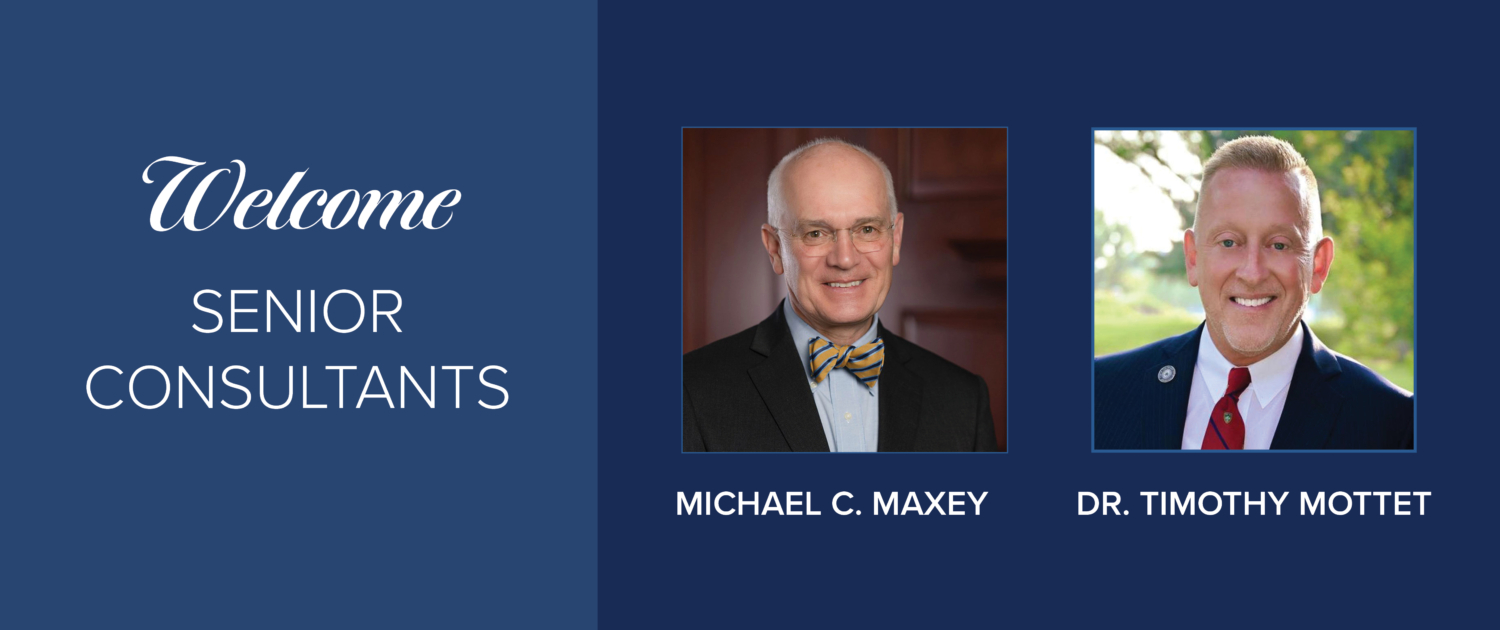 https://www.academicsearch.org/wp-content/uploads/2024/06/SC-Announcement-June-2024-1200x500-1-scaled.jpg
1066
2560
Academic Search
https://www.academicsearch.org/wp-content/uploads/2026/03/50th-Anniversary-Academic-Search-Horizontal-RGB-1030x314.jpg
Academic Search2024-06-11 15:43:142026-10-01 14:19:27Academic Search Welcomes Mike Maxey and Timothy Mottet as Senior Consultants
https://www.academicsearch.org/wp-content/uploads/2024/06/SC-Announcement-June-2024-1200x500-1-scaled.jpg
1066
2560
Academic Search
https://www.academicsearch.org/wp-content/uploads/2026/03/50th-Anniversary-Academic-Search-Horizontal-RGB-1030x314.jpg
Academic Search2024-06-11 15:43:142026-10-01 14:19:27Academic Search Welcomes Mike Maxey and Timothy Mottet as Senior Consultants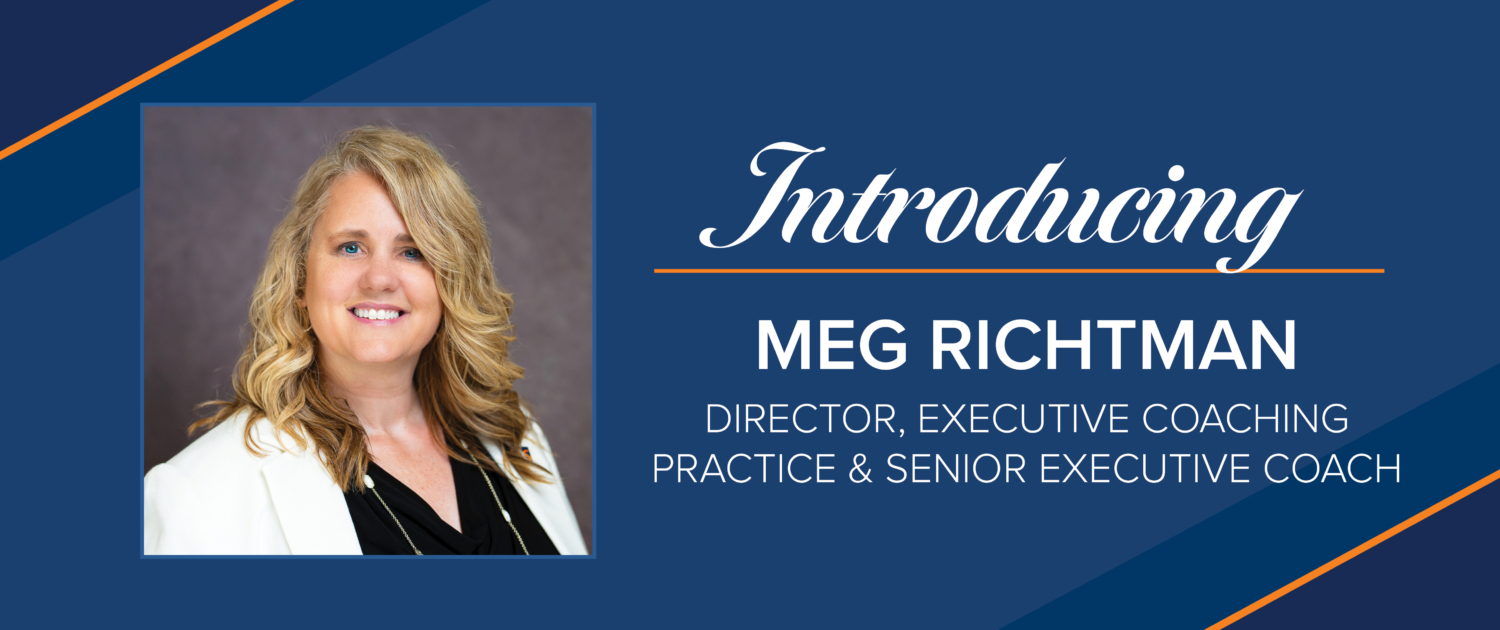 https://www.academicsearch.org/wp-content/uploads/2024/05/Meg-Richtman-Announcement-1200x500-1-scaled.jpg
1066
2560
Academic Search
https://www.academicsearch.org/wp-content/uploads/2026/03/50th-Anniversary-Academic-Search-Horizontal-RGB-1030x314.jpg
Academic Search2024-05-25 13:37:262026-10-05 12:36:48Strengthening Our Executive Coaching Practice with New Director
https://www.academicsearch.org/wp-content/uploads/2024/05/Meg-Richtman-Announcement-1200x500-1-scaled.jpg
1066
2560
Academic Search
https://www.academicsearch.org/wp-content/uploads/2026/03/50th-Anniversary-Academic-Search-Horizontal-RGB-1030x314.jpg
Academic Search2024-05-25 13:37:262026-10-05 12:36:48Strengthening Our Executive Coaching Practice with New Director https://www.academicsearch.org/wp-content/uploads/2024/04/Leaving-the-Presidency-with-Grace-1200x500-1-scaled.jpg
1066
2560
Tara Singer
https://www.academicsearch.org/wp-content/uploads/2026/03/50th-Anniversary-Academic-Search-Horizontal-RGB-1030x314.jpg
Tara Singer2024-04-01 12:33:482026-10-01 15:42:34Leaving the Presidency with Grace
https://www.academicsearch.org/wp-content/uploads/2024/04/Leaving-the-Presidency-with-Grace-1200x500-1-scaled.jpg
1066
2560
Tara Singer
https://www.academicsearch.org/wp-content/uploads/2026/03/50th-Anniversary-Academic-Search-Horizontal-RGB-1030x314.jpg
Tara Singer2024-04-01 12:33:482026-10-01 15:42:34Leaving the Presidency with Grace https://www.academicsearch.org/wp-content/uploads/2024/03/HERS-Executive-Coaching-Circles-2024-1200x500-1-scaled.jpg
1066
2560
Academic Search
https://www.academicsearch.org/wp-content/uploads/2026/03/50th-Anniversary-Academic-Search-Horizontal-RGB-1030x314.jpg
Academic Search2024-03-13 16:59:162026-10-05 12:24:12HERS Executive Coaching Circles: Empowering Women Leaders in Higher Education
https://www.academicsearch.org/wp-content/uploads/2024/03/HERS-Executive-Coaching-Circles-2024-1200x500-1-scaled.jpg
1066
2560
Academic Search
https://www.academicsearch.org/wp-content/uploads/2026/03/50th-Anniversary-Academic-Search-Horizontal-RGB-1030x314.jpg
Academic Search2024-03-13 16:59:162026-10-05 12:24:12HERS Executive Coaching Circles: Empowering Women Leaders in Higher Education https://www.academicsearch.org/wp-content/uploads/2024/02/CV-Tips-Flanagan-1200x500-1-scaled.jpg
1066
2560
Scott Flanagan
https://www.academicsearch.org/wp-content/uploads/2026/03/50th-Anniversary-Academic-Search-Horizontal-RGB-1030x314.jpg
Scott Flanagan2024-02-22 10:01:112026-10-01 14:59:08Crafting Effective Application Materials for Academic Leadership Roles
https://www.academicsearch.org/wp-content/uploads/2024/02/CV-Tips-Flanagan-1200x500-1-scaled.jpg
1066
2560
Scott Flanagan
https://www.academicsearch.org/wp-content/uploads/2026/03/50th-Anniversary-Academic-Search-Horizontal-RGB-1030x314.jpg
Scott Flanagan2024-02-22 10:01:112026-10-01 14:59:08Crafting Effective Application Materials for Academic Leadership Roles https://www.academicsearch.org/wp-content/uploads/2023/09/Hispanic-Heritage-Month-1200x500-1-scaled.jpg
1066
2560
Carlos Medina
https://www.academicsearch.org/wp-content/uploads/2026/03/50th-Anniversary-Academic-Search-Horizontal-RGB-1030x314.jpg
Carlos Medina2023-09-18 08:31:432026-10-01 14:59:17Celebrating Hispanic Heritage Month 2023
https://www.academicsearch.org/wp-content/uploads/2023/09/Hispanic-Heritage-Month-1200x500-1-scaled.jpg
1066
2560
Carlos Medina
https://www.academicsearch.org/wp-content/uploads/2026/03/50th-Anniversary-Academic-Search-Horizontal-RGB-1030x314.jpg
Carlos Medina2023-09-18 08:31:432026-10-01 14:59:17Celebrating Hispanic Heritage Month 2023 https://www.academicsearch.org/wp-content/uploads/2023/09/Mary-Kennard-Announcement-1200x500-1.jpg
1042
2500
Academic Search
https://www.academicsearch.org/wp-content/uploads/2026/03/50th-Anniversary-Academic-Search-Horizontal-RGB-1030x314.jpg
Academic Search2023-09-14 14:30:472026-10-05 12:24:46Introducing Our Newest Senior Consultant: Dr. Mary E. Kennard
https://www.academicsearch.org/wp-content/uploads/2023/09/Mary-Kennard-Announcement-1200x500-1.jpg
1042
2500
Academic Search
https://www.academicsearch.org/wp-content/uploads/2026/03/50th-Anniversary-Academic-Search-Horizontal-RGB-1030x314.jpg
Academic Search2023-09-14 14:30:472026-10-05 12:24:46Introducing Our Newest Senior Consultant: Dr. Mary E. Kennard https://www.academicsearch.org/wp-content/uploads/2023/08/10-Commandments-for-Boards-Welcoming-New-Leaders-1200x500-2.jpg
1042
2500
Pamela Balch
https://www.academicsearch.org/wp-content/uploads/2026/03/50th-Anniversary-Academic-Search-Horizontal-RGB-1030x314.jpg
Pamela Balch2023-08-23 11:51:112026-10-01 15:39:5610 Commandments for Boards and New Presidents
https://www.academicsearch.org/wp-content/uploads/2023/08/10-Commandments-for-Boards-Welcoming-New-Leaders-1200x500-2.jpg
1042
2500
Pamela Balch
https://www.academicsearch.org/wp-content/uploads/2026/03/50th-Anniversary-Academic-Search-Horizontal-RGB-1030x314.jpg
Pamela Balch2023-08-23 11:51:112026-10-01 15:39:5610 Commandments for Boards and New Presidents https://www.academicsearch.org/wp-content/uploads/2023/07/Bensimon-Associates-Response-1200x500-1.jpg
1042
2500
Carlos Medina
https://www.academicsearch.org/wp-content/uploads/2026/03/50th-Anniversary-Academic-Search-Horizontal-RGB-1030x314.jpg
Carlos Medina2023-07-25 14:46:152026-10-01 15:40:07Ensuring Equity in the Search Process
https://www.academicsearch.org/wp-content/uploads/2023/07/Bensimon-Associates-Response-1200x500-1.jpg
1042
2500
Carlos Medina
https://www.academicsearch.org/wp-content/uploads/2026/03/50th-Anniversary-Academic-Search-Horizontal-RGB-1030x314.jpg
Carlos Medina2023-07-25 14:46:152026-10-01 15:40:07Ensuring Equity in the Search Process