Leaders on Leadership Featuring Dr. Mildred García, President of the American Association of State Colleges and Universities
In this first episode, Dr. Mildred García, President of the American Association of State Colleges and Universities (AASCU) and former President of both California State University, Fullerton and California State University, Dominguez Hills, talks about her journey to leadership as a Latina and first-generation college student, how to diversify the leadership pipeline, and what it means to be a good leader in higher education today.
Episode Transcript
Jay Lemons:
Hello, and thank you for listening. I’m Jay Lemons. Welcome to Leaders on Leadership, brought to you by Academic Search and the American Academic Leadership Institute. The purpose of our podcast is to share the stories of the people and forces that have shaped leaders in higher education, and to learn more about their thoughts on leadership in the academy. I’m delighted this afternoon to be joined by Dr. Millie García. Millie is the president of the American Association of State Colleges and Universities, more often than not known AASCU. She serves as an advocate for public higher education at the national, and dare I say, international levels.
Prior to joining AASCU, Millie served as the President of two of the California State University system campuses, CSU Fullerton, and also at Dominguez Hills. She’s also served as the CEO of Berkeley College and held academic and senior-level positions at Arizona State University, Montclair State, Penn State, Teachers College, Columbia, and several campuses within the City University of New York. She is a first-generation college student. Millie holds a Doctor of Education from Teachers College, Columbia, and is a much sought-after speaker and academic researcher. She’s also been well-recognized for her leadership. She received the American Council on Education’s Reginald Wilson Diversity Leadership Award and was appointed by President Barack Obama to serve on the President’s Advisory Commission on Educational Excellence for Hispanics. Millie is an energetic, charismatic champion for higher education, and it truly is an honor to have her with us today. Millie, welcome.
Mildred García:
Thank you so much, Jay. What an honor and pleasure to be with you and to be considered among the people that you are speaking to.
Jay Lemons:
Well, you and I have known each other for a good long time. I recall as I was in the midst of transitioning away from Susquehanna, and I came to the fall annual meeting of AASCU in October 2016, seeing you, and being reminded of our passing friendships. And I think back to the moment at one of those opening receptions where we shared a tabletop for a few moments, and not having any idea all the ways in which our lives would become intertwined. And I’m really, really excited and grateful, because we found a very special connection through my very first search as President of Academic Search, which is the one that ultimately landed you, and brought you to the presidency of AASCU.
In that capacity, the excitement of that search committee, and the board, and the membership to have the very first Latina to hold that post. You’re also the first Latina president in the CSU system. You have been a pioneer, a groundbreaker, and an extraordinary exemplar for so many people, and I just want to say thank you again for being with us. And I’d like to open it up by asking you to talk about some of the people, some of the events, and the opportunities that really helped shape you as the leader in this extraordinary career that’s unfolded.
Mildred García:
Well, Jay, what a pleasure to be with you again as a dear friend of mine, and to have this conversation. I will tell you that it really begins with my parents, and they were the ones that, you know, they left everything behind to come to New York from Puerto Rico with five of their seven children. And I am not one of them. We were two of us who were those surprises that happens to families. And so, they always told us that the only inheritance a poor family could leave you is a good education. And they worked in the factories of Brooklyn. My dad died when I was 12, and my mom raised us on a factory salary, and the best lesson she gave me was, “In New York City, at 14, in the summer, you could get your working papers to go to work.” And I asked to go work in the factories where she worked and my cousins worked.
And I will tell you that I witnessed how people were treated, what a terrible job that was. And when the foreman quit, and the foreman screamed at me, I said, “I quit, and someday I’ll be your boss.” And I walked out. And I will tell you that that lesson showed me how important education is to get not only myself out of that factory but my family out of that factory. So, it goes all the way back there. And then I’ve had so many mentors along the way, your career or my career was not done alone. There are teachers, there are mentors, there are friends that cheer you on. One of the poems I’ve read in the book, In the Spirit, always said, “Keep those in your theater on the front row, those that are really supporting you along the way and cheering you on.” And that’s what I’ve had in my life.
Jay Lemons:
What a beautiful way to begin this time together, and yeah, the power of presence, and I know the extraordinary meaning that family has for you. I also love that first leadership lesson in some ways that you expressed, and it meant extracting yourself from a situation, leaving, walking out of the factory floor. I always said the summer I spent stacking groceries was all the motivation I needed to do well in school. So-
Mildred García:
Yes.
Jay Lemons:
… where we might not want to be. Well, thank you for beginning in that way. As I think about the imperative as I see it for leadership in the academy, I can’t help but not think about, and you are so articulate, meeting the needs of new majority populations. And, I’m really keenly interested to hear your thoughts about how we must, and there’s a role obviously for organizations like Academic Search, but it’s only in partnership with leaders all across higher education at multiple levels, how are we going to increase significantly the numbers of persons of color and women in our leadership ranks, and what do we need to do to move the needle?
Mildred García:
When you think about this, I think there are two things we have to think about. We have to think about educating the individuals who may be potential to see that as a possibility. And then we have to think about reeducating the individuals that are in positions of power. And so, when you look at the individual, no one ever told me as I went through school, that being a professor in a college or being an administrator was a wonderful profession to have, and never spoke to me about that possibility, for my life it’s been serendipity. I wanted to be a teacher, never thought about college, or a university president or a vice president. And so, we need to make sure that our advisors, our teachers, our guidance counselors, our advisors in colleges and universities see that as a possibility for individuals to aspire to especially the new majority when this country’s demographic is changing so drastically. So, that’s number one.
And number two, we need to reeducate individuals in positions of power. And I’m talking about the appointing authorities, the chancellor, the search firms, these boards of trustees, the faculty leaders, what makes a good leader? And we need to get away from the elitism of higher ed. And I have a really quick story, when I transitioned from being a community college administrator to being a four-year college comprehensive university administrator, the question at the search was, “What makes you think coming from a community college that you could come here and be the assistant vice president?” And I turned around and said, “It’s not about where you work, it’s about the skills, and the deliverables, and the effectiveness that you bring to the mission and transition to that institution.”
Jay Lemons:
Amen. So often I see people on the campuses that I have served, and in the searches where I have done work, people think they have to identify their next leader somewhere up the food chain. And I always say, there’s great talent in every sector. And yet we create these boundaries as if the two and four-year worlds are different, or public and private higher education are so dramatically different. So yeah, you’re absolutely right. I wanted to follow up as well in terms of thinking about how most effectively we can do that reeducation. It strikes me that there are elements of this that are right within the control perhaps, or the influence, not control, of leaders like you and me, and yet there remains some elusiveness to thinking about how to identify and make changes around the thinking of boards. Do you have any thoughts about how we can press the case?
Mildred García:
Yeah. I do think that we that are fortunate and privileged enough to have these positions need to use our bully pulpit and our influence to collaborate. So, for example, I am already working with the president of AGB. Unfortunately, because of COVID, I was going to go before the board in a presentation to talk about diversifying the presidency, and what do you think about it? And so, there are those of us who have thrown down those barriers, right? I mean, I’ve worked at a community college, I’ve worked at private, I’ve worked at comprehensive, I’ve worked at research one, I think it’s the best thing that’s ever happened to me in my career. And we have to use those of us who have really removed those barriers and opened the doors to go and collaborate with centrums, with AGB, with our presidents or chancellors who make appointments.
Jay Lemons:
Absolutely.
Mildred García:
People who are now in positions, we do see some changes with men of color, not women of color, not as much, but we do see changes when you look at CUNY, and you look at CSU, and you look at UC, you see changes, and these individuals need to be pulled together to help reeducate.
Jay Lemons:
Thank you. And who knows when we hit the air, but it is the day after the California State University system made a very consequential announcement of one of your dear colleagues who is, again, breaking ground. And that’s a sign of hope. I can’t help, but not also pay tribute to the outgoing chancellor, Tim White, who, when he and I sat together in middle of March of this past spring, this was one of the points of emphasis that Tim made. And so, it is commitments of all kinds of leaders, and Tim as a white male understood he had privilege and he had to be an active ally as a part of this change.
Mildred García:
Absolutely.
Jay Lemons:
Millie, I like to ask people, what’s a good leader? And by the way, I don’t mean a grade B leader. I mean, good, in the sense of virtuous, effective, results-oriented, and ultimately successful.
Mildred García:
You know, Jay, like you, it’s more than the skills. I’m going to put the skills to the side. I mean, we all will learn that through our schooling. It’s about knowing your north star. It’s about knowing who you are, and why you decide to be a leader in whatever institution you feel you match. It’s about loving that mission in that institution so dearly that it becomes part of you. It is about being ethical, and transparent, and caring, and loving, as well as liking people. I can’t begin to tell you how many people I’ve interviewed, who said, “I don’t really like people,” you’re in the wrong business. You have to love people, and you have to see the goodness in every group of people you work with even though they’re criticizing you as a leader. That to me makes sense. You have to be passionate about the work you do, and be happy even though you’re going through COVID, and you’re going through budget cuts, and you are going through racial tension on campus, but you love what you do because you see the changes that you and your institution are making together collaboratively for the goodness of the students you serve.
Jay Lemons:
Amen. You said that beautifully. As I am oft the invited opening speaker for the Mastering the Presidential Search Process, I try and say to those folks who aspire to presidencies that I find it works best, and those who are most effective are those people who have a sense of call, a larger purpose, and are willing to embrace an institution, meet it where it’s at and love it forward. So, thank you for that. And the value of a personal north star is usually the best way to find a fully integrated, fully functioning human being, right? When you are thinking about building and creating your own team, what are the qualities you’re looking for in that group of people that you share leadership with?
Mildred García:
Very similar, right?
Jay Lemons:
Yeah.
Mildred García:
You really need to see their soul, and know who they are, and try to figure out if they’re committed to the mission, that this, as you said, is a purpose in life. We’re not going to get rich being leaders in higher ed, but we get richness of joy, and richness of love, and richness of accomplishments when you see those students go across the stage, getting those degrees, and you see those families jumping up for joy. I mean, for me, it is looking at the very same traits that you are going to help to cultivate so they become the next leaders, the next presidents of colleges and universities.
Jay Lemons:
Again, wonderfully said. I recall very well when I was leaving the chancellorship of the University of Virginia’s College at Wise, a wonderful AASCU institution, when a very extraordinarily wealthy, successful corporate leader, who was a part of the celebration said, he said, “Jay, you’re a little like George Bailey. It seems to me, you’re the richest man in town in terms of relationships and the potential for impact.” And I do think that potential for significance and impact has got to be at the heart of the motivation and is the greatest reward for most of us.
Mildred García:
And one of the joys that I feel is, as I look back on my teams that I’ve had in my past, how many of them are presidents? How many of them came to me afraid to talk to me about it, and I said, “I will never do what people did to me who tried to hold me back because they were selfish in me not to go.” And I would say to people when I was hiring, “If you give me five years, you want to be a president, I’ll help you get there.” That’s the role that we should be playing is cultivating and moving people. And then when I go to the investitures I feel like the proud mama.
Jay Lemons:
Indeed. And you are. I mean, absolutely. Part of our listenership are those folks who are a part of ALI’s leadership programs and the like, and you are a generous and wonderful contributor to those programs, but we know it goes beyond that, not everyone has the privilege of participating. I think I’d like to have you offer some advice for new leaders or those who aspire to leadership. What is your advice for them?
Mildred García:
I would say, number one, always learn, continue learning. If you need to learn, seek opportunities to learn it even outside of the higher ed sector. So when people say to me, “I don’t have any experience in budgeting and they won’t give me any,” I say, “Go to a not-for-profit and offer your services and learn from the CFO there on how to manage, and then get yourself on some of those nonprofit boards, if possible. Get the experience somewhere else.” So, A, continue learning, B, look at these professional development programs the ones that AALI has, the ones that AASCU has, we give scholarships, you give scholarships, there are scholarships out there for people who cannot, but continue to find those programs that will help you reach the next level. And then I would say to them, look for mentors. Look for mentors who you have admired, who will be honest. Not someone that will tell you’re the best thing ever, someone who will tell you, here are the blanks in your resume that you need in order to get to where you want to go, and be honest with you about the good, the bad, and where you can improve.
Jay Lemons:
Thank you very much. In your mind, what are the most critical challenges facing leaders in higher ed today? And maybe I’ll just couple it with, does leadership today require new or different skills, knowledge, or abilities than in the past? And we live in the midst of an extraordinary experience that no generation of leaders alive today has encountered.
Mildred García:
As I look back when I first became president a long time ago by very far, and the one now, it is completely different. You really need to be an entrepreneur now more than ever. With COVID and post-COVID, our institutions will need to recreate themselves. And they will need to know, how do we really look at student learning outcomes when we move so quickly, for example, to online? And how are we helping the new majority reach their student learning objectives and be able to become educated citizens in a democracy? That’s going to be critical.
Number two, you’re going to need to understand social media. Something could have happened on your campus, when I first became president, nobody would ever know about, today, it’s instantaneous. And so, you’re going to need to know how to manage, how to work, and you have to be a good communicator. You have to be a good collaborator so that as I look at what’s happening across the higher ed spectrum, more and more institutions will need to partner together, to collaborate not only within the institution, not only with other higher ed institutions, but with business, and community groups, and legislators, you’re going to have to collaborate in order for your institution to be successful. So, yes, the job has changed. To me, I look at it as almost like a mayor and a governor all put together, and that that individual’s going to have to be the spokesperson who is the cheerleader for the institution, and always seeking new opportunities in what’s on the horizon, and be in front of that horizon.
Jay Lemons:
Thank you very much. I want to move next to a little bit more of what I call a lightning round, where I ask you a series of questions, and we get shorter answers from you on that one hand, on the other hand, go wherever you want to go.
Mildred García:
Okay.
Jay Lemons:
Who’s the individual, I’m going to say beyond your parents, who’s most influenced you?
Mildred García:
I’m going to say teachers. I want to say professors at the community college that I attended that encouraged me to go-
Jay Lemons:
So, shout out your community college.
Mildred García:
It was New York City Community College in Brooklyn, it’s now New York City Technical College of City University of New York.
Jay Lemons:
So, there were individuals there who helped light the path for you?
Mildred García:
Absolutely. I had, and I don’t remember his name, but I remember him, he was my English teacher and he’s blind. And I lived very close to school so I would walk like most Latinos, you stay in the neighborhood, so I walk to school. I would walk in late, and he would go, “Ms. Garcia, you are late, and it’s now time for you to recite” [laughter]. But he encouraged me to do better. And then I had people in the financial aid office, where I became a financial aid peer advisor, who gave me an opportunity to see what it’s like to work at a college university, who encouraged me. And then it was another faculty member who gave me up [the source], which I still have at home, and in it says, “To, Millie, a young girl that will go very far.”
Jay Lemons:
Wow. Wow. Thank you. That may have gotten close to the heart of the next question, but it’s hard for me to imagine topping it, you have a fondest memory of your undergraduate years?
Mildred García:
Oh my God, there’s lots of them.
Jay Lemons:
Any you can repeat?
Mildred García:
I think I discovered how to be proud as a Puerto Rican. I had a Puerto Rican teacher, and I had took the history of Puerto Rico. And I remember going home being so excited and telling my mother about it. And I met the bodyguard of one of the people who worked for Independence in Puerto Rico. My mother was so afraid that I would become a communist, but I learned so much and became even prouder of what my parents did, and went to Puerto Rico on my own, and really embraced my culture in a way that I had not understood before that course.
Jay Lemons:
Fabulous. Fabulous. What are your favorite school colors?
Mildred García:
Blue and white. It really is blue and white, and that’s followed me along the way where I [inaudible 00:25:45] with blue, white, and a tinge of orange.
Jay Lemons:
I understand that. I can picture you in that sea of light blue at Columbia certainly as a-
Mildred García:
In my Columbia gown, I’m a Yankee fan, blue and white has followed me.
Jay Lemons:
Very good. Very good. You have a favorite campus tradition at some place to that you have served or studied?
Mildred García:
Opening convocation on the first day of class. The excitement in the convocation, and the students, the faculty, everybody’s excited. I call it the academic new year, and I always brought myself a back-to-school outfit because it was the first day of class.
Jay Lemons:
I love that. I had the custom of hosting a large dinner at Susquehanna the night before our students moved in, and I always began it with the greeting, happy new year. And you’re right, there is no place like a college campus in the fall, because everybody’s got an A, everybody has potential, everybody has energy, and the excitement of being together, walking hallowed campuses is truly special. If you hadn’t worked in higher ed, is there another world that might have tempted you, or what would you have done?
Mildred García:
There’re so many.
Jay Lemons:
Yeah.
Mildred García:
Yeah. There’s a lot of things that I thought about as I was going through, I put myself through college and so I worked at a lot of work. And so, I worked in the fashion industry so I thought about that for a while, I worked in business, so I thought about that for a while, and I thought about law. So, those were the kind of three areas that appealed to me, but higher ed, well no.
Jay Lemons:
Thank goodness for higher ed, and for generations of students, and the roads not taken as it were. Well, one of our traditions as we wrap up is to ask our guests to share with our listeners the distinctive qualities, if you will, the organizational DNA that made you responsive to a call to serve as the president of AASCU.
Mildred García:
Yeah. The decision to leave Fullerton was a difficult one, but when you look at what AASCU represents, it’s representing approximately 400 institutions that are comprehensive state colleges and universities that serve approximately 3.5 million students who are mostly first gen low-income students of color and/or adults, the most vulnerable, and yet the new majority of America. Serving those institutions to help those students become the citizens of the United States who will be educated global citizens and participating in a democracy. And that’s what made me make the change. The mission that it is so student-centered, really on students and the most vulnerable to succeed was where I spent most of my life in. And that’s what AASCU is all about. Besides the community college, it is AASCU institutions that are serving the new majority.
Jay Lemons:
Indeed, indeed. So very well said. Thank you, Millie, for joining us on Leaders on Leadership. We’re proud to have had you, and appreciate you sharing your experiences, your insights, your wisdom about leadership with us. Listeners, we welcome your suggestions and thoughts for leaders we should feature in upcoming segments. You can send those suggestions to leadershippodcast@academicsearch.org. You can find our podcast on Apple Podcasts, Google Podcasts, or wherever else you find your podcasts. It’s also available on the Academic Search website.
Leaders on Leadership is brought to you by Academic Search and the American Academic Leadership Institute. Together, our mission is to support colleges and universities during times of transition and through leadership development activities that serve current and future generations of leaders in the academy. Again, it’s been a special joy and a special pleasure to have Dr. Mildred Millie Garcia on our show today. Millie, thank you for joining us, and more importantly, thank you for the leadership that you provide that really does impact our larger society in ways that not many folks really fully understand. You had a very large canvas at CSU Fullerton, but here you have an enormous canvas, and we’re all the beneficiaries for your leadership. So, thank you.
Mildred García:
And thank you, Jay. It’s been a pleasure, and I know together we’re going to do great things for this country. Thank you.
Jay Lemons:
Indeed. Thank you again.
Listen to More Episodes
Enjoy our content? Join our mailing list.
Share this podcast
Discover More Leading Insights
 https://www.academicsearch.org/wp-content/uploads/2026/09/When-to-Engage-a-Search-Firm-1200x500_02-scaled.jpg
1066
2560
Academic Search
https://www.academicsearch.org/wp-content/uploads/2026/03/50th-Anniversary-Academic-Search-Horizontal-RGB-1030x314.jpg
Academic Search2026-10-20 10:09:142026-10-20 13:51:41When Should Your Institution Engage an Executive Search Firm?
https://www.academicsearch.org/wp-content/uploads/2026/09/When-to-Engage-a-Search-Firm-1200x500_02-scaled.jpg
1066
2560
Academic Search
https://www.academicsearch.org/wp-content/uploads/2026/03/50th-Anniversary-Academic-Search-Horizontal-RGB-1030x314.jpg
Academic Search2026-10-20 10:09:142026-10-20 13:51:41When Should Your Institution Engage an Executive Search Firm? https://www.academicsearch.org/wp-content/uploads/2026/09/Leadership-Pipeline-1200x500_02-scaled.jpg
1066
2560
Jay Lemons
https://www.academicsearch.org/wp-content/uploads/2026/03/50th-Anniversary-Academic-Search-Horizontal-RGB-1030x314.jpg
Jay Lemons2026-09-15 20:15:112026-10-01 15:42:50Higher Education’s Leadership Pipeline is Stronger Than the Headlines Suggest
https://www.academicsearch.org/wp-content/uploads/2026/09/Leadership-Pipeline-1200x500_02-scaled.jpg
1066
2560
Jay Lemons
https://www.academicsearch.org/wp-content/uploads/2026/03/50th-Anniversary-Academic-Search-Horizontal-RGB-1030x314.jpg
Jay Lemons2026-09-15 20:15:112026-10-01 15:42:50Higher Education’s Leadership Pipeline is Stronger Than the Headlines Suggest https://www.academicsearch.org/wp-content/uploads/2025/05/A-Guide-to-Leadership-Renewal-Graphics-1200x500-3-scaled.jpg
1066
2560
Academic Search
https://www.academicsearch.org/wp-content/uploads/2026/03/50th-Anniversary-Academic-Search-Horizontal-RGB-1030x314.jpg
Academic Search2025-05-27 12:23:542026-10-01 14:18:51Leadership Renewal Starts with Intention
https://www.academicsearch.org/wp-content/uploads/2025/05/A-Guide-to-Leadership-Renewal-Graphics-1200x500-3-scaled.jpg
1066
2560
Academic Search
https://www.academicsearch.org/wp-content/uploads/2026/03/50th-Anniversary-Academic-Search-Horizontal-RGB-1030x314.jpg
Academic Search2025-05-27 12:23:542026-10-01 14:18:51Leadership Renewal Starts with Intention https://www.academicsearch.org/wp-content/uploads/2025/03/A-Guide-to-Cabinet-Retreats-Web-Header-1200x500-1-scaled.jpg
1066
2560
Academic Search
https://www.academicsearch.org/wp-content/uploads/2026/03/50th-Anniversary-Academic-Search-Horizontal-RGB-1030x314.jpg
Academic Search2025-03-14 13:23:212026-10-05 12:07:02A Guide to Effective & Strategic Cabinet Retreats
https://www.academicsearch.org/wp-content/uploads/2025/03/A-Guide-to-Cabinet-Retreats-Web-Header-1200x500-1-scaled.jpg
1066
2560
Academic Search
https://www.academicsearch.org/wp-content/uploads/2026/03/50th-Anniversary-Academic-Search-Horizontal-RGB-1030x314.jpg
Academic Search2025-03-14 13:23:212026-10-05 12:07:02A Guide to Effective & Strategic Cabinet Retreats https://www.academicsearch.org/wp-content/uploads/2024/08/Competencies-for-the-College-Presidency-Graphic-1200x500-1-scaled.jpg
1066
2560
Academic Search
https://www.academicsearch.org/wp-content/uploads/2026/03/50th-Anniversary-Academic-Search-Horizontal-RGB-1030x314.jpg
Academic Search2024-09-15 08:00:052026-10-01 14:19:23Competencies for the College Presidency
https://www.academicsearch.org/wp-content/uploads/2024/08/Competencies-for-the-College-Presidency-Graphic-1200x500-1-scaled.jpg
1066
2560
Academic Search
https://www.academicsearch.org/wp-content/uploads/2026/03/50th-Anniversary-Academic-Search-Horizontal-RGB-1030x314.jpg
Academic Search2024-09-15 08:00:052026-10-01 14:19:23Competencies for the College Presidency https://www.academicsearch.org/wp-content/uploads/2024/08/Rodney-Clark-Deloitte-Study-Response-1200x500-1-scaled.jpg
1066
2560
Rodney Clark
https://www.academicsearch.org/wp-content/uploads/2026/03/50th-Anniversary-Academic-Search-Horizontal-RGB-1030x314.jpg
Rodney Clark2024-08-22 08:53:442026-10-01 15:41:11Building Resilient Leadership: Lessons from Deloitte’s Higher Education Trends
https://www.academicsearch.org/wp-content/uploads/2024/08/Rodney-Clark-Deloitte-Study-Response-1200x500-1-scaled.jpg
1066
2560
Rodney Clark
https://www.academicsearch.org/wp-content/uploads/2026/03/50th-Anniversary-Academic-Search-Horizontal-RGB-1030x314.jpg
Rodney Clark2024-08-22 08:53:442026-10-01 15:41:11Building Resilient Leadership: Lessons from Deloitte’s Higher Education Trends https://www.academicsearch.org/wp-content/uploads/2024/06/SC-Announcement-June-2024-1200x500-1-scaled.jpg
1066
2560
Academic Search
https://www.academicsearch.org/wp-content/uploads/2026/03/50th-Anniversary-Academic-Search-Horizontal-RGB-1030x314.jpg
Academic Search2024-06-11 15:43:142026-10-01 14:19:27Academic Search Welcomes Mike Maxey and Timothy Mottet as Senior Consultants
https://www.academicsearch.org/wp-content/uploads/2024/06/SC-Announcement-June-2024-1200x500-1-scaled.jpg
1066
2560
Academic Search
https://www.academicsearch.org/wp-content/uploads/2026/03/50th-Anniversary-Academic-Search-Horizontal-RGB-1030x314.jpg
Academic Search2024-06-11 15:43:142026-10-01 14:19:27Academic Search Welcomes Mike Maxey and Timothy Mottet as Senior Consultants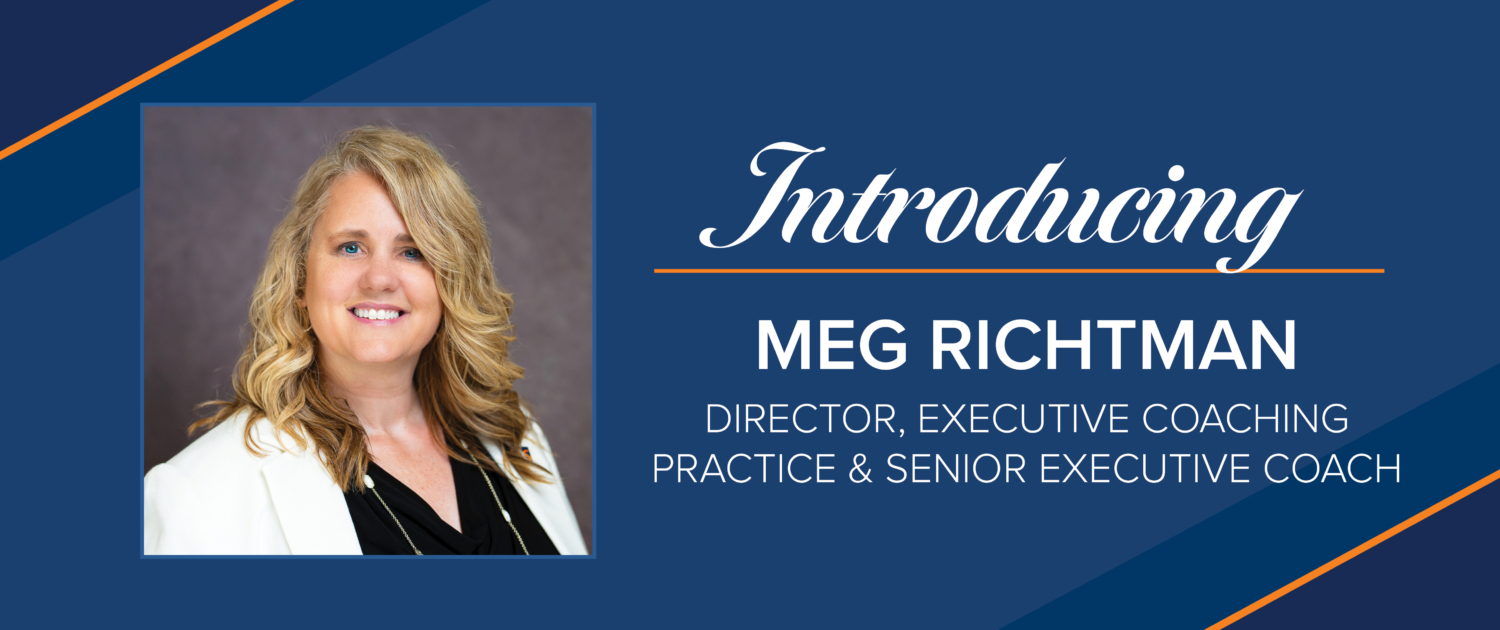 https://www.academicsearch.org/wp-content/uploads/2024/05/Meg-Richtman-Announcement-1200x500-1-scaled.jpg
1066
2560
Academic Search
https://www.academicsearch.org/wp-content/uploads/2026/03/50th-Anniversary-Academic-Search-Horizontal-RGB-1030x314.jpg
Academic Search2024-05-25 13:37:262026-10-05 12:36:48Strengthening Our Executive Coaching Practice with New Director
https://www.academicsearch.org/wp-content/uploads/2024/05/Meg-Richtman-Announcement-1200x500-1-scaled.jpg
1066
2560
Academic Search
https://www.academicsearch.org/wp-content/uploads/2026/03/50th-Anniversary-Academic-Search-Horizontal-RGB-1030x314.jpg
Academic Search2024-05-25 13:37:262026-10-05 12:36:48Strengthening Our Executive Coaching Practice with New Director https://www.academicsearch.org/wp-content/uploads/2024/04/Leaving-the-Presidency-with-Grace-1200x500-1-scaled.jpg
1066
2560
Tara Singer
https://www.academicsearch.org/wp-content/uploads/2026/03/50th-Anniversary-Academic-Search-Horizontal-RGB-1030x314.jpg
Tara Singer2024-04-01 12:33:482026-10-01 15:42:34Leaving the Presidency with Grace
https://www.academicsearch.org/wp-content/uploads/2024/04/Leaving-the-Presidency-with-Grace-1200x500-1-scaled.jpg
1066
2560
Tara Singer
https://www.academicsearch.org/wp-content/uploads/2026/03/50th-Anniversary-Academic-Search-Horizontal-RGB-1030x314.jpg
Tara Singer2024-04-01 12:33:482026-10-01 15:42:34Leaving the Presidency with Grace https://www.academicsearch.org/wp-content/uploads/2024/03/HERS-Executive-Coaching-Circles-2024-1200x500-1-scaled.jpg
1066
2560
Academic Search
https://www.academicsearch.org/wp-content/uploads/2026/03/50th-Anniversary-Academic-Search-Horizontal-RGB-1030x314.jpg
Academic Search2024-03-13 16:59:162026-10-05 12:24:12HERS Executive Coaching Circles: Empowering Women Leaders in Higher Education
https://www.academicsearch.org/wp-content/uploads/2024/03/HERS-Executive-Coaching-Circles-2024-1200x500-1-scaled.jpg
1066
2560
Academic Search
https://www.academicsearch.org/wp-content/uploads/2026/03/50th-Anniversary-Academic-Search-Horizontal-RGB-1030x314.jpg
Academic Search2024-03-13 16:59:162026-10-05 12:24:12HERS Executive Coaching Circles: Empowering Women Leaders in Higher Education https://www.academicsearch.org/wp-content/uploads/2024/02/CV-Tips-Flanagan-1200x500-1-scaled.jpg
1066
2560
Scott Flanagan
https://www.academicsearch.org/wp-content/uploads/2026/03/50th-Anniversary-Academic-Search-Horizontal-RGB-1030x314.jpg
Scott Flanagan2024-02-22 10:01:112026-10-01 14:59:08Crafting Effective Application Materials for Academic Leadership Roles
https://www.academicsearch.org/wp-content/uploads/2024/02/CV-Tips-Flanagan-1200x500-1-scaled.jpg
1066
2560
Scott Flanagan
https://www.academicsearch.org/wp-content/uploads/2026/03/50th-Anniversary-Academic-Search-Horizontal-RGB-1030x314.jpg
Scott Flanagan2024-02-22 10:01:112026-10-01 14:59:08Crafting Effective Application Materials for Academic Leadership Roles https://www.academicsearch.org/wp-content/uploads/2023/09/Hispanic-Heritage-Month-1200x500-1-scaled.jpg
1066
2560
Carlos Medina
https://www.academicsearch.org/wp-content/uploads/2026/03/50th-Anniversary-Academic-Search-Horizontal-RGB-1030x314.jpg
Carlos Medina2023-09-18 08:31:432026-10-01 14:59:17Celebrating Hispanic Heritage Month 2023
https://www.academicsearch.org/wp-content/uploads/2023/09/Hispanic-Heritage-Month-1200x500-1-scaled.jpg
1066
2560
Carlos Medina
https://www.academicsearch.org/wp-content/uploads/2026/03/50th-Anniversary-Academic-Search-Horizontal-RGB-1030x314.jpg
Carlos Medina2023-09-18 08:31:432026-10-01 14:59:17Celebrating Hispanic Heritage Month 2023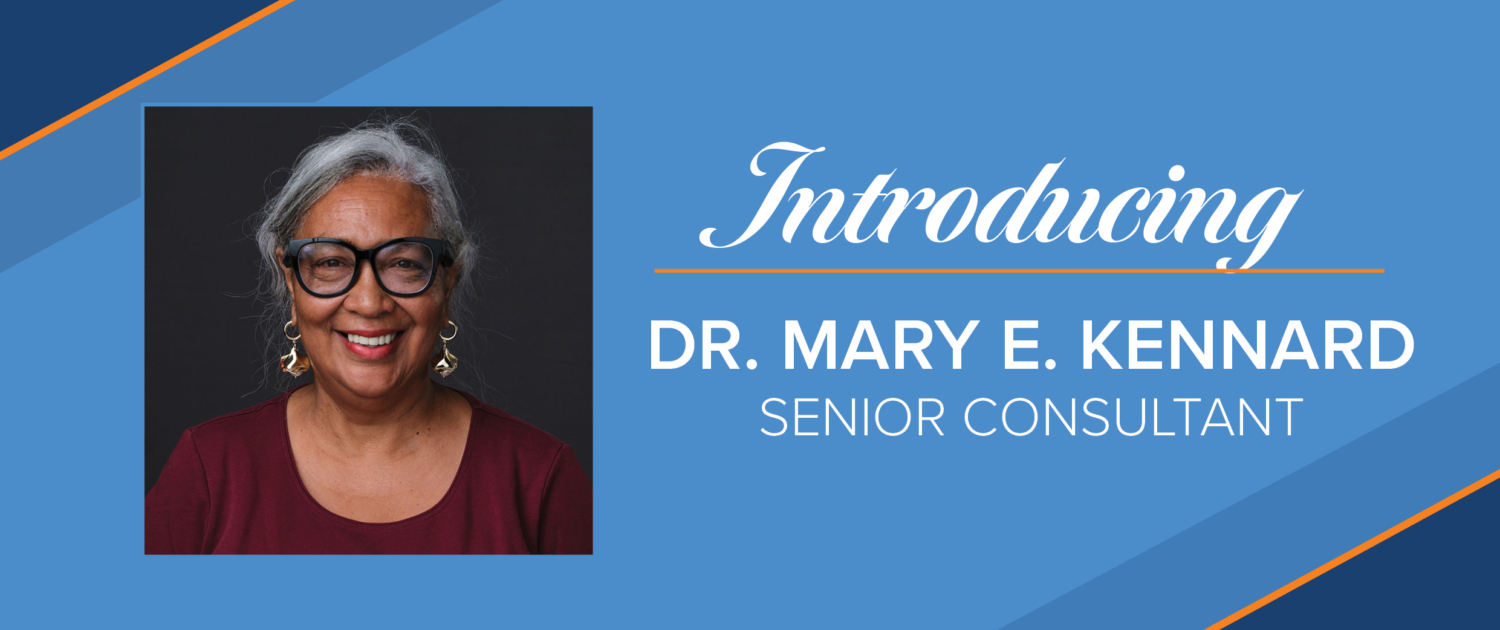 https://www.academicsearch.org/wp-content/uploads/2023/09/Mary-Kennard-Announcement-1200x500-1.jpg
1042
2500
Academic Search
https://www.academicsearch.org/wp-content/uploads/2026/03/50th-Anniversary-Academic-Search-Horizontal-RGB-1030x314.jpg
Academic Search2023-09-14 14:30:472026-10-05 12:24:46Introducing Our Newest Senior Consultant: Dr. Mary E. Kennard
https://www.academicsearch.org/wp-content/uploads/2023/09/Mary-Kennard-Announcement-1200x500-1.jpg
1042
2500
Academic Search
https://www.academicsearch.org/wp-content/uploads/2026/03/50th-Anniversary-Academic-Search-Horizontal-RGB-1030x314.jpg
Academic Search2023-09-14 14:30:472026-10-05 12:24:46Introducing Our Newest Senior Consultant: Dr. Mary E. Kennard https://www.academicsearch.org/wp-content/uploads/2023/08/10-Commandments-for-Boards-Welcoming-New-Leaders-1200x500-2.jpg
1042
2500
Pamela Balch
https://www.academicsearch.org/wp-content/uploads/2026/03/50th-Anniversary-Academic-Search-Horizontal-RGB-1030x314.jpg
Pamela Balch2023-08-23 11:51:112026-10-01 15:39:5610 Commandments for Boards and New Presidents
https://www.academicsearch.org/wp-content/uploads/2023/08/10-Commandments-for-Boards-Welcoming-New-Leaders-1200x500-2.jpg
1042
2500
Pamela Balch
https://www.academicsearch.org/wp-content/uploads/2026/03/50th-Anniversary-Academic-Search-Horizontal-RGB-1030x314.jpg
Pamela Balch2023-08-23 11:51:112026-10-01 15:39:5610 Commandments for Boards and New Presidents https://www.academicsearch.org/wp-content/uploads/2023/07/Bensimon-Associates-Response-1200x500-1.jpg
1042
2500
Carlos Medina
https://www.academicsearch.org/wp-content/uploads/2026/03/50th-Anniversary-Academic-Search-Horizontal-RGB-1030x314.jpg
Carlos Medina2023-07-25 14:46:152026-10-01 15:40:07Ensuring Equity in the Search Process
https://www.academicsearch.org/wp-content/uploads/2023/07/Bensimon-Associates-Response-1200x500-1.jpg
1042
2500
Carlos Medina
https://www.academicsearch.org/wp-content/uploads/2026/03/50th-Anniversary-Academic-Search-Horizontal-RGB-1030x314.jpg
Carlos Medina2023-07-25 14:46:152026-10-01 15:40:07Ensuring Equity in the Search Process