Leaders on Leadership Featuring Dr. Bill Kibler, President Emeritus Sul Ross State University
Dr. Bill Kibler, who recently retired as president of Sul Ross State University and joined Academic Search after a distinguished 43-year career in higher education discusses courageous leadership, the challenges facing higher ed leaders in the midst of the pandemic, and the importance of honesty, integrity and trust in building strong teams.
Episode Transcript
Jay Lemons:
Hello, and thank you for listening. I’m Jay Lemons. Welcome to Leaders On Leadership brought to you by Academic Search and the American Academic Leadership Institute. The purpose of our podcast is to share the stories of the people and forces that have shaped leaders in higher education, and to learn more about their thoughts on leadership in the academy. I’m delighted to be joined today by Dr. Bill Kibler. Bill is president emeritus of Sul Ross State University in Texas, where he served as president from 2014 to 2020.
He spent most of his career in student affairs administration having held various roles at Mississippi State, Texas A & M, University of Florida. Bill served as a founding board member and president of both the association for Student Conduct Administration and the International Center for Academic Integrity.
Bill recently joined Academic Search as one of our newest senior consultants. And we’re delighted to have him on board. Bill, it is really a particular personal pleasure. You were someone who took a chance a long time ago on a young guy from Nebraska. And I’ll be forever grateful that you helped bring Marsha and me too at Texas, A & M. So welcome to you.
Bill Kibler:
Thank you, Jay. It’s an honor and pleasure to join you. And that decision I made back in the 80s, that was an investment that paid off well. So I’m glad to be here.
Jay Lemons:
You’re kind. I want to begin before really digging into the heart of this to hear a little bit what it was like for you to transition from the presidency at Sul Ross, a proud member of the Texas State University system, way out in beautiful Alpine, Texas. I’ll never forget the day that you told me that there are 10,000-foot mountain peaks in Texas. And I said, “Where?” You helped me to learn that back in the mid-80s.
While doing this transition in the midst of a national pandemic, what was the experience like? How did you go through that really extraordinary transitional period with virtual commencements and virtual farewells?
Bill Kibler:
Well, you know what they say, plans are worth what you pay for them sometime. I actually announced my intention to retire in June of 2020 during the fall of 2019 with the express purpose of assuring a smooth transition to new leadership for Sul Ross State University. That’s what I wanted.
Unfortunately, then in the midpoint of that in March of 2020, COVID-19 came and it resulted in really the last four months of my service being very tumultuous and compelled to make decisions that I never imagined in my 40 plus year career in higher education that I would make, making decisions to cancel traditional events that had taken place at the entire hundred year history of their university, calling on our faculty to pivot completely with one week’s notice to complete their instruction for the semester without face to face, canceling everything we were doing with athletics, including calling teams that were on the road on their way to participate in post-season tournaments, informing them that they had to turn around and come back.
And then as you referenced, it’s almost like a lack of closure because I was really looking forward. And Sul Ross has two commencements, even though we’re a small institution, one in Alpine and one four hours away in the middle Rio Grande. So I was looking forward to those two commencements as an opportunity to close things out, say farewell, do all of that. And none of that happened.
We did a virtual commencement. It was very nice. I actually appointed myself the commencement speaker because that couldn’t be worked out with the speaker we had prearranged. And our folks did a nice job of putting that together, but it’s not the same. You just weren’t there to bid farewell to the many students, faculty and staff that had meant so much. So that was pretty difficult.
And then transitioning immediately after that to the planning for … Because now it’s May and we are fully immersed in trying to determine how, when, and whether we would reopen for the fall. And I did that right up until I handed the baton to the new president in June.
Jay Lemons:
Well, and what an exciting outcome for Sul Ross as well to welcome home, perhaps for the first time in the institution’s history, a product of the institution and someone with an unusual background, but boy, an exciting time for him and for Sul Ross.
Bill Kibler:
Yeah, born and raised in Alpine, Texas. And you’re right, and the first alum to I ever serve as president of the university. So it’s certainly a new era for the institution in that regard.
Jay Lemons:
Well, part of what we do here on Leaders On Leadership is ask our guests to talk about, to share, really speak from the heart, tell us the story about the people, the events, the opportunities that really forged you as a leader.
Bill Kibler:
Well, gosh, we don’t have time for me to list them all. So I’ll just summarize and say really the hallmark of my career was having been truly blessed by a multiple number of amazing mentors. That’s probably the single most thing that enabled me to do what I’ve done in this field. These were leaders that were willing to invest their time, their insights and their wisdom to me.
So in some cases, a very young professional who didn’t even report directly to them, but I sought out their council and they were willing to share it. And so in thinking about that, really learned some very valuable lessons, not in so much like administration or how you manage things or whatever, but really how you go about being a leader and things that I have had the chance now for many years to repeat to younger professionals that I’ve had the chance to provide some advice and counsel to.
I’ll just mention a few of them like one of the most powerful ones is who you are is not what you do and never confuse the two. And trust is the most vital attribute to any relationship you have with anyone. And truth and integrity in all you do is what leads to that trust. So that’s extremely important.
I remember when I first started my very first job hearing from the person I was replacing, who told me something that didn’t make a lot of sense at the time, and then later he said, “There’s great power in just showing up.” In other words, talking about the value of relationships that you have.
And I learned over time, there really should be no struggle, even though I read a lot about that or whatever, no struggle in maintaining a work life and personal life balance, family should all always come first. There shouldn’t be that struggle. And anyway, and one of the most, the words that I remember that I used and to where it became a cliche with my staff is I loved to use the word opportunity. And would talk to my staff about the fact that anytime a challenge or a problem would come forward, they could always count on me to refer that to that as an opportunity, because I would tell them, “This is an opportunity for us to show them what we can do.”
And so every problem and every challenge was always that. And then otherwise, I always sought and accepted new challenges, that new opportunities that came to me throughout my career, even if they pushed me outside my comfort zone. So I spent 37 years in student affairs administration, but I often accepted jobs or responsibilities that had me working outside the normal scope of my job.
And that meant I was also working with and building relationship with people that I would never have otherwise. And those experiences actually truly clearly prepared me to be successful as a university president.
Jay Lemons:
Terrific. Thanks for sharing.
Bill Kibler:
Sure.
Jay Lemons:
Talk a bit about some of the people who were behind those important lessons. Who and where did you come across them? At what points in your life and career?
Bill Kibler:
There have been so many. I started as a graduate student and then had the chance to work at the University of Florida, in the dean of students office, where I worked with Art Sandeen and Tom Goodale.
To me, they were just my vice president for student affairs and my dean of students. I only came to learn later that they had national profiles, were known and respected and sought out across the country, but they also gave me a lot of time, a lot of guidance, just a lot of wisdom in the early days.
I end up going to Texas A & M University right out of when I finished graduate school. And one of the things that attracted me there is John Koldus, who was the legendary vice president for student affairs. John just passed away this last year. And John was much the same as Art and Tom had been. John was known throughout the country, sought after for his wisdom, his experience, his leadership.
And I just had the chance to be mentored by John and through the years when I was at Texas A & M. And John also provided me opportunities to do things that pushed me outside my comfort zone. And there were others, there were the two Rons at A & M Blatchley and Sass who were very good to me and gave me lots of advice, Maylan Sutherland, who I ended up working for for 10 years, who really just opened lots of doors for me and gave me the opportunity to just go and do so many things.
And then the presidents as well. Dr. Ray Bowen, who I continue to communicate with who was the president at Texas A & M became not only a mentor, but almost a friend. I never reported directly to Ray, but Ray was an extraordinary advisor and counselor and helped me in my career numerous times.
And I could name many others, but those are examples of some of the kinds of folks that I just had the chance to, even though they were nationally known, had people seeking advice and counsel from them all over the country, took the time to invest some time in me as someone that they saw had some potential to be able to do some things. And it really paid off for me in many ways both personally and professionally.
Jay Lemons:
Thank you for sharing.
Bill Kibler:
You bet.
Jay Lemons:
Help me to know in your mind what makes a good leader? And by the way, by good in this context, I don’t mean grade B. I mean virtuous, effective and highly successful.
Bill Kibler:
Well, three of the words I mentioned in an earlier question, honesty, integrity, and trust. If those things don’t exist, you are not going to be a great leader. And then I’ve learned through time that surrounding yourself with team members who share those same values is absolutely vital. The ability to communicate a vision and inspire others to pursue it is also a part of that.
Openness, transparency and making sure you always give credit to others. Remember your purpose in all of these roles that I’ve been in throughout my career, my purpose was always to serve and make sure you don’t forget that. And then something that I learned from my children, as you know Jay, I’ve got six kids. And so I learned a lot from my children, but one of the things I learned, that’s an important leadership attribute is know that you are not the center of the universe.
And so making sure that you surround yourself with great people, make sure they’re trained, that they have the opportunity to professionally develop and then get out of their way and turn them loose and give them the opportunity. And then be humble when often you get the credit for the good work that they did. So you have to turn around and make sure you give that to them. Those are just a few thoughts that come to mind about that.
Jay Lemons:
Thank you for sharing.
Bill Kibler:
Yeah.
Jay Lemons:
And I can’t help, but reflect that raising four kids born into a presidency as we did, they were the very best way for me to remain grounded because they didn’t care where I’d been or what I had done, I got to home, it was dad and it brought me right back to knowing that they were the center of our world really. So [crosstalk 00:13:35]-
Bill Kibler:
I have told a story many times, real early in my career at Texas A & M as you may recall, my first job there and for several years I had that job. I had a different title, but my job was, I was the university’s conduct officer. And A & M was a big university even in those days in the 1980s. We had nearly 40,000 students. And I was the only one that dealt with all misconduct.
And so I’m in my 20s and I got students and parents and lawyers coming into my office telling me what a sorry, no good so and so I was, because I just expelled someone from school or suspended them or whatever and threatening me with all kinds of things. I was pretty stressful, but I had my office arranged in such a way I had a credenza across my office from my desk and a picture of my kids at the time.
I didn’t have all of them then, but I had a couple where I could see them over the shoulder of whoever I was talking to at the time. And what would go through my mind is regardless of what you think, I’m looking at that picture and they think I’m the greatest guy in the world. So take your best shot. Say what you want. What’s most important is what I’m looking at right over your shoulder. And so.
Jay Lemons:
You’re here. Well, and there’s also an element of treating each of those young people as I know you did as an educator and handling them the same way you would handle your very own. And people don’t always understand that, but that’s the way you worked. I know it.
Bill Kibler:
There were an abundance of teachable moments when you had a student coming to see you who had messed up and almost all of them realized they had. And now they thought, “Oh Lord, my life and my future is in this guy’s hands.” So that’s an opportunity to make sure you’re conveying the things that are most important in terms of accountability and doing the right thing and all of that. And so it was a joy and a pleasure to do that work actually.
Jay Lemons:
Absolutely. When you are creating a team of your own, what are you looking for in others?
Bill Kibler:
Well, I partially answered that in the earlier question. I’m looking for elements of a crew commitment to honesty and integrity and people that understand the value of trust. When I was my six years at Sul Ross and I had a cabinet of people around me, amazing people, very talented people, these vice presidents or whatever, but we talked about trust virtually every week because as I told them, I said, “Okay, I have the honor and the privilege of being the president of this institution, which means I’m responsible and accountable for everything that happens at this institution.”
That’s impossible. I can’t do that. I can’t say grace over all those things. So what I vest in each of you all is the trust to know that you are doing your jobs, taking your responsibility, working with your staff, the students you’re responsible for et cetera in that same vein and that we trust each other to communicate, to make sure we’re open, that we’re not hiding the ball from each other, those kinds of things. So that’s important.
I also always look for competence and confidence. So because as I just mentioned, no president or any leader can be an expert at all of the things for which they’re responsible. So I always sought out people that were smarter than I was about the areas for which they’d be responsible. And then assured that they, as I mentioned earlier, that they had the training and the professional development they needed to be successful and then get out of their way and celebrate with them when they’re successful.
So those are the things that I would look for through the years, far more than specific things on a resume that said they’ve done this or they’ve done that because again, the training and the development can always take place, but it’s almost to use the sports analogy, the best athlete theory, the idea that we recruit the very best athlete we can and then you can train them to perform in any position you wish if they have those other elements, the honesty, the integrity, the transparency, and openness, the commitment to always do the right thing regardless of the consequences.
Jay Lemons:
Thank you. Among those that we know will benefit from Leaders On Leadership are participants in our AALI leadership programs.
Bill Kibler:
Right.
Jay Lemons:
And I’d like to provide the opportunity for you to offer advice to new leaders or those who are considering leadership in the academy.
Bill Kibler:
Well, that’s always humbling to try to do that. I have an old saying, “Advice is worth what you pay for it.” But still when I’m asked a question like that, I often go back to that Abraham Lincoln quote, where he said, “I will study and prepare myself, and someday my chance will come.” And anyone who knows the story of Lincoln’s life knew how many times he failed, but he was always preparing himself. And then the ultimate opportunity to make an impact on his entire world did come.
So my advice is to seek the education and the professional training and the experience is necessary to achieve the professional and leadership vision that you have for yourself, where you want to go. There’s a pathway to go there and be purposeful in doing that, seek out those mentors or those advisors or those who have traveled that path before you and truly listen to them what they have to say.
And then I would refer back to those lessons I mentioned earlier from my mentors back in the response to the initial question of the way in which to proceed in your relationships with others and the work that you do to always be grounded in honesty and integrity.
Courage is an important lesson that I learned. I mentioned Dr. Bowen, the president of Texas A & M. I knew about courage before then, but in the midst of as you know went through the bonfire collapse and the loss of 12 students and all of the things that came out of that and got to see just a dramatic example of a leader who in the face of tremendous pressure to go a different direction, had the courage to just stand up and do what was right, say what was right regardless of the consequences.
And that’s important. Even in the little things that we do each day, because again, almost as Lincoln anticipated, there’s going to be a bigger stage at some point where you will be tested to see whether or not you can stand up and say and do the right thing regardless of the consequences. I’ve often said, “Be prepared to leave any job that you ever have.” If you’re ever put in a position where your ethics and integrity cannot stand up, just be prepared to walk away. There will be other opportunities for you after that.
Jay Lemons:
Thank you. I can’t help, but not be taken back to Roxy Pranglan on my first day at Texas A & M giving me my little metal name plate, sliding my name in and saying, “I’ve given you some advice on the bottom of the name plate.” It said, “Never need the job more than it needs you.”
Bill Kibler:
There you go.
Jay Lemons:
And exactly. Bill, when you think about the most critical challenges facing leaders in higher ed today, what comes to your mind?
Bill Kibler:
Gosh, it’s a difficult time. I was actually in my car this morning, listening on the radio and they were having some conversation and this is just the guy on the radio said, “Man, this is really not a good time to be a university administrator.” I said, “Well, that’s probably an amen to that.”
The ongoing challenges represented by the pandemic are clearly upfront and very personal right now, how we keep our faculty, our staff, and our students safe while delivering the same high quality and life-changing educational outcomes that we’ve been committed to forever. And so that’s what I had the experience of the last four months of my presidency, how you balance those two things, because you can’t put one ahead of the other.
The pandemic brought on sort of the trifecta of financial challenges that virtually every institution in the country is challenging, I mean, is facing. Unanticipated costs because of what happened, the loss of enrollment resulted in additional revenue losses, and then the loss of state funding, if you’re public institutions, which is happening in virtually across the country and external support for a lot of the private institutions.
So the financial pressures that are forcing institutions to make a lot of very difficult decisions is clearly one of those preeminent challenges. And of course, higher education’s also challenged by the stresses in our communities, our states and our nation from I guess I might call it the explosive and long overdue focus on racial issues in the midst of a highly contentious political climate, all coming together during this year, also during this pandemic and those are challenges for higher education because higher education is at the focal point of a lot of those issues that are going on right now.
So higher education leaders that can stand up and be very transparent, be very open, demonstrate their ability to truly listen to all of the voices within their community is important. But perhaps the most important thing I think about the challenge facing higher ed is how higher education will be permanently changed by these current realities that we’re going through now and how we assure that we’re prepared for that.
One of the last things I said to my cabinet members when they were assembled before I retired, is I told them, “Do not assume that things will ever return to normal,” whatever, however we define normal or how they were before the onset of COVID 19, because the one thing that I think based on all my years of experience, as I’m stepping out the door that I can assure you is it’s not going to be the same.
Many of these changes that we’re making now that were unprecedented just a few months ago will become permanent out of necessity or they’ll become permanent because we think it’s a better way of going about what we do. But regardless, there will be this period of very difficult transitions as I think we emerge from this of a higher education enterprise that in many ways will be fundamentally different than it was before.
That sounds like an exaggeration, but I don’t think so. I think there’s some things about the academy that are going to be different. My hope and prayer is that it will make us better at what we do in many ways and be able to continue to deliver on those educational and life-changing mission that we have in working with students every day. But there are many ways about it that it’s going to be different.
That’s why I’m loving, even though I won’t … I’m not doing anymore what I was doing then, I’m staying engaged with higher education because I’m going to love to watch and to whatever extent I can be a part of some of those changes that are taking place.
Jay Lemons:
Thank you very much. Let me close with changing speed just a little bit. What I’ll call a lightning round.
Bill Kibler:
Okay.
Jay Lemons:
I want to hit you with a series of short questions and hope that you might have fairly quick answers.
Bill Kibler:
Okay.
Jay Lemons:
Fondest memory of your own undergraduate experience.
Bill Kibler:
Well, my own undergraduate experience was in the 70s and things didn’t happen in higher ed the way they do now. I got to be the president of my service fraternity at the University of Florida, and we were the orientation staff at that university. So my fondest memory is the opportunity to serve as the staff advising and counseling, incoming freshmen to that university as an upper class student, not on the staff, but just as a volunteer. And it was the greatest fun, and actually became the conduit to what I ended up doing for my life.
Jay Lemons:
Wow. So in essence, train and tad pulls to become gators, I guess.
Bill Kibler:
Absolutely. Absolutely ferocious gators.
Jay Lemons:
All right. You’ve served a lot of great institutions. I’m asking you lay out there, what are your favorite school colors?
Bill Kibler:
Well, they got to be maroon and white Jay because I spent 34 years of my 43 year career at two institutions. Both of which were maroon and white. I’m a little partial still to orange and blue and red and gray as well, but I’ve worn a lot of maroon and white in my life and it looks good on me. So that’s my favorite.
Jay Lemons:
Well, there you go. Farmer spite, both Mississippi state and Texas A & M. All right. When did you first think about a life or a career in hiring?
Bill Kibler:
When I was a student leader as an undergraduate at the University of Florida. Again, as I mentioned, I had the opportunity to be influenced by Art Sandeen and Tom Goodale. Again, they were just my dean and my vice president at the time, but they took the time to invest in me. I had the chance to get to know those folks well, work alongside them, and some of the things we were doing and finally was inspired to pursue that as my life’s work as well.
Jay Lemons:
Thank you. What’s been your favorite campus tradition at one of the places you’ve served?
Bill Kibler:
Well, being at A &M for almost half of my career, and they may have more traditions at that university than any other institution in the country. And I got to work directly with many of them, but I would say my favorite always was Silver Taps because of what it meant, how it was created, how the students embraced it to honor those who had fallen along the way, always will be still.
Just read in the paper yesterday that they had one this week on Tuesday and they did it virtually. So that’s again a new thing, but maintaining their commitment to honor those who had fallen.
Jay Lemons:
Those who do not know, it’s the first Tuesday of every month [crosstalk 00:28:38].
Bill Kibler:
During the academic year, not during the summer, they come together at 10:30 at night, all the lights on the campus go dark, students gather by the thousands to honor any student who has passed away at that institution, the Buglers and the Ross volunteers, which is honor guard of the core. It’s a three-volley salute all in the dark of night. It’s a very, very unique tradition.
Jay Lemons:
Truly moving, unique. And thank you for sharing that.
Bill Kibler:
Sure.
Jay Lemons:
Bill, if you hadn’t worked in higher education, what would you have done?
Bill Kibler:
Well, when I was real young, I always wanted to be an architect and I probably still have a little bit of that in me. I’m like a designer and I’ve renovated every house I’ve ever lived in. And so it’s in my blood, but then I spent almost three and a half years in college preparing to go to medical school. That was my goal. I have more hours in science and math and all of those other things in preparation for that. But really I got inspired, as I just mentioned by the work I was doing outside the classroom.
That’s why never doubt the fact that students experiences outside the classroom are as much or more valuable than inside that I was inspired to really go into serving other students in higher education. So I just made a major shift before my senior year and abandoned the medical school goal and went into student affairs in higher education. Never look back, never regretted it.
Jay Lemons:
There you go. Well, been a doctor of a different sort.
Bill Kibler:
Exactly.
Jay Lemons:
Bill, thank you for joining us on Leaders On Leadership. We’re really glad to have you and appreciate you sharing your insights and wisdom about leadership with our listeners.
Bill Kibler:
It’s been my pleasure. Jay, thank you for giving me this opportunity. I’ve enjoyed it very much.
Jay Lemons:
Well, thank you. Listeners, we welcome your suggestions and thoughts for leaders we should feature in upcoming segments. You can send those suggestions to leadershippodcast@academicsearch.org. Thank you very much.
Listen to More Episodes
Enjoy our content? Join our mailing list.
Share this podcast
Discover More Leading Insights
 https://www.academicsearch.org/wp-content/uploads/2026/09/When-to-Engage-a-Search-Firm-1200x500_02-scaled.jpg
1066
2560
Academic Search
https://www.academicsearch.org/wp-content/uploads/2026/03/50th-Anniversary-Academic-Search-Horizontal-RGB-1030x314.jpg
Academic Search2026-10-20 10:09:142026-10-20 13:51:41When Should Your Institution Engage an Executive Search Firm?
https://www.academicsearch.org/wp-content/uploads/2026/09/When-to-Engage-a-Search-Firm-1200x500_02-scaled.jpg
1066
2560
Academic Search
https://www.academicsearch.org/wp-content/uploads/2026/03/50th-Anniversary-Academic-Search-Horizontal-RGB-1030x314.jpg
Academic Search2026-10-20 10:09:142026-10-20 13:51:41When Should Your Institution Engage an Executive Search Firm? https://www.academicsearch.org/wp-content/uploads/2026/09/Leadership-Pipeline-1200x500_02-scaled.jpg
1066
2560
Jay Lemons
https://www.academicsearch.org/wp-content/uploads/2026/03/50th-Anniversary-Academic-Search-Horizontal-RGB-1030x314.jpg
Jay Lemons2026-09-15 20:15:112026-10-01 15:42:50Higher Education’s Leadership Pipeline is Stronger Than the Headlines Suggest
https://www.academicsearch.org/wp-content/uploads/2026/09/Leadership-Pipeline-1200x500_02-scaled.jpg
1066
2560
Jay Lemons
https://www.academicsearch.org/wp-content/uploads/2026/03/50th-Anniversary-Academic-Search-Horizontal-RGB-1030x314.jpg
Jay Lemons2026-09-15 20:15:112026-10-01 15:42:50Higher Education’s Leadership Pipeline is Stronger Than the Headlines Suggest https://www.academicsearch.org/wp-content/uploads/2025/05/A-Guide-to-Leadership-Renewal-Graphics-1200x500-3-scaled.jpg
1066
2560
Academic Search
https://www.academicsearch.org/wp-content/uploads/2026/03/50th-Anniversary-Academic-Search-Horizontal-RGB-1030x314.jpg
Academic Search2025-05-27 12:23:542026-10-01 14:18:51Leadership Renewal Starts with Intention
https://www.academicsearch.org/wp-content/uploads/2025/05/A-Guide-to-Leadership-Renewal-Graphics-1200x500-3-scaled.jpg
1066
2560
Academic Search
https://www.academicsearch.org/wp-content/uploads/2026/03/50th-Anniversary-Academic-Search-Horizontal-RGB-1030x314.jpg
Academic Search2025-05-27 12:23:542026-10-01 14:18:51Leadership Renewal Starts with Intention https://www.academicsearch.org/wp-content/uploads/2025/03/A-Guide-to-Cabinet-Retreats-Web-Header-1200x500-1-scaled.jpg
1066
2560
Academic Search
https://www.academicsearch.org/wp-content/uploads/2026/03/50th-Anniversary-Academic-Search-Horizontal-RGB-1030x314.jpg
Academic Search2025-03-14 13:23:212026-10-05 12:07:02A Guide to Effective & Strategic Cabinet Retreats
https://www.academicsearch.org/wp-content/uploads/2025/03/A-Guide-to-Cabinet-Retreats-Web-Header-1200x500-1-scaled.jpg
1066
2560
Academic Search
https://www.academicsearch.org/wp-content/uploads/2026/03/50th-Anniversary-Academic-Search-Horizontal-RGB-1030x314.jpg
Academic Search2025-03-14 13:23:212026-10-05 12:07:02A Guide to Effective & Strategic Cabinet Retreats https://www.academicsearch.org/wp-content/uploads/2024/08/Competencies-for-the-College-Presidency-Graphic-1200x500-1-scaled.jpg
1066
2560
Academic Search
https://www.academicsearch.org/wp-content/uploads/2026/03/50th-Anniversary-Academic-Search-Horizontal-RGB-1030x314.jpg
Academic Search2024-09-15 08:00:052026-10-01 14:19:23Competencies for the College Presidency
https://www.academicsearch.org/wp-content/uploads/2024/08/Competencies-for-the-College-Presidency-Graphic-1200x500-1-scaled.jpg
1066
2560
Academic Search
https://www.academicsearch.org/wp-content/uploads/2026/03/50th-Anniversary-Academic-Search-Horizontal-RGB-1030x314.jpg
Academic Search2024-09-15 08:00:052026-10-01 14:19:23Competencies for the College Presidency https://www.academicsearch.org/wp-content/uploads/2024/08/Rodney-Clark-Deloitte-Study-Response-1200x500-1-scaled.jpg
1066
2560
Rodney Clark
https://www.academicsearch.org/wp-content/uploads/2026/03/50th-Anniversary-Academic-Search-Horizontal-RGB-1030x314.jpg
Rodney Clark2024-08-22 08:53:442026-10-01 15:41:11Building Resilient Leadership: Lessons from Deloitte’s Higher Education Trends
https://www.academicsearch.org/wp-content/uploads/2024/08/Rodney-Clark-Deloitte-Study-Response-1200x500-1-scaled.jpg
1066
2560
Rodney Clark
https://www.academicsearch.org/wp-content/uploads/2026/03/50th-Anniversary-Academic-Search-Horizontal-RGB-1030x314.jpg
Rodney Clark2024-08-22 08:53:442026-10-01 15:41:11Building Resilient Leadership: Lessons from Deloitte’s Higher Education Trends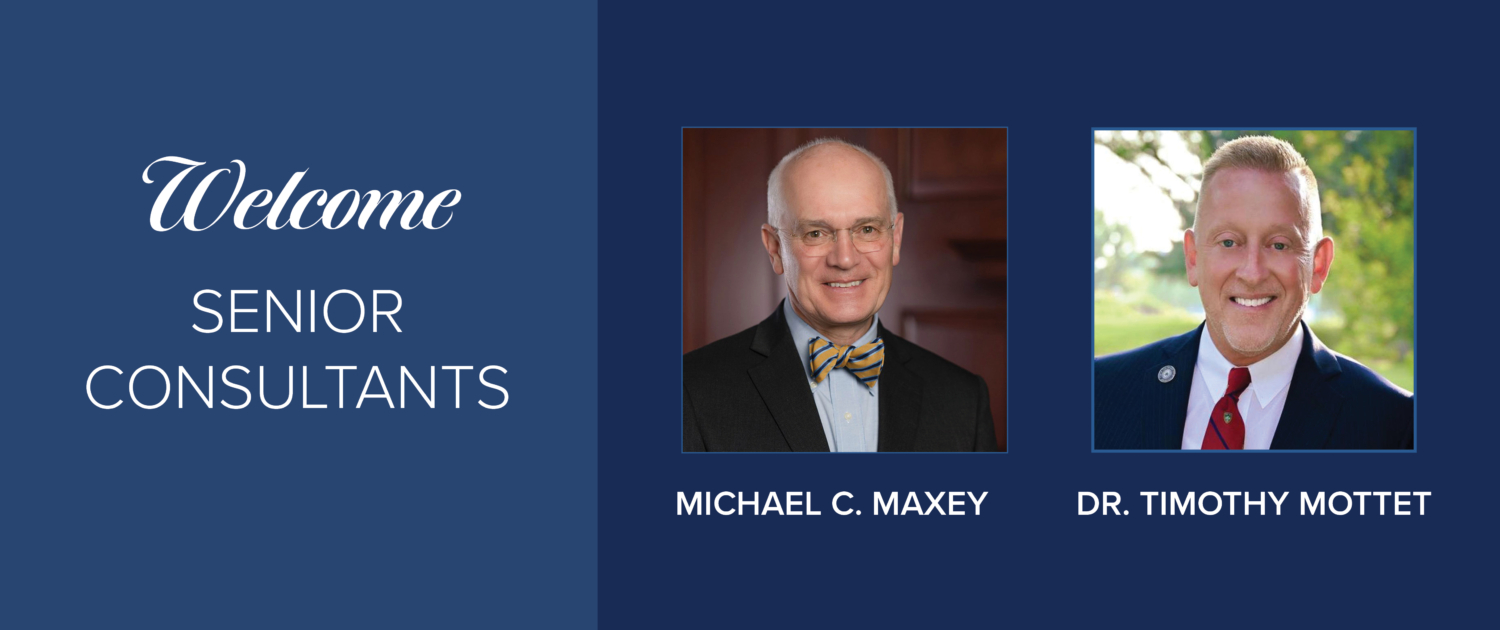 https://www.academicsearch.org/wp-content/uploads/2024/06/SC-Announcement-June-2024-1200x500-1-scaled.jpg
1066
2560
Academic Search
https://www.academicsearch.org/wp-content/uploads/2026/03/50th-Anniversary-Academic-Search-Horizontal-RGB-1030x314.jpg
Academic Search2024-06-11 15:43:142026-10-01 14:19:27Academic Search Welcomes Mike Maxey and Timothy Mottet as Senior Consultants
https://www.academicsearch.org/wp-content/uploads/2024/06/SC-Announcement-June-2024-1200x500-1-scaled.jpg
1066
2560
Academic Search
https://www.academicsearch.org/wp-content/uploads/2026/03/50th-Anniversary-Academic-Search-Horizontal-RGB-1030x314.jpg
Academic Search2024-06-11 15:43:142026-10-01 14:19:27Academic Search Welcomes Mike Maxey and Timothy Mottet as Senior Consultants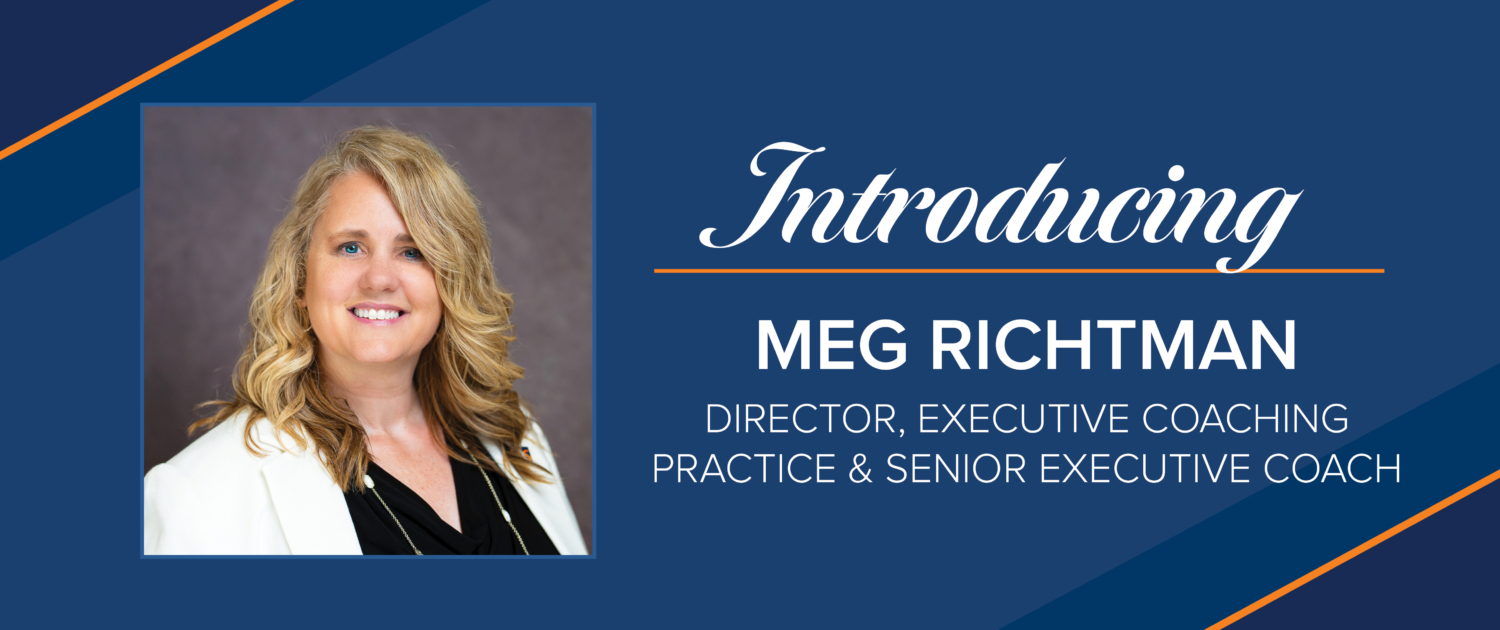 https://www.academicsearch.org/wp-content/uploads/2024/05/Meg-Richtman-Announcement-1200x500-1-scaled.jpg
1066
2560
Academic Search
https://www.academicsearch.org/wp-content/uploads/2026/03/50th-Anniversary-Academic-Search-Horizontal-RGB-1030x314.jpg
Academic Search2024-05-25 13:37:262026-10-05 12:36:48Strengthening Our Executive Coaching Practice with New Director
https://www.academicsearch.org/wp-content/uploads/2024/05/Meg-Richtman-Announcement-1200x500-1-scaled.jpg
1066
2560
Academic Search
https://www.academicsearch.org/wp-content/uploads/2026/03/50th-Anniversary-Academic-Search-Horizontal-RGB-1030x314.jpg
Academic Search2024-05-25 13:37:262026-10-05 12:36:48Strengthening Our Executive Coaching Practice with New Director https://www.academicsearch.org/wp-content/uploads/2024/04/Leaving-the-Presidency-with-Grace-1200x500-1-scaled.jpg
1066
2560
Tara Singer
https://www.academicsearch.org/wp-content/uploads/2026/03/50th-Anniversary-Academic-Search-Horizontal-RGB-1030x314.jpg
Tara Singer2024-04-01 12:33:482026-10-01 15:42:34Leaving the Presidency with Grace
https://www.academicsearch.org/wp-content/uploads/2024/04/Leaving-the-Presidency-with-Grace-1200x500-1-scaled.jpg
1066
2560
Tara Singer
https://www.academicsearch.org/wp-content/uploads/2026/03/50th-Anniversary-Academic-Search-Horizontal-RGB-1030x314.jpg
Tara Singer2024-04-01 12:33:482026-10-01 15:42:34Leaving the Presidency with Grace https://www.academicsearch.org/wp-content/uploads/2024/03/HERS-Executive-Coaching-Circles-2024-1200x500-1-scaled.jpg
1066
2560
Academic Search
https://www.academicsearch.org/wp-content/uploads/2026/03/50th-Anniversary-Academic-Search-Horizontal-RGB-1030x314.jpg
Academic Search2024-03-13 16:59:162026-10-05 12:24:12HERS Executive Coaching Circles: Empowering Women Leaders in Higher Education
https://www.academicsearch.org/wp-content/uploads/2024/03/HERS-Executive-Coaching-Circles-2024-1200x500-1-scaled.jpg
1066
2560
Academic Search
https://www.academicsearch.org/wp-content/uploads/2026/03/50th-Anniversary-Academic-Search-Horizontal-RGB-1030x314.jpg
Academic Search2024-03-13 16:59:162026-10-05 12:24:12HERS Executive Coaching Circles: Empowering Women Leaders in Higher Education https://www.academicsearch.org/wp-content/uploads/2024/02/CV-Tips-Flanagan-1200x500-1-scaled.jpg
1066
2560
Scott Flanagan
https://www.academicsearch.org/wp-content/uploads/2026/03/50th-Anniversary-Academic-Search-Horizontal-RGB-1030x314.jpg
Scott Flanagan2024-02-22 10:01:112026-10-01 14:59:08Crafting Effective Application Materials for Academic Leadership Roles
https://www.academicsearch.org/wp-content/uploads/2024/02/CV-Tips-Flanagan-1200x500-1-scaled.jpg
1066
2560
Scott Flanagan
https://www.academicsearch.org/wp-content/uploads/2026/03/50th-Anniversary-Academic-Search-Horizontal-RGB-1030x314.jpg
Scott Flanagan2024-02-22 10:01:112026-10-01 14:59:08Crafting Effective Application Materials for Academic Leadership Roles https://www.academicsearch.org/wp-content/uploads/2023/09/Hispanic-Heritage-Month-1200x500-1-scaled.jpg
1066
2560
Carlos Medina
https://www.academicsearch.org/wp-content/uploads/2026/03/50th-Anniversary-Academic-Search-Horizontal-RGB-1030x314.jpg
Carlos Medina2023-09-18 08:31:432026-10-01 14:59:17Celebrating Hispanic Heritage Month 2023
https://www.academicsearch.org/wp-content/uploads/2023/09/Hispanic-Heritage-Month-1200x500-1-scaled.jpg
1066
2560
Carlos Medina
https://www.academicsearch.org/wp-content/uploads/2026/03/50th-Anniversary-Academic-Search-Horizontal-RGB-1030x314.jpg
Carlos Medina2023-09-18 08:31:432026-10-01 14:59:17Celebrating Hispanic Heritage Month 2023 https://www.academicsearch.org/wp-content/uploads/2023/09/Mary-Kennard-Announcement-1200x500-1.jpg
1042
2500
Academic Search
https://www.academicsearch.org/wp-content/uploads/2026/03/50th-Anniversary-Academic-Search-Horizontal-RGB-1030x314.jpg
Academic Search2023-09-14 14:30:472026-10-05 12:24:46Introducing Our Newest Senior Consultant: Dr. Mary E. Kennard
https://www.academicsearch.org/wp-content/uploads/2023/09/Mary-Kennard-Announcement-1200x500-1.jpg
1042
2500
Academic Search
https://www.academicsearch.org/wp-content/uploads/2026/03/50th-Anniversary-Academic-Search-Horizontal-RGB-1030x314.jpg
Academic Search2023-09-14 14:30:472026-10-05 12:24:46Introducing Our Newest Senior Consultant: Dr. Mary E. Kennard https://www.academicsearch.org/wp-content/uploads/2023/08/10-Commandments-for-Boards-Welcoming-New-Leaders-1200x500-2.jpg
1042
2500
Pamela Balch
https://www.academicsearch.org/wp-content/uploads/2026/03/50th-Anniversary-Academic-Search-Horizontal-RGB-1030x314.jpg
Pamela Balch2023-08-23 11:51:112026-10-01 15:39:5610 Commandments for Boards and New Presidents
https://www.academicsearch.org/wp-content/uploads/2023/08/10-Commandments-for-Boards-Welcoming-New-Leaders-1200x500-2.jpg
1042
2500
Pamela Balch
https://www.academicsearch.org/wp-content/uploads/2026/03/50th-Anniversary-Academic-Search-Horizontal-RGB-1030x314.jpg
Pamela Balch2023-08-23 11:51:112026-10-01 15:39:5610 Commandments for Boards and New Presidents https://www.academicsearch.org/wp-content/uploads/2023/07/Bensimon-Associates-Response-1200x500-1.jpg
1042
2500
Carlos Medina
https://www.academicsearch.org/wp-content/uploads/2026/03/50th-Anniversary-Academic-Search-Horizontal-RGB-1030x314.jpg
Carlos Medina2023-07-25 14:46:152026-10-01 15:40:07Ensuring Equity in the Search Process
https://www.academicsearch.org/wp-content/uploads/2023/07/Bensimon-Associates-Response-1200x500-1.jpg
1042
2500
Carlos Medina
https://www.academicsearch.org/wp-content/uploads/2026/03/50th-Anniversary-Academic-Search-Horizontal-RGB-1030x314.jpg
Carlos Medina2023-07-25 14:46:152026-10-01 15:40:07Ensuring Equity in the Search Process