Leaders on Leadership Featuring Dr. Heidi Anderson, President of the University of Maryland Eastern Shore
Dr. Heidi Anderson, President of University of Maryland Eastern Shore, talks about the mentors who influenced and encouraged her on her path to leadership. Dr. Anderson discusses the myriad benefits of public higher education and the challenges facing institutions as they work to address changes to the business model and the learning model in a post-pandemic world.
Episode Transcript
Jay Lemons:
Hello, and thank you for listening. I’m Jay Lemons. Welcome to Leaders on Leadership brought to you by Academic Search and the American Academic Leadership Institute. The purpose of podcast is to share the stories of the people and forces that have shaped leaders in higher education and to learn more about their thoughts on leadership in the academy. I’m delighted to be joined today by Dr. Heidi Anderson. Heidi is the current president at the University of Maryland Eastern Shore, a post she has helped since September, 2018. Her previous administrative leadership roles include positions at Texas A&M-Kingsville, University of the Sciences in Philadelphia, and the University of Kentucky. Heidi’s a three-time graduate of Purdue and her native State of Indiana. She hold the PhD in pharmacy administration, and has served as president and vice president of the Accreditation Council for Pharmacy Education. Welcome, Heidi.
Heidi Anderson:
Welcome, Jay. It’s great to be here. Thank you for having me.
Jay Lemons:
It’s a thrill to have you and to have a little chance to catch up. Heidi, and for our listeners need to know that I had the distinct pleasure of getting to know you through participation in our Executive Leadership Academy of AALI. And also, as I recall, through the ACE ascending to the presidency program. And we really then ended up becoming deeply acquainted in the search that brought you to the University of Maryland Eastern Shore. And through that process I learned some about your background and path to leadership, but I’d love for you to open up today by sharing some of your story. I talk about whatever you would wish about the people, the events, and the opportunities that have made you the person you are, that have forged you into the leader that you are, and to hear a little bit about your journey.
Heidi Anderson:
I’d be happy to do that, Jay. And first I say, I agree. We have forged a relationship over a period of years here from several different points of view. And it’s been really very fun for me having you as a good friend and colleague. But just talking about leadership, I have to start from the fact that I’m a first-generation college students and the product of being raised by a single parent in the middle of extreme poverty. I grew up in Gary, Indiana. And the one thing that my mother impressed upon me was the way to get out of poverty was education. And so you can say that access and affordability has been ingrained in me from a child. Interesting enough, I knew about Purdue University, but really wasn’t even sure if I would fit in there. And along comes a recruiter from Purdue in my high school year, Dick Weaver was his name, and was recruiting students from inner cities to Purdue, and really helped begin to shape my thinking about access way before I knew that as a buzzword.
But I got recruited, and the rest is history as they say. But along the way, once I finished my pharmacy degree and my graduate degrees, instead of working in a pharmacy I started looking at higher ed. And I started looking at higher ed from the standpoint of being able to give back like Dick Weaver and like my mother had encouraged me to do, “Go and get an education.” So, from a leadership perspective, well, after practicing as a faculty member, and moving up the ranks, and then becoming a department chair, first full raise into leadership, I had people who saw things in me that I didn’t see from the standpoint of what’s that next step? And the first person that saw something in me was Kumble Subbaswamy. Swamy is chancellor at UMass Amherst, and brought me in as his associate provost when he was at the University of Kentucky. And he said, “I’m going to mentor you into becoming a provost, even if you don’t want to be one or not.” And I’m thinking, “I have no idea about being a provost.”
But he mentored very well. And what did I do? I became a provost. From there I got to work with two extremely amazing presidents, one, Dr. Helen Giles-Gee in youth sciences, and learned a lot from her. I went from there to Kingsville after Helen decided to retire. I went to Kingsville and worked with Steve Tallant for a short while there. And in both of those situations, just like with Swamy, they saw things and said, “I want to work with you.” But I’ll tell you another interesting person that had impact from the standpoint of my leadership thinking, and that was Millie Garcia. I met Millie in 2017 when I was a provost and she was receiving an award at ACE. And that award had something to do with diversity and inclusion.
And listening to her talk about how she reshaped California’s CSU Fullerton I was just enamored with that. I had never met her afterwards, and ran up to her and talked with her, and she says, “You should think about becoming a president.” And she kind of planted that seed, and I just kind of ignored it. But that’s where going back working with Helen she really kind of germinated that and help it really come to fruition, and then alone comes Linda Bleicken and she says, “You would be good at this.” And the rest is history.
Jay Lemons:
I love it. Millie, of course, a dear friend and colleague, and in fact the inaugural guests on Leaders on Leadership. And to hear her share her own story, and for that to be a part of the library now connecting the two of you is fabulous. Thank you for sharing that.
Heidi Anderson:
You’re welcome.
Jay Lemons:
I also got to say I grew up in a family in which my parents were the graduates of Chadron State College, an AASCU institution, and they were first generation. My grandfather who was still living until I became a president wanted my entire life wanted me to be a pharmacist. And frankly I think he was a little bit disappointed. He had some pride, but you would’ve been the embodiment of complete pride for my grandfather, a pharmacist and a university president.
Heidi Anderson:
Thank you, Jay.
Jay Lemons:
Well, your own experience is a testament to the power of education. I know that your journey and those examples that you’ve just shared really shape your passion. And I’d love for you to talk a little bit about how other leaders can contribute to improving access to education for all, but particularly those members who are citizens in our country that have been so dramatically underserved.
Heidi Anderson:
Of course, I’d love to share that. I think from a leadership standpoint it’s at all levels, not just the presidency. But I think our leaders need to recognize this, especially those who are aspiring to presidencies, that for individuals who are underrepresented… And when we typically say underrepresented minorities, really access and affordability is critical. And what leaders need to do, I think we need to be able to recognize we have to be able to tell that story to legislatures, and really bring the perspective of what the vision and the mission of our institution is to those individuals. We really have to take the time to articulate to them the value of an education, the achievement gap, the social mobility, making sure that we can blend that into the communities and blend those into those individuals, and give back to society.
I think that’s a critical part of what I think a leader is. When I look at other leaders along the spectrum there in higher education, everyone on the campus who is in a leading role has to do the same thing when it comes to the community. So the community around where the institution might be, but the community in where we send our students from a workforce standpoint, and again, resonating explaining to them, these students contribute back. They contribute back to the economy. They contribute back to the workforce and help our society in many, many ways. And to me that a story you can never be told. It must be told multiple times in multiple ways. And we tell it by sharing the successes of our students. It’s what keeps me passionate about this. Someone like myself. Someone who wants to rise up from poverty make a really big impact on it on life, and you’re there to help shape that.
Jay Lemons:
Oh, amen. I appreciate that you started and put a focus on public policy and speaking with legislatures. They are the ones who appropriate the public purse. And higher education is a major public investment. I often worry that sometimes lost in this, and your comments brought it forward in a really powerful way, of course, the power of education transforms lives like yours and mine. I too was a Pell Grant kid, and life’s never been the same. And that changes the trajectory for many families, but it’s the investment… We don’t focus quite enough, I’m afraid, on the public benefit that comes for those who have the good fortune of a college education. There’s more contribution by way of taxes, more active participation as civic leaders, and a more informed citizenry that helps to make the democracy better.
Heidi Anderson:
I was about to say the exact same thing. And then you look at getting into the tangibles like the workplace, you have less sick days. You have individuals who can climb that career ladder and contribute in those ways. And what’s important, I think, Jay, from a leadership standpoint is for our leaders to understand many of those individuals who sit in our state and federal legislative bodies many of them come from the Ivy Leagues, or they come from higher echelon institutions that are not like AASCU institutions. And so they forget, that when they think about a college education they think of it from their perspective, or from their staffer’s perspectives who are all running around in Harvard or Yale. And I don’t mean any disrespect to any of the Ivies, but the access and opportunity impact really it’s important that we share that with those individuals and let them know the bulk of our students do not come from the kind of institutions they’re thinking and dreaming of.
Jay Lemons:
Yeah. You are right. And I will tell you that no one in my family would’ve ever conceived of being involved in public office, in part because of the socioeconomic gaps. States with part-time legislative bodies and many of those legislators serve at great personal sacrifice, but it’s fascinating. We could go on all day and I get it. It’s just fun to have this chance to visit. I want to change subjects in some ways. Talk with me about what you think makes a good leader. And by the way, by good I don’t mean grade B, I really mean someone who is virtuous, ethical, effective, and ultimately, successful leader. What makes that?
Heidi Anderson:
Very good question, Jay. And I think one of the things you said really makes that, the ethical part, the being trustworthy, the highest level of integrity, the usual tangible things like good listener. When I mean listener I mean listening with your heart, as well as your mind, your ears, because to me those are critical when you’re a leader. I think being able to have a shared vision with whoever you’re leading, whether you’re a university president leading institution, or whether you’re in a team sport and you’re leading that group, but having that shared camaraderie and that shared vision.
I think the other thing that makes a really effective leader is being able to tell the story of the organization that you represent, Okay? And being able to tell that story succinctly. Going back to the legislatures you sometimes only get 30 seconds with them, so you got to quickly tell that story and point out, “My students are Pell.” “My students are safer here on my campus.” “They’re excellent students,” et cetera, et cetera. So to me those are the things that make a good leader. And the last thing I would say is recognizing that none of this work can be done only by you. It takes a team effort. So that means surrounding yourself with the right team, the right individuals who compliment you. To me those are the elements of a good leader.
Jay Lemons:
I appreciate your sharing. And it hearkens to some of the dimensions of our Executive Leadership Academy curriculum, where you heard about mastering the importance of understanding and telling the institutional story in saga. And that leadership is a team sport. It’s not a solo sport or individual sport. So I’m glad to hear that you’re finding efficacy in some of that.
Heidi Anderson:
What’s interesting is I forgot about the curriculum, so I must have inculcated the teachers who must have done so well making it.
Jay Lemons:
I can tell you I’m beaming with pride. One of my goals with this series is to create a library for those who might be thinking about aspiring to leadership, and providing a forum for you. And I know you have been so good and are doing this in other forums. But in our forum talk a little bit about what advice you would have for those who either aspire to leadership or are new to leadership.
Heidi Anderson:
Okay. For aspiring leaders I think the first thing I would tell them is to know yourself. So become really self-aware of who you are, your comfort level or are you the type that your energy is derived from external sources versus internal? Because that’s going to drive your leadership, and especially if you’re aspiring to the presidency. The presidency and all the curriculum that you guys told us it’s no way you could have prepared us for this without us providing it on our own. It’s a 24/7 job. It really is. And you need to know yourself where you get re-energized. I think other advice I would give them is being comfortable in different settings. Make sure that you can be comfortable. You may wake up one day and have to be with the students who can give you that energy that you need, and then, unfortunately, have to go to a funeral the same day.
So you’ve got to be able to prepare yourself in both ways, all in one day, from the highest to the lowest of lows. I would tell them recognize, especially if you’re going to the presidency, is this is a solo experience and from the standpoint of accolades. If you’re used to getting applauded, or rewarded, or attaboys, or whatever it might be, you don’t get that in this. You get a lot of complaints. But the attaboys goes to your team and you really never hear the feedback. And so if that is something that you just thrive off of or in need recognize at the presidency that’s not going to happen every single day. You have to figure ways to get that. And I think the last thing I would advise aspiring leaders on is to always recognize it is a continual learning process. So watch other leaders on Ted Talks or on YouTubes. And those who model behaviors that you want to have for in yourself, pay attention to that and try to work that into your development.
And I said it was the last thing, but here’s one other thing, and that is, as I said earlier, make sure you surround yourself with a really, really good team. A team who compliments you. So, for example, I know that I’m an introvert, so I make sure I’ve gotten some of members of my team who are more extroverted. And when I’m having my low days or periods I’m connected with one of them so we can work the room together, or do whatever needs to be done together. I know that I want someone who challenges me and not just to be a yes person. So that’s what I meant by being self-aware of what you want around you.
Jay Lemons:
Wonderful, wonderful advice. I could go back, but then in the interest of time I’ll discipline myself and say talk with me next about what you see as the biggest critical challenges facing higher ed.
Heidi Anderson:
Right now, Jay, it’s interesting. These challenges have always been there, but I think COVID has revealed them. It’s a two-pronged challenge. I call it the learning my model and our business model needs to change. The learning model is not just about going out there and getting high school kids and bringing them into the academy, and putting in through four years anymore and letting them go, and that’s where we are getting our revenue stream from, because as we know, that was changing and that model was dwindling even before COVID. COVID has exacerbated at that. Our business model, on the other side, the same thing. To me those are the two greatest challenges.
So how do I move forward in a post-COVID world where I’m looking at it’s not just on-ground classes anymore? Is it a mix of hybrid? Is it certificates? Is it badges? Is it the adult learners? Is it transfer? Whatever it is. We have to look at that. Again, I hate to keep going back to the legislature, but that’s how I started my day to day, so they’re on my mind, convincing them that I still need brick and mortar, because an AASCU type of a learner is not going to go and fit in places. They need to be here on campus. They need to have this place. So I still have to be able to have those kind of things. So that’s what I think is the biggest challenge for us to figure out what is going to be our learning model and our business model going forward.
Jay Lemons:
Excellent. Excellent. Do you think that leadership today requires newer different skills than in the past or?
Heidi Anderson:
If you had asked me before COVID I would’ve said no, but now with COVID I think leaders need to be able to know how to deal with the complexities of things a lot faster and how to be a lot more agile and flexible. COVID showed us all that, hey, think about it, in higher ed to change a course used to take a year. We did in two weeks with the policies that we have. So I think we have to we have to have that different kind of skill set, the skill set that business leaders bring to the table, but we also have to have that caring skill set and not lose sight of that. So, what do they call it? A good, strong emotional intelligent leader.
Jay Lemons:
Yeah. Well, and it is interesting. You’re absolutely right. An agility and a nimbleness that shocked all of was found in higher education. And what will the shape be as it goes back? And my sense is that we care a lot in higher education, and we’ve been well served by attending the process, and yet there are times where process has been an impediment to speed. And so what’s the right balance as we find our way forward? But it’s hard to imagine it ever going back.
Heidi Anderson:
I agree. I agree. Yeah.
Jay Lemons:
Well, I want to next move it a little more of what I call lightning round. Some of this is a little light, some of it’s I hope fun, and you can answer in whatever depth you would want [inaudible 00:21:54]. Who most influenced you?
Heidi Anderson:
Wow. To be the person I am telling you probably was Dick Weaver, that recruiter that I told you about. Yeah.
Jay Lemons:
Phenomenal. Thank you. What book has most influenced you?
Heidi Anderson:
Michelle Obama’s on Becoming.
Jay Lemons:
Love it. Love it. Thank you. What’s your fondest memory of your own undergraduate experience in West Lafayette?
Heidi Anderson:
This one’s interesting. Since I was a pharmacy student, my fondest memory was when I finally got into the lab and was able to make something, so I made ointment that I actually was able to use. And it was amazing. I could have said the funniest memory was me making suppositories, because I’m always too hot. Never could get those things to mold right. My hands are too warm.
Jay Lemons:
I love it. And we’re a little light here on a Friday afternoon, it reminds me of a group of chief development officers who we’re sitting around talking about, “What’s the most absurd thing you’ve ever had to do?” And, one of them said, “Well, I had to give one of my best donors a suppository made in the hands of Heidi Anderson.” You could be a full service. Hey, talk about your favorite campus tradition at a place you’ve attended or served.
Heidi Anderson:
It sounds strange but my favorite tradition is commencement.
Jay Lemons:
Not strange at all.
Heidi Anderson:
I mean, I just love the [inaudible 00:23:41] circumstance, the whole thing, regalia. I just love that everywhere I’ve been. And it makes me cry every time.
Jay Lemons:
There’s so much truth to that. It comes at the end of a long, long, long run, and yet, boy, that day your energies are refueled and you’re ready to start again the next day, aren’t you?
Heidi Anderson:
It does. But here’s the thing that gets to me, it’s the students. Seeing a face of a student who I met as a freshman, and then watching them come up there, that four or five-year maturity, that’s so unique and different. That’s what gets to me. And it never goes away every single time.
Jay Lemons:
Absolutely true. And Heidi, you’ve got incredible credentials, again, ones that I know my grandfather would’ve deeply valued and admired. And so I don’t know whether to take you out of this. I think I might want to push you. If you had not worked in pharmacy education or in higher ed, what do you think you might have done?
Heidi Anderson:
If I had not worked in higher ed I probably would’ve stayed in pharmacy as in open my own store.
Jay Lemons:
I know. I want to push you. [inaudible 00:25:06] pharmacy even. And were there other paths that had appealed to you? Or were you one of those people who had real clarity and discernment early on?
Heidi Anderson:
I had real clarity and discernment early on, but if I had had the talent and skills I probably would’ve, believe it or not, gone the other side and been a dancer. Yes.
Jay Lemons:
Very cool.
Heidi Anderson:
Yeah.
Jay Lemons:
And so what form of dance might you have imagined gracing a stage with?
Heidi Anderson:
Probably modern dance, jazz, a little bit of tap. Yes. Because I love the theater, but, of course, hey, dancers don’t make any money.
Jay Lemons:
You know what? They say that about educators too and it’s worked out for you. And thank goodness you followed that calling. I mean, I think it’s very interesting, there’s such a wide range of people. I just think about in my own life, people who knew early on what they wanted to do, others who are in sort of an ongoing series of discernment about what it is that they’ll do with their time and their talent. So, God bless you for knowing early on what you wanted to do.
Heidi Anderson:
Thank you. I think it stifles you a little bit though, because look, I go from being scientific to being creative, and that side didn’t develop as well.
Jay Lemons:
Heidi, is your mother still living?
Heidi Anderson:
No. No.
Jay Lemons:
What do you think she’d think if she saw you sitting in that office, on this day, engaged in this sort of conversation?
Heidi Anderson:
She would be very, very proud.
Jay Lemons:
I can only imagine. Yeah. Well, congratulations on a life that’s got a whole lot more ahead of it. And I want to kind of move towards our wrap up. And one of our traditions here on Leaders on Leadership is we like to close by asking our guests to share with listeners the distinctive qualities, if you will, the organizational DNA that make University of Maryland Eastern Shore such a very special place and a place that you have chosen to serve.
Heidi Anderson:
Oh, I’d be happy to. First of all, we have wonderful students who come to us from all areas of the country and globally. We have a talented faculty and staff. We have distinctive programs that are aligned not only in liberal arts, but STEM programs, eight health profession programs, including pharmacy and physician assistant and physical therapy. The only Aviation Sciences Program in the state and the only certified PGA Golf Management Program. And we sit on beautiful 1000 acres here in Princess Anne, Maryland. And just a wonderful opportunity, we are also the only research institution on the Eastern Shore, and so we give back in the sense of having our farming, because agriculture’s one of our anchor schools, as well as business technology, education, and our School of Health Professions. That’s who we are, and that’s our focus here. And our mission is all about those individuals accessing opportunity, giving every learner an opportunity to have a college education.
Jay Lemons:
Well, what a joy it was to serve UMES in the search that brought you there, and to come to be acquainted with so many really incredible people who also have an uncommon devotion and love for Princess Anne and for their institution. Wow, you’ve got an extraordinary place there, and I certainly wish you well as you continue on. We’re really grateful to have had you. Appreciate your time and sharing your insights and your wisdom about leadership with us.
Heidi Anderson:
Thank you, Jay. It’s been a pleasure.
Jay Lemons:
Well, listeners, we welcome your suggestions and thoughts for leaders we should feature in upcoming segments. You can send those suggestions to leadershippodcast@academicsearch.org. You can find our podcast on Apple Podcasts, Google Podcasts, and wherever else you find your podcast. It’s also available on the Academic Search website. Again, Leaders on Leadership is brought to you by Academic Search and the American Academic Leadership Institute. Together our mission is to support colleges and universities during times of transition and through leadership development activities that serve current and future generations of leaders in the academy. It has just been a great pleasure to have Heidi Anderson, one of the beneficiaries of that virtuous circle that I just spoke of on our show today. Thank you again, Heidi, for being our guest. It’s wonderful to catch up with you, and keep doing the good work that you are doing there.
Heidi Anderson:
Thank you, Jay. It’s a pleasure.
Jay Lemons:
Thanks.
Heidi Anderson:
Bye-bye.
Listen to More Episodes
Enjoy our content? Join our mailing list.
Share this podcast
Discover More Leading Insights
 https://www.academicsearch.org/wp-content/uploads/2026/09/When-to-Engage-a-Search-Firm-1200x500_02-scaled.jpg
1066
2560
Academic Search
https://www.academicsearch.org/wp-content/uploads/2026/03/50th-Anniversary-Academic-Search-Horizontal-RGB-1030x314.jpg
Academic Search2026-10-20 10:09:142026-10-20 13:51:41When Should Your Institution Engage an Executive Search Firm?
https://www.academicsearch.org/wp-content/uploads/2026/09/When-to-Engage-a-Search-Firm-1200x500_02-scaled.jpg
1066
2560
Academic Search
https://www.academicsearch.org/wp-content/uploads/2026/03/50th-Anniversary-Academic-Search-Horizontal-RGB-1030x314.jpg
Academic Search2026-10-20 10:09:142026-10-20 13:51:41When Should Your Institution Engage an Executive Search Firm? https://www.academicsearch.org/wp-content/uploads/2026/09/Leadership-Pipeline-1200x500_02-scaled.jpg
1066
2560
Jay Lemons
https://www.academicsearch.org/wp-content/uploads/2026/03/50th-Anniversary-Academic-Search-Horizontal-RGB-1030x314.jpg
Jay Lemons2026-09-15 20:15:112026-10-01 15:42:50Higher Education’s Leadership Pipeline is Stronger Than the Headlines Suggest
https://www.academicsearch.org/wp-content/uploads/2026/09/Leadership-Pipeline-1200x500_02-scaled.jpg
1066
2560
Jay Lemons
https://www.academicsearch.org/wp-content/uploads/2026/03/50th-Anniversary-Academic-Search-Horizontal-RGB-1030x314.jpg
Jay Lemons2026-09-15 20:15:112026-10-01 15:42:50Higher Education’s Leadership Pipeline is Stronger Than the Headlines Suggest https://www.academicsearch.org/wp-content/uploads/2025/05/A-Guide-to-Leadership-Renewal-Graphics-1200x500-3-scaled.jpg
1066
2560
Academic Search
https://www.academicsearch.org/wp-content/uploads/2026/03/50th-Anniversary-Academic-Search-Horizontal-RGB-1030x314.jpg
Academic Search2025-05-27 12:23:542026-10-01 14:18:51Leadership Renewal Starts with Intention
https://www.academicsearch.org/wp-content/uploads/2025/05/A-Guide-to-Leadership-Renewal-Graphics-1200x500-3-scaled.jpg
1066
2560
Academic Search
https://www.academicsearch.org/wp-content/uploads/2026/03/50th-Anniversary-Academic-Search-Horizontal-RGB-1030x314.jpg
Academic Search2025-05-27 12:23:542026-10-01 14:18:51Leadership Renewal Starts with Intention https://www.academicsearch.org/wp-content/uploads/2025/03/A-Guide-to-Cabinet-Retreats-Web-Header-1200x500-1-scaled.jpg
1066
2560
Academic Search
https://www.academicsearch.org/wp-content/uploads/2026/03/50th-Anniversary-Academic-Search-Horizontal-RGB-1030x314.jpg
Academic Search2025-03-14 13:23:212026-10-05 12:07:02A Guide to Effective & Strategic Cabinet Retreats
https://www.academicsearch.org/wp-content/uploads/2025/03/A-Guide-to-Cabinet-Retreats-Web-Header-1200x500-1-scaled.jpg
1066
2560
Academic Search
https://www.academicsearch.org/wp-content/uploads/2026/03/50th-Anniversary-Academic-Search-Horizontal-RGB-1030x314.jpg
Academic Search2025-03-14 13:23:212026-10-05 12:07:02A Guide to Effective & Strategic Cabinet Retreats https://www.academicsearch.org/wp-content/uploads/2024/08/Competencies-for-the-College-Presidency-Graphic-1200x500-1-scaled.jpg
1066
2560
Academic Search
https://www.academicsearch.org/wp-content/uploads/2026/03/50th-Anniversary-Academic-Search-Horizontal-RGB-1030x314.jpg
Academic Search2024-09-15 08:00:052026-10-01 14:19:23Competencies for the College Presidency
https://www.academicsearch.org/wp-content/uploads/2024/08/Competencies-for-the-College-Presidency-Graphic-1200x500-1-scaled.jpg
1066
2560
Academic Search
https://www.academicsearch.org/wp-content/uploads/2026/03/50th-Anniversary-Academic-Search-Horizontal-RGB-1030x314.jpg
Academic Search2024-09-15 08:00:052026-10-01 14:19:23Competencies for the College Presidency https://www.academicsearch.org/wp-content/uploads/2024/08/Rodney-Clark-Deloitte-Study-Response-1200x500-1-scaled.jpg
1066
2560
Rodney Clark
https://www.academicsearch.org/wp-content/uploads/2026/03/50th-Anniversary-Academic-Search-Horizontal-RGB-1030x314.jpg
Rodney Clark2024-08-22 08:53:442026-10-01 15:41:11Building Resilient Leadership: Lessons from Deloitte’s Higher Education Trends
https://www.academicsearch.org/wp-content/uploads/2024/08/Rodney-Clark-Deloitte-Study-Response-1200x500-1-scaled.jpg
1066
2560
Rodney Clark
https://www.academicsearch.org/wp-content/uploads/2026/03/50th-Anniversary-Academic-Search-Horizontal-RGB-1030x314.jpg
Rodney Clark2024-08-22 08:53:442026-10-01 15:41:11Building Resilient Leadership: Lessons from Deloitte’s Higher Education Trends https://www.academicsearch.org/wp-content/uploads/2024/06/SC-Announcement-June-2024-1200x500-1-scaled.jpg
1066
2560
Academic Search
https://www.academicsearch.org/wp-content/uploads/2026/03/50th-Anniversary-Academic-Search-Horizontal-RGB-1030x314.jpg
Academic Search2024-06-11 15:43:142026-10-01 14:19:27Academic Search Welcomes Mike Maxey and Timothy Mottet as Senior Consultants
https://www.academicsearch.org/wp-content/uploads/2024/06/SC-Announcement-June-2024-1200x500-1-scaled.jpg
1066
2560
Academic Search
https://www.academicsearch.org/wp-content/uploads/2026/03/50th-Anniversary-Academic-Search-Horizontal-RGB-1030x314.jpg
Academic Search2024-06-11 15:43:142026-10-01 14:19:27Academic Search Welcomes Mike Maxey and Timothy Mottet as Senior Consultants https://www.academicsearch.org/wp-content/uploads/2024/05/Meg-Richtman-Announcement-1200x500-1-scaled.jpg
1066
2560
Academic Search
https://www.academicsearch.org/wp-content/uploads/2026/03/50th-Anniversary-Academic-Search-Horizontal-RGB-1030x314.jpg
Academic Search2024-05-25 13:37:262026-10-05 12:36:48Strengthening Our Executive Coaching Practice with New Director
https://www.academicsearch.org/wp-content/uploads/2024/05/Meg-Richtman-Announcement-1200x500-1-scaled.jpg
1066
2560
Academic Search
https://www.academicsearch.org/wp-content/uploads/2026/03/50th-Anniversary-Academic-Search-Horizontal-RGB-1030x314.jpg
Academic Search2024-05-25 13:37:262026-10-05 12:36:48Strengthening Our Executive Coaching Practice with New Director https://www.academicsearch.org/wp-content/uploads/2024/04/Leaving-the-Presidency-with-Grace-1200x500-1-scaled.jpg
1066
2560
Tara Singer
https://www.academicsearch.org/wp-content/uploads/2026/03/50th-Anniversary-Academic-Search-Horizontal-RGB-1030x314.jpg
Tara Singer2024-04-01 12:33:482026-10-01 15:42:34Leaving the Presidency with Grace
https://www.academicsearch.org/wp-content/uploads/2024/04/Leaving-the-Presidency-with-Grace-1200x500-1-scaled.jpg
1066
2560
Tara Singer
https://www.academicsearch.org/wp-content/uploads/2026/03/50th-Anniversary-Academic-Search-Horizontal-RGB-1030x314.jpg
Tara Singer2024-04-01 12:33:482026-10-01 15:42:34Leaving the Presidency with Grace https://www.academicsearch.org/wp-content/uploads/2024/03/HERS-Executive-Coaching-Circles-2024-1200x500-1-scaled.jpg
1066
2560
Academic Search
https://www.academicsearch.org/wp-content/uploads/2026/03/50th-Anniversary-Academic-Search-Horizontal-RGB-1030x314.jpg
Academic Search2024-03-13 16:59:162026-10-05 12:24:12HERS Executive Coaching Circles: Empowering Women Leaders in Higher Education
https://www.academicsearch.org/wp-content/uploads/2024/03/HERS-Executive-Coaching-Circles-2024-1200x500-1-scaled.jpg
1066
2560
Academic Search
https://www.academicsearch.org/wp-content/uploads/2026/03/50th-Anniversary-Academic-Search-Horizontal-RGB-1030x314.jpg
Academic Search2024-03-13 16:59:162026-10-05 12:24:12HERS Executive Coaching Circles: Empowering Women Leaders in Higher Education https://www.academicsearch.org/wp-content/uploads/2024/02/CV-Tips-Flanagan-1200x500-1-scaled.jpg
1066
2560
Scott Flanagan
https://www.academicsearch.org/wp-content/uploads/2026/03/50th-Anniversary-Academic-Search-Horizontal-RGB-1030x314.jpg
Scott Flanagan2024-02-22 10:01:112026-10-01 14:59:08Crafting Effective Application Materials for Academic Leadership Roles
https://www.academicsearch.org/wp-content/uploads/2024/02/CV-Tips-Flanagan-1200x500-1-scaled.jpg
1066
2560
Scott Flanagan
https://www.academicsearch.org/wp-content/uploads/2026/03/50th-Anniversary-Academic-Search-Horizontal-RGB-1030x314.jpg
Scott Flanagan2024-02-22 10:01:112026-10-01 14:59:08Crafting Effective Application Materials for Academic Leadership Roles https://www.academicsearch.org/wp-content/uploads/2023/09/Hispanic-Heritage-Month-1200x500-1-scaled.jpg
1066
2560
Carlos Medina
https://www.academicsearch.org/wp-content/uploads/2026/03/50th-Anniversary-Academic-Search-Horizontal-RGB-1030x314.jpg
Carlos Medina2023-09-18 08:31:432026-10-01 14:59:17Celebrating Hispanic Heritage Month 2023
https://www.academicsearch.org/wp-content/uploads/2023/09/Hispanic-Heritage-Month-1200x500-1-scaled.jpg
1066
2560
Carlos Medina
https://www.academicsearch.org/wp-content/uploads/2026/03/50th-Anniversary-Academic-Search-Horizontal-RGB-1030x314.jpg
Carlos Medina2023-09-18 08:31:432026-10-01 14:59:17Celebrating Hispanic Heritage Month 2023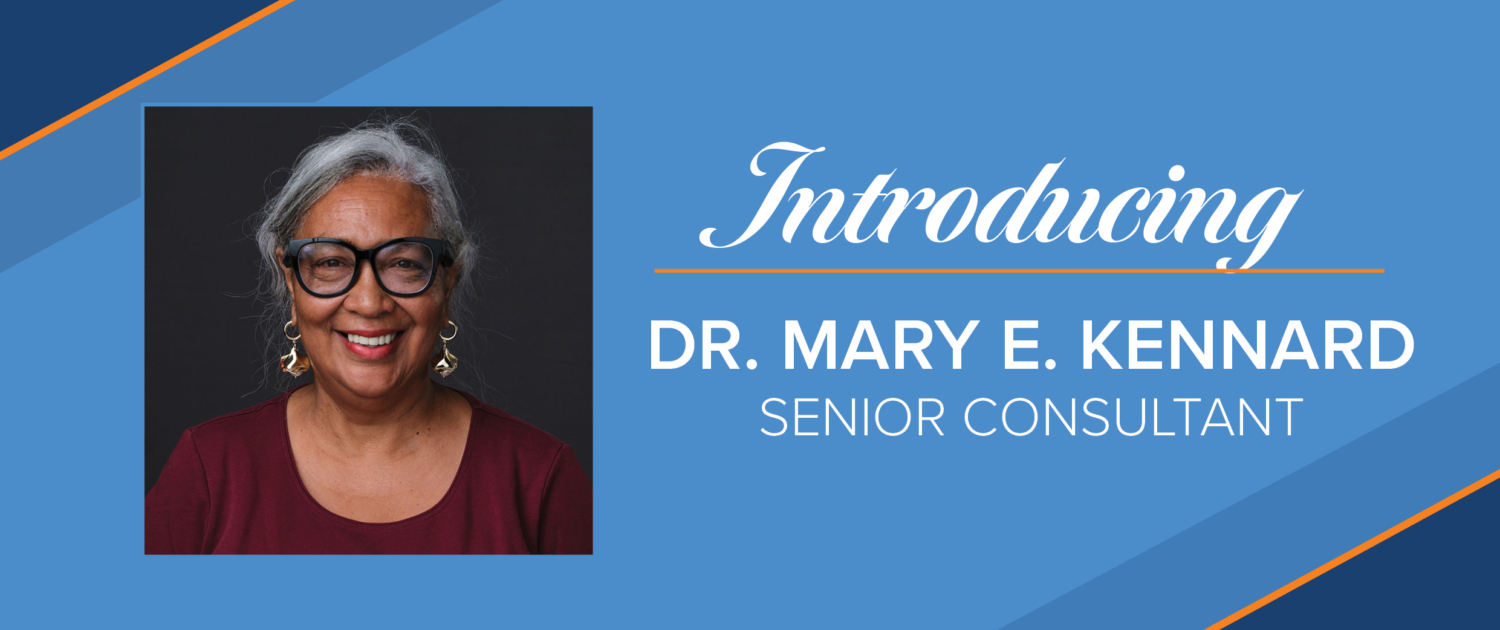 https://www.academicsearch.org/wp-content/uploads/2023/09/Mary-Kennard-Announcement-1200x500-1.jpg
1042
2500
Academic Search
https://www.academicsearch.org/wp-content/uploads/2026/03/50th-Anniversary-Academic-Search-Horizontal-RGB-1030x314.jpg
Academic Search2023-09-14 14:30:472026-10-05 12:24:46Introducing Our Newest Senior Consultant: Dr. Mary E. Kennard
https://www.academicsearch.org/wp-content/uploads/2023/09/Mary-Kennard-Announcement-1200x500-1.jpg
1042
2500
Academic Search
https://www.academicsearch.org/wp-content/uploads/2026/03/50th-Anniversary-Academic-Search-Horizontal-RGB-1030x314.jpg
Academic Search2023-09-14 14:30:472026-10-05 12:24:46Introducing Our Newest Senior Consultant: Dr. Mary E. Kennard https://www.academicsearch.org/wp-content/uploads/2023/08/10-Commandments-for-Boards-Welcoming-New-Leaders-1200x500-2.jpg
1042
2500
Pamela Balch
https://www.academicsearch.org/wp-content/uploads/2026/03/50th-Anniversary-Academic-Search-Horizontal-RGB-1030x314.jpg
Pamela Balch2023-08-23 11:51:112026-10-01 15:39:5610 Commandments for Boards and New Presidents
https://www.academicsearch.org/wp-content/uploads/2023/08/10-Commandments-for-Boards-Welcoming-New-Leaders-1200x500-2.jpg
1042
2500
Pamela Balch
https://www.academicsearch.org/wp-content/uploads/2026/03/50th-Anniversary-Academic-Search-Horizontal-RGB-1030x314.jpg
Pamela Balch2023-08-23 11:51:112026-10-01 15:39:5610 Commandments for Boards and New Presidents https://www.academicsearch.org/wp-content/uploads/2023/07/Bensimon-Associates-Response-1200x500-1.jpg
1042
2500
Carlos Medina
https://www.academicsearch.org/wp-content/uploads/2026/03/50th-Anniversary-Academic-Search-Horizontal-RGB-1030x314.jpg
Carlos Medina2023-07-25 14:46:152026-10-01 15:40:07Ensuring Equity in the Search Process
https://www.academicsearch.org/wp-content/uploads/2023/07/Bensimon-Associates-Response-1200x500-1.jpg
1042
2500
Carlos Medina
https://www.academicsearch.org/wp-content/uploads/2026/03/50th-Anniversary-Academic-Search-Horizontal-RGB-1030x314.jpg
Carlos Medina2023-07-25 14:46:152026-10-01 15:40:07Ensuring Equity in the Search Process