Leaders on Leadership Featuring Dr. Clarence Wyatt, President of Monmouth College
Historian and President of Monmouth College, Dr. Clarence Wyatt, reflects on what we can learn about leading in turbulent times from earlier periods in American history. In addition to sharing his own thoughts about what makes a good leader, he touches upon some of the characteristics that have consistently defined good leaders throughout history.
Episode Transcript
Jay Lemons:
Hello, and thank you for listening. I’m Jay Lemons. Welcome to Leaders on Leadership, brought to you by Academic Search and the American Academic Leadership Institute. The purpose of our podcast is to share the stories of the people and the forces that have shaped leaders in higher education, and to learn more about their thoughts on leadership in the academy. I’m delighted today to be joined by my friend, Dr. Clarence Wyatt. Clarence is the President of Monmouth College in Illinois, a post he’s held since 2014.
He came to Monmouth from his alma mater, Centre College in Kentucky, where he served as the chief planning officer and special assistant of the president, after a long and distinguished career in the classroom. Clarence is a historian, holds a PhD in history and is a specialist, a scholar in America’s involvement in the Vietnam War. He’s also served as a Fulbright Fellow and is actively engaged in a number of boards in the service of higher education associations and civic organizations.
Clarence, your six years at Monmouth have seen the college experience a tremendous period of transformation and change and plenty of challenges. We’re now in the midst of a historic challenge presented by the pandemic. I was really pleased and delighted to see Monmouth held up and you and your leadership team featured in the Chronicle a few weeks ago, about the way small colleges are finding their way through and are seeking to be sustained and to survive in these unprecedented times. I want to tell you now how much I appreciate the work that you and all of your colleagues and the incredible board of trustees that you have at Monmouth do in terms of furthering a distinctive mission, and really happy to have you on our podcast. So welcome, Clarence.
Clarence Wyatt:
Well, thank you, Jay. And thanks for the kind words. That means a lot coming from you, as you know.
Jay Lemons:
Well, it really is a special pleasure, and Monmouth is one of those places that is far too often referred to as a hidden gem, and we need more of these gems to be more widely understood. That’s for certain. One of the goals for this podcast is we get a chance to learn a little bit more about what makes up the people who are the leaders in the academy, and I’d love for you to talk a bit about some of the people, the events, and the opportunities that really have forged you into the person and leader that you are today.
Clarence Wyatt:
We could be here for a long time if I tried to talk about everybody, but I’ll do a few. It of course starts with my parents. I was not only first generation college, I was first generation high school. My parents’ formal educations didn’t go past the eighth grade, but they were two of the smartest people I ever knew and both valued education very, very much, and so that certainly starting with them. I was fortunate. I’m the third of three, and my older brother and sister both were very supportive of me all the way through. And I was blessed like a lot of people are to have great teachers, great guidance counselors, all the way through elementary, secondary, college, graduate school as well, and had wonderful mentors in the four presidents whom I served. Really the sort of fundamental thing is that from my earliest memory, learning and the power of learning to shape a life have been there.
Jay Lemons:
Wonderful. A native of the State of Kentucky?
Clarence Wyatt:
Yes.
Jay Lemons:
What town?
Clarence Wyatt:
Hopkinsville, which is in far Western Kentucky, the Pearl City of the Pennyroyal, as it likes to call itself.
Jay Lemons:
So it was a very big deal to find your way all the way over to Danville, Kentucky, then. How did you choose Centre?
Clarence Wyatt:
I think in some ways it chose me. I was really guided that way. The high school I went to had sent a pretty steady stream of really strong students to Centre over the years. One of the most prominent businessmen in my hometown was a man named Golladay LaMotte, universally respected. He was not only a Centre alumnus, but a Centre trustee, so he was an influence. My senior guidance counselor’s daughter went to Centre as well, and my two closest friends were also interested in Centre. So in some ways it was the only place that I really looked at.
Jay Lemons:
Well, I love your answer, and I think its relevance is not lost even though we have incredible technology and tools that are much more sophisticated for the college search. But you had people in your life who were encouraging you on the path of higher ed and were encouraging on a path towards a particular institution. No doubt that continues to be critical in helping people find their way to Monmouth College in Monmouth, Illinois as well, that “it chose me” and that sense of, “There’s a place here and I can grow and learn here.” That’s an important and valuable lesson right off the bat, so thank you.
I want to now turn in a slightly different way, Clarence. I like to talk about what makes a good leader, and by good, I don’t mean grade B, I really mean virtuous, effective, and successful leadership. What’s that look like for you?
Clarence Wyatt:
Oh gosh. There’s lots of ways you could answer that. Well, certainly the ability to achieve the goals for the organization, to achieve what needs to be achieved on behalf of the institution or the organization. But there are a variety of ways to get there, and what is most successful, most effective in the long term really is your first word, virtuous. I think an effective leader has to be honest, honest with him or herself, has to be honest with the individuals whom they serve. Honesty is always good, but often not easy. So that’s certainly one.
I think you have to hit the right balance of humility and confidence, and that can be a movable line sometimes, depending on the situation. But people naturally gravitate to people who are confident in themselves and confident in the organization that they serve. But you also have to be humble about it. I think one of our mutual dear friends, John Rausch, always liked to say that he took his job very seriously, but he did not take himself in the job too seriously. And I think that’s a great way to think about that.
And I think a capacity for joy is essential, and I think it’s even more important now. It is easy to get mired down in the irritants and the challenges and the negativity of a particular day, and certainly you can’t be a Pollyanna. You have to be clear-eyed in any sort of leadership role, but I think you have to maintain a capacity for joy, otherwise you’re going to burn yourself out and you’re going to burn everybody around you out.
Jay Lemons:
Well said. Well said. When you’re pulling together a team, and one of my fundamental convictions is that leadership is not an individual sport, it’s a team sport, what are you looking for in the leaders that you pull in to be a part of your team?
Clarence Wyatt:
Well, one of them is that capacity for joy. I mean, I want people that I enjoy being around and people who see the fun in what it is that we’re engaged in. Sometimes people have asked me, what do you enjoy? And usually this question will from friends on the board. Sometimes it’ll happen, say, “Are you still having fun? Do you still enjoy being president of the college?” And I say, “I do almost every day.” But you have to be able to maintain that focus, so certainly that’s one of the elements that would be in there.
Look for people who are smarter than me. You want people who are smart, who can think, and who are willing to say, “You know, Clarence, maybe there’s another way to look at that,” who are willing to do that, that’s certainly part of it. But then people who share all those other attributes as well, honesty and passion and a good combination of humility and confidence. I’ve been blessed to have, I glanced over at my conference table, I’m blessed to have a great group of people who figuratively sit around that table with me.
Jay Lemons:
Indeed, indeed. You know, a part of the folks that we know who are going to benefit from Leaders on Leadership are participants in AALI’s leadership development programs, people who want to know and really seek advice from people like you. I’d love for you to offer any advice you have for those who aspire to leadership.
Clarence Wyatt:
Oh gosh, again, we could be here all day for that. I think a quick reaction is to always try to maintain an open mind and an open heart. It can be easy in a leadership position to become isolated, even in a small setting like the institutions that you and I have been fortunate to serve. It can be easy to become isolated, and sometimes it’s the pressures of the day that do that. As much as possible, be willing to listen to other people, to make yourself try to see other points of view, even if in the end you still disagree with that point of view and still believe that the path you have is the proper path for the institution at the moment, to keep that open mind.
And the other part of it is to keep an open heart too, because the reality is that these are times of great tension, sometimes conflict. These are times of tension. These are times of conflict in our country in so many different venues and so many different levels. And the uncertainty and the fear that many people are feeling now, it makes it easy to shut yourself off from other people. It makes it easier to hunker down and to not be willing to be engage with people. And that does nobody any good. It does you no good as an individual, and it certainly does the organization that you’re serving no good.
I do a Godspeed at commencement for our graduating seniors, and I ask them to close their eyes and think back over their time at the college. One of the things I say is I ask them to think about your best friend, and then I ask them to think about the person you had to work hardest to like. I think that’s a good guiding thing, that we’re all human beings, but if you’re in a leadership role, you sometimes have to pull yourself out of yourself and be able to watch yourself as you engage. And so maintaining an open mind and an open heart are two of the best pieces of advice I could give.
Jay Lemons:
You know, I really appreciate your comments about the current days, and it does make me think about the scholarly expertise that you have about another period of extraordinary tension in American life. I’d love to hear you just maybe reflect a bit on that and think about what lessons from the mid-’60s to the mid-’70s really apply today and how might that inform especially the path of leaders.
Clarence Wyatt:
I think in a couple of ways. I think, again, going back to this idea of being able to see things from others’ viewpoints, to not be closed off to different perspectives. One of the things that led the United States into the tragic involvement that it had in Vietnam was an inability or unwillingness of people in leadership positions to entertain other viewpoints. And without getting into a lesson about American involvement in Vietnam, there was a group, the people in leadership positions in the late ’50s, early and mid-’60s, saw the world in a particular way. We’re all creatures of our experiences, but until too late, not enough of them were willing to entertain a different perspective on the situation.
Another lesson that plays out of that is intellectual courage, intellectual and moral courage. It takes a lot of courage to admit that you were wrong about something. And it takes a lot of courage to then act on that acknowledgement, while at the same time carving a productive path forward. So I think that would certainly be one of them.
And the other lesson that I would draw is, again, to not be a Pollyanna, but that even with all of the work that is undone, and even with it today on so many fronts, in so many aspects of American society, and as often as it seems we may be taking one step forward and two steps back, that I believe in history as a process of progress. That fitful, inexact, indirect, swerving as it may be, that people of good heart and good intent can make a difference. We’re blessed to be in a setting where we help those people find themselves.
Jay Lemons:
Thank you. I am sure I will owe apologies to Martin Luther King, but it’s good to hear someone of maturity and wisdom say that you believe that the light bends towards justice, continues to hold even in these really challenging times. The arc of the universe bends towards justice.
Clarence Wyatt:
Absolutely. I certainly believe that, because I don’t want to entertain the alternative.
Jay Lemons:
Hear, hear. Hear, hear. Talk about the critical challenges facing leaders today in higher ed, and think about whether, maybe reflect a bit on whether that requires new or different skills and knowledge and different abilities, even.
Clarence Wyatt:
Oh my gosh. The challenges are all the obvious ones. There’s the immediate ones, of course, of dealing with the pandemic. There’s the sort of midterm ones of dealing with social change. Again, this is one of the things that is reminiscent of the ’60s, that we are at a particularly concentrated moment of social change. Right now, we’re in the midst of a very divisive presidential election. All of those circumstances are there to greater or lesser degrees at any moment. Obviously, there’s the, I won’t say existential challenges, but in some cases they are existential challenges, that confront American higher education today in terms of declining demand, the financial challenges that come with that, the ability to remain true to a timeless mission, but to present it in a way that is engaging and relevant to society and engaging and relevant to young people. All of those things are there.
So again, I think that I’m not sure that there’s any new skills or attributes that you need to develop, pardon me, to address those. I just think that all of the standard ones become more important. I do think that one that is particularly important at this moment, it’s always important, particularly important at this moment, is the ability to continue to learn. That’s one of the things that we all say we believe in as a part of our missions, is to prepare young people to be lifelong learners. That’s something we got to hold up for ourselves as leaders, as members of any community, and particularly an academic community.
Jay Lemons:
Wonderful. Thank you. I tend to believe, I think similar to what you just expressed, that good leaders probably could rise in any era. You could pull some of the finest of leadership out of different places in our history and plop them down, and they’re likely distinguished as well. At the same time, you now are more of an expert on COVID-19 testing and pandemic management than you could have ever imagined, so you’ve had to continue to learn and/or to be thinking about change management and how we really push organizations along. But a lot of those core competencies cross the span of time, I think.
Clarence Wyatt:
I think so, too.
Jay Lemons:
Yeah. Moving to what we call a little bit of a lightning round, and I’ll probe you further if I’m moved, but I’d love to have you provide maybe short answers to a whole series of questions. The first one is one I know you’ve given a lot of thought to, because in some ways drawn out of work that we have shared as a part of why I wanted to probe it with other leaders. That is, tell our audience who most influenced you. You made reference earlier, and I’ll let you go back and dig a little deeper if you’d like.
Clarence Wyatt:
Well, and it’ll be a more than one person answer, but I’ll do it quickly. Certainly my parents-
Jay Lemons:
Take your time.
Clarence Wyatt:
… as I said before. My older brother, who’s just one of the smartest, most ethical people that you can imagine, a combat veteran of Vietnam. It’s because of him that I developed this interest in Vietnam and just an extraordinary person, always a role model for me. Lots of great teachers at Centre College, but Charles Lea, for whom I worked as a student assistant for two years, was going to medical school when the Korean War broke out. Dropped out, enlisted in the Marine Corps, was severely wounded in the last couple of weeks of the Korean War. Wasn’t able to go back to med school, but became a history professor. Suffered pain the rest of his life, but was as a person and as a teacher and a scholar, just such a great support for me.
George Herring, who was my dissertation director in graduate school, the leading authority on American involvement in Vietnam, and just a great friend and a great role model. And the four presidents for whom I worked at Centre, certainly each and in their own way. And as you will appreciate, because you know her, my wife Lobie. We could go into a long conversation about each one of those influences, but lots of other people there, but those are the ones I would offer up right now.
Jay Lemons:
Thank you very much. Fondest memory of your own undergraduate experience?
Clarence Wyatt:
Well, I think the statute of limitations has run out on all those. I could point to a million of them, but I tell you, one of them, Centre had a six week winter term then, and you took two courses at a time. It was the winter term of my sophomore year. I was taking a course that had, you probably couldn’t call it this now, it was called ideas and men and it was based on a book by a scholar named Crane Brinton, who was a professor of ancient and modern history at Yale. It’s just this great sort of intellectual history that he wrote that the course was based on.
And I was also taking a literature course. No, I was taking a biography course, an American biography course, at the same time. And there was a day when what we had been talking about in the ideas and men course clicked with what we had talked about in the American biography course. You just had this realization that this stuff all does talk to each other, and that was just like a light bulb going on. So that’s among my fondest dignified memories of my time as an undergraduate.
Jay Lemons:
May the statute of limitations never run out on that one. Thank you. I don’t know how many people actually have the gift of one of those epiphanies of “ha,” and so thank you for sharing. Okay. I’ll put you on the spot in a little more direct way. What are your favorite school colors?
Clarence Wyatt:
White and crimson, and gold and white.
Jay Lemons:
No equivocation in that answer.
Clarence Wyatt:
That’s it. Those are the two.
Jay Lemons:
How about a favorite campus tradition at some place you served?
Clarence Wyatt:
I can give you a couple. I’ll give you a couple at Monmouth and then one at Centre. At Monmouth, of course, we’re the Fighting Scots, and that Scottish tradition is very powerful for us, and it really does become a great sort of unifying thing for everybody on campus, no matter what background you come from. And so the playing of the bagpipes, it really gets everybody, especially when we have football weekends. The pipe band leads the football team into the stadium, and the football team comes in. These guys are holding hands with each other, and that’s such a great moment.
One of our favorite traditions for Lobie and me as well here is that during fall semester finals, we deliver cookies to all of the residence halls. Love to do that. And then at Centre, one of my favorite ones was, there would be one night during fall and spring finals where the faculty and staff would cook breakfast late at night, cook breakfast and serve breakfast to students. That was always fun.
Jay Lemons:
Wonderful. Clarence, if you hadn’t worked in higher education, where do you think you might have been? What might you have done? What was the road not taken?
Clarence Wyatt:
Well, it would be easy to say law school, because I had thought about law school for a long time. In fact, up until the end of my sophomore year at Centre, I thought about going to law school. But I think in reality, the two that were out there other than academia, one of them was the military. I graduated from high school in ’74, and I had unsolicited an appointment to West Point. And my combat veteran of Vietnam brother, even though he was and is tremendously proud of his service, did not think it would be a good idea to go into the military at that moment. But I ended up doing some stuff at West Point in years later, so that always had been out there.
There was a time after I had a beginning to my graduate school career that I interrupted for a while, just because I realized I was tired of school, and I was about to join the Marines at that point. And then another mutual friend of ours, Rick [Naim 00:27:39], came along and hired me to work in development at Centre. So that certainly would’ve been one, but journalism would’ve been the other thing that would’ve been really attractive to me, journalism in some way.
Jay Lemons:
Very good. Thank you. One of our traditions here is we like to close by asking our guests to share with our listeners a bit about the distinctive qualities, if you will, the organizational DNA that make Monmouth a place that has such a special call on your heart.
Clarence Wyatt:
I think we all claim, especially institutions like the ones that you and I serve, smaller residential liberal arts and sciences institutions, we all claim to, and all have legitimate claim to, being places that are really transformative in the lives of young people. That I was blessed to go to and work at a place where that was fundamental, it is to an exceptionally powerful degree at Monmouth. There’s a phrase that has been in long usage at Monmouth, that Monmouth describes itself as being a place that gives students a long runway. And I love that metaphor. Seeing that here was among the many things, but it was among the most powerful things that attracted Lobie and me here.
Jay Lemons:
Fabulous. Clarence, thank you so much for joining us on Leaders on Leadership. We’re really glad to have had you and appreciate you sharing your story and your insights and wisdom about leadership with us.
Clarence Wyatt:
[crosstalk 00:29:36].
Jay Lemons:
Yeah, thank you very much. Listeners, we welcome your suggestions and your thoughts for others we should feature in upcoming segments. You can send those suggestions to leadershippodcast@academicsearch.org. You can find our podcast on Apple Podcasts, Google Podcasts, and wherever else you find your podcasts, as well as on the Academic Search website. Leaders on Leadership is brought to you by Academic Search and the American Academic Leadership Institute. Together, our mission is to support colleges and universities during times of transitions and through leadership development activities that serve current and future generations of leaders in the academy. Our guest today has been Clarence Wyatt. Again, Clarence, thank you so very much for joining us.
Clarence Wyatt:
Thank you, Jay.
Listen to More Episodes
Enjoy our content? Join our mailing list.
Share this podcast
Discover More Leading Insights
 https://www.academicsearch.org/wp-content/uploads/2026/09/When-to-Engage-a-Search-Firm-1200x500_02-scaled.jpg
1066
2560
Academic Search
https://www.academicsearch.org/wp-content/uploads/2026/03/50th-Anniversary-Academic-Search-Horizontal-RGB-1030x314.jpg
Academic Search2026-10-20 10:09:142026-10-20 13:51:41When Should Your Institution Engage an Executive Search Firm?
https://www.academicsearch.org/wp-content/uploads/2026/09/When-to-Engage-a-Search-Firm-1200x500_02-scaled.jpg
1066
2560
Academic Search
https://www.academicsearch.org/wp-content/uploads/2026/03/50th-Anniversary-Academic-Search-Horizontal-RGB-1030x314.jpg
Academic Search2026-10-20 10:09:142026-10-20 13:51:41When Should Your Institution Engage an Executive Search Firm? https://www.academicsearch.org/wp-content/uploads/2026/09/Leadership-Pipeline-1200x500_02-scaled.jpg
1066
2560
Jay Lemons
https://www.academicsearch.org/wp-content/uploads/2026/03/50th-Anniversary-Academic-Search-Horizontal-RGB-1030x314.jpg
Jay Lemons2026-09-15 20:15:112026-10-01 15:42:50Higher Education’s Leadership Pipeline is Stronger Than the Headlines Suggest
https://www.academicsearch.org/wp-content/uploads/2026/09/Leadership-Pipeline-1200x500_02-scaled.jpg
1066
2560
Jay Lemons
https://www.academicsearch.org/wp-content/uploads/2026/03/50th-Anniversary-Academic-Search-Horizontal-RGB-1030x314.jpg
Jay Lemons2026-09-15 20:15:112026-10-01 15:42:50Higher Education’s Leadership Pipeline is Stronger Than the Headlines Suggest https://www.academicsearch.org/wp-content/uploads/2025/05/A-Guide-to-Leadership-Renewal-Graphics-1200x500-3-scaled.jpg
1066
2560
Academic Search
https://www.academicsearch.org/wp-content/uploads/2026/03/50th-Anniversary-Academic-Search-Horizontal-RGB-1030x314.jpg
Academic Search2025-05-27 12:23:542026-10-01 14:18:51Leadership Renewal Starts with Intention
https://www.academicsearch.org/wp-content/uploads/2025/05/A-Guide-to-Leadership-Renewal-Graphics-1200x500-3-scaled.jpg
1066
2560
Academic Search
https://www.academicsearch.org/wp-content/uploads/2026/03/50th-Anniversary-Academic-Search-Horizontal-RGB-1030x314.jpg
Academic Search2025-05-27 12:23:542026-10-01 14:18:51Leadership Renewal Starts with Intention https://www.academicsearch.org/wp-content/uploads/2025/03/A-Guide-to-Cabinet-Retreats-Web-Header-1200x500-1-scaled.jpg
1066
2560
Academic Search
https://www.academicsearch.org/wp-content/uploads/2026/03/50th-Anniversary-Academic-Search-Horizontal-RGB-1030x314.jpg
Academic Search2025-03-14 13:23:212026-10-05 12:07:02A Guide to Effective & Strategic Cabinet Retreats
https://www.academicsearch.org/wp-content/uploads/2025/03/A-Guide-to-Cabinet-Retreats-Web-Header-1200x500-1-scaled.jpg
1066
2560
Academic Search
https://www.academicsearch.org/wp-content/uploads/2026/03/50th-Anniversary-Academic-Search-Horizontal-RGB-1030x314.jpg
Academic Search2025-03-14 13:23:212026-10-05 12:07:02A Guide to Effective & Strategic Cabinet Retreats https://www.academicsearch.org/wp-content/uploads/2024/08/Competencies-for-the-College-Presidency-Graphic-1200x500-1-scaled.jpg
1066
2560
Academic Search
https://www.academicsearch.org/wp-content/uploads/2026/03/50th-Anniversary-Academic-Search-Horizontal-RGB-1030x314.jpg
Academic Search2024-09-15 08:00:052026-10-01 14:19:23Competencies for the College Presidency
https://www.academicsearch.org/wp-content/uploads/2024/08/Competencies-for-the-College-Presidency-Graphic-1200x500-1-scaled.jpg
1066
2560
Academic Search
https://www.academicsearch.org/wp-content/uploads/2026/03/50th-Anniversary-Academic-Search-Horizontal-RGB-1030x314.jpg
Academic Search2024-09-15 08:00:052026-10-01 14:19:23Competencies for the College Presidency https://www.academicsearch.org/wp-content/uploads/2024/08/Rodney-Clark-Deloitte-Study-Response-1200x500-1-scaled.jpg
1066
2560
Rodney Clark
https://www.academicsearch.org/wp-content/uploads/2026/03/50th-Anniversary-Academic-Search-Horizontal-RGB-1030x314.jpg
Rodney Clark2024-08-22 08:53:442026-10-01 15:41:11Building Resilient Leadership: Lessons from Deloitte’s Higher Education Trends
https://www.academicsearch.org/wp-content/uploads/2024/08/Rodney-Clark-Deloitte-Study-Response-1200x500-1-scaled.jpg
1066
2560
Rodney Clark
https://www.academicsearch.org/wp-content/uploads/2026/03/50th-Anniversary-Academic-Search-Horizontal-RGB-1030x314.jpg
Rodney Clark2024-08-22 08:53:442026-10-01 15:41:11Building Resilient Leadership: Lessons from Deloitte’s Higher Education Trends https://www.academicsearch.org/wp-content/uploads/2024/06/SC-Announcement-June-2024-1200x500-1-scaled.jpg
1066
2560
Academic Search
https://www.academicsearch.org/wp-content/uploads/2026/03/50th-Anniversary-Academic-Search-Horizontal-RGB-1030x314.jpg
Academic Search2024-06-11 15:43:142026-10-01 14:19:27Academic Search Welcomes Mike Maxey and Timothy Mottet as Senior Consultants
https://www.academicsearch.org/wp-content/uploads/2024/06/SC-Announcement-June-2024-1200x500-1-scaled.jpg
1066
2560
Academic Search
https://www.academicsearch.org/wp-content/uploads/2026/03/50th-Anniversary-Academic-Search-Horizontal-RGB-1030x314.jpg
Academic Search2024-06-11 15:43:142026-10-01 14:19:27Academic Search Welcomes Mike Maxey and Timothy Mottet as Senior Consultants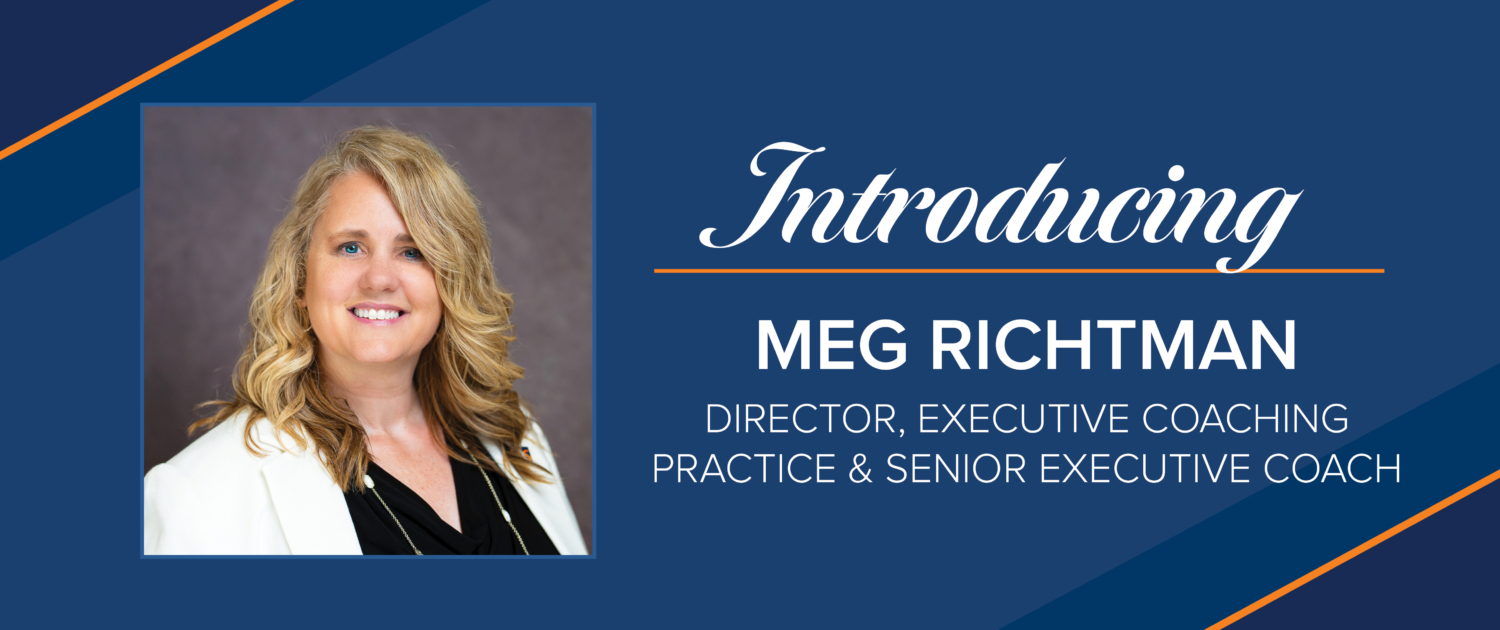 https://www.academicsearch.org/wp-content/uploads/2024/05/Meg-Richtman-Announcement-1200x500-1-scaled.jpg
1066
2560
Academic Search
https://www.academicsearch.org/wp-content/uploads/2026/03/50th-Anniversary-Academic-Search-Horizontal-RGB-1030x314.jpg
Academic Search2024-05-25 13:37:262026-10-05 12:36:48Strengthening Our Executive Coaching Practice with New Director
https://www.academicsearch.org/wp-content/uploads/2024/05/Meg-Richtman-Announcement-1200x500-1-scaled.jpg
1066
2560
Academic Search
https://www.academicsearch.org/wp-content/uploads/2026/03/50th-Anniversary-Academic-Search-Horizontal-RGB-1030x314.jpg
Academic Search2024-05-25 13:37:262026-10-05 12:36:48Strengthening Our Executive Coaching Practice with New Director https://www.academicsearch.org/wp-content/uploads/2024/04/Leaving-the-Presidency-with-Grace-1200x500-1-scaled.jpg
1066
2560
Tara Singer
https://www.academicsearch.org/wp-content/uploads/2026/03/50th-Anniversary-Academic-Search-Horizontal-RGB-1030x314.jpg
Tara Singer2024-04-01 12:33:482026-10-01 15:42:34Leaving the Presidency with Grace
https://www.academicsearch.org/wp-content/uploads/2024/04/Leaving-the-Presidency-with-Grace-1200x500-1-scaled.jpg
1066
2560
Tara Singer
https://www.academicsearch.org/wp-content/uploads/2026/03/50th-Anniversary-Academic-Search-Horizontal-RGB-1030x314.jpg
Tara Singer2024-04-01 12:33:482026-10-01 15:42:34Leaving the Presidency with Grace https://www.academicsearch.org/wp-content/uploads/2024/03/HERS-Executive-Coaching-Circles-2024-1200x500-1-scaled.jpg
1066
2560
Academic Search
https://www.academicsearch.org/wp-content/uploads/2026/03/50th-Anniversary-Academic-Search-Horizontal-RGB-1030x314.jpg
Academic Search2024-03-13 16:59:162026-10-05 12:24:12HERS Executive Coaching Circles: Empowering Women Leaders in Higher Education
https://www.academicsearch.org/wp-content/uploads/2024/03/HERS-Executive-Coaching-Circles-2024-1200x500-1-scaled.jpg
1066
2560
Academic Search
https://www.academicsearch.org/wp-content/uploads/2026/03/50th-Anniversary-Academic-Search-Horizontal-RGB-1030x314.jpg
Academic Search2024-03-13 16:59:162026-10-05 12:24:12HERS Executive Coaching Circles: Empowering Women Leaders in Higher Education https://www.academicsearch.org/wp-content/uploads/2024/02/CV-Tips-Flanagan-1200x500-1-scaled.jpg
1066
2560
Scott Flanagan
https://www.academicsearch.org/wp-content/uploads/2026/03/50th-Anniversary-Academic-Search-Horizontal-RGB-1030x314.jpg
Scott Flanagan2024-02-22 10:01:112026-10-01 14:59:08Crafting Effective Application Materials for Academic Leadership Roles
https://www.academicsearch.org/wp-content/uploads/2024/02/CV-Tips-Flanagan-1200x500-1-scaled.jpg
1066
2560
Scott Flanagan
https://www.academicsearch.org/wp-content/uploads/2026/03/50th-Anniversary-Academic-Search-Horizontal-RGB-1030x314.jpg
Scott Flanagan2024-02-22 10:01:112026-10-01 14:59:08Crafting Effective Application Materials for Academic Leadership Roles https://www.academicsearch.org/wp-content/uploads/2023/09/Hispanic-Heritage-Month-1200x500-1-scaled.jpg
1066
2560
Carlos Medina
https://www.academicsearch.org/wp-content/uploads/2026/03/50th-Anniversary-Academic-Search-Horizontal-RGB-1030x314.jpg
Carlos Medina2023-09-18 08:31:432026-10-01 14:59:17Celebrating Hispanic Heritage Month 2023
https://www.academicsearch.org/wp-content/uploads/2023/09/Hispanic-Heritage-Month-1200x500-1-scaled.jpg
1066
2560
Carlos Medina
https://www.academicsearch.org/wp-content/uploads/2026/03/50th-Anniversary-Academic-Search-Horizontal-RGB-1030x314.jpg
Carlos Medina2023-09-18 08:31:432026-10-01 14:59:17Celebrating Hispanic Heritage Month 2023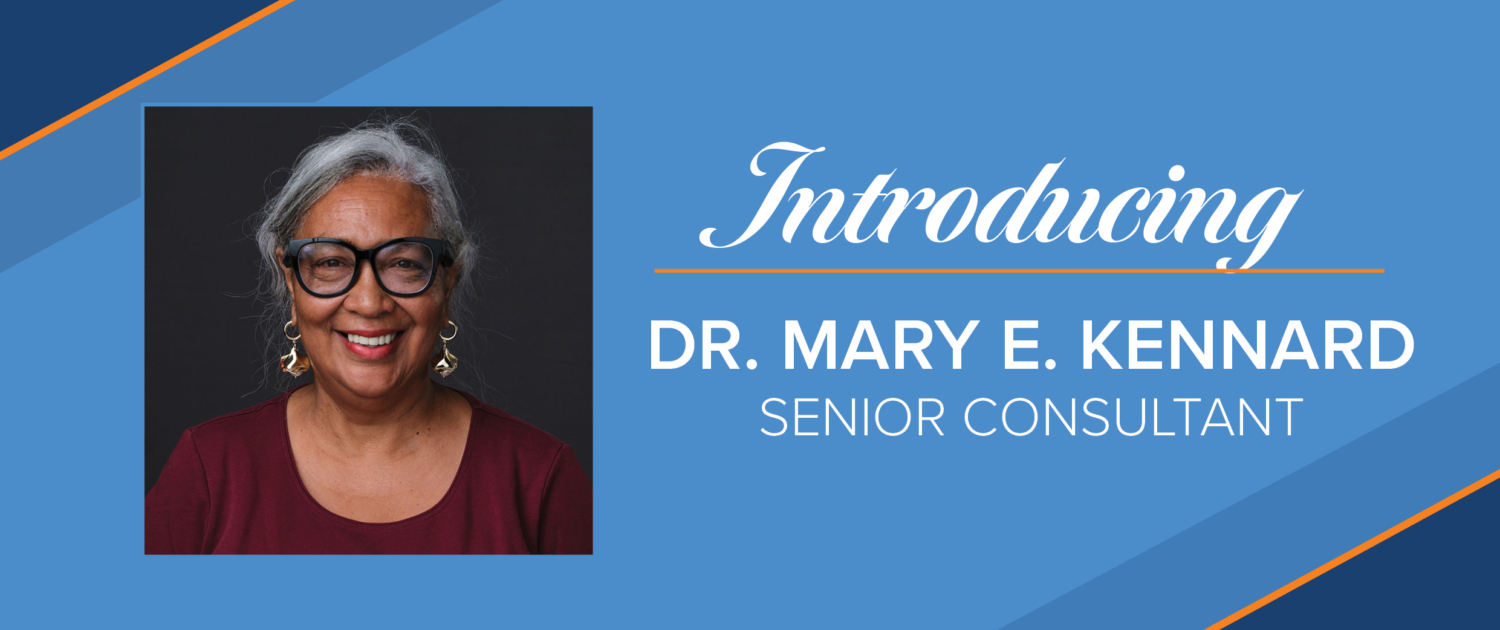 https://www.academicsearch.org/wp-content/uploads/2023/09/Mary-Kennard-Announcement-1200x500-1.jpg
1042
2500
Academic Search
https://www.academicsearch.org/wp-content/uploads/2026/03/50th-Anniversary-Academic-Search-Horizontal-RGB-1030x314.jpg
Academic Search2023-09-14 14:30:472026-10-05 12:24:46Introducing Our Newest Senior Consultant: Dr. Mary E. Kennard
https://www.academicsearch.org/wp-content/uploads/2023/09/Mary-Kennard-Announcement-1200x500-1.jpg
1042
2500
Academic Search
https://www.academicsearch.org/wp-content/uploads/2026/03/50th-Anniversary-Academic-Search-Horizontal-RGB-1030x314.jpg
Academic Search2023-09-14 14:30:472026-10-05 12:24:46Introducing Our Newest Senior Consultant: Dr. Mary E. Kennard https://www.academicsearch.org/wp-content/uploads/2023/08/10-Commandments-for-Boards-Welcoming-New-Leaders-1200x500-2.jpg
1042
2500
Pamela Balch
https://www.academicsearch.org/wp-content/uploads/2026/03/50th-Anniversary-Academic-Search-Horizontal-RGB-1030x314.jpg
Pamela Balch2023-08-23 11:51:112026-10-01 15:39:5610 Commandments for Boards and New Presidents
https://www.academicsearch.org/wp-content/uploads/2023/08/10-Commandments-for-Boards-Welcoming-New-Leaders-1200x500-2.jpg
1042
2500
Pamela Balch
https://www.academicsearch.org/wp-content/uploads/2026/03/50th-Anniversary-Academic-Search-Horizontal-RGB-1030x314.jpg
Pamela Balch2023-08-23 11:51:112026-10-01 15:39:5610 Commandments for Boards and New Presidents https://www.academicsearch.org/wp-content/uploads/2023/07/Bensimon-Associates-Response-1200x500-1.jpg
1042
2500
Carlos Medina
https://www.academicsearch.org/wp-content/uploads/2026/03/50th-Anniversary-Academic-Search-Horizontal-RGB-1030x314.jpg
Carlos Medina2023-07-25 14:46:152026-10-01 15:40:07Ensuring Equity in the Search Process
https://www.academicsearch.org/wp-content/uploads/2023/07/Bensimon-Associates-Response-1200x500-1.jpg
1042
2500
Carlos Medina
https://www.academicsearch.org/wp-content/uploads/2026/03/50th-Anniversary-Academic-Search-Horizontal-RGB-1030x314.jpg
Carlos Medina2023-07-25 14:46:152026-10-01 15:40:07Ensuring Equity in the Search Process