Leaders on Leadership featuring Dr. Félix Matos Rodríguez, Chancellor of the City University of New York
Dr. Félix Matos Rodríguez, Chancellor of the City University of New York, shares his thoughts on how leaders can benefit from having a mentor or executive coach as they transition into a new role. He also discusses the importance of understanding your leadership style so you know your strengths and the areas where you need to grow.
Episode Transcript
Jay Lemons:
Hello, and thank you for listening, I’m Jay Lemons. Welcome to Leaders on Leadership brought to you by Academic Search in the American Academic Leadership Institute. The purpose of our podcast is to share the stories of the people and the forces that have shaped our leaders in American higher education, and learn more about their thoughts on leadership in the academy. Today, I’m delighted to be joined by Dr. Felix Matos Rodriguez. Felo is chancellor of City University, New York, the first educator of color and the first Latino to hold the post as the chancellor of a 25 campus system with an enrollment of more than 275 degree seeking students, and over 225,000 adult and continuing students. Clearly, CUNY is one of the greatest and most extraordinary creations in American higher education. Felo previously served as president of two colleges in the CUNY system, Queens College and Hostos Community College.
He also held on the cabinet level post a secretary of the department of family services in Puerto Rico. He had earned his bachelor’s degree in Latin American studies from Yale and his PhD in history from Columbia. I want to acknowledge and publicly, thank you Felo for your leadership and service as a member of the board of AALI, which is the parent organization of academic search. AALI is doing such important work in nurturing the next generation of presidential leaders through its executive leadership program and the mastering, the presidential search process, so welcome chancellor.
Felix Matos Rodriguez:
Jay is great to be with you and thank you for this opportunity, and thank you also for this really incredibly thoughtful space that you created in the podcast to think about higher ed leadership. So thank you for that, and also delighted in our other had to be a great partner for Academic Search.
Jay Lemons:
Well, and I’m going to ask you maybe a little bit more about some of that later, but thank you. It is an honor to have the chance to engage with colleagues like you and have these conversations. One of my goals in thinking about this is really to ask leaders to reflect and to think about their own pathways, with a hope that others might hear something that will lift them up and inspire them. And Felo, I’m welcome the chance to hear your story and to have you share it with our listeners about the people, the events and opportunities, the doors that opened, or perhaps those that did not, or those that close, that help forge you, the person and leader as your journey in higher education unfold.
Felix Matos Rodriguez:
Well, but thank you for the opportunity and again, one is always ready to send at times, right? To mention one, some journey, because you might think that there might be nothing typical in that experience that others might learn from. In my case, I think that I am really honored, and clearly from what you said, it is a complex job to be the chancellor of the City University of New York, but it is a beautiful, and it’s an inspiring job. A lot of the nice things you said about me in that biographical introduction and the resume occurred in part because another great public university system in this case, the University of Puerto Rico opened the doors of opportunity for my dad and my mom.
My dad came from humble beginning, so did my mom. He was able to become an engineer in Puerto Rico. My mom was going to become a teacher. I came into the scene, so her teaching career was derailed, thanks to me, but that opportunity, that public higher education gave to my dad allowed me for example, to go to a wonderful Jesuit High School, private in Puerto Rico that shaped profoundly my life and my beliefs and something he didn’t have the chance attend Ivy league colleges. And so I’ve always been very, very aware that even though I work hard for the things that I’ve been able to achieve, but clearly with that opportunity having been open in the past, who knows what the story of Felo would’ve been.
And I’m very thankful that my parents from an early age taught me to be appreciative of that. And it just gives me great joy to be in an institution now where I can look into the students, see my mom and my dad, my dad passed away this January, so I’m still navigating that profound sense of loss, but I see my parents and see that seat of opportunity in all the students here at CUNY, and that is one of the things that makes me wake up in the morning and enjoy the many things that I joyful about the job, but then also navigate the things that I’m not so joyful about the work that we do.
Jay Lemons:
I love that, and I love that even though you have responsibility for a half a million students annually, that there’s still something that is powerful when you look into the eyes of a student and a learner, even in the scale of the City University of New York, may that fuel sustain you and lift you higher and higher to fulfill what is an incredibly auditory mission.
Felix Matos Rodriguez:
Well, thank you, Jay. And actually one of the things, if we can talk about leadership and reflection, it’s something that I thought about when I was in the search process for the chancellorship was that, and I’ve been now two years in a couple of months into the job. I miss campus life. I mean, I am a university creature, I love the university space, and one of the things that has been challenging in this new role is that being in the central office, you are not in a campus. You don’t have that daily interaction that you would have just walking around the campus and seeing some of your faculty and some of the staff and some of the students and some of that interaction.
So it’s something that I have been very intentional about making sure that in my schedule, in my routine, that I make sure that I find those spaces, because it’s one of the things that I enjoy from the job. We all got energy from different things. I get them from people. And it’s been one of the things that have been more difficult to adapt, and then particularly with the pandemic being mostly virtual, even that contact that I had by visiting the campuses became very limited because we have very few people in our campuses.
Jay Lemons:
Well, we are kindred spirits. I will tell you the support team that I was privileged to work with could almost read me. They knew when it was time to put me into an event with a group of students and I needed at least a weekly dosage. And yeah, that’s where you draw your energy, you’re reminded why you’re doing the work that you’re doing. I want to go back to maybe 18 months or so ago. You were settling into your post. You also were in the midst of some significant campus level transitions, preparing to welcome seven new trans campus leaders. I love for you to talk a little bit about the work that you invited us to do in thinking differently about onboarding and transitioning new leaders with seven new leaders. How could there possibly be enough Felo and so talk a little bit about that.
Felix Matos Rodriguez:
Well, thank you again for the question. So clearly I’ve been joking with folks that I feel that in this two years in change, that I’ve been chancellor, I’ve done two things COVID and searches. Searches for the team here at the central office, and then the 1718, I lost the count sort of presidents that we have named in the two years that I’ve been here, which is quite unusual in the system. Normally you have maybe two, three presidents per year, that’s the normal turnover. And so for me, I’ll tell you a couple of things. One is a reflection on my experience when I was president, right? I was blessed to have been in two campuses within the CUNY system, Hostos, a community college and Queens, a four year college, and some of the onboarding has to do with some of the things that I felt could have been done better when I came as a president, the idea, for example, of having a mentor or an executive coach, which is so mainstream now is something that I would’ve benefited.
And when I was in those roles back then, and I decided that I wanted each one of my new presidents to be able to have that, to have an independent voice. I always tell them in a joking way, I said, listen, this is the best of all worlds. Somebody else pays for it. That coach doesn’t come by telling me the secret of your conversation. This is really your coach, all right? And find a way to keep someone like that in your life as a higher ed leader, because it is always good to have an independent voice, somebody who sees on somebody’s experience that you can go to. And the feedback from the presidents working with the mentors that have been identified right by academic search has been really extraordinary. So that’s one component of the interest.
The other part is I always thought that one advantage of the system is that you have a lot of institutions that are similar from which you could learn. And that I found it interesting that having that access of models, we were not more intentional about making sure that all the presidents learn from each other and connect, right? Normally when you are the president of an independent campus, you get some of that by attending professional association meetings, and some of these spaces where you go talk to other people who are in this line of work and you bounce ideas, and you discuss trends. In CUNY, the system has that built up for you, and we have not leveraged that I think to the extent that we should. And it’s something that I wanted to jump at, given that I also had this historical opportunity in naming so many of the campus presidents.
So that’s another reason why I thought that investing in the leadership of all these presidents was important because the system allowed for some easy collaboration, for some easy comparisons, from some learning. And it’s one of the things that we’ve been trying to leverage more and more as we move forward. So again, reflecting on what I thought I miss when I was here sharing with the presidents, the new presidents, some of the things that I learned that were beneficial about the system, and I’m really looking forward to now, hopefully that we seem to be leaving some of the pandemic behind in this new normal to see how we’re all going to work as an incredible team on behalf of the residents of the city of New York home we serve.
Jay Lemons:
Fabulous. Thank you so much for sharing. You are well known as a champion of accessibility access and student success and inclusion in higher ed. And I know that one of the things that I just know to my core is the imperative for leadership in the academy to much more appropriately reflect the new majority in our country. And I’d love to hear your thoughts about what ways we might significantly increase the numbers of persons of color and women in our leadership ranks. If you will, as [crosstalk 00:13:48] this language, how do we move the needle?
Felix Matos Rodriguez:
Again, each place is different and I think some folks will argue, and probably with some level of reason that doing that task in a large, very [inaudible 00:14:07] city like New York is easier to do that if you are a higher leader on a campus that is in a rural area, right? In a different part of the country, and I think that needs to be taken into account, that cannot be an excuse. First-
Jay Lemons:
Exactly, right.
Felix Matos Rodriguez:
… the issue of diversity is one of excellence in your team, and there’s plenty of good business management evidence that diverse team and diverse men, race, gender, ethnicity, background, culture, experience, all of those things that when you have that in your team, you’re going to be able to serve as a leader better because your team is better. So that’s going to mean different things in different parts of the country in terms of what that diversity ought to be. So one cannot have a cookie cutter approach to these things. A, but B my setting is a public university in an urban area. And for me is very clear that the mission there mandates that you have a group of professionals at the administration, at the faculty, at the staff that reflect the community that you serve. And so when I came, I mean, I’ve done it when I was at Hostos, I had a completely diverse cabinet when I became president of Queens in the most diverse borough of New York city, there was not one cabinet member of color.
Jay Lemons:
Wow.
Felix Matos Rodriguez:
And when I left, it was about half of the team was diverse by different measures. And when I came to the central office at CUNY, for example, we had never had a nation American vice chancellor. I mean, in New York city, in this office with the talent, and we actually brought the first one which tragically passed away because of COVID and alumni of great CUNY story, Alan Lou, who was the city manager in DC for many years, wanted to come back and serve. So very proud that we have the most diverse team in my center office administration, first general council of color. We had the university provost president [inaudible 00:16:35] now at Arizona state was with us, and it was a really phenomenal team. In the presidents, I had the joy that I named the first two Asian American presidents in the CUNY system.
And that, which again, when somebody told me that I thought that go check the history books that cannot happen in New York city. The first Dominican American women Daisy Cocco De Filippis over at Hostos Community College. When I think about the diversity, I think, for example, for my community colleges, individuals for first generation college, right? And we have them in Christine Mangino’s at Queensborough. So again, that diversity, I think when you’re at a public university, you need to reflect it. And the message that I’m trying to send is faculty and staff appointments that have different processes by which people get selected and sometimes those complicate efforts to diversify, I just wanted to set a signal that the talent is there, that the talent will go to the places where they know they’re going to be appreciated.
Jay Lemons:
Yeah.
Felix Matos Rodriguez:
People know where they’re going to be appreciated and not treated as an outlier or a token.
Jay Lemons:
Yeah.
Felix Matos Rodriguez:
So if you build that culture and you have that track record, good people will come up to your searches and then you have to bring them and nurture them and build that team, and I’m very proud of what we have accomplished here at CUNY, more work to be done with the faculty and the staff. But I wanted to send a clear signal, the things in which I have some level of more immediate authority, we are going to bring about change and there’s plenty of great talented people out there, and you just need to create the environment to say, they’re welcome, give them the opportunity, and then have everybody continue to open doors for the next generation of greater individuals that reflect in this case, the great diversity of New York city.
Jay Lemons:
I really appreciate the point that you just made, there’s plenty of great talent out there. We’re about the same age, most of my career as in yours, I was hearing about the pipeline for talent is dwindling. I don’t see that at the presidential level, I have not seen it yet. I see incredible talented people and really robust pools, and so of there are opportunities for those who want to be change leaders like you have been, so I appreciate you raising that point. Felo tell me what in your mind makes a good leader. And by good, I don’t mean grade B, I mean, virtuous, effective, successful.
Felix Matos Rodriguez:
Well, I think that you have to be a good fit for the institution that you’re leading, right? Someone who might be a good leader at a place like CUNY might be an awful leader leading general motors or a hospital or another higher institution, right? If you want to keep it within that. I think there’s something about really a match between your skillset and the institution as really the external face of the university. You need to be someone that embodies that mission and can articulate it and can put it out there to different constituents. So I think that match really matters. And then each person brings different ways of leading. I think what you have to be cognizant is about your own style. What are the strengths that you bring to the job? What are your blind spots?
So you have them covered that you have a willingness to continue to grow and be open and give you one example as we get, hopefully leaving some of the things of the pandemic behind a strategic planning roadmap process that we were beginning, when I came, that was derailed by the pandemic. We’re putting that back on track. I’m actually trying to identify some resources that can help us take a look at my senior manager team and explore how we work together for this past two years and change. What are some things that we need to modify and change structural, also identify talking about coaches, bringing somebody to help me individually, so I can be more reflective of the work that I have done.
So that willingness to continue to grow, I think is indispensable in a leader. And in some ways I’m going to give a line for the value of a liberal arts education is really knowing what you know, and knowing what you don’t know and the help that you need, and the kind of balance going back to your question of diversity, the kind of balance that you need to have in your team to accomplish all the complex things that most universities have to contend with.
Jay Lemons:
Thank you. One of the audiences that I focus on in thinking about this podcast are our AALI participants. And I would love for you to share with those folks and others, any advice you have for new leaders or those who aspire to leadership?
Felix Matos Rodriguez:
Well, I mean, I think that I hope people do it for the right reasons. And I mean that because we have phenomenal colleagues in this line of work, but I think you and I probably know a couple of people that are more in it for the ego than for the benefit of the students, the benefit of the mission of the institution. And I would just ask people to really think seriously about that because-
Jay Lemons:
And I put it this way. In fact, I began the mastering the steps of the presidential search process, by saying more people want to be president than do president.
Felix Matos Rodriguez:
Yeah. So for me, really reflect on that, right? Because it is a job that gives you incredible satisfactions, right? I go to bed and I put my head in the pillow, and I tell my two sons, right? The satisfaction to know that you were part of the transformation of so many lives in so many good things. We use some of the stimulus money to make history, and we are canceling the tuition and fees for about 50,000 of our students, $125 million from the last three semesters, the messages we’re getting of gratitude.
I’m saving that because I mean, you and I also know that I’m going to need them for the days when that mail that’s coming in is not as positive, but you know you’re part of that transformation and you want to be part of it, and that gives you joy, that gives you pride. So I would encourage people to think about that commitment to service when they think about these jobs, because there’s also sacrifices that you make in terms of your family life and some of the things. And if you are not fulfilled by the mission, I think that over time, that’s going to come back to haunt you emotionally and personally.
Jay Lemons:
No doubt. Let me move into what I call a little bit of a lightning round Felo or I ask you to share. They’re short questions, you can talk as long as you want. First one, who’s most influenced you?
Felix Matos Rodriguez:
I went to a Jesuit High School I mention previously, he didn’t teach me, but I was introduced to him by some of my other Jesuit teachers. Fernando Pico passed away two years ago, Puerto Rico’s most prolific historian, a wonderful man also worked with individuals who were incarcerated and just a profound sense of social justice, a great scholar, a great friend, and in many ways, the reason why I became a historian had to do with the influence that Fernando or some of the other Jesuit had on me.
Jay Lemons:
Love it. Is there a book that’s most had the greatest influence on you?
Felix Matos Rodriguez:
There is and it’s a great book, but there’s a quote that I always love and it served me well as a historian, and I think it served me well as an administrator, Italo Calvino and has a book called Invisible Cities. And he has a quote that says, it is not the voice that commands the story, it is the ear, right? And I always thought for a historian writing, you want to give voice to people, and that’s part of the way what you do, but if that ear is not attentive to wanting to capture those experiences, those voices in the case of historians, you’re going to miss what’s really important. Equally, when we serve as administrators, if we’re not willing to listen, right? People say that listening is an act of love and I believe that. That is really important. First, is a story book of dealing with urban matters, right? And I was an urban historian, so the Calvino book connected with me in that way, but that line has always stuck with me as a virtue of listening to be able to address any situation that you might face.
Jay Lemons:
I could not agree more. Wise person once said to me, you got to meet your students at the door. And it was about the importance of listening to those that we try to serve. Do you have a fondest memory of your undergraduate experience that you’d share?
Felix Matos Rodriguez:
I had a really wonderful experience at Yale University. I was reflecting with friends, you and I are that age. We didn’t go do road trips to go. I mean, I had never been to this school. It was all brochures, not even a virtual tour, but I mean, great education there, but I had some really phenomenal friends and actually a small group of that friends has been meeting virtually through the pandemic, and some I always been in touch with, others reconnected and we were remembering those nights in which you stayed overnight talking about all the different philosophical and intellectual and personal, emotional things, and those long, long conversations into the night, which is one of the luxuries of young age, right? And in some ways a residential college and I had such incredible friends that taught me so much. And so those are the things that come to mind when I think a little bit about my undergraduate experience.
Jay Lemons:
Thank you. I love that. And yes, wish that all of our students could have such experiences. Favorite campus tradition, any place that you’ve attended or served?
Felix Matos Rodriguez:
So at Queens, we had this tradition, it was called the midnight breakfast and it was done the night before you switched for the end of classes and the reading period before finals and when you get students getting to cramp mode, so we will serve breakfast to the students at the cafeteria at midnight, and then the libraries would get open 24/7 during that period for studying. And so it was food and as you know, undergraduate students of all ages have an immense appetite. So I was amazed at what people could devour at midnight. And then it was a party to get the stress out and get ready to go. It was a really beautiful tradition and it was co-sponsored with the student government. And so it’s one that I love, it had the service component, it had the festive component, it had the get ready to study for finals component, so many good things engage in one single tradition.
Jay Lemons:
Love it. There is nothing like the focus that comes as we move into that ritual twice or a year as a finals in a semester system. If you had not had the curiosity and the intellect and the drive that led you to be a historian and a professor and administrator, what else might you… are there other paths that you might have done?
Felix Matos Rodriguez:
Well, I probably would’ve been a very unhappy lawyer, so that’s probably not a path that we want to think much about. I was very fortunate that I had the… back then I don’t think they exist anymore. The Compton Foundation used to provide a lot of funding for graduate education. So my PhD at Columbia was fully funded by the Compton Foundation and forever be thankful for that opportunity, had it not been for that, I probably would’ve gone to law school because I would have done something that I thought that the cost benefit at the end would’ve been more sizeable than being a historian. I mean, those were the choices I was thinking about when I was finishing my undergraduate year. So I probably would’ve done that, I don’t know how happy I would’ve been.
Jay Lemons:
Yeah. Well, you know what you chose well a young man. So one of our traditions as we prepare to wrap up here on leaders on leadership is we like to ask our guests to share with our listeners the distinctive qualities, the special sauce, the organizational DNA that makes the City University of New York so very special to you and to those you serve.
Felix Matos Rodriguez:
Well, thank you for that question again, there’s in a university system as complex as ours, there’s so many things that I could probably point to, but I think that I’ll choose and say two things, right? And I guess you can delete one later from the podcast, because at the end you control technology. But for me, it is the great civic engagement and the great sense of becoming a New Yorker and becoming a part of the U.S, right? That comes from being in a college where more than half of your students usually are born in a different country, or are children of immigrants.
And that way in which we bring everybody into the U.S fabric and how to engage in democracy and how to have civic engagement and how to be a full participant in your community, which is so indispensable, right? For the enjoyment of life as we have it here in the United States.CUNY is such a deep part of that in New York city, so I love that part of the job, and then the social mobility, I mean, it’s been documented, right? In the study like Goodison, and nobody does it better from the spell of me. And there’s no better institution collectively at getting individuals to become openly mobile than the City University of New York. And open mobility is not just about a larger paycheck, right?
It’s about dreams fulfill for family. It’s being able to contribute back to the rest of your family or back to your country of origin or to do that. It is a chance to then fully participate as a citizen, so that spirit of city engagement and that great tradition of social mobility, which is a direct impact on the life of everybody here in New York, I think that the two of the things in CUNY’s DNA that I am absolutely in love with and pray every day when I wake up and do my prayers in the morning that I get the wisdom and the humbleness to be fair, to be just, and to continue to push that agenda forward.
Jay Lemons:
Wow, that’s a wonderful benediction. As you may recall from the board of materials that I provided in January, I noted that there was a previous pandemic in the 1950s, and it was a CUNY graduate by the name of Jonas Salk.
Felix Matos Rodriguez:
Yes.
Jay Lemons:
Who helped to wrestle one the scourge of polio, and I can’t help, but not reflect on selflessness of refusing to commercialize that technology, that vaccine, but to do it for the service of others. And I think that’s just reflects the very best of that immigrant story and the immigrant populations of the generations that have followed and there are so many of those stories. You are a wonderful and great leader for one of the grand institutions in this country. And thank you.
Felix Matos Rodriguez:
Well, you’re too kind thank you for sharing that incredibly timely story. And I remember you’re making the reference at the board meeting and those are the things, for example, as we reflect now, half a million New Yorkers, and I think with the count now is about 4 million of the city residents being vaccinated, half a million of that have been in our campuses. And so for us, it’s been all hands on deck, it’s a role of anchor institutions to come up. We are deeply committed to be part of the recovery and a recovery that is just inequitable. So that’s what we’re focusing as we get ready to reopen, but thank you again for this space, for this opportunity to reflect. By doing that, you also invite all of us to be better hardly as leaders, which is something that you do in your academic search hat. So thank you for that service you provide, and again, delighted to be a partner and I look forward to a time when we can do this podcast live and be able to give each other a hug.
Jay Lemons:
Amen to that. Thank you, Felo. Listeners we welcome your suggestions and thoughts for leaders we might feature an upcoming segments. You can send those to leadership podcast@academicsearch.org. You can find our podcast on the Academic Search website or wherever you find your podcast. Leaders on Leadership is brought to you by Academic Search in the American Academic Leadership Institute. Together our mission is to support colleges, universities during times of transition through leadership development activities that serve current and future generations of leaders in the academy. It has been a joy, a special joy to host Felo Matos Rodriguez, chancellor of the City University of New York on our show today. Thank you, Felix, for joining us.
Felix Matos Rodriguez:
A pleasure. Be safe.
Listen to More Episodes
Enjoy our content? Join our mailing list.
Share this podcast
Discover More Leading Insights
 https://www.academicsearch.org/wp-content/uploads/2026/09/When-to-Engage-a-Search-Firm-1200x500_02-scaled.jpg
1066
2560
Academic Search
https://www.academicsearch.org/wp-content/uploads/2026/03/50th-Anniversary-Academic-Search-Horizontal-RGB-1030x314.jpg
Academic Search2026-10-20 10:09:142026-10-20 13:51:41When Should Your Institution Engage an Executive Search Firm?
https://www.academicsearch.org/wp-content/uploads/2026/09/When-to-Engage-a-Search-Firm-1200x500_02-scaled.jpg
1066
2560
Academic Search
https://www.academicsearch.org/wp-content/uploads/2026/03/50th-Anniversary-Academic-Search-Horizontal-RGB-1030x314.jpg
Academic Search2026-10-20 10:09:142026-10-20 13:51:41When Should Your Institution Engage an Executive Search Firm? https://www.academicsearch.org/wp-content/uploads/2026/09/Leadership-Pipeline-1200x500_02-scaled.jpg
1066
2560
Jay Lemons
https://www.academicsearch.org/wp-content/uploads/2026/03/50th-Anniversary-Academic-Search-Horizontal-RGB-1030x314.jpg
Jay Lemons2026-09-15 20:15:112026-10-01 15:42:50Higher Education’s Leadership Pipeline is Stronger Than the Headlines Suggest
https://www.academicsearch.org/wp-content/uploads/2026/09/Leadership-Pipeline-1200x500_02-scaled.jpg
1066
2560
Jay Lemons
https://www.academicsearch.org/wp-content/uploads/2026/03/50th-Anniversary-Academic-Search-Horizontal-RGB-1030x314.jpg
Jay Lemons2026-09-15 20:15:112026-10-01 15:42:50Higher Education’s Leadership Pipeline is Stronger Than the Headlines Suggest https://www.academicsearch.org/wp-content/uploads/2025/05/A-Guide-to-Leadership-Renewal-Graphics-1200x500-3-scaled.jpg
1066
2560
Academic Search
https://www.academicsearch.org/wp-content/uploads/2026/03/50th-Anniversary-Academic-Search-Horizontal-RGB-1030x314.jpg
Academic Search2025-05-27 12:23:542026-10-01 14:18:51Leadership Renewal Starts with Intention
https://www.academicsearch.org/wp-content/uploads/2025/05/A-Guide-to-Leadership-Renewal-Graphics-1200x500-3-scaled.jpg
1066
2560
Academic Search
https://www.academicsearch.org/wp-content/uploads/2026/03/50th-Anniversary-Academic-Search-Horizontal-RGB-1030x314.jpg
Academic Search2025-05-27 12:23:542026-10-01 14:18:51Leadership Renewal Starts with Intention https://www.academicsearch.org/wp-content/uploads/2025/03/A-Guide-to-Cabinet-Retreats-Web-Header-1200x500-1-scaled.jpg
1066
2560
Academic Search
https://www.academicsearch.org/wp-content/uploads/2026/03/50th-Anniversary-Academic-Search-Horizontal-RGB-1030x314.jpg
Academic Search2025-03-14 13:23:212026-10-05 12:07:02A Guide to Effective & Strategic Cabinet Retreats
https://www.academicsearch.org/wp-content/uploads/2025/03/A-Guide-to-Cabinet-Retreats-Web-Header-1200x500-1-scaled.jpg
1066
2560
Academic Search
https://www.academicsearch.org/wp-content/uploads/2026/03/50th-Anniversary-Academic-Search-Horizontal-RGB-1030x314.jpg
Academic Search2025-03-14 13:23:212026-10-05 12:07:02A Guide to Effective & Strategic Cabinet Retreats https://www.academicsearch.org/wp-content/uploads/2024/08/Competencies-for-the-College-Presidency-Graphic-1200x500-1-scaled.jpg
1066
2560
Academic Search
https://www.academicsearch.org/wp-content/uploads/2026/03/50th-Anniversary-Academic-Search-Horizontal-RGB-1030x314.jpg
Academic Search2024-09-15 08:00:052026-10-01 14:19:23Competencies for the College Presidency
https://www.academicsearch.org/wp-content/uploads/2024/08/Competencies-for-the-College-Presidency-Graphic-1200x500-1-scaled.jpg
1066
2560
Academic Search
https://www.academicsearch.org/wp-content/uploads/2026/03/50th-Anniversary-Academic-Search-Horizontal-RGB-1030x314.jpg
Academic Search2024-09-15 08:00:052026-10-01 14:19:23Competencies for the College Presidency https://www.academicsearch.org/wp-content/uploads/2024/08/Rodney-Clark-Deloitte-Study-Response-1200x500-1-scaled.jpg
1066
2560
Rodney Clark
https://www.academicsearch.org/wp-content/uploads/2026/03/50th-Anniversary-Academic-Search-Horizontal-RGB-1030x314.jpg
Rodney Clark2024-08-22 08:53:442026-10-01 15:41:11Building Resilient Leadership: Lessons from Deloitte’s Higher Education Trends
https://www.academicsearch.org/wp-content/uploads/2024/08/Rodney-Clark-Deloitte-Study-Response-1200x500-1-scaled.jpg
1066
2560
Rodney Clark
https://www.academicsearch.org/wp-content/uploads/2026/03/50th-Anniversary-Academic-Search-Horizontal-RGB-1030x314.jpg
Rodney Clark2024-08-22 08:53:442026-10-01 15:41:11Building Resilient Leadership: Lessons from Deloitte’s Higher Education Trends https://www.academicsearch.org/wp-content/uploads/2024/06/SC-Announcement-June-2024-1200x500-1-scaled.jpg
1066
2560
Academic Search
https://www.academicsearch.org/wp-content/uploads/2026/03/50th-Anniversary-Academic-Search-Horizontal-RGB-1030x314.jpg
Academic Search2024-06-11 15:43:142026-10-01 14:19:27Academic Search Welcomes Mike Maxey and Timothy Mottet as Senior Consultants
https://www.academicsearch.org/wp-content/uploads/2024/06/SC-Announcement-June-2024-1200x500-1-scaled.jpg
1066
2560
Academic Search
https://www.academicsearch.org/wp-content/uploads/2026/03/50th-Anniversary-Academic-Search-Horizontal-RGB-1030x314.jpg
Academic Search2024-06-11 15:43:142026-10-01 14:19:27Academic Search Welcomes Mike Maxey and Timothy Mottet as Senior Consultants https://www.academicsearch.org/wp-content/uploads/2024/05/Meg-Richtman-Announcement-1200x500-1-scaled.jpg
1066
2560
Academic Search
https://www.academicsearch.org/wp-content/uploads/2026/03/50th-Anniversary-Academic-Search-Horizontal-RGB-1030x314.jpg
Academic Search2024-05-25 13:37:262026-10-05 12:36:48Strengthening Our Executive Coaching Practice with New Director
https://www.academicsearch.org/wp-content/uploads/2024/05/Meg-Richtman-Announcement-1200x500-1-scaled.jpg
1066
2560
Academic Search
https://www.academicsearch.org/wp-content/uploads/2026/03/50th-Anniversary-Academic-Search-Horizontal-RGB-1030x314.jpg
Academic Search2024-05-25 13:37:262026-10-05 12:36:48Strengthening Our Executive Coaching Practice with New Director https://www.academicsearch.org/wp-content/uploads/2024/04/Leaving-the-Presidency-with-Grace-1200x500-1-scaled.jpg
1066
2560
Tara Singer
https://www.academicsearch.org/wp-content/uploads/2026/03/50th-Anniversary-Academic-Search-Horizontal-RGB-1030x314.jpg
Tara Singer2024-04-01 12:33:482026-10-01 15:42:34Leaving the Presidency with Grace
https://www.academicsearch.org/wp-content/uploads/2024/04/Leaving-the-Presidency-with-Grace-1200x500-1-scaled.jpg
1066
2560
Tara Singer
https://www.academicsearch.org/wp-content/uploads/2026/03/50th-Anniversary-Academic-Search-Horizontal-RGB-1030x314.jpg
Tara Singer2024-04-01 12:33:482026-10-01 15:42:34Leaving the Presidency with Grace https://www.academicsearch.org/wp-content/uploads/2024/03/HERS-Executive-Coaching-Circles-2024-1200x500-1-scaled.jpg
1066
2560
Academic Search
https://www.academicsearch.org/wp-content/uploads/2026/03/50th-Anniversary-Academic-Search-Horizontal-RGB-1030x314.jpg
Academic Search2024-03-13 16:59:162026-10-05 12:24:12HERS Executive Coaching Circles: Empowering Women Leaders in Higher Education
https://www.academicsearch.org/wp-content/uploads/2024/03/HERS-Executive-Coaching-Circles-2024-1200x500-1-scaled.jpg
1066
2560
Academic Search
https://www.academicsearch.org/wp-content/uploads/2026/03/50th-Anniversary-Academic-Search-Horizontal-RGB-1030x314.jpg
Academic Search2024-03-13 16:59:162026-10-05 12:24:12HERS Executive Coaching Circles: Empowering Women Leaders in Higher Education https://www.academicsearch.org/wp-content/uploads/2024/02/CV-Tips-Flanagan-1200x500-1-scaled.jpg
1066
2560
Scott Flanagan
https://www.academicsearch.org/wp-content/uploads/2026/03/50th-Anniversary-Academic-Search-Horizontal-RGB-1030x314.jpg
Scott Flanagan2024-02-22 10:01:112026-10-01 14:59:08Crafting Effective Application Materials for Academic Leadership Roles
https://www.academicsearch.org/wp-content/uploads/2024/02/CV-Tips-Flanagan-1200x500-1-scaled.jpg
1066
2560
Scott Flanagan
https://www.academicsearch.org/wp-content/uploads/2026/03/50th-Anniversary-Academic-Search-Horizontal-RGB-1030x314.jpg
Scott Flanagan2024-02-22 10:01:112026-10-01 14:59:08Crafting Effective Application Materials for Academic Leadership Roles https://www.academicsearch.org/wp-content/uploads/2023/09/Hispanic-Heritage-Month-1200x500-1-scaled.jpg
1066
2560
Carlos Medina
https://www.academicsearch.org/wp-content/uploads/2026/03/50th-Anniversary-Academic-Search-Horizontal-RGB-1030x314.jpg
Carlos Medina2023-09-18 08:31:432026-10-01 14:59:17Celebrating Hispanic Heritage Month 2023
https://www.academicsearch.org/wp-content/uploads/2023/09/Hispanic-Heritage-Month-1200x500-1-scaled.jpg
1066
2560
Carlos Medina
https://www.academicsearch.org/wp-content/uploads/2026/03/50th-Anniversary-Academic-Search-Horizontal-RGB-1030x314.jpg
Carlos Medina2023-09-18 08:31:432026-10-01 14:59:17Celebrating Hispanic Heritage Month 2023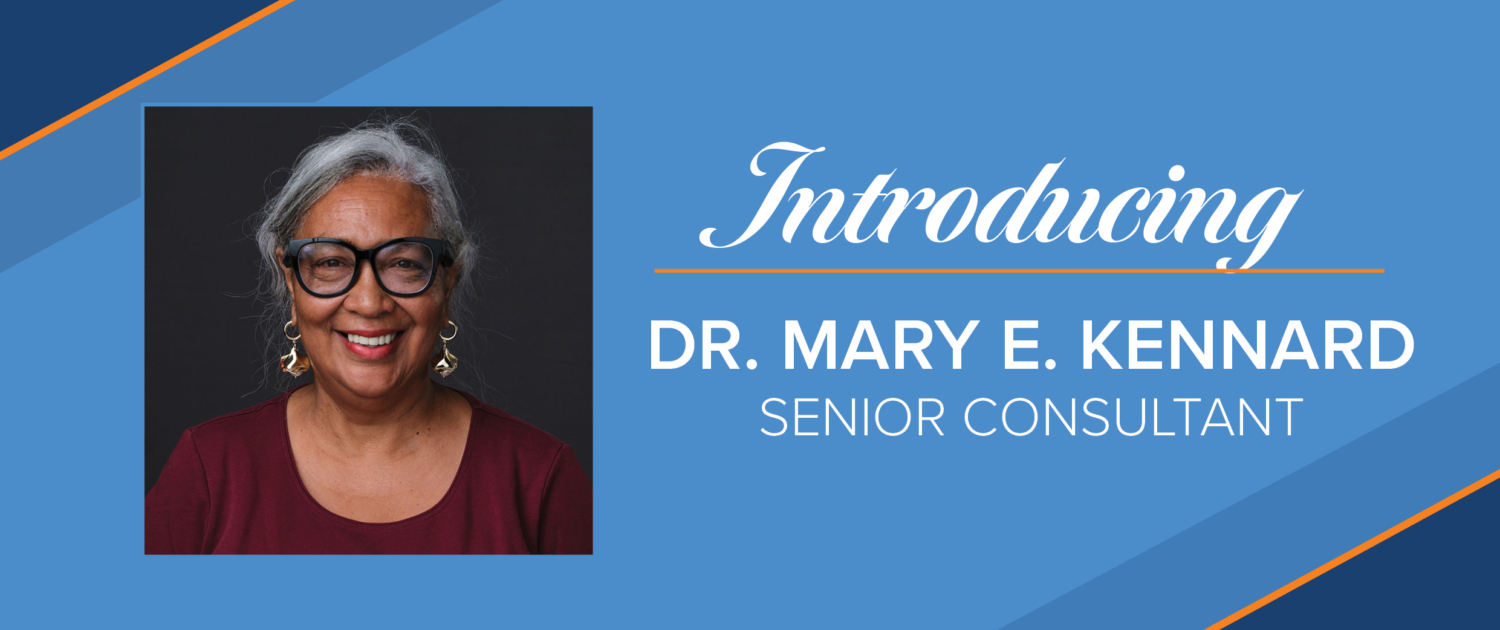 https://www.academicsearch.org/wp-content/uploads/2023/09/Mary-Kennard-Announcement-1200x500-1.jpg
1042
2500
Academic Search
https://www.academicsearch.org/wp-content/uploads/2026/03/50th-Anniversary-Academic-Search-Horizontal-RGB-1030x314.jpg
Academic Search2023-09-14 14:30:472026-10-05 12:24:46Introducing Our Newest Senior Consultant: Dr. Mary E. Kennard
https://www.academicsearch.org/wp-content/uploads/2023/09/Mary-Kennard-Announcement-1200x500-1.jpg
1042
2500
Academic Search
https://www.academicsearch.org/wp-content/uploads/2026/03/50th-Anniversary-Academic-Search-Horizontal-RGB-1030x314.jpg
Academic Search2023-09-14 14:30:472026-10-05 12:24:46Introducing Our Newest Senior Consultant: Dr. Mary E. Kennard https://www.academicsearch.org/wp-content/uploads/2023/08/10-Commandments-for-Boards-Welcoming-New-Leaders-1200x500-2.jpg
1042
2500
Pamela Balch
https://www.academicsearch.org/wp-content/uploads/2026/03/50th-Anniversary-Academic-Search-Horizontal-RGB-1030x314.jpg
Pamela Balch2023-08-23 11:51:112026-10-01 15:39:5610 Commandments for Boards and New Presidents
https://www.academicsearch.org/wp-content/uploads/2023/08/10-Commandments-for-Boards-Welcoming-New-Leaders-1200x500-2.jpg
1042
2500
Pamela Balch
https://www.academicsearch.org/wp-content/uploads/2026/03/50th-Anniversary-Academic-Search-Horizontal-RGB-1030x314.jpg
Pamela Balch2023-08-23 11:51:112026-10-01 15:39:5610 Commandments for Boards and New Presidents https://www.academicsearch.org/wp-content/uploads/2023/07/Bensimon-Associates-Response-1200x500-1.jpg
1042
2500
Carlos Medina
https://www.academicsearch.org/wp-content/uploads/2026/03/50th-Anniversary-Academic-Search-Horizontal-RGB-1030x314.jpg
Carlos Medina2023-07-25 14:46:152026-10-01 15:40:07Ensuring Equity in the Search Process
https://www.academicsearch.org/wp-content/uploads/2023/07/Bensimon-Associates-Response-1200x500-1.jpg
1042
2500
Carlos Medina
https://www.academicsearch.org/wp-content/uploads/2026/03/50th-Anniversary-Academic-Search-Horizontal-RGB-1030x314.jpg
Carlos Medina2023-07-25 14:46:152026-10-01 15:40:07Ensuring Equity in the Search Process