Leaders on Leadership Featuring Dr. Paul Turman, Chancellor of the Nebraska State College System
Dr. Paul Turman, Chancellor of the Nebraska State College System, shares his thoughts on creating a shared vision by engaging stakeholders early and often through the process. He also discusses the importance of seeking out mentors to help you shape and refine your leadership style.
Episode Transcript
Jay Lemons:
Hello and thank you for listening. I’m Jay Lemons. Welcome to Leaders on Leadership brought to you by Academic Search and The American Academic Leadership Institute. The purpose of our podcast is to share the stories of the people and forces that have shaped leaders in higher education and to learn more about their thoughts on leadership in the academy. I’m delighted today to be joined by Dr. Paul Turman. Paul’s the Chancellor of The Nebraska State College System, which is comprised of three institutions that serve nearly 9,000 students in the State of Nebraska, a position he’s held since January of 2019. Previously, Paul served in various roles for the South Dakota Board of Regents, including System Vice President for academic affairs.
He has a Doctorate in interpersonal communications from the University of Nebraska-Lincoln and has written about sports communication and leadership communication. I’m so pleased that Paul has returned to my home state and that Chadron State, my place of birth and the Alma mater of both my parents is among the three colleges under his charge. Paul, from all reports, you’ve had a terrific beginning to your chancellorship for the Nebraska State College System, even while coping with an historic challenge. Congratulations, and really delighted to have you on the podcast today.
Paul Turman:
Well, thank you so much, Jay. I’m excited to be here and visit with you a little bit about some of my background and where we see things going into the future.
Jay Lemons:
Wonderful. Well, one of my goals is to get people to understand a little bit more about what makes up those who are leaders in higher education. And I’d love for you to share a bit of your own personal story about the people, the events, the opportunities that have forged you into the individual that you are and the leader that you’ve become. And especially as it relates to your journey in higher education.
Paul Turman:
Well, I eventually finished high school, went on to South Dakota State University and had the opportunity to serve as an instructor there after finishing my undergraduate and graduate programs, had maybe every tension of staying and remaining in South Dakota until I decided I was going to go on to earn a PhD from The University of Nebraska. First job that came open actually, was at a school in Northern Iowa and taught there for six years, maybe had every intention of staying in academics, eventually surfacing into some administrative roles during that timeframe, maybe become a chair and even a Dean or some of the things that were on my horizons, but an opportunity just in the timing came open and back in my hometown up Pierre South Dakota with the South Dakota Board of Regents, something, an entity I’d been pretty familiar with.
I had people in my family that had worked for that organization. And so I was able to return back there with maybe every intention of going back to an institution at some point, but about four different positions later with The South Dakota Board of Regents, I decided it was maybe time to see if I had the opportunity to rise, to become a state system leader in the State College System was the place that really gave me my first chance. So it’s been a really good first year and a half here in Nebraska and certainly a lot of challenges as we’ve faced COVID, but also some historic flooding that happened in my first few months here. A campus going without water and having to have it hauled in for almost six months before the start of the fall 2019 academic year. So just a lot of different challenges and all end up being the types of things you hope that throughout your training, you’ve acquired enough valuable lessons to help shape the direction of where you want your institutions and your system collectively to be able to go.
Jay Lemons:
I know you’ve had a couple of really big wins. And during this first year for the system, you want to maybe share a bit about that.
Paul Turman:
I do. I was fortunate that my predecessor had worked with our colleges to advocate for what, at the time they were calling the NebraskaFWD. It was a Nebraska Future Workforce Development is what the FWD stood for. They pitched that to Governor Ricketts and he saw some value in that. He brought it together and included the community colleges, the university system and the state colleges together in a budget proposal that he had advocated for during the last biennium. Unfortunately it did not eventually surface out of the appropriations committee, but we worked pretty hard with the other systems, the community colleges and university to bring back a package that collectively all of us were very supportive of and advocated with the governor, the governor put it back in his budget request this last year as a mid biennium request.
And despite all of the things that happened with the pandemic, even though they do three readings here in Nebraska for their unit [KEMRON 00:05:37] and it has to make it through all three readings while the budget had gotten through the first reading and then COVID hit and they had to go on break for almost five months and then returned. And when the next round of amendments for the budget came into play, they advocated for retaining that workforce scholarship. I think they looked at the opportunities for us to grow out of this pandemic was going to be tied to the ability to invest into the right workforce degree programs. And that’s really what that career scholarship program is intended and designed to do. So we were able to get our first year funding with that a million dollars this year and that is expected to grow to a total of 4 million for the state colleges over the course of the next three years.
In addition to that, we had been working on a program with Tecumseh, which is where our state prison is located at. They’ve had a difficult time with workforce and it’s located very close to Peru State College and they have a very strong criminal justice program. And so we had packaged a new kind of program that’s very similar to like ROTC for corrections. Students come in, get experience, internships with corrections while they’re completing their degree program. And the intention is that they then work for that department and entity once they’ve completed scholarship dollars that are driven towards students at roughly about $15,000 a year, which will grow to about 45 students in a cohort over the next three to four years. So we were very fortunate for some workforce development types of initiatives to tie closely with what the governor’s trying to achieve here in Nebraska.
And those just seem to really flush nicely with what we’re trying to accomplish. If I’ve got time, I’ll give you one other thing, too. We had been advocating for a renovation of our math science facility out at Chadron. One of the priorities that came from my board back in 2014, the project was just so extensive that we needed for one of our bonding projects to free up from the legislature and for them to reallocate those dollars. Well, last year was the right time for that. And we were able to move forward with that project. It’s going to become the largest one entity construction project that we will have had in the Nebraska State College System at roughly about $32 million. Just did the groundbreaking for that facility at our boarding meeting last Friday. So a lot of very good wins that all could not have happened without my staff, the board having a vision, but also having a governor in the legislature that wants to invest in our system and in the state itself moving forward.
Jay Lemons:
Well, congratulations. One of the particular qualities of the system is a commitment to serving rural Nebraska and I know full well, the impact of a major capital project like the one you described at Chadron, as well as the partnership that with the correction system and the ties to Peru. And also understand that in spite of challenging demographics, that Wayne State is just growing like crazy. So all of these signs of robust health and congratulations to you and all so thank you.
Paul Turman:
Thank you, Jay.
Jay Lemons:
I want to shift you now to talk a little bit about what in your mind makes a good leader and by good, I don’t mean grade B. I really mean someone who’s virtuous, effective and at the end of the day has successful outcomes.
Paul Turman:
That’s a good question, Jay. It’s tough sometimes to articulate what it is that you feel that how you approach working with individuals, what your goals are and how you get those goals to align with what other people have as well. I think one of the things that I’ve always strived to accomplish is not only do I have a vision. I mean, I came into this position and had a sense about where I wanted to take this system. I would say that was very true about a handful of the initiatives that I undertook while I was still in South Dakota, working for The Board of Regents there in that I would say the one time that I struggled the most and I try to be self reflective. And I think that’s one of those qualities. When you are not successful, can you internally look what it is that you did to keep you from getting to the end outcome that you had wanted?
And if you can do that, I think it gives you the capacity to shape, how am I going to do this differently down the road, and constantly look at evolving those strategies for how you engage and work with people. I think one of my first couple of years in South Dakota, I had struggled with a mobile computing initiative that I was given the task of trying to move forward with. I took this approach that here’s where I want to go. And I was just trying to bring people along with me versus is bringing people to the table and saying collectively, how do we all want this to end up to serving the students in the state? I did a Gen Ed redesign a few years later and I had taken that new approach. Where did I struggle? How can I make sure that the vision that we have is a shared vision?
And I think that’s sometimes a difficult thing for leaders to embrace. They want the vision to be theirs rather than it being a collective composition of all the thoughts and inputs from people. And so I think I’ve always taken this notion that I come together, lead the dialogue, I listen and then let what I hear help shape how things move forward. And one of the first tasks that my board asked me to accomplish here in Nebraska last year was to do a strategic planning effort, something that had not been undertaken for a number of years and I approached it similar to how some of the successful initiatives had evolved, bringing a big group of people together, a task score for about 35 individuals. And just starting with a simple question, what is it that the state of Nebraska expects out of us for the revenue that it gives us to support the state colleges?
We did identified four general outcomes, and then we tied metrics to it. And now those metrics drive our strategic plan. They drive our performance review of the presidents and it helps drive the activities on the campuses. And so I think it’s my background communication really is a Testament that listening, but then also making sure that when somebody looks at your end product, do they see their voice as a part of that? And that’s what I think is critical to leadership and getting big projects underway and initiatives so that everyone feels vested at the end result with where you ended up.
Jay Lemons:
Wonderful. Thank you so very much. And I think many leaders learn that through experience, some things that go well and others that we need to start again. And so thank you for sharing that also. When you’re building a team, what are you looking for in the leaders that you’re going to have out working with you?
Paul Turman:
I would say this is not necessarily my perspective, but it’s something I certainly have learned over time. I had a executive director who oversaw the Board of Regents in South Dakota. His name was Jack Warner and I think I had a situation where I was hired an employee and I was struggling over which of the individuals to hire. And he indicated, Paul, I would take talent over accomplishments any day. You want to constantly look for the individual who brings the most talent to the position. And I think what that forced me to do was think a little bit differently. Am I hiring someone to come in and fill the various roles that are there? Yes. This person needs to do this work, this work, this work, but how might this position change and evolve over time in ways that you don’t envision right now and hiring the most talented individuals to accomplish that is probably the way in which you’re going to help, not only evolve the position, but evolve the organization down the road.
And so I tend to look at not who brings the most experience specific to the task at hand right now, but who brings the most talent to what that task may evolve into into the future. And I’ve found that to be, I think probably the best approach to how I’ve tried to hire the staff that I’ve had over time. And I think I’ve tried to bring in some more unconventional types of individuals into positions that from the outset they never would’ve ever thought of, but it has certainly helped, I think when I was in South Dakota and then also certainly have not had to hire any particular new staff here in Nebraska, but that certainly would be the approach that I would take.
Jay Lemons:
Very good. Thank you. When you think about the most critical challenges facing leaders in higher ed today, what comes to your mind?
Paul Turman:
I would say that it’s just our ability to continue to evolve and change. It’s difficult for any organization, any system to be willing to change the nature of its enterprise. And I would say if anything, over the last few decades, you know that first kind of underpinning of some of that change was when it became far easier to deliver a lot of your curriculum and your program in online capacity, those institutions that were willing and able to evolve to adopt some of those techniques have been able to certainly sustain themselves into the future. I also think that the COVID is going to be one of those types of seminal points where we think through what is it that the higher education enterprise is going to look like differently a decade from now, but more importantly, how is that going to change what we need to do here this coming year?
I think the one thing that I encouraged our staff to really start thinking about early was if we hadn’t had to return students back from spring break, because we were at just a unfortunate point in time when everyone was doing what they did last March, they had gone through process of not had their students gone out to spring break yet. So we’ll make this change, send them away. And I think we were in a position where based on our three locations, we were still into almost August before Dawes County had any significant cases. And so I felt early that we might have been able to bring the students back, but spring break became that kind of linchpin that because we’re already out, we have to do something different. We have to follow a course with a lot of other higher education systems and institutions.
So I think it forced us to say, what is it we want to do different? Do we really need a spring break? Do we really need a fall break? Do we try to compress our academic calendar in ways that only help us respond to the immediate situation that we’re facing, but at the same time, how is that going to change the way we want to deliver coursework down the road, having students go home for a week and come back, especially the first generation students that we serve that yes, they may need a break mentally, but I think they would benefit greatly by getting done a week earlier, being able to go to work a week earlier, having a bigger break over Christmas or before in December and January and be able to work and engage and reflect then so that they can actually bring more of those resources to help cover the cost of their education.
So I think the thing that we keep having dialogue about is how do we want to change our academic calendar? And then how does that start to change the other things that processes and procedures that we have in place that can be more beneficial for students? Because we’ve always seen this really as a four year enterprise. Student comes in, we want to get them done in four. Can that be shifted to, we want to get them done in three and does a restructuring of your academic calendar allow you to do that? So that’s just an example of the many things that we’re trying to have dialogue about right now that will hopefully shape not only how we deliver, but how higher education in essence responds to this crisis and where we want post-secondary education to go into the future.
Jay Lemons:
Well, thank you. And you’re absolutely right. We have broken new paths. We have been more nimble and has stretched muscles that we did not even know existed on campuses. So Paul, I’m going to move us into a lightning round and I’m going to begin that lightning round. So I’m looking for a little shorter answers to a quick series of questions. And maybe the first one though, aimed at a part of our audience that we know is out there, people who are aspiring to leadership. Do you have advice for those aspiring to leadership?
Paul Turman:
Make sure you find it a good mentor, or it may be a series of mentors, people that you feel are good leaders. And then you begin to grab the tangible things about what you think makes them good leaders and then make that your own. Had the opportunity. I mean, four different executive directors in South Dakota, all of who I think I’ve learn different elements of, I don’t replicate just one of their styles. I in some way have embodied everything that they’ve done. And so I think that’s an important piece that find the qualities that fit how you plan to provide leadership to others.
Jay Lemons:
Excellent. Bit more person questions. What’s your fondest memory of your undergraduate experience as a Jackrabbit at South Dakota State?
Paul Turman:
I would say that how my undergraduate emphasis changed, I went there to be advertising and then had gotten a work study job because I had worked as a carpenter in high school, working with the theater program, doing their stage craft and building sets for plays. I would say I never would’ve imagined coming from the small high school that I did that I would enjoy Broadway Musicals as much as I did. So I would say those were the ones that I enjoyed sticking around to watch the plays during rehearsals more than anything else.
Jay Lemons:
Fabulous. Now, a dangerous question for a system head. What are your favorite school colors?
Paul Turman:
I’d probably go back to-
Jay Lemons:
Blue and gold? No.
Paul Turman:
No. I’d probably have to go back a little bit further than that. I would say it’s probably Kelly Green and white. We were pretty vested in our community in Pierre. That was the school colors for my sons and their sports program, their wrestling team. So I still have a lot of Kelly Green and white at home and still flaunt it quite often.
Jay Lemons:
Well, very good. And did you also wear the Kelly Green?
Paul Turman:
I did not. I actually was purple and gold. I lived right across the river in Stanley County, two different school systems, but I always kind of struggled. How am I going to cheer when my boys wrestle someone from my home hometown. I think any parent realizes once they start the whistle blows all affiliations go away pretty quick.
Jay Lemons:
Wow. So essentially your boys ended up in at the rival high school. That’s something. Yeah.
Paul Turman:
Yes.
Jay Lemons:
When did you first think about a life or a career in higher ed?
Paul Turman:
I think it was, you know, I was fortunate to have an uncle that actually was in, he had a PhD in communication and he talked quite often about kind of what his job was, what his position was. And I said I had a family. My mother actually worked for the South Dakota Board of Regents for 37 years. So I kind of grew up around system work. I don’t know that as a high schooler that I ever envisioned that I would be an executive director, but I interacted with people in those positions all through high school into college. And then even when I became a faculty member at UNI.
And so it’s difficult to pinpoint a particular point in time when I said higher education is where you want to go, but we all take I think very winding paths to where we get. And just I’ve been very fortunate to find myself both as a faculty and then be able to move back home and do that great work for so many years and then get to a system like this with a board that I get to work with right now as well.
Jay Lemons:
Wonderful. Well, you mentioned your uncle and your mother. What are other folks who have influenced you significantly?
Paul Turman:
I would say, as a former faculty member at SDSU, this Ray Peterson who was probably one of the best, like in class engaged. I got to shadow him when I was an instructor at SDSU. And I just realized to myself at some points, if I want to make this a career, then that’s how I want to teach. I certainly tried to replicate that down the road. I’d also say that when I finally had gotten to the board office in South Dakota, I worked with an individual named Sam Gingerich. He was my immediate supervisor.
He was the chief academic affairs officer. And eventually after eight years I took his job before, right after he retired. And I learned a lot just about working with faculty, working with the administrative staff on the campuses, but also the importance of systems and what it is that we are there to accomplish while giving the campuses the flexibility it needs while also maintaining the levels of the controls that I think legislators and stakeholders in the state want. So Sam was a really good mentor for eight years. And I felt rewarding to kind of fill into his footsteps after he had left back in 2016.
Jay Lemons:
Wow. And he flunked retirement as he ended up in Alaska and that senior leadership positions too so…
Paul Turman:
He did. Yep.
Jay Lemons:
That’s terrific.
Paul Turman:
Became a interim provost then all of a sudden, next time I get the email from him, he’s the interim president there. So he’s finally retired and I think enjoying his retirement for sure.
Jay Lemons:
That’s good. What’s been your favorite campus tradition at a place you’ve served or known?
Paul Turman:
That’s a tough one. Maybe rather I’ll spin that around. I was a advisor for a fraternity at University of Northern Iowa and I had never been in fraternities before. I just had a student, my first day of class, they didn’t have an advisor and they needed an advisor and I was not smart enough to say no, I ended up enjoying working with that group of students for the next six years. But one of the things I challenged them to do was to try to take a tradition and that they realistically should get rid of and try to replace it with something new.
And so I think I would reflect more that as going back to my conversation about change, I think our ability to look at what we’re doing and think of something different to do is one of those things that will help, you know, an entity, a fraternity, a group of brothers to really define how they want their college experience to be. So we had a lot of good things at South Dakota State University, trying to sneak in coyotes to throw out on the gym floor when we’re playing USD and SDSU. But I never did that. I just observed that, is all.
Jay Lemons:
Thank you for sharing. And I really appreciate the example you gave. Jim Collins and others have said one of the challenges that all organizations ought to be thinking about, what’s on stop do list. And in cultures like ours in the academy where tradition can make something hallowed, some of those traditions are not necessarily positive. And how do you replace that with something different. So good for you for being willing to say yes, to serving as a fraternity advisor and for challenging them to think in different ways. So isn’t it interesting how that is a stream and a theme from your first day as an assistant professor to this day that stays constant. Some things that are old are new again, over and over. Paul, if you hadn’t worked in the academy, what would you have done?
Paul Turman:
I probably would’ve found myself in the construction trades, I would imagine. I was a, still am a pretty decent carpenter, had a really close friend in high school that went on to do that work back in South Dakota. And had I not been at my PhD program right when he was kicking off like a general contracting firm in Sioux Falls, I certainly probably would’ve found myself with him. I don’t know that we would still be together, but I think that’s the other thing that I enjoy doing outside of this work and the ability to work on things at home and now I have boys that are living in houses that need my assistance. And so I think just the ability to look back after a weekend or a multiset of weekends and say, “I’ve accomplished this, there’s something to a point to.” I would say that’s probably the one thing about leadership in higher education.
Sometimes it’s difficult to do that, to really celebrate accomplishments because they are so multifaceted. And I going through finishing the dissertation, even though the committee has said, yes, congratulations, you still had more things to do. You still had to clean up a few things before getting that submitted. And then it really didn’t mean anything until you got something out of that dissertation published. And then it didn’t mean anything until you got the next study. So it always seems to be evolving process and there’s days you wish you’d get to, we finished it. It’s over here. And now let’s move on to the next thing in the way that working on projects like that. And that’s what I enjoyed so much about building sets too, that the show was over. Now you moved on to the next show and started a completely different process with a completely different set of students.
Jay Lemons:
Well, it sounds like building may be one of those dominant themes in your life and now you’re helping build institutions and build the strength of a system and the service to the State of Nebraska. So I’d like to let you wrap up with any final comment about life and leadership in the academy.
Paul Turman:
Well, I would say that it’s difficult to really know what you’re going to run into whether or not you’re fully prepared for the things that confront you. But the important thing is I think taking this perspective that you have to bring everyone along with you. Otherwise you’ll get to a destination, turn around and know that no one’s there behind you. I think the things that we try to approach and guidelines, just trying to figure out how to manage this through as a system, working very closely with the presidents and their leadership team, to make sure they had a voice in how we made our decisions and where we ended up. And I think that goes back to how we did strategic planning. That goes back to how we did general education or redesign in South Dakota. Almost everything involves a comprehensive of willingness to let people have a voice in the process.
You’re not accepting everything they have, but they have enough pieces that they feel strong enough about what your end product is. And I think that’s the important thing to always be recognizing that it’s pretty easy based on your leadership and your title. You can tell people how what you expect it to be, but that doesn’t mean that they’re readily going to accept it. And the ability to create consensus and build that consensus through shared vision is difficult work. It takes time, but you want to end up together as a system. Otherwise things can unravel very quickly.
Jay Lemons:
All thank you so very much for joining us on Leaders on Leadership, really happy to have you with us and thank you for sharing your insights and wisdom. Listeners, we welcome your suggestions and thoughts for leaders we should feature in upcoming segments. You can send these to leadershippodcast@academicsearch.org. You can find our podcast at our website, www.academicsearch.org/leadershippodcast or on Apple Podcast, Google Podcasts or wherever else you find your podcast.
Leaders on Leadership is brought to you by Academic Search and The American Academic Leadership Institute. Together, our mission is to support colleges and universities during times of transition and through leadership development activities that serve current and future generations of leaders in the academy. Our guest today, again, has been Paul Turman, the Chancellor of the Nebraska State Colleges. Paul, thank you so very much and have a great day.
Paul Turman:
All right. Thank you, Jay.
Listen to More Episodes
Enjoy our content? Join our mailing list.
Share this podcast
Discover More Leading Insights
 https://www.academicsearch.org/wp-content/uploads/2026/09/Leadership-Pipeline-1200x500_02-scaled.jpg
1066
2560
Ashley Hunter
https://www.academicsearch.org/wp-content/uploads/2026/03/50th-Anniversary-Academic-Search-Horizontal-RGB-1030x314.jpg
Ashley Hunter2026-09-15 20:15:112026-09-24 15:15:15Higher Education’s Leadership Pipeline is Stronger Than the Headlines Suggest
https://www.academicsearch.org/wp-content/uploads/2026/09/Leadership-Pipeline-1200x500_02-scaled.jpg
1066
2560
Ashley Hunter
https://www.academicsearch.org/wp-content/uploads/2026/03/50th-Anniversary-Academic-Search-Horizontal-RGB-1030x314.jpg
Ashley Hunter2026-09-15 20:15:112026-09-24 15:15:15Higher Education’s Leadership Pipeline is Stronger Than the Headlines Suggest https://www.academicsearch.org/wp-content/uploads/2025/05/A-Guide-to-Leadership-Renewal-Graphics-1200x500-3-scaled.jpg
1066
2560
Ashley Hunter
https://www.academicsearch.org/wp-content/uploads/2026/03/50th-Anniversary-Academic-Search-Horizontal-RGB-1030x314.jpg
Ashley Hunter2025-05-27 12:23:542026-09-24 15:22:09Leadership Renewal Starts with Intention
https://www.academicsearch.org/wp-content/uploads/2025/05/A-Guide-to-Leadership-Renewal-Graphics-1200x500-3-scaled.jpg
1066
2560
Ashley Hunter
https://www.academicsearch.org/wp-content/uploads/2026/03/50th-Anniversary-Academic-Search-Horizontal-RGB-1030x314.jpg
Ashley Hunter2025-05-27 12:23:542026-09-24 15:22:09Leadership Renewal Starts with Intention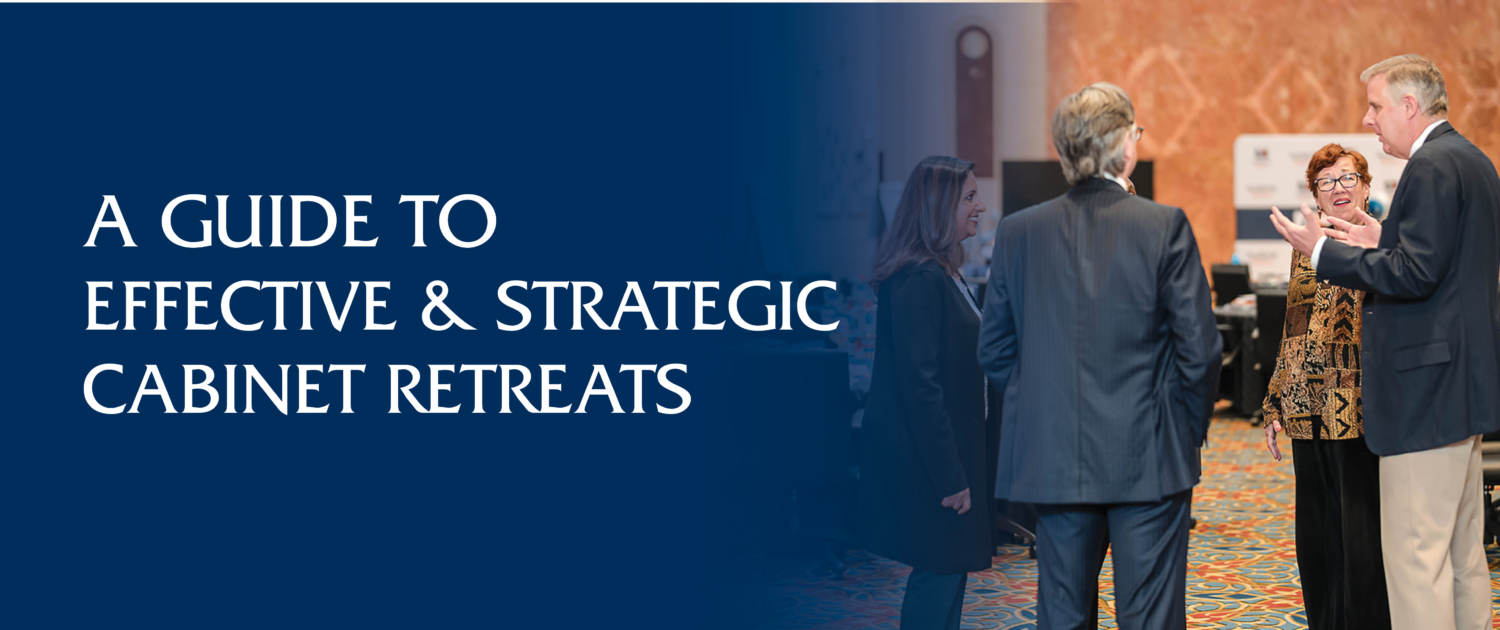 https://www.academicsearch.org/wp-content/uploads/2025/03/A-Guide-to-Cabinet-Retreats-Web-Header-1200x500-1-scaled.jpg
1066
2560
Ashley Hunter
https://www.academicsearch.org/wp-content/uploads/2026/03/50th-Anniversary-Academic-Search-Horizontal-RGB-1030x314.jpg
Ashley Hunter2025-03-14 13:23:212026-09-24 15:24:18A Guide to Effective & Strategic Cabinet Retreats
https://www.academicsearch.org/wp-content/uploads/2025/03/A-Guide-to-Cabinet-Retreats-Web-Header-1200x500-1-scaled.jpg
1066
2560
Ashley Hunter
https://www.academicsearch.org/wp-content/uploads/2026/03/50th-Anniversary-Academic-Search-Horizontal-RGB-1030x314.jpg
Ashley Hunter2025-03-14 13:23:212026-09-24 15:24:18A Guide to Effective & Strategic Cabinet Retreats https://www.academicsearch.org/wp-content/uploads/2024/08/Competencies-for-the-College-Presidency-Graphic-1200x500-1-scaled.jpg
1066
2560
Ashley Hunter
https://www.academicsearch.org/wp-content/uploads/2026/03/50th-Anniversary-Academic-Search-Horizontal-RGB-1030x314.jpg
Ashley Hunter2024-09-15 08:00:052026-09-24 16:36:22Competencies for the College Presidency
https://www.academicsearch.org/wp-content/uploads/2024/08/Competencies-for-the-College-Presidency-Graphic-1200x500-1-scaled.jpg
1066
2560
Ashley Hunter
https://www.academicsearch.org/wp-content/uploads/2026/03/50th-Anniversary-Academic-Search-Horizontal-RGB-1030x314.jpg
Ashley Hunter2024-09-15 08:00:052026-09-24 16:36:22Competencies for the College Presidency https://www.academicsearch.org/wp-content/uploads/2024/08/Rodney-Clark-Deloitte-Study-Response-1200x500-1-scaled.jpg
1066
2560
Ashley Hunter
https://www.academicsearch.org/wp-content/uploads/2026/03/50th-Anniversary-Academic-Search-Horizontal-RGB-1030x314.jpg
Ashley Hunter2024-08-22 08:53:442026-09-24 15:29:48Building Resilient Leadership: Lessons from Deloitte’s Higher Education Trends
https://www.academicsearch.org/wp-content/uploads/2024/08/Rodney-Clark-Deloitte-Study-Response-1200x500-1-scaled.jpg
1066
2560
Ashley Hunter
https://www.academicsearch.org/wp-content/uploads/2026/03/50th-Anniversary-Academic-Search-Horizontal-RGB-1030x314.jpg
Ashley Hunter2024-08-22 08:53:442026-09-24 15:29:48Building Resilient Leadership: Lessons from Deloitte’s Higher Education Trends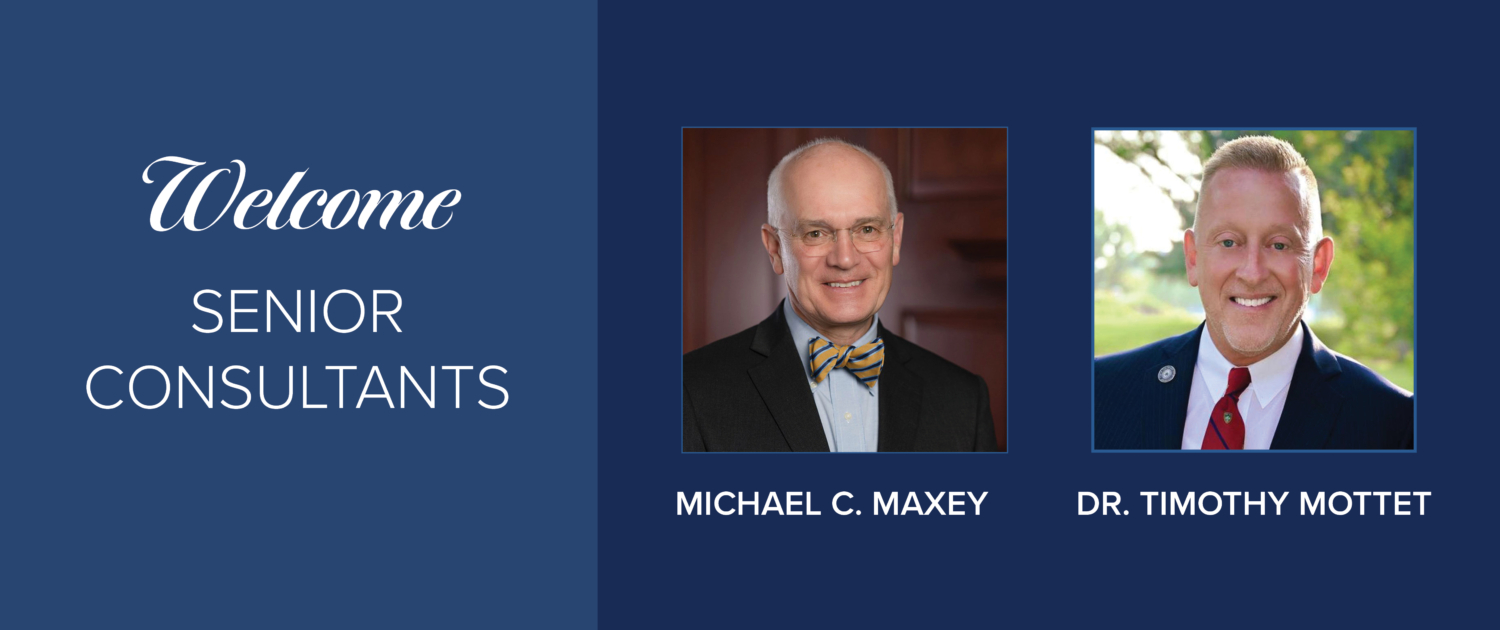 https://www.academicsearch.org/wp-content/uploads/2024/06/SC-Announcement-June-2024-1200x500-1-scaled.jpg
1066
2560
Ashley Hunter
https://www.academicsearch.org/wp-content/uploads/2026/03/50th-Anniversary-Academic-Search-Horizontal-RGB-1030x314.jpg
Ashley Hunter2024-06-11 15:43:142026-09-24 15:31:06Academic Search Welcomes Mike Maxey and Timothy Mottet as Senior Consultants
https://www.academicsearch.org/wp-content/uploads/2024/06/SC-Announcement-June-2024-1200x500-1-scaled.jpg
1066
2560
Ashley Hunter
https://www.academicsearch.org/wp-content/uploads/2026/03/50th-Anniversary-Academic-Search-Horizontal-RGB-1030x314.jpg
Ashley Hunter2024-06-11 15:43:142026-09-24 15:31:06Academic Search Welcomes Mike Maxey and Timothy Mottet as Senior Consultants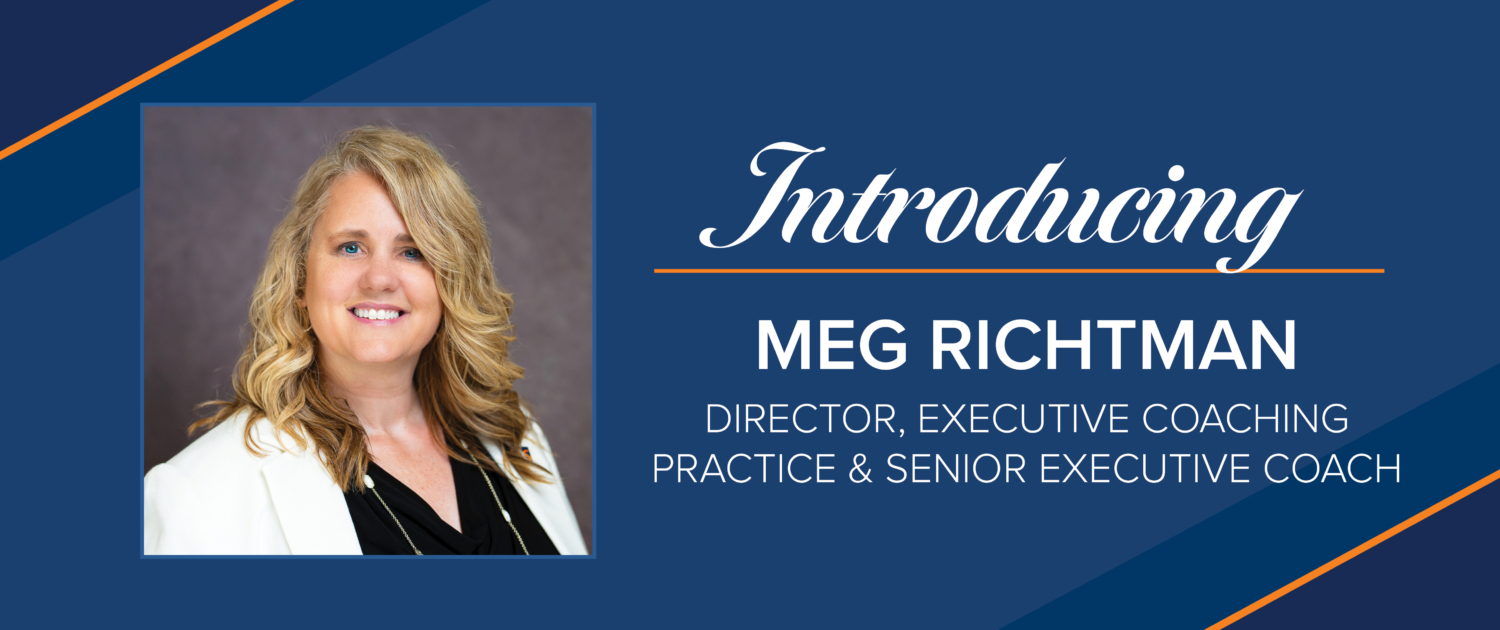 https://www.academicsearch.org/wp-content/uploads/2024/05/Meg-Richtman-Announcement-1200x500-1-scaled.jpg
1066
2560
Ashley Hunter
https://www.academicsearch.org/wp-content/uploads/2026/03/50th-Anniversary-Academic-Search-Horizontal-RGB-1030x314.jpg
Ashley Hunter2024-05-25 13:37:262026-09-24 15:31:22Strengthening Our Executive Coaching Practice with New Director
https://www.academicsearch.org/wp-content/uploads/2024/05/Meg-Richtman-Announcement-1200x500-1-scaled.jpg
1066
2560
Ashley Hunter
https://www.academicsearch.org/wp-content/uploads/2026/03/50th-Anniversary-Academic-Search-Horizontal-RGB-1030x314.jpg
Ashley Hunter2024-05-25 13:37:262026-09-24 15:31:22Strengthening Our Executive Coaching Practice with New Director https://www.academicsearch.org/wp-content/uploads/2024/04/Leaving-the-Presidency-with-Grace-1200x500-1-scaled.jpg
1066
2560
Ashley Hunter
https://www.academicsearch.org/wp-content/uploads/2026/03/50th-Anniversary-Academic-Search-Horizontal-RGB-1030x314.jpg
Ashley Hunter2024-04-01 12:33:482026-09-24 15:31:45Leaving the Presidency with Grace
https://www.academicsearch.org/wp-content/uploads/2024/04/Leaving-the-Presidency-with-Grace-1200x500-1-scaled.jpg
1066
2560
Ashley Hunter
https://www.academicsearch.org/wp-content/uploads/2026/03/50th-Anniversary-Academic-Search-Horizontal-RGB-1030x314.jpg
Ashley Hunter2024-04-01 12:33:482026-09-24 15:31:45Leaving the Presidency with Grace https://www.academicsearch.org/wp-content/uploads/2024/03/HERS-Executive-Coaching-Circles-2024-1200x500-1-scaled.jpg
1066
2560
Ashley Hunter
https://www.academicsearch.org/wp-content/uploads/2026/03/50th-Anniversary-Academic-Search-Horizontal-RGB-1030x314.jpg
Ashley Hunter2024-03-13 16:59:162026-09-24 15:32:46HERS Executive Coaching Circles: Empowering Women Leaders in Higher Education
https://www.academicsearch.org/wp-content/uploads/2024/03/HERS-Executive-Coaching-Circles-2024-1200x500-1-scaled.jpg
1066
2560
Ashley Hunter
https://www.academicsearch.org/wp-content/uploads/2026/03/50th-Anniversary-Academic-Search-Horizontal-RGB-1030x314.jpg
Ashley Hunter2024-03-13 16:59:162026-09-24 15:32:46HERS Executive Coaching Circles: Empowering Women Leaders in Higher Education https://www.academicsearch.org/wp-content/uploads/2024/02/CV-Tips-Flanagan-1200x500-1-scaled.jpg
1066
2560
Ashley Hunter
https://www.academicsearch.org/wp-content/uploads/2026/03/50th-Anniversary-Academic-Search-Horizontal-RGB-1030x314.jpg
Ashley Hunter2024-02-22 10:01:112026-09-24 15:34:15Crafting Effective Application Materials for Academic Leadership Roles
https://www.academicsearch.org/wp-content/uploads/2024/02/CV-Tips-Flanagan-1200x500-1-scaled.jpg
1066
2560
Ashley Hunter
https://www.academicsearch.org/wp-content/uploads/2026/03/50th-Anniversary-Academic-Search-Horizontal-RGB-1030x314.jpg
Ashley Hunter2024-02-22 10:01:112026-09-24 15:34:15Crafting Effective Application Materials for Academic Leadership Roles https://www.academicsearch.org/wp-content/uploads/2023/09/Hispanic-Heritage-Month-1200x500-1-scaled.jpg
1066
2560
Ashley Hunter
https://www.academicsearch.org/wp-content/uploads/2026/03/50th-Anniversary-Academic-Search-Horizontal-RGB-1030x314.jpg
Ashley Hunter2023-09-18 08:31:432026-09-24 15:35:46Celebrating Hispanic Heritage Month 2023
https://www.academicsearch.org/wp-content/uploads/2023/09/Hispanic-Heritage-Month-1200x500-1-scaled.jpg
1066
2560
Ashley Hunter
https://www.academicsearch.org/wp-content/uploads/2026/03/50th-Anniversary-Academic-Search-Horizontal-RGB-1030x314.jpg
Ashley Hunter2023-09-18 08:31:432026-09-24 15:35:46Celebrating Hispanic Heritage Month 2023 https://www.academicsearch.org/wp-content/uploads/2023/09/Mary-Kennard-Announcement-1200x500-1.jpg
1042
2500
Ashley Hunter
https://www.academicsearch.org/wp-content/uploads/2026/03/50th-Anniversary-Academic-Search-Horizontal-RGB-1030x314.jpg
Ashley Hunter2023-09-14 14:30:472026-09-24 15:36:00Introducing Our Newest Senior Consultant: Dr. Mary E. Kennard
https://www.academicsearch.org/wp-content/uploads/2023/09/Mary-Kennard-Announcement-1200x500-1.jpg
1042
2500
Ashley Hunter
https://www.academicsearch.org/wp-content/uploads/2026/03/50th-Anniversary-Academic-Search-Horizontal-RGB-1030x314.jpg
Ashley Hunter2023-09-14 14:30:472026-09-24 15:36:00Introducing Our Newest Senior Consultant: Dr. Mary E. Kennard https://www.academicsearch.org/wp-content/uploads/2023/08/10-Commandments-for-Boards-Welcoming-New-Leaders-1200x500-2.jpg
1042
2500
Ashley Hunter
https://www.academicsearch.org/wp-content/uploads/2026/03/50th-Anniversary-Academic-Search-Horizontal-RGB-1030x314.jpg
Ashley Hunter2023-08-23 11:51:112026-09-24 15:36:4210 Commandments for Boards and New Presidents
https://www.academicsearch.org/wp-content/uploads/2023/08/10-Commandments-for-Boards-Welcoming-New-Leaders-1200x500-2.jpg
1042
2500
Ashley Hunter
https://www.academicsearch.org/wp-content/uploads/2026/03/50th-Anniversary-Academic-Search-Horizontal-RGB-1030x314.jpg
Ashley Hunter2023-08-23 11:51:112026-09-24 15:36:4210 Commandments for Boards and New Presidents https://www.academicsearch.org/wp-content/uploads/2023/07/Bensimon-Associates-Response-1200x500-1.jpg
1042
2500
Ashley Hunter
https://www.academicsearch.org/wp-content/uploads/2026/03/50th-Anniversary-Academic-Search-Horizontal-RGB-1030x314.jpg
Ashley Hunter2023-07-25 14:46:152026-09-24 15:37:23Ensuring Equity in the Search Process
https://www.academicsearch.org/wp-content/uploads/2023/07/Bensimon-Associates-Response-1200x500-1.jpg
1042
2500
Ashley Hunter
https://www.academicsearch.org/wp-content/uploads/2026/03/50th-Anniversary-Academic-Search-Horizontal-RGB-1030x314.jpg
Ashley Hunter2023-07-25 14:46:152026-09-24 15:37:23Ensuring Equity in the Search Process https://www.academicsearch.org/wp-content/uploads/2023/06/AS-Executive-Coaches-Announcement-1200x500-1.jpg
1042
2500
Ashley Hunter
https://www.academicsearch.org/wp-content/uploads/2026/03/50th-Anniversary-Academic-Search-Horizontal-RGB-1030x314.jpg
Ashley Hunter2023-06-27 09:55:062026-09-24 15:37:39Executive Coaching Practice Expands with 7 New Coaches
https://www.academicsearch.org/wp-content/uploads/2023/06/AS-Executive-Coaches-Announcement-1200x500-1.jpg
1042
2500
Ashley Hunter
https://www.academicsearch.org/wp-content/uploads/2026/03/50th-Anniversary-Academic-Search-Horizontal-RGB-1030x314.jpg
Ashley Hunter2023-06-27 09:55:062026-09-24 15:37:39Executive Coaching Practice Expands with 7 New Coaches