Leaders on Leadership Featuring Dr. Jo Allen, President of Meredith College
Dr. Jo Allen talks about her path to the presidency of her alma mater, Meredith College. She discusses Meredith’s anti-racism initiative and shares some of the successes and challenges the campus community has faced in this effort. In addition to offering her thoughts on the importance of balancing confidence with humility as a leader, she discusses the value in taking time to reflect and learn from your leadership experiences.
Episode Transcript
Jay Lemons:
Hello, and thank you for listening. I’m Jay Lemons. Welcome to Leaders on Leadership brought to you by Academic Search and the American Academic Leadership Institute. The purpose of our podcast is to share the stories of the people and forces that have shaped leaders in higher education, and to learn more about their thoughts on leadership in the academy. Delighted to be joined today by Dr. Jo Allen. Jo is the president of Meredith College in North Carolina. One of the largest private colleges for women in the US. She’s been in her role, a full decade now, and is the first Meredith College alumna to serve in that post. Previously, she had served in administrative roles and positions at Widener University, East Carolina, and at North Carolina State.
Jo’s made numerous contributions to the advancement of higher education, serving as a commissioner and site reviewer for the Middle State Commission On Higher Education, and as a board member and site reviewer for SACS, the Southern Association of Colleges and Schools Commission on Colleges. She’s a past board chair of the National Association of Independent Colleges And University, NAICU, and has served in board leadership roles for the North Carolina Independent Colleges And Universities, as well as several other organizations.
Jo, it really is hard for me to imagine and believe that it’s well more than 20 years ago, we met during your ACE fellowship that brought you to UVA and to work with John Casteen during the course of that year. And you were good enough to have made your way all the way down to Wise Virginia, to the University of Virginia’s College at Wise. And I just have loved the chance for our circles to be intertwined, back and forth, over time, beginning in Charlottesville, but also during your years of work and partnership with Jim Harris, and more recently, in the work that we shared in the Search that led to Barbara Mistick, being the successor to David Warren at NAICU. I’m grateful for your friendship, and your kindness, and your support for all of these years, Jo. Welcome.
Thank you, Jay. Thank you. I share your surprise at how long it’s been, but also share your enthusiasm for our friendship and longevity. So, thank you.
Jay Lemons:
Thank you. Well, let’s jump right into it. One of our goals for the program is really to ask leaders to reflect and to think about your own pathway to leadership, with a hope that others might learn, and frankly, be inspired. Jo, I’d love for you to share your story in whatever way you’d want with our listeners, and talk about some of the people, events, or opportunities that forged the person and leader you have become in this journey, and as your journey in higher ed unfolded.
Jo Allen:
Okay. Well, I always start with saying, “Since childhood, I have always wanted to be a college president,” said no one ever. Nobody grows up thinking, “I’m going to be a college president.” And sure enough, there’s somebody listening, who’s… Well, actually, I did. Okay. But it’s not one of those things we really think about in terms of a career, especially as children. And as we mature, it’s not even something we really think about when we go to college. It’s not like there is a major for college administration or college presidencies in prep. So, we pick up our lessons about leadership all along the way. And thanks to a number of wonderful mentors and friends I’ve had along the way, including you, Jay. I would say that it’s been quite a privilege to forge a different kind of pathway for myself.
I do say that, while most people think of the traditional pathway to the presidency is beginning as a faculty member, working into department head, dean, provost, and president, that is more and more rarely the case, and I’m a great example of that. While I was a faculty member and a tenured faculty member going through the ranks, I was never a department head or a department chair, and I was never a dean. So, I’ll tell you briefly what my little unusual journey was there. After my first year as an assistant professor at East Carolina University, I was all of 28 years old, and the chair of the department asked me to take over the University Writing Center for one year, in an interim role to be a good soldier to the department and the university. I was advised by several good friends and mentors not to do it.
They were very concerned that I could do well, my tenure approach. And after just one year under my belt, the feeling was really, I hadn’t settled enough into the faculty life to understand what tenure was really all about, to get my research and publication agenda laid out and rolling, and so forth. Nonetheless, I decided that I wanted this one year opportunity to see what administrative work was like. Again, I will say, as many of your listeners I’m sure will agree as well, naivete can play a great role in opportunities and achievements. We always fear the downside, the risky side of that naivete, but sometimes it plays out for us. And if I had then the wisdom that I had a few years later, I would’ve understood that banking my early career on the professionalism of graduate students was probably not a wise risk to take because they were so much into their studies, and their research, and their work, and classes, that their time as a tutor in the Writing Center took third, fourth, fifth president.
So, I was very fortunate I had great graduate students at East Carolina. They were very committed to this work. But I did realize later, wow, that could have gone really, really badly. And I’m just fortunate that it didn’t. But I did learn a lot in that role, as well. One was that, I like special projects. So, I never really wanted to be a department head, or a dean, and be locked into what seemed to me, at the time, a particular area I learned later that there’s a lot more flexibility there than I thought. But I loved working on special projects and doing things like, we helped to celebrate the 50th anniversary of the North Carolina Museum of Art, and getting Pi Kappa Phi at East Carolina, and other things. And then going on to the ACE fellowship that you mentioned and having the great pleasure to work with John Casteen, a long time friend and mentor.
Jo Allen:
And I recall that the year that I was there, I think UVA had started with a goal of 500 million for a capital campaign. They had just upped it to 750 when I got there. And within another month or two, had upped it again to a billion dollars. And as you can imagine, for this young woman from Eastern North Carolina, that was quite a heady figure. And so, the opportunity though to watch John at work was really interesting to me in terms of his work with his leadership team, his work in fundraising, and his work with the legislatures. So, that was an early insight. I think that’s really valuable when I went to Widener University. I worked with Jim Harris, a phenomenal, phenomenal friend and mentor as well, who, the first week on the job, asked me what I wanted to do after my provost position there.
And all I could think was, I just want to survive it. Yeah. He said, “Well, how about, do you want to be a college president?” I said, “I don’t know. I want to watch you and see what the life is really like, and if I can see myself in that role.” And he said, “Okay, well, if you wanted to be president, where would you want to be president?” And I said, “That’s easy, Meredith College.” And to be able to come back to my alma mater has been just truly a blessing.
But all along the way I say, I had great mentors, I have great experiences, and one of the best, and if your listeners have an opportunity in their leadership roles to provide this opportunity for others or to take advantage of it. One of the great things that Jim did for me was to make sure that I moved beyond the traditional role of a provost, and actually started taking on some of those roles that a president would be involved with, anything from real estate, to program acquisition, to community involvement, and service, and work, and partnerships and relationships with legislators and others.
So, that was really quite fortunate for me, as I say, I’ve been very blessed to have some wonderful friends and mentors along the way. But those are some of the highlights. And as I took these different paths, I guess it did finally dawn on me that there are leadership lessons everywhere we turn. Some of them are painful, but some of them are quite useful. And to learn to start really looking at the lessons learned what would you have done differently. What if you had done that differently? And asking more reflective questions has certainly served me well throughout this journey.
Jay Lemons:
I’ve had the pleasure of watching you model being a reflective practitioner. Jo, I love the point you made about the advantage of naivete, especially early on in one’s career. I too, I think, had no idea what I was asked to do. And I look back and I know that I made some decisions based on a decent amount of knowledge but it was limited, and it was much, much, much more limited with regard to experience born out of naivete that ended up being incredibly consequential. And I might not have made, just as you said, with some more experience. And there’s something there that probably bears, are teasing out a little bit more, but thank you for sharing all of that. I think there was a lot of wisdom packed into that.
Really grateful that we’ve had the chance to serve and support the Meredith community in a number of searches this past year. I want to say thank you for that. And one of the things that it’s made me aware of, is the commitment that the Meredith community has made to doing any racism work. And we live in this incredible era of divisiveness, and we have a world and a union that falls really far short of the ideals expressed by our founders. I’d love for you to talk a little bit about that work, including sharing what lessons learned, both through triumph and the challenges, that you and your colleagues are experiencing. But I really want to raise up and praise the commitment to going beyond the embrace of diversity, equity, and inclusion. But as Beverly Tatum challenged us all to do, we need to actively be engaged if we’re going to see systemic change.
Jo Allen:
Absolutely. I think the approach we’ve taken is just very representative of our community. This is a faculty staff, student alumni group that, it’s not to say there aren’t some outliers, of course there are, but with great passion, believe in the mission and the promise at this institution. And with great passion, believe in the power of change and making a difference. And I say this, first of all, about in the broader context of higher education that I always chuckle, except I find it annoying, when people say, “Well, higher education really needs to change.” Boy, we’re changing all the time. I can’t think of an industry, an enterprise, that changes more than higher education does. We are constantly changing our delivery, our message, our strategies, our recruiting, the faculty, the new things we’re learning about learning, the new things we’re learning about teaching, and so on. So, that’s one thing, is I think that I’m part of a community that recognizes the power of change.
When we look at that through the lens of history, we see the change that has been afforded women, who originally at Meredith, the goal was always to provide a first-rate education for women equal to that that men got. We saw a lot of other women’s institutions that were not committed to that first-rate quality, and most of them did not survive. What we see now is that commitment has changed over time. And while I think it’s very easy to think that our commitment to anti-racism is something new, born out of the last year out of the horrendous murders and social challenges, and social justice calls to action, the truth is that, our faculty and staff were very involved in the civil rights initiatives, for instance. It’s hard sometimes to sustain that interest when you feel like you’ve made a difference. But I think the lessons of the last year, we haven’t done nearly enough. And so, the recommitment to that is really important.
I think the other thing that’s true of Meredith when I talk about the culture here is, there’s a real sense of coming together. And it is faculty, staff, students, it’s alumni, it’s our board of trustees, and all have embraced this work. So, it’s not a faculty problem, it’s not a student problem, it’s not a board leadership problem, it’s an everybody problem that we have to commit to whatever changes and understandings of reality we have to come to. The other thing that I think is really important is that, we’ve designed enough… maybe not enough, but certainly plenty of initiatives for this work to happen, from the ground up as well as the top down.
And I think people are looking for administrative leadership, but they don’t want to be told how to become more inclusive. They want the grassroots piece, but they know they need the resources and they need the commitment to make that happen. So, we see this as a bottom down top up, round the clock, round the campus commitment. And it’s particularly wonderful to see how people are expressing their interest in this. So, one of the things we’ve done, we’ve done multiple kinds of training, for instance, and education. Some, that takes a historical approach, some takes an emotional approach, some takes a political approach or an economic approach. So, there’s an opportunity here for everyone. The other things we are doing is, we’ll be creating our first diversity, equity, and inclusion officer at Meredith. I think in many ways we felt we were the brand leader for diversity.
We were making all the right pushes for women’s empowerment, and equal pay, and gender appreciation, and things like that. And then to realize, quite painfully, that we haven’t done nearly enough to talk about the disparity between how white women proceed through the world, and how black women and women of color proceed. So, that’s another commitment that we have. And just seeing how all this plays out is going to be… it is painful. We’ve done a campus climate survey. We have faculty members involved with universities, understanding slavery, studying slavery right out of University of Virginia. We have been recognized as one of seven national hubs for this study, through The Council Of Independent Colleges. There are all sorts of things going on, our students are active, we’re revising the honor code, our board will be working on renovating the value statements that serve as many of the pillars of our responses, and so forth.
But what I’m most excited about is, actually after getting through this year, and the toughest thing about all this work is that it’s tough no matter what. It’s especially tough during the pandemic, when people cannot physically be together, cannot share each other’s energy and all of that, and everybody’s passion is blocked into a little showcase. So, we’re really excited for people to come back and be part of a grander conversation about this. But one of the real keys is going to be, we’ll be starting the revision of our strategic plan in ’21, ’22. And we have set every single pillar of our strategic plan, we have of six pillars, every pillar will have a diversity, equity, and inclusion goal within. And all of our administrators are having a diversity, equity, and inclusion goal as part of their personal goals and conversations with their supervisors. And those are intended to be multi-year.
So, it’s not just a once and done, and maybe even established something, but assessing it, did it make a difference? Does it need to be tweaked? Is it ready to be better funded? Could we ask a foundation to help us with that? Could we look at other Raleigh colleges and North Carolina colleges to come and join a partnership with us? And we’re just seeing multiple opportunities for all of that to come together, and we’re quite excited about it. So, I’m very, very pleased with the work that we’re doing. And it’s slow, it’s plodding, and we know that. But just as a bit of evidence about the kind of community we are, we asked people, “Do you want to take a break for the summer and have these things to reflect on?” And they said, “No, we want to keep going.”
So, I know summer’s typically a quiet time for a lot of colleges, especially smaller colleges like Meredith, but I’m delighted that our folks want to keep going with this. That’s where the challenge is. The biggest challenge is communication. And it presents itself in two ways. One is, the language we use, which many of us are not well enough educated yet about using the right words, the right descriptions, and language, and so forth. So, we’re learning. But the other, I think, is really the social media impact. It is not in our students realm of day to day living that they check their emails from us. And I suspect most of your listeners are having the same issue with their students. And quite honestly, things like Instagram and Twitter are not the best forums for talking about the positive work that’s going on and the opportunities to participate.
So, trying to get students… “We’ve got an update on our work on anti racism, please check your email or check the website,” or somebody actually getting people to read what we’re doing is probably the greatest challenge. Furthermore, I’d say, just recognizing one size doesn’t fit all, and the work we’re doing, and the reason we’re trying it at so many levels, and in so many different ways and contexts is, we want everybody to find a point of entry that you’re comfortable with. And you don’t have to do something big, splashy, dynamic, and new. Start with your comfort level. What do you learn? What’s new to you? What’s an aha? What do you want to look at next? How do you want to tie that through the rest of your work here? So, that’s our work.
Jay Lemons:
I really appreciate all of that, Jo. And especially the reminder that this work has been going on generations at Meredith, and in dramatic ways, at Meredith. And that there are ever expanding boundaries that will make us more inclusive, and more just, and more whole. And I know, I think, at an earlier point in my life, I imagine that this was work that would have a conclusion. But I think it is ever present, and we need to remind ourselves that it really is marathon and not a sprint. And so, I actually empathize and praise the notion that we’re going to stay at this. You use the word plodding, and yet plodding… we must just keep moving.
So, keep doing that, you and your colleagues. It will be good for Meredith. We’ll have profound impacts on generations of students, just as the work of our ancestors has for where we stand today. So, well, let me switch gears a bit and, yeah, we’re called Leaders on Leadership. I love and have come to appreciate the word good. And I think it comes with that rooting in the Methodist tradition, but it’s also something here at Academic Search and Hasselmo talks about, are doing good work. And I want to ask you what it means, in your mind, what makes a good leader? And let me clarify, by good, I don’t mean grade B. I mean virtuous, effective, successful.
Jo Allen:
One of the things that I’ve been toying with over the last couple of years, and in fact, I think you and I had a conversation or two about this, but I think when a lot of people think of leadership, they see capital L Leadership, which means they have to have the title, they have to have the resources, they more than likely have the salary, they certainly have the support staff to do big, audacious things. And while that’s certainly true, and there are some great works out there about that kind of leadership, and where great leaders have been most challenged by whatever circumstances they may be facing, or whatever opportunities they have before them and not to squander those opportunities, I think, where a lot of times we miss the boat, as we forget about little L leadership. And it’s before you get the title, it’s before you get the big money, before you get the corner office, before you get the dream project, or anything like that, before you get support staff, this is the means by which you represent yourself.
This is the opportunity you speak up for, that I want a shot at doing this. It’s the reputation you have as being a team player and collaborator, not caring so much who gets the credit, but what the outcome of the project is. It’s about caring how other people feel. And when you see that somebody’s slipping at work, it’s not an excuse to run to the boss and criticize, it’s an opportunity to say to your colleague, “Something seems a little off, can I help? Can I step in? Can I do something here?” And so, I think about that as, it’s a form of character building. It’s a form of responsibility and accountability building. But it’s about both the work and the people. And when I think about the best leaders I know, they are people that have, certainly, the intellect and the competence to do big things. But they’ve built relationships along the way that build trust, that build confidence, that build people wanting them to succeed, they want the project to succeed, they want to be part of it.
And I think, embedded in that is the ability to balance confidence with humility. And that is no easy chore. But I do think it’s something that if people get to big L leadership, and they haven’t done the practice of balancing the growth and confidence with taking down a notch or two of humility, they’re not as effective a leader as they could be. And so, I say, “Every day is another lesson.” I really encourage people to journal, to log, to do whatever suits your style and your timing, and all that. But it’s a good way to be, as we were talking earlier, a more reflective leader. Because I think after you get the big L leadership job, those other things are going to keep being part of your repertoire of how you lead.
So, you don’t get the big title, the big promotion, the presidency, whatever, and forget that I got here because people could count on me, because I did my share of the work, because I took advantage of efficient resources and I watched out for people, I looked after their feelings, their abilities, their talents. I try to encourage them to do new and different things, but I also help them understand their strengths and to build on those. So, that sort of leadership for me is that, it’s sort of a wheel of little L, built into the capital L, and then keeping the little L still in mind.
So, I always think about it like the old Ed Sullivan Show, and I’m sure many of your listeners are way too young to know this, but there was a particular person that came out and had this bizarre routine of plate spinning. And he would run from plate to plate trying to keep them all in the air at the same time. And if he could do it, it was huge applause. And if he messed up, there were huge groans from the audience. And so, the one last thing I think about is, people expect us to keep the plates spinning. And even if they don’t realize they want us to keep the plates spinning, they do. Because they know when the plates stopped spinning, that’s when things start to fall. And that’s when morale suffers, that’s when everything else starts to feel uncomfortable and unnerving. So, it’s a tough job, but having other people there to spin a couple of those plates for you, makes all the difference in the world.
Jay Lemons:
Amen. It is a team sport, and I love the invocation of having the right mix or balance between confidence and humility. Powerful. When you’re creating a team, what do you look for in others?
Jo Allen:
Well, certainly beyond confidence and things like that, but I would say even about their own work, to be able to demonstrate that confidence and humility, I definitely look for a sense of humor. I have a very strong team. I have a fabulous team, very big hearted, but also understand the business of the academy, but have their very own distinctive senses of humor, and which I’m always grateful for. I think that we are at a really good way able to play devil’s advocate with each other. I think we started out doing that very tentatively with… “Well, I know you want us to play devil’s advocate sometimes, so I’m going to take a stab at it.” And now it’s more like, “Well, I disagree. Here’s my reasoning.” And we don’t have to do all the nice trot around anymore, but that’s because we’ve been together for quite some time now.
I have one team member, for instance, that I call my stealth bomber. She can actually look at any spreadsheet, and within two seconds, see what’s wrong with it. There’s a cell that’s got a zero there that can’t possibly be a zero. I mean, she’s got that kind of an eye. I’ve got another person that can do public math to the point that embarrasses us all. Another that’s really great at storytelling and keeping us humored, but also through those stories, reminding us of some traditions and some special aspects of Meredith and some pitfalls where prior leaders have made some missteps, and that we don’t want to make again.
Jay Lemons:
Yeah. Excellent. What’s your advice for those who aspire to leadership?
Jo Allen:
I would say it’s a big yes, no, continuum. First of all, know what you want out of it, but know what it does, what it means for other people. I remember when I was a little girl, I always knew I wanted to do something important. But I wanted to do something important for me. And again, when we’re talking about that maturity and growth, it took my growing up some to realize what I really wanted was to do something important for other people that I could be proud of. That’s where it comes back to me. And I say that about projects or anything else. As I said, when I took over the University Writing Center, I was advised not to do it. And decided on my own that it was something I wanted to do. So, there’s that, for one thing, the ability to say, “What do I get out of this? How does this serve the rest of the university outside of the English department?” Things like that.
There was also the matter though of, I get to be in a leadership role, which I had never been. I get to manage a budget. I get to manage a staff. I get to work across the campus. And those were things that appealed to me very much. I think, for other people, if these are things that don’t appeal to you, you need to look for a different kind of leadership role. And I think it’s one of the reasons I’m glad I didn’t do the department head dean role. I had more opportunities to be out and about across the campus, and to see students from all areas. So, figure out what that is, learn to say no, when it’s not the right thing for you.
I will tell you, my dear friend, Jim Harris, would come to me every now and then with, “So and so has a presidency opened, don’t you think you want that? Don’t you want me to nominate you for it?” And I said, “No, I’m not interested in that.” And he would say, “Oh, well, I think you’d be really good.” I said, “I may be, but I’m not interested in it.” So, I’ll always remember the day that he came in and asked me if I had seen that the president at Meredith was retiring. And I said, “Yes, I have.” And he looked at me and he closed the door and he said, “Jo, it’s time.” And I said, “Yep, it’s time.” And we just felt like this was what I’d been preparing for, what I was ready for, to be able to come home to my beloved alma mater with these fantastic people that could be anywhere in the country, anywhere in the world, but they choose to be at Meredith.
That to me was the best evidence that I had, not only made the right decisions, but had taken some risk along the way. And I encourage others to do that. Don’t feel that you have to go in a particular trajectory towards those capital L leadership roles. Do some other things and take some risks. And you’ll be surprised who you get to meet along the way and the impact that they’ll have on you, and vice versa.
Jay Lemons:
What an incredible stroke of good fortune and blessing that the stars aligned for you. The rarity of building through your career and experiences towards… That which you had some clarity about much earlier on is really extraordinary and really unusual. I think that’s very special, and no doubt, a part of what sustains you now, the strength of the vocational call, the clarity around that call.
Jo Allen:
Absolutely. Absolutely.
Jay Lemons:
What do you think the biggest challenges facing leaders are today? As well, are there different skills that are required to lead in the future that we have in a post-pandemic world and into the future?
Jo Allen:
Well, I certainly think that the recovery is on top of everybody’s list of priorities and what that’s going to mean for us, because I don’t think we really know. I think being flexible enough to take whatever gets thrown at us is part of the challenge, right? And that’s why it’s so important to have a good team because you can’t foresee it all, you can’t respond to it all. I remind people that being a college president is like running a city. I’ve got transportation, I’ve got entertainment, I’ve got security, I’ve got utilities, and all of that, hotels, restaurants, and that’s all before you get to the business of the college, you know, the library, the labs, the classrooms, and all of that. So I think, certainly, deferred maintenance on those things is important.
The regulatory climate in which we live in is always changing, brings a lot of new problems to the forefront, sometimes a solution or two creeps through there, but it’s pretty rare. I think one of the real challenges, as I mentioned earlier, is social media. The opportunities for anonymous postings, where allegations of either wrongdoing or wrong-headedness, can’t really be addressed. Even when it’s demonstrably false, you can’t be defensive about things. That’s a problem. I think the other thing though is, as life is faster, social media is more intrusive, technology is more intrusive. We worry about so many aspects of our students’ wellbeing, our faculty and staff’s wellbeing, the economy, family welfare, and all of that. It’s really also important that people acknowledge what being on call 24/7 actually means. And I think there are a lot of people that very flippantly throw that out and feel that they are on call 24/7.
It is different when you’re the one who gets a call about a death on campus, or a utility outage, or a flooded residence hall, or a donor deal that just fell through in the middle of a construction project, or something like that. So, it’s balancing all that as well that I think makes these jobs really hard. And I think it takes a toll on a lot of people in ways they would never have expected. But I think, again, best I can figure, having built that character, and competence, and creativity, and eagerness, to work with the team and not to be a lone wolf, I think is absolutely key to being able to do the job, and do it through tough times.
Jay Lemons:
No question. Yeah. Keeping those plates spinning.
Jo Allen:
There you go.
Jay Lemons:
Because there’s almost always one that is on its way to the ground. And you’re right, my listeners have heard me say this, but I don’t think it can be repeated enough. This is Rosabeth Moss Kanter, this is not Lemons, but I channel it, “Leadership is not a solo act. It’s a team sport.” And almost always happens in duets, or trios, or quartets, or small ensembles, that’s the only way to lead.
Jo Allen:
Absolutely.
Jay Lemons:
Yeah. Let’s move into what I call a lightning round.
Jo Allen:
Okay.
Jay Lemons:
So, you can answer whatever length you want, but we try and pick up the pace, just a hair here, who most influenced you.
Jo Allen:
Certainly, a lot of my faculty here at Meredith when I was a student. So, I would start by crediting them. John Casteen, surely at Virginia is the closest I’d ever been to a president. And then Jim Harris, working with him for seven years, is just a phenomenal leader. So, those would be my top choices probably, right off the top of my head.
Jay Lemons:
Excellent. Excellent. What book has most influenced you?
Jo Allen:
This is an interesting one. Probably, Exit the Rainmaker.
Jay Lemons:
Aha, Jonathan Coleman.
Jo Allen:
Jonathan Coleman. Yes. Yes. For your listeners who don’t know, it’s a book about a college president who, one day, walks into his office, puts his keys down, puts a note on his desk to one of his vice presidents, and just says, “Exit the Rainmaker.” And he disappears for years. And there are questions about whether he is alive or not and what happened to him. But it’s an interesting read it. It’s a humbling read, I think, and a bit of a cautionary tale.
Jay Lemons:
It’s a wonderful book. I encourage people to look for it.
Jo Allen:
It’s a notebook. You’ll probably have to get it through a used bookstore or Amazon or something like that.
Jay Lemons:
Completely out of print, at this point. Do you have a favorite or fondest memory of your undergraduate experiences at Meredith?
Jo Allen:
Honestly, I’d have to say it was everything Meredith. I love this place. I love my experience here. It was not all 100% great, but there was a really special feeling among the students. Even those that were in different cliques and groups, and all that, we still got along well. And so, I think that was great. I think a lot of our traditions, which are really significant at Meredith in most women’s colleges, men’s colleges too, I think, have really significant traditions that were really special feeling, like you understood the tradition that makes-
Jay Lemons:
Is there a special, a favorite tradition that you’d raise up?
Jo Allen:
Yeah. Very interesting. In 1924, there was big flu epidemic and the students had to be quarantined, and all of that. The faculty and staff came together and put on a production of Alice in Wonderland for the students. And we have done that every four years since. And it’s a surprise. The students don’t get to know who’s playing what character or anything like that. We do it for two nights, and it’s great fun. And in 2024, we will be doing it for the 100th year. And I don’t know of any other institution that does something like that, a performance by the faculty and staff for the students. But we do some teasers leading up to it as well. So, we’ll have faculty just pop up in the cafeteria and do a flash mob dancing. And it’s absolutely silly and ridiculous. And we take all kinds of liberties with the story to bring in current references and jokes. But it’s absolutely delightful. Students love it. The faculty and staff love it. We get to see each other from across campus that maybe new faces we didn’t know before. And it’s just a hoot. So, anyway-
Jay Lemons:
That’s wonderful. How really special. So 2024, was there a pandemic version of it that took place in 2020 that you had to do virtually or something?
Jo Allen:
Well, interestingly, because we do it the last week in January, so we just got it done, and then we started hearing, of course, about the pandemic right as that happened. But we didn’t even really hear about it yet. So, it was a little later that we knew that. But we all said, “Thank goodness, we got to do Alice,” because it’s really those relationships and friendships, and all of that. Being virtual has really sustained us in a lot of ways. So, we’re still able to work together because we’re still riding that Alice high. So, all fun.
Jay Lemons:
Fabulous. I love hearing about these traditions, because ritual and tradition are truly essential elements that, I think, do help define the special space and culture that higher education has. It is rooted in those sorts of experiences. Jo, if you hadn’t worked in higher education, if you hadn’t found your way into being, at first, a college professor and then a very young administrator who grew into a president, where else might you have worked?
Jo Allen:
I’m sure my family would say an attorney because I like to argue with people. But actually, I’d want to be a personal shopper. Yeah. And of course it makes sense. I like spending other people’s money. Now, a lot of it’s about figuring out what is it somebody wants, that they can’t even see that they want? And I think that defines higher education in a lot of ways. We have so many students that come in that they’re pretty sure they know what they want, and some of them have no clue what they want. And there’s only a very small percentage that comes in that actually does know what they want, actually will follow that major and career path and retire as that.
But most of our students are going to go through a lot of changes. And sometimes, it helps to say, “Hey, if you ever considered green, green would be a great looking tie on you,” or, “Your colors of your eyes would really bring out this… this blue jacket would work well.” So, that being a personal shopper and then knowing what the little things are to accessorize, whether it’s study abroad, or research projects, or an opportunity to work in a faculty lab, and then how you live your life, how much money do you need to make? How much are you going to be involved in volunteering, and all that? It just seems to be a very nice metaphor, but I like the idea of personal shopping.
Jay Lemons:
I love it. I love it. Well, Jo, one of our traditions here on Leaders on Leadership is, we like to close by inviting our friends like you to share with our listeners, those distinctive qualities that make up the organizational DNA at Meredith, and why it has had such a call on your heart since you were a very young person.
Jo Allen:
Well, for me, it’s something I knew, but didn’t get to articulate and really work on until I got back here. And that was the notion that, what Meredith does is make strong women stronger. And I love that we have embraced the work of Clifton and the StrenghtsFinder work. We’ve used that to build a four-part plan. Each student builds her own plan with the help and support of mentors, and faculty, and advisors, where she takes her top five strengths and applies him in the areas of academic planning, experiential learning planning, financial planning, and career planning. So, each of our strengths gives us a way to look a little differently at our individuality. And I think that comes back full circle to me. But what I liked about Meredith is, it felt very personal. It felt very individualized.
I will always remember sitting in my freshman faculty member’s office during my first semester at Meredith and not really knowing what I was going to do for a major or anything else. And her saying to me, “Jo, you have a real flair for writing.” And I can hear her say that, I can hear those words right now. And I will say, that’s the kind of aha that I said, “I didn’t know I had a flare for much of anything, to tell you the truth.” But then it made me explore though, what would that mean? And so, becoming a stronger and stronger writer over time led me to understand that all of our students become stronger and stronger in something. And it’s very helpful when you know from the get go what your strengths are. You’ve got a real head start on figuring out, how do I use that in combination with my passion for educating children, or developing new software code, or a new banking procedure, or something like that. So, that’s my connection there.
Jay Lemons:
I love it. I love it. President Jo Allen from Meredith College, thank you for joining us on Leaders on Leadership. We’re grateful to have you and to have the benefit of your sharing, your journey, and your insights and wisdom about leadership with all of us. Final word from you would be welcome, Jo.
Jo Allen:
Well, I just thank you, Jay. I think this is great work. We have really appreciated your work with Academic Search. I think they’ve done a great job in getting to know us and our DNA and how we differ from other institutions. So, I see that personalization and all of that in the work that you do as well, and did so very well as a president at Susquehanna and Wise, and then brought to Academic Search. So, you have a great team as well, and I hope everybody find some kernel of joy and sustenance in the work that they do every single day.
Jay Lemons:
Amen. Another secret from Gallup, if we can all find joy and be affirmed in that joy, we will be sustained. So, listeners, we welcome your suggestions and thoughts for leaders we should feature in upcoming segments. You can send those to leadershippodcast@academicsearch.org. You can find our podcast on Academic Search on our website, or anywhere else you find your podcast. Leaders on Leadership is brought to you by Academic Search and the American Academic Leadership Institute. Together, our mission is to support colleges and universities during times of transition, and through leadership development activities that serve current and future generations of leaders in the academy. Again, it’s been a special joy to host Jo Allen on our show today. Thanks again, Jo, for joining us.
Jo Allen:
Thank you, Jay.
Listen to More Episodes
Enjoy our content? Join our mailing list.
Share this podcast
Discover More Leading Insights
 https://www.academicsearch.org/wp-content/uploads/2026/09/Leadership-Pipeline-1200x500_02-scaled.jpg
1066
2560
Ashley Hunter
https://www.academicsearch.org/wp-content/uploads/2026/03/50th-Anniversary-Academic-Search-Horizontal-RGB-1030x314.jpg
Ashley Hunter2026-09-15 20:15:112026-09-24 15:15:15Higher Education’s Leadership Pipeline is Stronger Than the Headlines Suggest
https://www.academicsearch.org/wp-content/uploads/2026/09/Leadership-Pipeline-1200x500_02-scaled.jpg
1066
2560
Ashley Hunter
https://www.academicsearch.org/wp-content/uploads/2026/03/50th-Anniversary-Academic-Search-Horizontal-RGB-1030x314.jpg
Ashley Hunter2026-09-15 20:15:112026-09-24 15:15:15Higher Education’s Leadership Pipeline is Stronger Than the Headlines Suggest https://www.academicsearch.org/wp-content/uploads/2025/05/A-Guide-to-Leadership-Renewal-Graphics-1200x500-3-scaled.jpg
1066
2560
Ashley Hunter
https://www.academicsearch.org/wp-content/uploads/2026/03/50th-Anniversary-Academic-Search-Horizontal-RGB-1030x314.jpg
Ashley Hunter2025-05-27 12:23:542026-09-24 15:22:09Leadership Renewal Starts with Intention
https://www.academicsearch.org/wp-content/uploads/2025/05/A-Guide-to-Leadership-Renewal-Graphics-1200x500-3-scaled.jpg
1066
2560
Ashley Hunter
https://www.academicsearch.org/wp-content/uploads/2026/03/50th-Anniversary-Academic-Search-Horizontal-RGB-1030x314.jpg
Ashley Hunter2025-05-27 12:23:542026-09-24 15:22:09Leadership Renewal Starts with Intention https://www.academicsearch.org/wp-content/uploads/2025/03/A-Guide-to-Cabinet-Retreats-Web-Header-1200x500-1-scaled.jpg
1066
2560
Ashley Hunter
https://www.academicsearch.org/wp-content/uploads/2026/03/50th-Anniversary-Academic-Search-Horizontal-RGB-1030x314.jpg
Ashley Hunter2025-03-14 13:23:212026-09-24 15:24:18A Guide to Effective & Strategic Cabinet Retreats
https://www.academicsearch.org/wp-content/uploads/2025/03/A-Guide-to-Cabinet-Retreats-Web-Header-1200x500-1-scaled.jpg
1066
2560
Ashley Hunter
https://www.academicsearch.org/wp-content/uploads/2026/03/50th-Anniversary-Academic-Search-Horizontal-RGB-1030x314.jpg
Ashley Hunter2025-03-14 13:23:212026-09-24 15:24:18A Guide to Effective & Strategic Cabinet Retreats https://www.academicsearch.org/wp-content/uploads/2024/08/Competencies-for-the-College-Presidency-Graphic-1200x500-1-scaled.jpg
1066
2560
Ashley Hunter
https://www.academicsearch.org/wp-content/uploads/2026/03/50th-Anniversary-Academic-Search-Horizontal-RGB-1030x314.jpg
Ashley Hunter2024-09-15 08:00:052026-09-24 16:36:22Competencies for the College Presidency
https://www.academicsearch.org/wp-content/uploads/2024/08/Competencies-for-the-College-Presidency-Graphic-1200x500-1-scaled.jpg
1066
2560
Ashley Hunter
https://www.academicsearch.org/wp-content/uploads/2026/03/50th-Anniversary-Academic-Search-Horizontal-RGB-1030x314.jpg
Ashley Hunter2024-09-15 08:00:052026-09-24 16:36:22Competencies for the College Presidency https://www.academicsearch.org/wp-content/uploads/2024/08/Rodney-Clark-Deloitte-Study-Response-1200x500-1-scaled.jpg
1066
2560
Ashley Hunter
https://www.academicsearch.org/wp-content/uploads/2026/03/50th-Anniversary-Academic-Search-Horizontal-RGB-1030x314.jpg
Ashley Hunter2024-08-22 08:53:442026-09-24 15:29:48Building Resilient Leadership: Lessons from Deloitte’s Higher Education Trends
https://www.academicsearch.org/wp-content/uploads/2024/08/Rodney-Clark-Deloitte-Study-Response-1200x500-1-scaled.jpg
1066
2560
Ashley Hunter
https://www.academicsearch.org/wp-content/uploads/2026/03/50th-Anniversary-Academic-Search-Horizontal-RGB-1030x314.jpg
Ashley Hunter2024-08-22 08:53:442026-09-24 15:29:48Building Resilient Leadership: Lessons from Deloitte’s Higher Education Trends https://www.academicsearch.org/wp-content/uploads/2024/06/SC-Announcement-June-2024-1200x500-1-scaled.jpg
1066
2560
Ashley Hunter
https://www.academicsearch.org/wp-content/uploads/2026/03/50th-Anniversary-Academic-Search-Horizontal-RGB-1030x314.jpg
Ashley Hunter2024-06-11 15:43:142026-09-24 15:31:06Academic Search Welcomes Mike Maxey and Timothy Mottet as Senior Consultants
https://www.academicsearch.org/wp-content/uploads/2024/06/SC-Announcement-June-2024-1200x500-1-scaled.jpg
1066
2560
Ashley Hunter
https://www.academicsearch.org/wp-content/uploads/2026/03/50th-Anniversary-Academic-Search-Horizontal-RGB-1030x314.jpg
Ashley Hunter2024-06-11 15:43:142026-09-24 15:31:06Academic Search Welcomes Mike Maxey and Timothy Mottet as Senior Consultants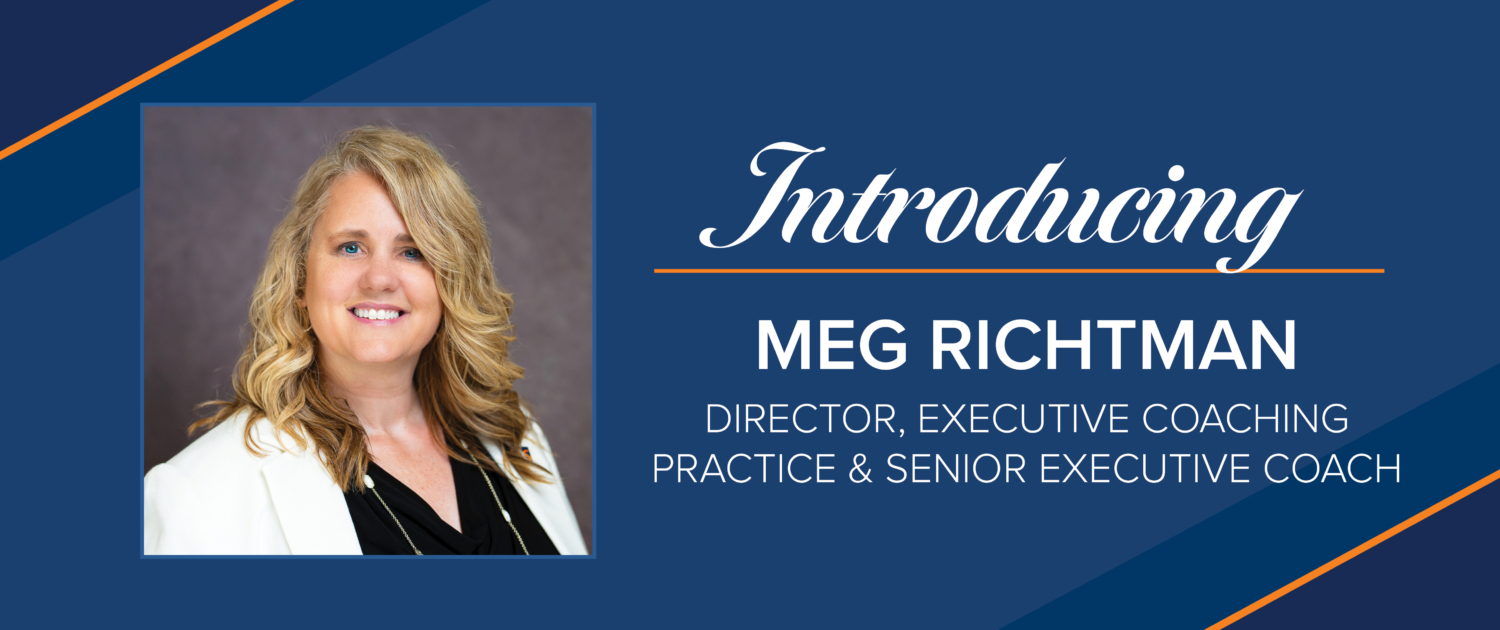 https://www.academicsearch.org/wp-content/uploads/2024/05/Meg-Richtman-Announcement-1200x500-1-scaled.jpg
1066
2560
Ashley Hunter
https://www.academicsearch.org/wp-content/uploads/2026/03/50th-Anniversary-Academic-Search-Horizontal-RGB-1030x314.jpg
Ashley Hunter2024-05-25 13:37:262026-09-24 15:31:22Strengthening Our Executive Coaching Practice with New Director
https://www.academicsearch.org/wp-content/uploads/2024/05/Meg-Richtman-Announcement-1200x500-1-scaled.jpg
1066
2560
Ashley Hunter
https://www.academicsearch.org/wp-content/uploads/2026/03/50th-Anniversary-Academic-Search-Horizontal-RGB-1030x314.jpg
Ashley Hunter2024-05-25 13:37:262026-09-24 15:31:22Strengthening Our Executive Coaching Practice with New Director https://www.academicsearch.org/wp-content/uploads/2024/04/Leaving-the-Presidency-with-Grace-1200x500-1-scaled.jpg
1066
2560
Ashley Hunter
https://www.academicsearch.org/wp-content/uploads/2026/03/50th-Anniversary-Academic-Search-Horizontal-RGB-1030x314.jpg
Ashley Hunter2024-04-01 12:33:482026-09-24 15:31:45Leaving the Presidency with Grace
https://www.academicsearch.org/wp-content/uploads/2024/04/Leaving-the-Presidency-with-Grace-1200x500-1-scaled.jpg
1066
2560
Ashley Hunter
https://www.academicsearch.org/wp-content/uploads/2026/03/50th-Anniversary-Academic-Search-Horizontal-RGB-1030x314.jpg
Ashley Hunter2024-04-01 12:33:482026-09-24 15:31:45Leaving the Presidency with Grace https://www.academicsearch.org/wp-content/uploads/2024/03/HERS-Executive-Coaching-Circles-2024-1200x500-1-scaled.jpg
1066
2560
Ashley Hunter
https://www.academicsearch.org/wp-content/uploads/2026/03/50th-Anniversary-Academic-Search-Horizontal-RGB-1030x314.jpg
Ashley Hunter2024-03-13 16:59:162026-09-24 15:32:46HERS Executive Coaching Circles: Empowering Women Leaders in Higher Education
https://www.academicsearch.org/wp-content/uploads/2024/03/HERS-Executive-Coaching-Circles-2024-1200x500-1-scaled.jpg
1066
2560
Ashley Hunter
https://www.academicsearch.org/wp-content/uploads/2026/03/50th-Anniversary-Academic-Search-Horizontal-RGB-1030x314.jpg
Ashley Hunter2024-03-13 16:59:162026-09-24 15:32:46HERS Executive Coaching Circles: Empowering Women Leaders in Higher Education https://www.academicsearch.org/wp-content/uploads/2024/02/CV-Tips-Flanagan-1200x500-1-scaled.jpg
1066
2560
Ashley Hunter
https://www.academicsearch.org/wp-content/uploads/2026/03/50th-Anniversary-Academic-Search-Horizontal-RGB-1030x314.jpg
Ashley Hunter2024-02-22 10:01:112026-09-24 15:34:15Crafting Effective Application Materials for Academic Leadership Roles
https://www.academicsearch.org/wp-content/uploads/2024/02/CV-Tips-Flanagan-1200x500-1-scaled.jpg
1066
2560
Ashley Hunter
https://www.academicsearch.org/wp-content/uploads/2026/03/50th-Anniversary-Academic-Search-Horizontal-RGB-1030x314.jpg
Ashley Hunter2024-02-22 10:01:112026-09-24 15:34:15Crafting Effective Application Materials for Academic Leadership Roles https://www.academicsearch.org/wp-content/uploads/2023/09/Hispanic-Heritage-Month-1200x500-1-scaled.jpg
1066
2560
Ashley Hunter
https://www.academicsearch.org/wp-content/uploads/2026/03/50th-Anniversary-Academic-Search-Horizontal-RGB-1030x314.jpg
Ashley Hunter2023-09-18 08:31:432026-09-24 15:35:46Celebrating Hispanic Heritage Month 2023
https://www.academicsearch.org/wp-content/uploads/2023/09/Hispanic-Heritage-Month-1200x500-1-scaled.jpg
1066
2560
Ashley Hunter
https://www.academicsearch.org/wp-content/uploads/2026/03/50th-Anniversary-Academic-Search-Horizontal-RGB-1030x314.jpg
Ashley Hunter2023-09-18 08:31:432026-09-24 15:35:46Celebrating Hispanic Heritage Month 2023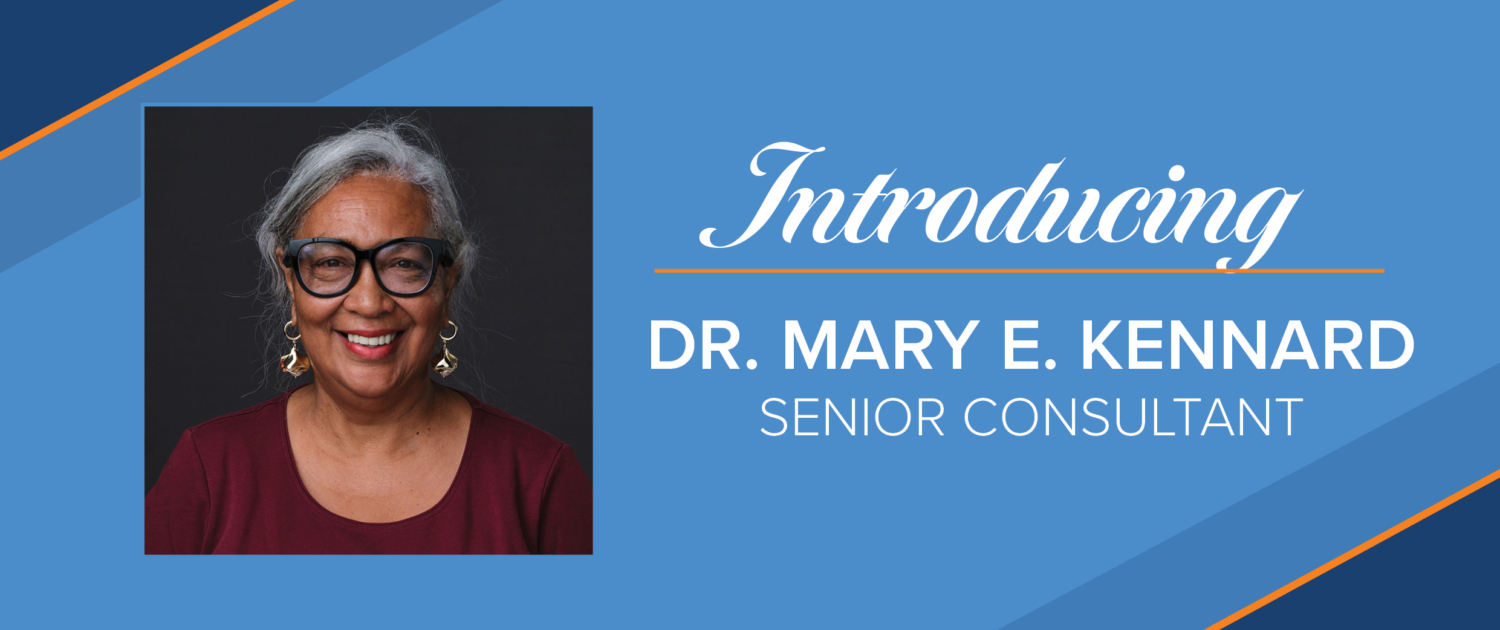 https://www.academicsearch.org/wp-content/uploads/2023/09/Mary-Kennard-Announcement-1200x500-1.jpg
1042
2500
Ashley Hunter
https://www.academicsearch.org/wp-content/uploads/2026/03/50th-Anniversary-Academic-Search-Horizontal-RGB-1030x314.jpg
Ashley Hunter2023-09-14 14:30:472026-09-24 15:36:00Introducing Our Newest Senior Consultant: Dr. Mary E. Kennard
https://www.academicsearch.org/wp-content/uploads/2023/09/Mary-Kennard-Announcement-1200x500-1.jpg
1042
2500
Ashley Hunter
https://www.academicsearch.org/wp-content/uploads/2026/03/50th-Anniversary-Academic-Search-Horizontal-RGB-1030x314.jpg
Ashley Hunter2023-09-14 14:30:472026-09-24 15:36:00Introducing Our Newest Senior Consultant: Dr. Mary E. Kennard https://www.academicsearch.org/wp-content/uploads/2023/08/10-Commandments-for-Boards-Welcoming-New-Leaders-1200x500-2.jpg
1042
2500
Ashley Hunter
https://www.academicsearch.org/wp-content/uploads/2026/03/50th-Anniversary-Academic-Search-Horizontal-RGB-1030x314.jpg
Ashley Hunter2023-08-23 11:51:112026-09-24 15:36:4210 Commandments for Boards and New Presidents
https://www.academicsearch.org/wp-content/uploads/2023/08/10-Commandments-for-Boards-Welcoming-New-Leaders-1200x500-2.jpg
1042
2500
Ashley Hunter
https://www.academicsearch.org/wp-content/uploads/2026/03/50th-Anniversary-Academic-Search-Horizontal-RGB-1030x314.jpg
Ashley Hunter2023-08-23 11:51:112026-09-24 15:36:4210 Commandments for Boards and New Presidents https://www.academicsearch.org/wp-content/uploads/2023/07/Bensimon-Associates-Response-1200x500-1.jpg
1042
2500
Ashley Hunter
https://www.academicsearch.org/wp-content/uploads/2026/03/50th-Anniversary-Academic-Search-Horizontal-RGB-1030x314.jpg
Ashley Hunter2023-07-25 14:46:152026-09-24 15:37:23Ensuring Equity in the Search Process
https://www.academicsearch.org/wp-content/uploads/2023/07/Bensimon-Associates-Response-1200x500-1.jpg
1042
2500
Ashley Hunter
https://www.academicsearch.org/wp-content/uploads/2026/03/50th-Anniversary-Academic-Search-Horizontal-RGB-1030x314.jpg
Ashley Hunter2023-07-25 14:46:152026-09-24 15:37:23Ensuring Equity in the Search Process https://www.academicsearch.org/wp-content/uploads/2023/06/AS-Executive-Coaches-Announcement-1200x500-1.jpg
1042
2500
Ashley Hunter
https://www.academicsearch.org/wp-content/uploads/2026/03/50th-Anniversary-Academic-Search-Horizontal-RGB-1030x314.jpg
Ashley Hunter2023-06-27 09:55:062026-09-24 15:37:39Executive Coaching Practice Expands with 7 New Coaches
https://www.academicsearch.org/wp-content/uploads/2023/06/AS-Executive-Coaches-Announcement-1200x500-1.jpg
1042
2500
Ashley Hunter
https://www.academicsearch.org/wp-content/uploads/2026/03/50th-Anniversary-Academic-Search-Horizontal-RGB-1030x314.jpg
Ashley Hunter2023-06-27 09:55:062026-09-24 15:37:39Executive Coaching Practice Expands with 7 New Coaches