Leaders on Leadership Featuring Dr. Scott Miller, President of Virginia Wesleyan University
Dr. Scott Miller, President of Virginia Wesleyan University, who has served for 31 years in four college presidencies, reflects on the characteristics that made him effective in those roles and led to opportunities for his institutions and those who served with him. He also shares the importance of life-long learning and taking advantage of leadership development programs like those offered by the American Academic Leadership Institute.
Episode Transcript
Jay Lemons:
Hello, and thank you for listening. I’m Jay Lemons. Welcome to Leaders on Leadership, brought to you by Academic Search and the American Academic Leadership Institute. The purpose of our podcast is to share the stories of the people and forces that have shaped leaders in higher education, and to learn more about their thoughts on leadership in the academy. I’m especially delighted to be joined today by Scott Miller. Scott is the president of Virginia Wesleyan University, a post he’s held since 2015. He’s regarded as one of the most entrepreneurial higher education executives in America. And his four presidencies in 31 years of service as a college president are extremely rare for higher education leaders these days. Scott has served as the president at Bethany College in West Virginia, Wesleyan College in Delaware, and Lincoln Memorial in Tennessee. He’s the author and editor of 16 books in more than 200 professional articles. For 16 years he has served as the executive editor of president to president. A national thought series for college and University presidents.
And for 15 years served as the chair of the Council of Independent Colleges’ new president’s program. Scott also, serves as the chair of the board of directors for Academic SearchI might add. I’ll be a little more lengthy than I normally am in these introductions. Scott and I go a long way back 1992, when each of us sort of unexpectedly found our way into presidencies at very young ages. Scott reminds me from time to time that he was younger and earlier. He was more advanced and that’s true. We ended up serving campuses separated, not by very many miles and connected by one extraordinary great higher education leader who was a graduate of Lincoln Memorial and the long time 35 plus year chancellor of Clench Valley college now known as the University of Virginia’s college. Scott, it’s a thrill to have you here and it’s true that we used to be the youngest people in the room and it’s less so nearly 30 years later.
I want to acknowledge a special debt to you for being the person who initiated my call to serve academic search. Among the connection Scott and I shared was a close fellowship that involved a group of presidential colleagues from institutions that did not have a substantial admissions overlap that met twice a year for more than a decade. It was a program piloted by CIC, and it was a remarkable group of women and men that learned and leaned on one another.
And Scott knew, I should note from these intimate conversations that, I was not going to be easily separated from Susquehanna and that I really had a hard time conceiving of a third presidency. And he happened to see me hug my predecessor Jessica [inaudible 00:03:18] at a professional meeting and put together that I’d served both AASCU and CIC institutions and the rest they say is history. And it’s hard for me to imagine Scott, how long ago that was. Especially in light of it’s now three and three quarter years. And I just want to acknowledge that and say, thank you my friend for opening that door along with many other doors that you have opened for me through the years. So welcome to you.
Scott Miller:
Thanks, Jay. It’s always a pleasure to be with you, and it is hard to believe that so many years have passed since our initial service to higher education in those mountains of Appalachia. And I would be remiss if I didn’t congratulate you on the good work you’re continuing to do with academic search and ALI. These are two critical organizations in the identification and preparation of the next generation of leaders for the academy.
Jay Lemons:
Well, Scott, thank you. It was important me to find something that was mission based to do, and my cup runneth over in happy ways. And I think I’ll come back to this in a moment, but being called to a post and being in the right place at the right time in one’s career, I think is interesting. And maybe I’ll just go right there and I’ll come back to where I intended to start, but Scott, you’ve been blessed to serve in four presidencies. I’ve always appreciated. And we’ve talked about this. Your sense of being a catalyst for growth, and progress, and improvement, and also being alert, attentive to an openness to new calls. And I think it would be valuable for our audience to hear you talk about how you discerned. You know the time was right for a new call across these four decades of your service.
Scott Miller:
Well, if you trace my career stat in newspaper work because of my age, I always had to work twice as hard as others to make an impression. And that work ethic created opportunities. When I entered higher education as a 22 year old writer, I had to continue that same approach. So, I developed a reputation as a self-motivated, get it done kind of person. I worked long hours, never complained about hours or salary and took on all kinds of unusual assignments. So, as a young president, I received some national recognition and a number of publications for my transformational style that essentially branded me as a change agent. And as a president, I always have in mind a multi-year plan, my playbook per se, and no playbook is the same for any other institution, but the playbook is a highly energized transformational approach.
I find that the highly energized plan refreshes the institution for a three to five year period, and really sets the tone for the next three to five years. I do tend to think that 10 years is a pivot point for a leader. After that period, you become predictable and in some cases complacent. Some people that we both know go longer, but I tend to think that’s enough. I also make it a habit to have had career advisers from outside the institution. You recalled in the introduction that you’ve actually been one of them. And these are usually respected colleagues from non-competitive institutions that help me talk through career and life issues.
So, I’ve always had the philosophy that you can’t discuss these types of things with insiders at your institution. So, look to friends and colleagues in non-competitive markets that can do it from outside. And of course my wife has been along for this ride and has been my biggest critic and supporter. And it was years into that first presidency that she said to me, if we don’t make a move soon, we’ll probably stay here for the rest of our lives. And that wouldn’t have been good for either one of us. So, a token of what my cutoff points and motivations for new institutions are.
Jay Lemons:
Thank you for sharing. And thank you for raising up the incredible role that Annie has played with you in the life of these institutions. You’re blessed to have a great partner. Let me step back here and one of our goals is to ask leaders to be reflective, to think about their own pathways, and with a hope that some of what has happened for you may be inspiring for someone else. And I would love for you to share whatever you would wish with our listeners and talk about some of the people or the events that the doors that open, that ultimately forges the person in leader that you became as your journey in higher ed unfolded.
Scott Miller:
Sure. You know my path to the college presidency was a really unusual one. I’m a runner, a writer by trade, and worked my way through college as a sports’ writer, a weekend editor, and a columnist for a newspaper system in West Virginia. I authored a weekly column that was called Miller time. That was sort of an offbeat commentary about sports in the Appalachian region. I’d probably get sued for using at these days. One day out of the blue, I received a call from the chief development officer at a small college in Ohio. My writing style had caught the eye of the senior administration there, and they wanted to know if I’d be interested in talking about a public information position. I’d be a bit of a Jack of all trades, a speech writer, and an editor for the president, a news release writer, and also sports information director.
And for a 22 year old, it didn’t pay much, but it was a nice position. And so, my work ethic impressed the president. And within a year, the chief development officer had left for a vice president’s job in Tennessee. And I became the direct report to the president with a broader umbrella of responsibilities. That’s the first experience that probably turned me on to the role of the college presidency. It was such an amazing experience. Two years later, the departed CDO called me from Tennessee and said that his institution was looking for a vice president for advancement, and he wanted them to hire me for the position.
So at age 25, I became the vice president for advancement at Lincoln Memorial University. Became executive vice president at 28. And when the president retired three years later, I was named president. So, the journey from 22 year old speech writer to 31 year old college president was influenced by a number of presidential mentors. Who’ve become lifelong friends and ironically the chief development officer who advocated for me early in my career is now retired from three successful long term presidencies. And is now the executive in residence here at Virginia Wesleyan University. So, that’s my interesting career path.
Jay Lemons:
I recognize and deeply appreciate the reference to David Black.
Scott Miller:
Yeah. He’s a good one.
Jay Lemons:
He’s a good man. I can’t help, but not imagine that there were a lot of taste, great last filling criticisms of Miller time.
Scott Miller:
Well, it’s funny when I started using that moniker, I was 21, 22 years old. And one day an envelope came in the mail and it was from the brewing company. And I thought, oh, they’re going to tell me to cease using their name. And instead they said, we’re delighted to see you’re using it. Here are some coupons for some free beverage. Well, as a 21, 22 year old, you got to like that kind of thing.
Jay Lemons:
Scott, I can’t help, but reflect at the similar nature of our past, I don’t think we’ve ever talked about this, but you went to West Virginia Wesleyan. I went to Nebraska Wesleyan an. I was a sports crase kid raised in a home of educators, just like you were. I arrived in Lincoln, Nebraska, and I was distressed but none of the television stations from Lincoln and Omaha carried the scores from the panhandle. So, I called and said, “Look, I will string you scores.” So, I became this interface and I don’t remember that lasting beyond the first football season but I could have had the lemonade stand as my column or something. So, tell us if you would, Scott what in your mind makes a good leader and why? Good. I mean, I don’t mean grade B. I mean, virtuous, effective, successful, and good.
Scott Miller:
What makes a good leader? Well, there are many textbook and dictionary responses to that, but I’m going to go rogue on this one. In addition to the textbook definitions, I think that highly effective successful leaders have a track record of honesty, and integrity, and self-motivation, and an ability to multitask. I think the real effective individuals hire well, care for the wellbeing of those individuals, and then support them to reach their aspirations. And then of course the effective leader never stops learning. I’m active with most organizations that involve business leaders from coastal Virginia. I’ve served on most national higher education boards over the last 31 years. And while those experiences impact the reputation of the institution, the service also exposes me to a wide variety of thought leaders of all ages and backgrounds. And you learn a lot. And that’s what I mean when talking about effective leaders are lifelong learners. And then I guess the final characteristic would be again, effective leaders should be high energy. High energy is still my trademark after all these years. And that energy creates organizational opportunity.
Jay Lemons:
Yeah. Thank you for every bit of that. And if I had outlined all the organizations that you served and served in the leadership role, I’d still be talking, but I want to acknowledge and say, thanks for, I know the incredible leadership the last several years with the Methodist Colleges Collective Association that you’ve led through a transition, but also on the national level, working with leaders across the entire spectrum of higher education. You are being a voice for issues related to sustainability are really notable and really meaningful. And no doubt have contributed to growth and development and staying fresh. So, excellent.
Scott Miller:
Thank you.
Jay Lemons:
When you’re creating a team. What do you look for in your set of leaders that are a part of your president? And there may be some redundance in this. So, I’ll let you take it whatever direction you’d like.
Scott Miller:
Well, I look for people who are different from me. And by that, I mean, a different skillset. Back when we were both young administrators I was led to believe by a trustee that it was the president’s job to do everything and to know everything. And I soon found out that was not the case. You know, I learned and learned by making mistakes. And I look to assemble a team in which each individual is superior in their respective areas, and even superior to my level of experience in knowledge on particular topics. They need to be self-motivated, they need to be self-starters. They need to be goal-oriented and they need to have an ability to analyze situations and in a clear and succinct way, give me solid advice. We gather each Tuesday for a 90 minute cabinet meeting. We can respectfully disagree, but when we all come out of that meeting, it’s my expectation that we’re on the same page and that we’re all supporting each other.
And by that, I mean, well, a person or two in cabinet may have a differing opinion. When we come out we are one. When quest about something on campus, we don’t say, hey, that was Jay’s dumb idea. I didn’t agree with it, but I went along with it. We are one. Through the years, I’ve also had a decent track record of vice presidents who’ve gone on to college presidencies. And if I recruit superior talent, involve them, and support them, they can then serve me well. And at the same time fulfill their career responsibilities, their career aspirations. And when that time comes, I’m their biggest cheerleader and supporter.
Having had involvement with Academic Search, I hear stories of calls that are placed to presidents that say, tell me about your vice president. And it all becomes a story about themselves. I am the biggest cheerleader leader for my vice presidents when they go for a presidency. And I see it as a badge of honor to have some leaders that have spent some time with me, contribute to the profession and maybe take a particle or two from what they’ve learned from me and apply it at a new institution.
Jay Lemons:
Amen. You know, part of who we know benefit from leaders on leadership are the participants in our ALI leader programs. And I can’t let this opportunity go without asking you to offer your advice for those who aspire a leadership in the academy.
Scott Miller:
Well, what I’m seeing as a current trend in some areas is particularly disturbing people that are wanting to be college presidents or college leaders for the wrong reason. And I would suspect in the next year, when we come out of the pandemic, there’s going to be a heavy turnover in leadership positions, because some people have learned during the pandemic, that leadership is not for them. And my philosophy is work hard, have a good attitude, never make the same mistake twice, have good mentors or advisors and never stop learning. And for those aspiring to a college vice president’s see your presidency, have your institution support you for programs like those offered by the American academic Leadership Institute, ALI. I’m on the board of that organization and their track record of success in support of the council of independent colleges, and American Association of State Colleges, and University institutions has really been remarkable.
AALI alums from their programs. Get premier assignments in higher education. And it’s a tribute to Linda Blaken and the leadership of AALI for the type of program that’s put together. So, I would recommend to our listeners today to go to AALI’s website, it’s wwwamericanali.org and check out the programs. And again, CIC and ask you are two huge collaborators and a lot of the graduates from ALI go one lead ask you or CIC institutions. So, that’s a must as far as I’m concerned.
Jay Lemons:
Amen. Thank you very much. When you look at where we’re at today, what are the most critical challenges that you see facing leaders in higher ed?
Scott Miller:
Of course, the top of the list are diversity and inclusivity issues and also the environment, but for the practice of being a president, the biggest issues are the rapid transformation in higher education. The pandemic has brought about new teaching and learning styles that I seriously doubt will ever fully return to the instructional techniques of the past. You know the methodology of the very traditional residential liberal arts experiences has been seriously impacted. This generation is different in how they learn. And we need to adapt as leaders that, to which our institutions do or we’ll die.
We have 450 colleges in America that call themselves traditional residential liberal arts colleges. Their shortcoming is that they replicate themselves. The pandemic has forced higher education to really change. And if these colleges continue to get down. Their current path, many will either die, merge with other institutions. They have to be more responsive to the marketplace, and it requires a more creative approach by our institutional leaders.
So, when we were young, I guess, overall, our parents expected our generation to graduate from high school. And college was an aspiration. Now, parents expect a college degree and something more. And that’s something is graduate degrees, certifications, and specialized training. I opened up a series of non-credit programs for the coastal Virginia community last week. And the quickest registrants were our own students who wanted an additional shingle or credential on their resume. And these were workforce development programs. So, my advice in particular to my private college sector is that too many of institutions are trying to replicate with what each other are doing. They’re not being responsive to the trends, and they need to be innovative, open-minded to new approaches if they’re going to be successful.
Jay Lemons:
Do you think it takes a different set of skills, knowledge, maybe even abilities than has in the past to be an effective leader?
Scott Miller:
Well, when you and I were young, the path to the presidency was very traditional. Most presidents came with academic leadership backgrounds. They had been chairs and then deans, and then vice presidents for academic affairs and things are really quite different now. Presidents are more like mayors, they’re responsible for basic services on campus, infrastructure, but they also have to have a strong political background as well, to deal with six, seven, eight different constituency groups.
The college president of 2021 has to be really, I think, a master generalist. And I would encourage aspiring leaders to pick up a copy of the American Council on Education’s study of the presidency, because it’ll give them a pretty good idea about what that different skillset is and where leadership is coming from.
Jay Lemons:
Thank you very much. You know, I sometimes ponder whether father Hesberg would be equally effective and I actually think the answer to that is yes. So, there’s some timeless elements, but no doubt, I think acknowledging one of the things that you’ve really made in a powerful way. That ability to continue to learn, and grow, and adapt was a part of what has greatness reflected. I think.
Scott Miller:
Yeah, I think I call it I’ve reinvented myself several times. And when you asked earlier about length of tenure at institutions. Some presidents who’ve stayed 30 years at the same school. I just think that’s unproductive, unhealthy for the individual, and unhealthy for the institution. I think each move that I’ve made, I’ve sort of reinvented the approach and become a more effective leader at each subsequent institution.
Jay Lemons:
Very good. Let’s move into what I like to call our little more like a lightning round is this is my-
Scott Miller:
Late night television?
Jay Lemons:
No. Tony Corn Heiser Peter we’re on ESPN. So, I’ll ask you short questions. You can answer them at whatever length you would wish.
Scott Miller:
Okay.
Jay Lemons:
So, who most influenced you, Scott?
Scott Miller:
Jim Fisher, the former University president, former president of the council for the advancement support of education. And at one time, the most published writer on the college residency found anywhere. And he saw something in me that others didn’t and offered assistance when I was in graduate school. And he prepared me well for presidential service. And I’ll always be grateful for that.
Jay Lemons:
Excellent. What book has had the most influence on you?
Scott Miller:
Well, it’s interesting that you mentioned Theodore Hesberg because there are some amazing books out there buy-in about him. And I think his three or four decades of service at Notre Dame, you can learn a lot just by studying him, but I’ll still go back to Fisher has written several books.
Jay Lemons:
Yeah.
Scott Miller:
His book the power of the presidency in the early 1980s has sort of been the higher education Bible for me. I used it early on. And then a few years after that, he co-authored with Jim Cook, a retired college president, the book presidential leadership, making a difference. That book is a close second. But boy, you can’t miss on some of these bios that are out there. And Theodore Hesberg, that series is absolutely wonderful.
Jay Lemons:
Thank you very much. And thanks for raising up Jim and Jim. And now I’m going to take you to Pakana West Virginia, your favorite fondest memory of your undergraduate years at West Virginia Wesleyan ?
Scott Miller:
I’d say late nights, working with staff in the newsroom of the weekly student newspaper. And at the same time, I was working late nights in the newsroom at the local daily newspaper. My advisor back then actually worked for me until his passing. And we’ve had many stories about some of the editorials that came from those late night sessions at the student paper that made administrators cringe. So, perhaps I’m a little bit more understanding with our student newspaper authors today, as a result of my own experiences.
Jay Lemons:
I have no doubt. I think back and look back at my foolish youthfulness and some of my thoughts from time to time. I will admit. How about a favorite campus tradition at some place you’ve attended or served?
Scott Miller:
It has to be graduation and coming from initial service in Appalachian higher education, I take particular delight in seeing first in their family students graduate. The enthusiasm and spirit of celebration is just amazing. The sense of pride is just amazing. And to see that our institution would play a role in their future career success is just a moment of emotion for me as well.
Jay Lemons:
It hadn’t wavered over 30 plus years, has it?
Scott Miller:
No, it hasn’t. Not one bit.
Jay Lemons:
Yeah. Scott, if you hadn’t found your way into higher education, what would you have done? I think I know some of this, but?
Scott Miller:
Now, here’s probably the real shocker. I would probably be an athletic director at an NCAA division one University. I’ve always loved college sports and was probably headed in that direction when somehow being a speech writer for a president took me away from doing sports information work as a part of my assignment. And I guess, I’ve always in 31 years as a president had athletics report to me and some have suggested it’s because I always really wanted to be the athletic director. I guess, I feel sorry for the athletic directors in that regard.
Jay Lemons:
I love it. Now, that’s in higher ed. What if you had landed outside of higher ed somewhere and maybe you would’ve been a Pulitzer Prize-winning reporter?
Scott Miller:
Well, it’s funny that I enjoyed newspaper work and the advisor that I just mentioned who ended up coming to work for me years later, he was the one when I was in Pakana West Virginia. And after graduation, I wasn’t making much money and I was working for the local newspaper chain and he came up to me and he said, “You’ve been out of school now a while. Why are you still here?” And I said, “I got this nice job.” And he said to me, “You know there are people who write news and there are people who make news. Go out and make news, quit writing about it.” You know, writing has always been sort of a comfort spot for me. I find it soothing, relaxing, and probably the number of newsletters that we do. And the social media posts and the like that I’m a journalist at heart there too. So, you’ve seen two parts of my inner personality today.
Jay Lemons:
Well, I deeply appreciate that. You know one of our customs here on Leaders on Leadership is we like to close by asking our guests to share with our listeners, the distinctive qualities, if you will, the organizational DNA that makes an University, the very special place it is to you and to those you serve?
Scott Miller:
Well, University is a really special place. And, yes, I’ve served four institutions. I really sometimes reflect and say, I wish I had skipped the first three and just come to this one. But then I probably would’ve violated my own rules on length the time staying. The location of makes it ideal to live, to learn, and to work. We are literally the epicenter of the coastal Virginia community of 1.8 million people. And you can draw a small circle around our campus and you have all the value addeds that anybody would want.
And those value addeds are for students. But those value addeds are also for recruiting faculty and staff as well. And we have the amenities of the Atlantic ocean and the Chesapeake bay. We have a world class aquarium. We have a world class Chrysler museum of art, world declaimed environmental centers and science research centers, all very near the campus. NATOs north American headquarters, just up the road. And we have a strong relationship there. Internship opportunities for students with 104 of the top businesses in the country.
An international airport, one mile from campus. Amtrak service easily accessing the east coast. And then just up the road, beautiful colonial Williamsburg with all that history. I could just go on and on and on. I guess that’s my chamber of commerce pitch. So, if you’re a student, you have countless learning opportunities, but also recreation, leisure, and quality of life issues. And that’s why a lot of our students come here from outside the area and after graduation stay here, because it’s all the complete package right here in coastal Virginia.
Jay Lemons:
Well, it’s a very special place. In some ways a younger institution than the others that you’ve served, which also leads to, I can see just what’s happened over the last five or six years. The profound impact that you have had and thanks to your leadership and incredible group of champions that you have invested in .
Scott Miller:
Thanks, Jay. It’s been enjoyable.
Jay Lemons:
Well, thank you. We’re glad to have had you and appreciate your thoughts and insights. Listeners, we welcome your suggestions of thoughts for leaders we should feature an upcoming segments. You can send those to leadershippodcast@academicsearch.org. You can find our podcast on apple podcast, Google podcast, or wherever else you find. It’s also available on the academic search website. Leaders on Leadership is brought to you by academic search in the American Academic Leadership Institute. Together, our mission is to support Colleges and Universities during times of transition and through leadership development activities that serve current and future generations of leaders in the academy. Again, it’s been a special pleasure to have my very close friend and colleague Scott Miller on our show today. Scott, thank you again for sharing with our leaders and for your service and leadership in higher education.
Listen to More Episodes
Enjoy our content? Join our mailing list.
Share this podcast
Discover More Leading Insights
 https://www.academicsearch.org/wp-content/uploads/2026/09/When-to-Engage-a-Search-Firm-1200x500_02-scaled.jpg
1066
2560
Academic Search
https://www.academicsearch.org/wp-content/uploads/2026/03/50th-Anniversary-Academic-Search-Horizontal-RGB-1030x314.jpg
Academic Search2026-10-20 10:09:142026-10-20 13:51:41When Should Your Institution Engage an Executive Search Firm?
https://www.academicsearch.org/wp-content/uploads/2026/09/When-to-Engage-a-Search-Firm-1200x500_02-scaled.jpg
1066
2560
Academic Search
https://www.academicsearch.org/wp-content/uploads/2026/03/50th-Anniversary-Academic-Search-Horizontal-RGB-1030x314.jpg
Academic Search2026-10-20 10:09:142026-10-20 13:51:41When Should Your Institution Engage an Executive Search Firm? https://www.academicsearch.org/wp-content/uploads/2026/09/Leadership-Pipeline-1200x500_02-scaled.jpg
1066
2560
Jay Lemons
https://www.academicsearch.org/wp-content/uploads/2026/03/50th-Anniversary-Academic-Search-Horizontal-RGB-1030x314.jpg
Jay Lemons2026-09-15 20:15:112026-10-01 15:42:50Higher Education’s Leadership Pipeline is Stronger Than the Headlines Suggest
https://www.academicsearch.org/wp-content/uploads/2026/09/Leadership-Pipeline-1200x500_02-scaled.jpg
1066
2560
Jay Lemons
https://www.academicsearch.org/wp-content/uploads/2026/03/50th-Anniversary-Academic-Search-Horizontal-RGB-1030x314.jpg
Jay Lemons2026-09-15 20:15:112026-10-01 15:42:50Higher Education’s Leadership Pipeline is Stronger Than the Headlines Suggest https://www.academicsearch.org/wp-content/uploads/2025/05/A-Guide-to-Leadership-Renewal-Graphics-1200x500-3-scaled.jpg
1066
2560
Academic Search
https://www.academicsearch.org/wp-content/uploads/2026/03/50th-Anniversary-Academic-Search-Horizontal-RGB-1030x314.jpg
Academic Search2025-05-27 12:23:542026-10-01 14:18:51Leadership Renewal Starts with Intention
https://www.academicsearch.org/wp-content/uploads/2025/05/A-Guide-to-Leadership-Renewal-Graphics-1200x500-3-scaled.jpg
1066
2560
Academic Search
https://www.academicsearch.org/wp-content/uploads/2026/03/50th-Anniversary-Academic-Search-Horizontal-RGB-1030x314.jpg
Academic Search2025-05-27 12:23:542026-10-01 14:18:51Leadership Renewal Starts with Intention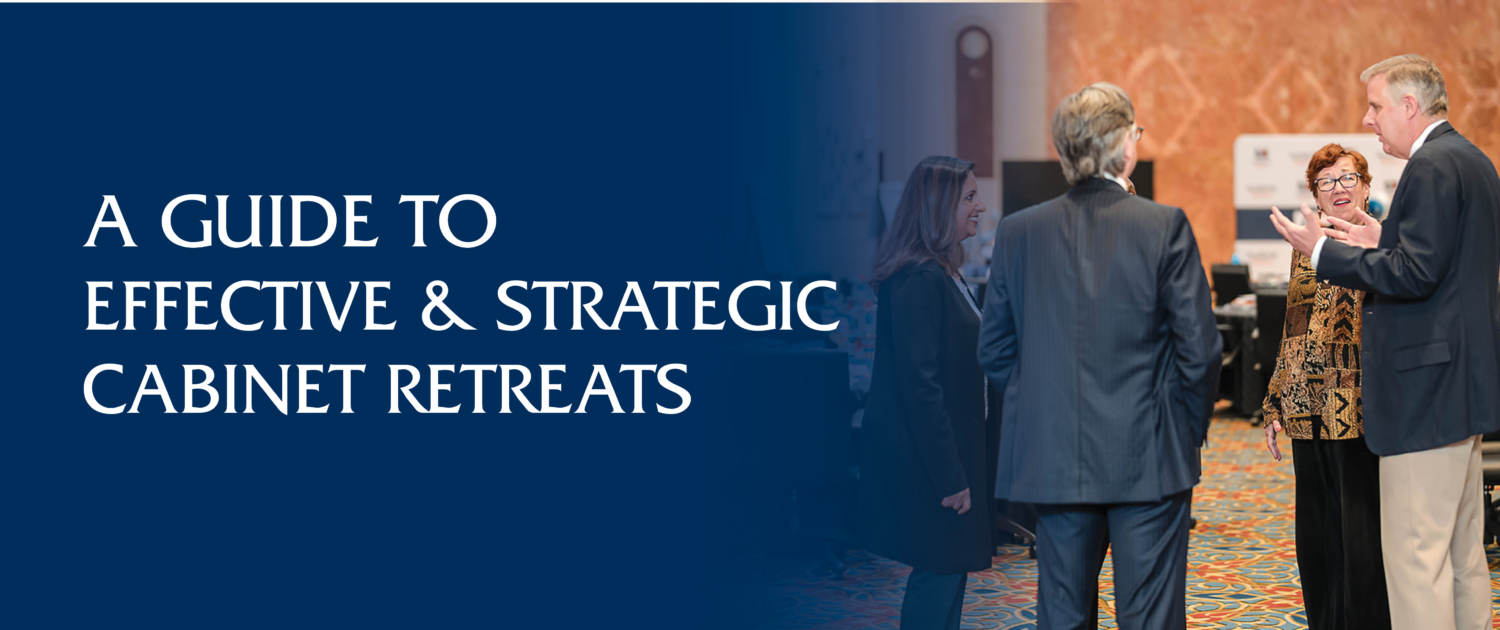 https://www.academicsearch.org/wp-content/uploads/2025/03/A-Guide-to-Cabinet-Retreats-Web-Header-1200x500-1-scaled.jpg
1066
2560
Academic Search
https://www.academicsearch.org/wp-content/uploads/2026/03/50th-Anniversary-Academic-Search-Horizontal-RGB-1030x314.jpg
Academic Search2025-03-14 13:23:212026-10-05 12:07:02A Guide to Effective & Strategic Cabinet Retreats
https://www.academicsearch.org/wp-content/uploads/2025/03/A-Guide-to-Cabinet-Retreats-Web-Header-1200x500-1-scaled.jpg
1066
2560
Academic Search
https://www.academicsearch.org/wp-content/uploads/2026/03/50th-Anniversary-Academic-Search-Horizontal-RGB-1030x314.jpg
Academic Search2025-03-14 13:23:212026-10-05 12:07:02A Guide to Effective & Strategic Cabinet Retreats https://www.academicsearch.org/wp-content/uploads/2024/08/Competencies-for-the-College-Presidency-Graphic-1200x500-1-scaled.jpg
1066
2560
Academic Search
https://www.academicsearch.org/wp-content/uploads/2026/03/50th-Anniversary-Academic-Search-Horizontal-RGB-1030x314.jpg
Academic Search2024-09-15 08:00:052026-10-01 14:19:23Competencies for the College Presidency
https://www.academicsearch.org/wp-content/uploads/2024/08/Competencies-for-the-College-Presidency-Graphic-1200x500-1-scaled.jpg
1066
2560
Academic Search
https://www.academicsearch.org/wp-content/uploads/2026/03/50th-Anniversary-Academic-Search-Horizontal-RGB-1030x314.jpg
Academic Search2024-09-15 08:00:052026-10-01 14:19:23Competencies for the College Presidency https://www.academicsearch.org/wp-content/uploads/2024/08/Rodney-Clark-Deloitte-Study-Response-1200x500-1-scaled.jpg
1066
2560
Rodney Clark
https://www.academicsearch.org/wp-content/uploads/2026/03/50th-Anniversary-Academic-Search-Horizontal-RGB-1030x314.jpg
Rodney Clark2024-08-22 08:53:442026-10-01 15:41:11Building Resilient Leadership: Lessons from Deloitte’s Higher Education Trends
https://www.academicsearch.org/wp-content/uploads/2024/08/Rodney-Clark-Deloitte-Study-Response-1200x500-1-scaled.jpg
1066
2560
Rodney Clark
https://www.academicsearch.org/wp-content/uploads/2026/03/50th-Anniversary-Academic-Search-Horizontal-RGB-1030x314.jpg
Rodney Clark2024-08-22 08:53:442026-10-01 15:41:11Building Resilient Leadership: Lessons from Deloitte’s Higher Education Trends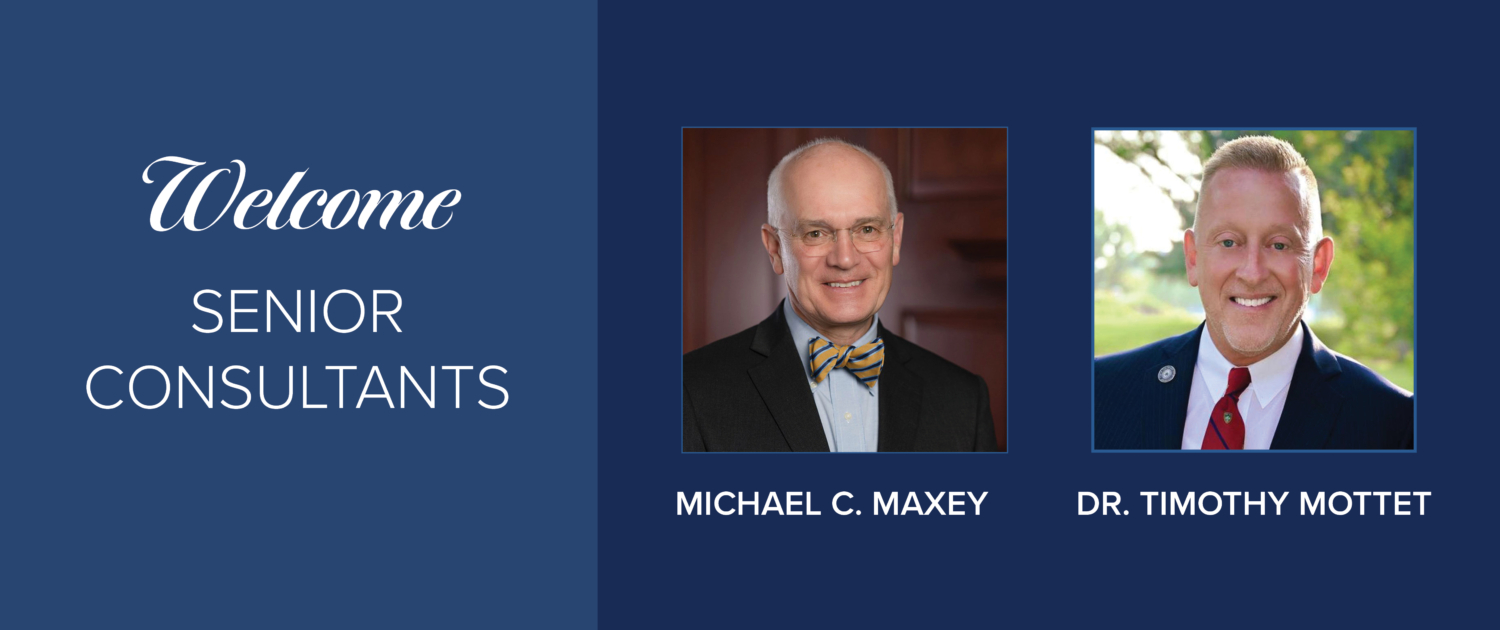 https://www.academicsearch.org/wp-content/uploads/2024/06/SC-Announcement-June-2024-1200x500-1-scaled.jpg
1066
2560
Academic Search
https://www.academicsearch.org/wp-content/uploads/2026/03/50th-Anniversary-Academic-Search-Horizontal-RGB-1030x314.jpg
Academic Search2024-06-11 15:43:142026-10-01 14:19:27Academic Search Welcomes Mike Maxey and Timothy Mottet as Senior Consultants
https://www.academicsearch.org/wp-content/uploads/2024/06/SC-Announcement-June-2024-1200x500-1-scaled.jpg
1066
2560
Academic Search
https://www.academicsearch.org/wp-content/uploads/2026/03/50th-Anniversary-Academic-Search-Horizontal-RGB-1030x314.jpg
Academic Search2024-06-11 15:43:142026-10-01 14:19:27Academic Search Welcomes Mike Maxey and Timothy Mottet as Senior Consultants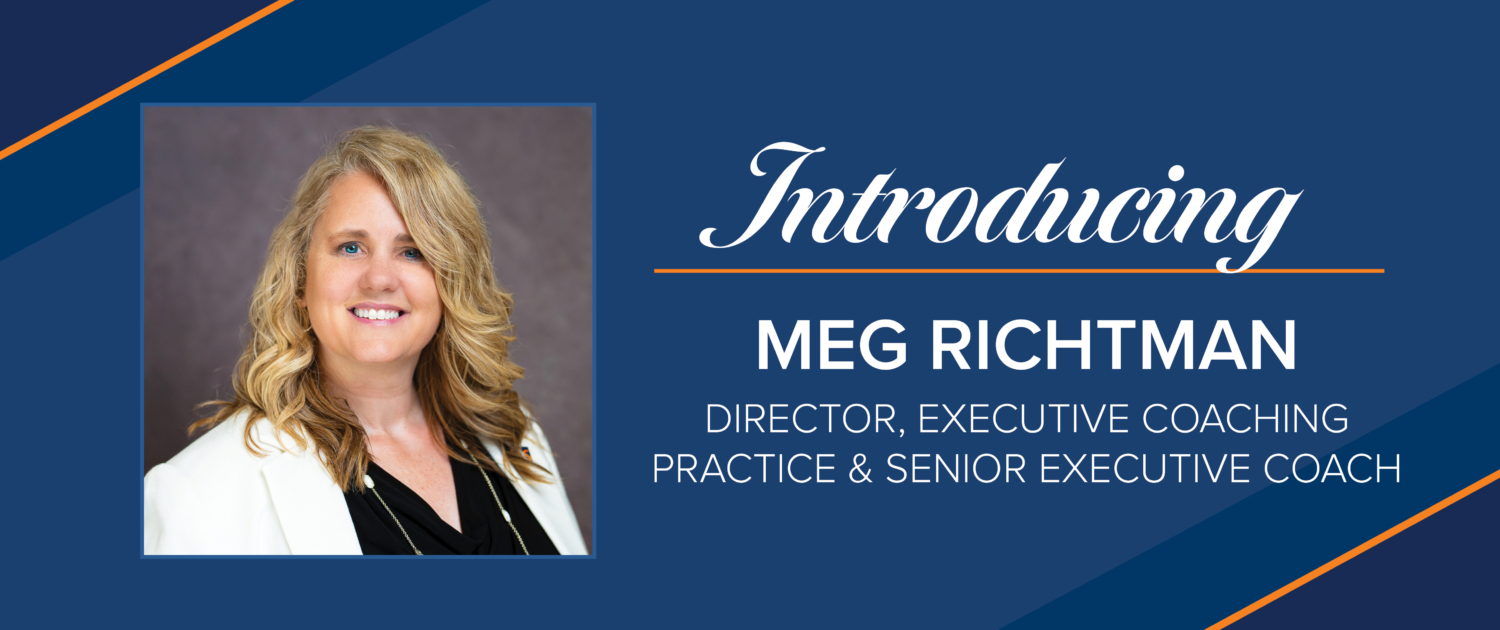 https://www.academicsearch.org/wp-content/uploads/2024/05/Meg-Richtman-Announcement-1200x500-1-scaled.jpg
1066
2560
Academic Search
https://www.academicsearch.org/wp-content/uploads/2026/03/50th-Anniversary-Academic-Search-Horizontal-RGB-1030x314.jpg
Academic Search2024-05-25 13:37:262026-10-05 12:36:48Strengthening Our Executive Coaching Practice with New Director
https://www.academicsearch.org/wp-content/uploads/2024/05/Meg-Richtman-Announcement-1200x500-1-scaled.jpg
1066
2560
Academic Search
https://www.academicsearch.org/wp-content/uploads/2026/03/50th-Anniversary-Academic-Search-Horizontal-RGB-1030x314.jpg
Academic Search2024-05-25 13:37:262026-10-05 12:36:48Strengthening Our Executive Coaching Practice with New Director https://www.academicsearch.org/wp-content/uploads/2024/04/Leaving-the-Presidency-with-Grace-1200x500-1-scaled.jpg
1066
2560
Tara Singer
https://www.academicsearch.org/wp-content/uploads/2026/03/50th-Anniversary-Academic-Search-Horizontal-RGB-1030x314.jpg
Tara Singer2024-04-01 12:33:482026-10-01 15:42:34Leaving the Presidency with Grace
https://www.academicsearch.org/wp-content/uploads/2024/04/Leaving-the-Presidency-with-Grace-1200x500-1-scaled.jpg
1066
2560
Tara Singer
https://www.academicsearch.org/wp-content/uploads/2026/03/50th-Anniversary-Academic-Search-Horizontal-RGB-1030x314.jpg
Tara Singer2024-04-01 12:33:482026-10-01 15:42:34Leaving the Presidency with Grace https://www.academicsearch.org/wp-content/uploads/2024/03/HERS-Executive-Coaching-Circles-2024-1200x500-1-scaled.jpg
1066
2560
Academic Search
https://www.academicsearch.org/wp-content/uploads/2026/03/50th-Anniversary-Academic-Search-Horizontal-RGB-1030x314.jpg
Academic Search2024-03-13 16:59:162026-10-05 12:24:12HERS Executive Coaching Circles: Empowering Women Leaders in Higher Education
https://www.academicsearch.org/wp-content/uploads/2024/03/HERS-Executive-Coaching-Circles-2024-1200x500-1-scaled.jpg
1066
2560
Academic Search
https://www.academicsearch.org/wp-content/uploads/2026/03/50th-Anniversary-Academic-Search-Horizontal-RGB-1030x314.jpg
Academic Search2024-03-13 16:59:162026-10-05 12:24:12HERS Executive Coaching Circles: Empowering Women Leaders in Higher Education https://www.academicsearch.org/wp-content/uploads/2024/02/CV-Tips-Flanagan-1200x500-1-scaled.jpg
1066
2560
Scott Flanagan
https://www.academicsearch.org/wp-content/uploads/2026/03/50th-Anniversary-Academic-Search-Horizontal-RGB-1030x314.jpg
Scott Flanagan2024-02-22 10:01:112026-10-01 14:59:08Crafting Effective Application Materials for Academic Leadership Roles
https://www.academicsearch.org/wp-content/uploads/2024/02/CV-Tips-Flanagan-1200x500-1-scaled.jpg
1066
2560
Scott Flanagan
https://www.academicsearch.org/wp-content/uploads/2026/03/50th-Anniversary-Academic-Search-Horizontal-RGB-1030x314.jpg
Scott Flanagan2024-02-22 10:01:112026-10-01 14:59:08Crafting Effective Application Materials for Academic Leadership Roles https://www.academicsearch.org/wp-content/uploads/2023/09/Hispanic-Heritage-Month-1200x500-1-scaled.jpg
1066
2560
Carlos Medina
https://www.academicsearch.org/wp-content/uploads/2026/03/50th-Anniversary-Academic-Search-Horizontal-RGB-1030x314.jpg
Carlos Medina2023-09-18 08:31:432026-10-01 14:59:17Celebrating Hispanic Heritage Month 2023
https://www.academicsearch.org/wp-content/uploads/2023/09/Hispanic-Heritage-Month-1200x500-1-scaled.jpg
1066
2560
Carlos Medina
https://www.academicsearch.org/wp-content/uploads/2026/03/50th-Anniversary-Academic-Search-Horizontal-RGB-1030x314.jpg
Carlos Medina2023-09-18 08:31:432026-10-01 14:59:17Celebrating Hispanic Heritage Month 2023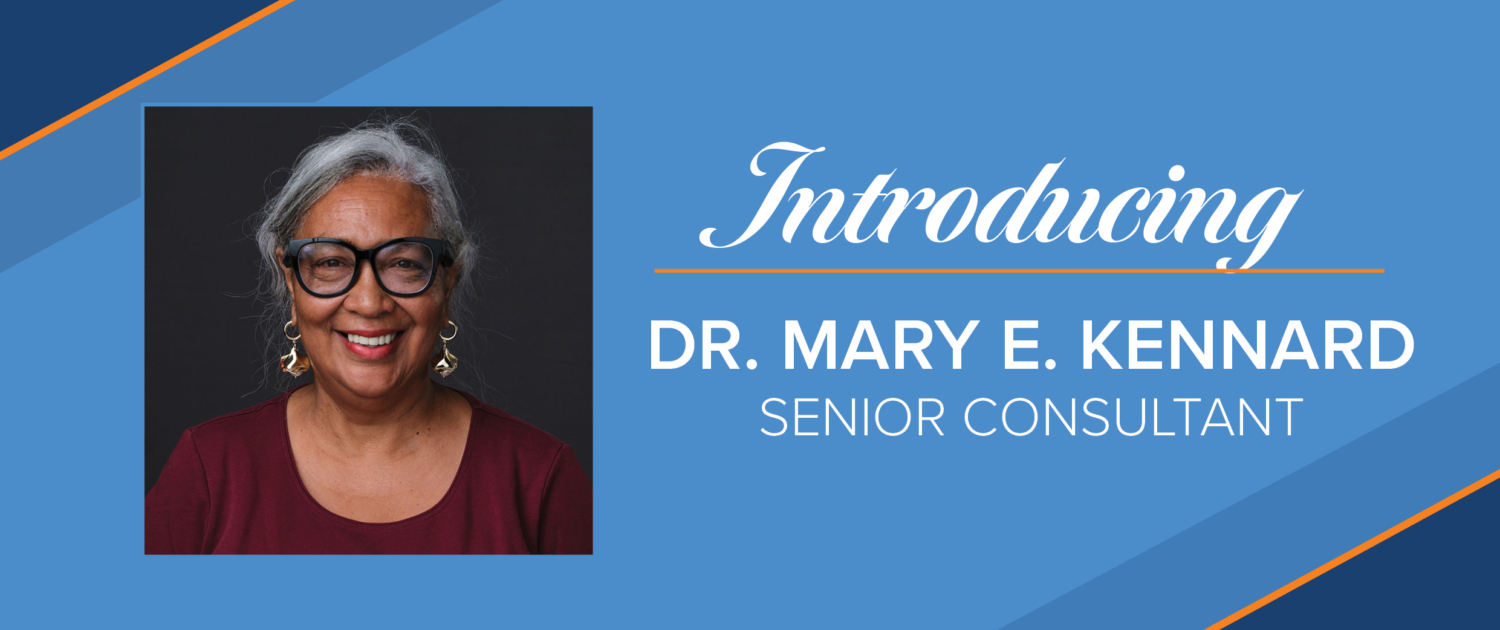 https://www.academicsearch.org/wp-content/uploads/2023/09/Mary-Kennard-Announcement-1200x500-1.jpg
1042
2500
Academic Search
https://www.academicsearch.org/wp-content/uploads/2026/03/50th-Anniversary-Academic-Search-Horizontal-RGB-1030x314.jpg
Academic Search2023-09-14 14:30:472026-10-05 12:24:46Introducing Our Newest Senior Consultant: Dr. Mary E. Kennard
https://www.academicsearch.org/wp-content/uploads/2023/09/Mary-Kennard-Announcement-1200x500-1.jpg
1042
2500
Academic Search
https://www.academicsearch.org/wp-content/uploads/2026/03/50th-Anniversary-Academic-Search-Horizontal-RGB-1030x314.jpg
Academic Search2023-09-14 14:30:472026-10-05 12:24:46Introducing Our Newest Senior Consultant: Dr. Mary E. Kennard https://www.academicsearch.org/wp-content/uploads/2023/08/10-Commandments-for-Boards-Welcoming-New-Leaders-1200x500-2.jpg
1042
2500
Pamela Balch
https://www.academicsearch.org/wp-content/uploads/2026/03/50th-Anniversary-Academic-Search-Horizontal-RGB-1030x314.jpg
Pamela Balch2023-08-23 11:51:112026-10-01 15:39:5610 Commandments for Boards and New Presidents
https://www.academicsearch.org/wp-content/uploads/2023/08/10-Commandments-for-Boards-Welcoming-New-Leaders-1200x500-2.jpg
1042
2500
Pamela Balch
https://www.academicsearch.org/wp-content/uploads/2026/03/50th-Anniversary-Academic-Search-Horizontal-RGB-1030x314.jpg
Pamela Balch2023-08-23 11:51:112026-10-01 15:39:5610 Commandments for Boards and New Presidents https://www.academicsearch.org/wp-content/uploads/2023/07/Bensimon-Associates-Response-1200x500-1.jpg
1042
2500
Carlos Medina
https://www.academicsearch.org/wp-content/uploads/2026/03/50th-Anniversary-Academic-Search-Horizontal-RGB-1030x314.jpg
Carlos Medina2023-07-25 14:46:152026-10-01 15:40:07Ensuring Equity in the Search Process
https://www.academicsearch.org/wp-content/uploads/2023/07/Bensimon-Associates-Response-1200x500-1.jpg
1042
2500
Carlos Medina
https://www.academicsearch.org/wp-content/uploads/2026/03/50th-Anniversary-Academic-Search-Horizontal-RGB-1030x314.jpg
Carlos Medina2023-07-25 14:46:152026-10-01 15:40:07Ensuring Equity in the Search Process