Leaders on Leadership featuring Dr. Andrea Chapdelaine, President of Hood College
Dr. Andrea Chapdelaine discusses the role of institutions in community engagement and workforce development. She shares her own experience both as a faculty member and administrator in preparing students to contribute to their communities as talented professionals and civic leaders. She also shares her thoughts on the important qualities of good institutional leaders, from being passionate about student success and the university mission to leading with integrity.
Episode Transcript
Jay Lemons:
Hello, and thank you for listening. I’m Jay Lemons. Welcome to Leaders on Leadership brought to you by Academic Search and the American Academic Leadership Institute. The purpose of our podcast is to share the stories of the people and forces that have shaped leaders in higher education and to learn more about their thoughts on leadership in the academy.
I’m delighted today to be joined by Andrea Chapdelaine. Andrea is the president of Hood College in Frederick, Maryland a post she’s held since 2015. Andrea came to Hood from Albright where she was a faculty member and also served in several administrative positions, including dean of undergraduate studies and provost. She earned her doctoral and master’s degrees in social psychology from the University of Connecticut and her bachelor’s degree in psychology from the University of New Hampshire. Andrea is active in local, state and higher education communities at the national level serving as the most recent chair of the Maryland Independent Colleges and university’s association vice chair of the Middle Atlantic Athletic Conference, chair of the Frederick Chamber of Commerce. She’s been a member of the council of Independent Colleges board. And in 2019, she was appointed to the governor’s workforce review board.
Andrea, we’ve had the chance to know each other for several years, but I especially enjoyed the opportunity to work with you last year in the presidential search for the Maryland Independent College and University Association. And I know my colleagues, Ann Hasselmo and Chris Butler have so very much appreciated helping you build your team at Hood over the years. We’re grateful that you’re our guest today. And I know we’re close enough to the anniversary of what would be the beginning of your seventh year. Welcome, Andrea.
Andrea Chapdelaine:
Thank you. It’s a pleasure to be here and honor. Thank you for having me.
Jay Lemons:
Well, we’re going to dive right into this. One of the goals we have for the program is to really ask leaders to be reflective and to consider your own pathway to leadership with a hope that some of your story may inspire others. Andrea, share whatever you would wish about the people, events, opportunities that have helped forge the person and the leader that you’ve become as your journey in higher ed has unfolded.
Andrea Chapdelaine:
Well, I appreciate that opportunity to reflect. As busy presidents, we don’t do that very often. So it’s been a real pleasure to think about things that you will ask me about. So thank you for that. So I am a proud first generation college student. I always say when I’m introducing myself to students, I’m first gen second gen, because I’m second generation French Canadian. So very typical story. Both sets of grandparents and in fact, my husband’s grandparents as well came from Canada at the beginning of the last century to work in the textile mills. And it’s the story of the American dream really.
I’m the youngest of five children, but my parents always believed college was important and really wanted that for all of their children. And I’m happy to say that did happen for all of us. So I went off to college knowing that was important to my parents. I knew I loved learning, but that was about it. So very typical first gen, I wasn’t quite sure what college meant or where it was going to lead, but I discovered very quickly the opportunity to study so many different things.
I was truly a liberal arts person without even quite understanding that term. And I think of that often as I tried to introduce that concept to my own students, but I definitely wanted to major in everything. I remember a conversation with my parents towards the end of my sophomore year, possibly even the beginning of my junior year, where they said to me, “You may be on whatever timeline you want, but we’re on a four year plan. So pick something and get it done.” Which of course, I did.
I had wonderful mentors, Ellen Cohn in the psychology department and Susan White in the political science department that really opened doors for me. They introduced my love of psychology and law, as well as giving me that moment of thinking about graduate school. I didn’t even know what that was, but they explained it to me and encouraged me and provided those I opportunities that would make that possible for me.
So I did. I went off to graduate school. My goal was to study justice in the legal system. Idealistically, I was going to fix all that was wrong with our legal system, but along the way, I became a teacher. I fell in love with teaching. I fell in love with mentoring students. I saw that I was able to do what so many mentors had done for me, and then under great guidance of my graduate school mentors, Skip Lowe, David Kenny, they encouraged me to look at small liberal arts schools. I was a public college person. Again, if it weren’t for them, I wouldn’t even known that world existed. And I certainly found my niche there.
As you know, I went on to teach at three great liberal arts colleges, and I started doing administrative work frankly to supplement my pay. My husband was a stay at home. We had two young children, and it was the way to make ends meet so that he could continue to be home with them. And that eventually grew into a full-time role in administration, as you just shared with the audience.
So again, along that way, I was fortunate to have a phenomenal president to be my mentor, Lex McMillan, who again, guided and supported me. I’m a proud graduate of the first inaugural class of the senior leadership academy, which was so critical. And that’s how I came to be the president of Hood eventually.
Jay Lemons:
Well, you have landed in a wonderful spot, a wonderful institution and an institution that had some momentum, but it’s been fun to watch you add speed to the flywheel there. And I love the comment that you made about you didn’t know what the liberal arts were. I didn’t either. I say the first great accident in my life was landing in a liberal arts college, because I couldn’t have told you at 18, 19 or 20 what a liberal arts college was all about. But I had the good fortune of landing there.
So I’m sometimes … and I also love that you made the transition from all flagship Publix in your experience into this other world. And a lot of people make that transition and yet there are, and I will have to confess to probably from top time to time, and well, I always was ready when faculty candidates would come, who had had experiences in this setting to think, “Okay, they’re going to get us right away.” And yet how many people like you found their way to this environment and then thrive.
So I want to pick up on something earlier that I mentioned, Governor Larry Hogan appointed you to his workforce development board. Talk, if you will, about the role you see for colleges and universities, all types, having a place and a role and a contribution to make in terms of workforce development, building relationships and partnerships in the communities and being models of collaboration.
Andrea Chapdelaine:
Sure. So I had mentioned earlier where my interests lay in terms of my discipline and focusing on issues of justice and looking at how the inequities in our system, and that translated pretty early in my teaching career into getting my students involved in community based research, action research, what then eventually became service learning work and now is called more holistically civic engagement. And for me, that has translated in terms of my administrative work on helping that continue to be opportunities for our students. I feel it’s so important that they understand that we’re not here just to prepare them for professional careers, although that’s very important, but also to be community leaders, to be civically engaged.
And that work that I had been doing since the beginning of my teaching career was something that was where Hood was going under previous great leadership. And the board really knew that was the strength of mine and wanted that to happen. And so it’s really continued beautifully under my leadership thanks to the momentum that was already here and the strength of the community in which we live and their willingness to embrace the college and embrace our students.
So I feel it’s important for two reasons. First and foremost, for the experiences our students should have so that they are … we graduate smart, capable students who are committed to contributing to their communities, both as talented professionals and as civic leaders. But also, it’s part of our mission. We are a public good, and I believe very strongly in that. We are anchor institutions. Colleges and universities do not leave their communities. They are very place based and the history of Frederick and Hood is so deeply intertwined. And that’s an important stewardship for me and how do we continue to be supportive of each other. We’re blessed to have such a positive relationship. This community loves Hood and good loves Frederick right back, and that’s really fortunate.
So one of our alum is actually the Maryland Secretary of Commerce, Kelly Schulz. And she’s the one who called and said, “Would you be willing to serve on this?” And it’s just a incredibly talented, diverse group of individuals, and bringing higher education partners to the table is not always typical in those workforce development boards. So it’s been really exciting to help build those connections statewide and create those pipelines for students, as well as build industry connections that will help with their skillsets and preparing them for that workforce.
Jay Lemons:
Well, that’s fabulous. And Kelly is also now a member of the University System of Maryland board. So that creates another sort of interface. And too often, I think I recall maybe too many institutions were willing to say, “Well, maybe there’s a role for community colleges around workforce development.” Many four year institutions resisted that, but that ability to integrate and find ways of building common ground, good for you. Good for you. And its always got to feel good to have a major state leader be one of your alumni. Huh?
Andrea Chapdelaine:
We’re blessed. She’s an amazing public servant and very, very proud of her work for the great state of Maryland.
Jay Lemons:
Awesome. Hey, I always ask people this question, and you mentioned Ann Hasselmo earlier. And Ann’s use of the word good plays into my mind as Ann was talking with me about the prospect of changing my life and leaving campus and being a part of the world at Academic Search. She said, “Jay, this is good work.” I want to ask you what it means to be a good leader. And by good, I don’t mean grade B. I really want to know what makes a good virtuous successful and effective leader.
Andrea Chapdelaine:
The way you said good there, I can hear Ann. And that’s terrific [crosstalk 00:12:45].
Jay Lemons:
Well, it’s been incredibly impactful on me because good has come to be too much associated with “Okay, grade B. I’m a little bit less than excellent.” But it’s a beautiful word.
Andrea Chapdelaine:
It is. It is. And I appreciate that very much. And I know I’m sure many much of what I’ve said you’ve heard from other guests, but I think that it’s because it rings true and you learn as a leader what are those key characteristics. And of course, there are many and they change over time and place. But I think for me, when I think about being a leader of a higher education institution, first and foremost, you have to be passionate for the mission. You must be all about the students. It’s all about them, about their success, their wellbeing. Making sure they’re challenged and supported at the same time as they go through this amazing transformation college affords. That’s what drew me because I had that experience and changed my life, and what an honor that every day that’s what mission is that you are serving.
So I think others will embrace your vision and go where you want to go if they know you’re in it for the success of the students, not for self. You have to be a hard worker. You know this very, very well. Hard work doesn’t guarantee success, but not putting in the hours certainly guarantees failure. And I think one of the things you said something that stayed with you. One of the things that when my graduate advisor, Skip Lowe, said to me when we were talking about the teaching profession, and he said, “Being a good teacher requires no shame.” And at the time, I didn’t quite understand what he meant, but it had stayed with me. And I realized I would think of that often and it translates to being a good leader. And it means to me, two things. And I think this is what he meant as well.
You have to leave your ego at the door and be willing to do whatever it takes. What has to be done has to be done and you have to be willing to do it. It also means recognizing, admitting your own limitations, that you don’t know all the answers, that you make mistakes. You have to show, of course, you’re strong and confident, but people want to see you’re human too. That’s important, because they can’t get around somebody if they don’t feel they really know that person. You have to take care of your team. What I think about what my team has done over these past many months, it’s just amazing. And we’ve done well, Hood has done really well because of the board and the faculty and the staff. They’re just amazing people. So if I can help them do well and enjoy their work, then I’m being a good leader.
And for me, and we already talked about this, most important, you have to lead with integrity. People have to trust you. They have to believe your word and your intentions. That’s essential. If you don’t have that, nothing else is going to work.
Jay Lemons:
Fabulous. So many points that I want to follow up on there. And yet, I will probably try and keep myself disciplined here because you did spur really, really thoughtful comments there. You mentioned your team. Let’s talk about when you are building your team. What are you looking for in those leaders?
Andrea Chapdelaine:
Well, certainly the same qualities I just mentioned. Hard workers, people of integrity and most important, I see that their focus is on students and fulfilling that mission. Collaboration, willingness to be a team player, communicative so they’re transparent and let me know what’s going on. I think all of those are important. I think it’s also important that they’re willing to speak up, to disagree, to tell me when I’ve stepped in it or I’m about to. You need to have that openness. You need to have people who will tell you. Sometimes people are afraid to speak up to the president. It has nothing to do with you sitting in the seat, it’s the role. And so you need to have people who are not afraid to speak truth to power, as they say, right? And of course, skill sets I don’t have. I want to learn from them. If I’m not learning something new every day, this job’s going to get old. And so I need to be surrounded by people who are smarter than me and know things I don’t know, so that I can continue to grow.
I have to attribute this to Lex, but one of the things I saw he always did when he was seeking a person is actually put in the job description that they had to have a sense of humor. And it was just a signal of the kind of work environment he wanted to have. And I have continued that. You have seen it in my searches, because if you’re not having fun, why be here? Right? So I appreciate people who can laugh and enjoy life at their job.
Jay Lemons:
Life’s too short. And that’s really good. Well, in a slightly different tilt of the prism, I’m thrilled that you identified yourself as a part of the inaugural class of AALI Senior Leadership Academy. And I think of that cadre of people who have been invited to think about leadership or who aspire to it as really at the heart of that audience that I hope will find benefit in these programs. I’d love for you to share your thoughts about advice for them about leadership in higher education.
Andrea Chapdelaine:
Well, it’s actually interesting Jay, because this year my provost is in the senior leadership academy. So I’ve been having to do that reflection and mentoring and thinking about that for her. And it’s a wonderful opportunity for her as well. I think you’ve heard me say the importance of mentorship in my life. If certain mentors weren’t in my life at the times they were, my paths would’ve been very different. And so I think it’s really important.
I always tell this to students that they can be a little hesitant to reach out and ask for mentorship, but that gives us the greatest joy, that’s when we enjoy our work is when we know we’re able to help and support and give a hand up to the other person. So I always tell students, “When you’re asking for help, you’re making me feel good that I’m doing my job so never hesitate.” So I think that’s important that you can cold call somebody that you think would be … somebody who could give you some good advice. And 99% of the time they’re going to be okay with that. And in fact, enjoy that opportunity.
The other thing I think is important and it can sound a little strange. We’re all set. People who sit in this seat tend to be pretty high achievers and very focused on their career and moving ahead. And I don’t think you should rush into a presidency. It is a hard job. I think this past year has been incredibly difficult for presidents, as well as everybody in this world of course. And it’s better to be prepared. We want to forge ahead to the next thing, but I had good mentors who said to me, “Take a few more years, get a little more experience in this area or that area. Don’t just rush into the first presidency application.
Think about the fit, think about whether your skill sets is what that institution needs at that time.” And that was really, really important. Hard for somebody who’s always thinking about, “Okay, now what?” And I had been a provost for 12 years, so it was probably a little longer but we know it’s long. It was probably twice as long as the tenure provost at this point. But it was the right thing. I was still not ready. I don’t think anything completely prepared you for this job, but certainly more so than if I had just jumped in as soon as I thought it was the right time.
Jay Lemons:
Yeah. I so appreciate what you just said. Blooming where your planted no matter what you’re doing is really critical and can be so formative in ways that people don’t really appreciate. And the other corollary of that, and I use this on lots of places, but it fits geographically for you. The higher ed version of Potomac fever is never attractive. And so how one … the place of ambition can be problematic and challenging. And yet, the truth is we have to be overachievers and driven and striving to be prepared for these posts. And I love the way you wrap that up. Nothing can ever really fully prepare you for presidency anymore than you can really be well prepared to be a parent. It’s pretty similar. Tell the viewer.
Andrea Chapdelaine:
And it is 24/7. Just like parent, it is not a job. You have to really have this as an advocation. It’s not going to be successful any other way. You have to be ready to put your whole self into it. I mean, the rewards, I can’t imagine a more rewarding job, but it is real.
Jay Lemons:
Amen. Let’s talk about what you see or the major challenges, critical challenges facing higher ed leaders. And I just want to wrap into that, whether you think it may require different skill sets today or whether there’s sort of an enduring set of skills that are out there.
Andrea Chapdelaine:
I think higher edu … So I’ll answer the latter piece. Yes, there’s certainly, I think certain skill sets that at least I have observed in presidents I consider to be highly successful, managing a structure that is not exactly clear all the time and who’s running the college depends on who is at the podium on a given day kind of feeling. And of course, managing up with your board. So somebody who can manage the complexity and the nuances of an institution is important. And I’ve talked about the other ones, loving the mission, believing in what you’re doing, working hard, all of those skill sets. But when I think about … It’s always hard, right? Because you don’t know what the president of Hood needed in 1920. You can only write. So you’re trying to put yourself in a historical context, but there’s no doubt that we have seen … and some of this has repeated itself through history.
But right now, the political divide, the racial reckoning our nation is going through, those are happening of course, on our campus. The discord, the division, sometimes very strong emotions and anger at injustice. Very real. So presidents clearly have to be able to manage those and manage is probably not the right word, but at least be willing to lean in and tackle those issues, because they’re real for our students and they’re real for our campuses. But more than that, we know our campuses are the beacon of hope, right? They have to be where we make progress on those issues. So we have to be the kind of community we want for our nation and for our world.
So empowering and preparing our students to be those change agents, that happens on our campuses. And so I think that is probably certainly more present than it’s have been in my professional career in higher education. And it sadly will probably be with us for some time till we get to a better place in that regard. But I’m hopeful that will happen. And I see the change happening on campuses. So I’m excited about that.
Here at Hood, with your help, I created a new administrative structure around that. We created a division of community wellness and inclusivity, and that mission of the division is just to foster that wellbeing, that sense of empowerment and inclusion in everyone, faculty, staff, and students. So it’s exciting. It’s a little outside the box thinking, but I’m excited to see where it’ll go. And I’m really excited about the excitement I’m seeing on our campus about that at this point and how that will happen.
Jay Lemons:
Fabulous. You said something really important in the beginning of that. I do think one of the keys is you got to be okay in living in ambiguity, because a lot of what we deal with is in the gray, and that’s not always easy. And some folks really cannot live in that realm. So thank you for all of that. Let’s move into something I like to call a little bit more of a lightning round. Shorter questions. The answers can be as short or as long as you want them to be, but are you ready to go?
Andrea Chapdelaine:
I’m ready to go.
Jay Lemons:
All right. Who most influenced you?
Andrea Chapdelaine:
Well, I’m fortunate to be able to say my parents. That I had great parents who are incredibly strong influences still in my life, whether they’re here with us or not. But I also as mentioned, I’m the youngest of five. There’s a pretty significant age gap between me and the rest of them as the youngest. So I had several parents at points in my life, but all of it, I was just blessed by a large family, grandparents, aunts, uncles, and of course, teachers, friends, all of that, but it all started with my parents and the values that they instilled in me. But I can’t say also … I can’t say this without mentioning, of course, my husband of 26 years and our wonderful two sons. We become better people through being parents. And I certainly would not be present if it wasn’t for their sacrifice and support. So they inspire.
Jay Lemons:
Beautiful. Thank you very much for sharing. What book has perhaps had the greatest influence on you?
Andrea Chapdelaine:
So Jay, this is often an interview question that you get or right? And everybody asks you, so you always think about, “Okay, how am I going to sound most impressive if I answer this.” I’ve always felt that I can’t really answer this genuinely. So I think now at my stage, I’m ready to say that. For me, it’s like asking me who my favorite child is. It’s sacrilege to me. My fondest memory is library trips as a young child. I was one of those kids. My mom would take the book away and say, “Go play.” So for me, books are too much a part of my life to say there’s a favorite. And for me, it’s situational. I have shelves of favorite books. On one day, one will be my favorite. On another day, depending what’s going on. I’ve been listening to a lot of mysteries through the pandemic. They’ve become my favorites. I’ve never been a big mystery book person, but it’s the kind of balance and support and comfort, which is all the things books provide for you that I’ve needed. So no, I can’t say I have a favorite book.
Jay Lemons:
Well, if you didn’t narrow it down to one, are there particular under the radar authors that you think others that need to be elevated to the attention of others, be it from the wonderful escape of a mystery to any other titles that you would raise up?
Andrea Chapdelaine:
Well, I would certainly … I can mention that what I have been listening to is the Louise Penny Gamache series, which is … I don’t know, she’s become pretty well known, I think at this point, but when she started, certainly not. But she tells the tale of exactly where my roots are, French Canada. And so that has been really enjoyable. So if you haven’t had the pleasure of listening or reading a Louise Penny, I would recommend it. She’s funny, smart, all those good things.
Jay Lemons:
Awesome. Thank you. How about a favorite memory as an undergraduate?
Andrea Chapdelaine:
I think for me, one of the things, when I just look back on my undergraduate, it was just that sense of constant learning and discovery, drinking out of a fire hose, as they say. So challenging conversations with people were so different from me. I mean, you’ve heard it, I came from a pretty traditional blue collar background and discovering there’s a whole another world out there, that was what was exciting to me. Whether it was happening in the classroom or happening outside, doing research with my advisors and realizing that could be a thing, like I could actually contribute you to the knowledge base in some way. So I think that was really the thing about colleges, it’s just when I think about it is that sense of, wow, the world really is my oyster, and I just have to figure out where to go and what to do with that. That life was possible on many paths, that there wasn’t a set one. And it was up to me to figure that out. And of course, there’s lots of memories that are not fit for public consumption.
Jay Lemons:
I understand. I’m trying to think in terms of placing you at UNH was Gordon Holland, your president.
Andrea Chapdelaine:
So there’s a story there. Gordon Holland was actually still teaching when I first got there and he became an important mentor in some of my mentor’s life. So [crosstalk 00:31:56].
Jay Lemons:
Exactly. That’s what [crosstalk 00:31:58] fit together for me. Yeah.
Andrea Chapdelaine:
Yeah. Absolutely. So his discipline was mine and just, yeah. I was really fortunate to know him briefly while I was there, before he moved on and up into the administration, which was great. He was phenomenal.
Jay Lemons:
For those of you who may not know. Gordon Holland became the president at the University of New Hampshire before answering an unusual call and that was to be the president of a liberal arts college, Gettysburg College. And he had the great, good fortune. I was wanting to be a little armory, but Lex McMillan, your president at Albright became a part of Gordon’s team at Gettysburg. So, wow. That’s a pretty interesting circle.
Andrea Chapdelaine:
Well, the moment we both discovered one of our most significant admiring mentors was one and the same, it was pretty powerful. But yes, I was fortunate to be one of his students once upon a time.
Jay Lemons:
Well, when I arrived at Susquehanna, Gordon was still the president, and I had admired and looked up to him in part because of the friendship of … now, we’re proud to do this with one of our circles. I don’t know when you finished up at UConn, but my mentor, John Casteen was the president at UConn from 1985 to 1990. And he and Gordon became friends. And I remember John saying things, making comments and having conversation with Gordon that I as a member of John’s immediate staff absorbed. And his landing in a liberal arts college, which as I began to think about where I might want to move from a public liberal arts college, I actually pounded my way up highway 11 and 15 to visit the campus at Gettysburg just as a part of trying to think about what I might do next. And so, wow. There’s a [crosstalk 00:34:06].
Andrea Chapdelaine:
That’s interesting. I didn’t know the connection between Gordon and John Casteen. And of course, yes, he was the president when I arrived at Uconn. I was there after he had left, but yes, so he was the president when I got there. Very small world. And now, I’ve just completely dated myself, but that’s okay.
Jay Lemons:
Well, maybe we both have, but we’re still young people of great promise in my mind, so.
Andrea Chapdelaine:
Absolutely.
Jay Lemons:
What’s been your favorite campus tradition at a place that you’ve either attended or served?
Andrea Chapdelaine:
So I would absolutely say Hood and it’s because it is so rich in traditions. People sometimes attribute that to the fact that it was an all women college for a long time. I don’t know if there’s any real data to support that women colleges have greater traditions, but I tend to believe that might be true, but there’s so many traditions. I think it’s part of what makes it a strong community because it ties over decades people together. We still have dinks or beanies for our first year students. We have a class ring ceremony. We still have a vestige of May day. And of course, one of my favorites is an annual all you can eat crab fest. How awesome is that for our students? That they get to eat all the crab they want and watching Maryland students teach international students or California students how to eat crab is just fabulous.
But I would have to say my favorite is the pergola. We have a stunning pergola in the center of our quad. It blooms with wisteria every May. In fact, our literary magazine is called with Wisteria. And it has many rules if you will or folklore associated with it. But my favorite is, and it’s known throughout the campus and that’s when you know a tradition is real when everybody knows it. And that’s that no unkind word can be spoken in the pergola. And I have yet to see that happen. And so it’s a place where our students gather to affirm their values and their sense of community when something has happened either in the world or on campus. And it’s just a powerful symbol of what defines a college community. I always feel a strong sense of peace when I walk through the pergola. And we know others do as well, so.
Jay Lemons:
Wow.
Andrea Chapdelaine:
And that’s my favorite.
Jay Lemons:
That’s spectacular. I need to come visit that pergola sometime.
Andrea Chapdelaine:
Anytime. It’s always has neighbors sitting there. So it is definitely not just the campus community.
Jay Lemons:
That’s a fabulous as all your contributions have been, but that’s … boy, the unique and distinctive flavors of our institutions come out and in the form of traditions so often. Hey, Andrea, if you hadn’t worked in higher ed, what would you have done?
Andrea Chapdelaine:
I think I would’ve probably been with the family business. My dad started his own business 65 years ago. It’s still going. Independent home furnishings, which is a pretty tough industry. My sister is running it beautifully to this day, and I imagine I’d be working with her doing that.
Jay Lemons:
Wow. Well, that’s amazing. So it’s a furniture store?
Andrea Chapdelaine:
Yep. Furniture, draping, carpets for home and commercial. She does both.
Jay Lemons:
Now, is this in New Hampshire or Maine?
Andrea Chapdelaine:
I grew up in Massachusetts, so it’s in Western Massachusetts.
Jay Lemons:
Okay. So a family [crosstalk 00:37:54]
Andrea Chapdelaine:
Actually a [crosstalk 00:37:55].
Jay Lemons:
Really went south.
Andrea Chapdelaine:
They did. All the way down to Massachusetts. Right. But still very much a French Canadian town where I grew up.
Jay Lemons:
Yeah. Well, one of the traditions that I like to close with is asking our guests to share with our listeners some of the distinctive qualities that make Hood the place that has this call on your head and your heart and your time and your talent. Share with us.
Andrea Chapdelaine:
Sure. So I’ve already mentioned a few of them. And first and foremost, it’s the people, the faculty, staff and students, they’re just incredibly passionate, unpretentious, all about Hood kind of folk. And it’s pretty amazing. And I knew that before having gone through the pandemic, I know it much more deeply now. The other is that we do our job well. Our students like here and are supported and feel that. And so I think that makes the job very much worth doing, you know that’s working well. And then finally, the other thing I mentioned is we are in a lovely location. Frederick is a great town. It’s a little hot in the summer, but I just love this community. I’ve grown to love the community and be a real strong part of it and that’s been a lot of fun. It’s just a lot of really good things going on, building on our partnerships with the local industries, nonprofits, and just a lot of fun work to do, so.
Jay Lemons:
Well, they’re fortunate to have you and you too are fortunate to be serving them. I know that. And that virtuous circle is critical. Andrea, thank you for joining us on Leaders on Leadership. Really appreciate this chance to visit in a way that we don’t stock and do this sort of reflection in the midst of our crazy lives. And you have shared really important insights and wisdom with our guests today. And I just want to say thank you.
Andrea Chapdelaine:
Thank you, Jay. It’s really been fun. And it’s good to talk with you.
Jay Lemons:
Likewise. I know that you are soon to get away. I want to invite all leaders everywhere to know that there is incredible value in rest and restoring yourselves. And coming out of this pandemic, never has it been more important. I have joked through … not joked, it’s serious. I do believe these 18 months have been the equivalent of a dog year. So it’s seven years of experience, seven years of lessons learned, seven years of wear and tear. And so may you have a great escape and wish you well as the new school year begins, we hope with a more normal rhythm at Hood.
Andrea Chapdelaine:
Thank you.
Jay Lemons:
Listeners, we welcome your suggestions and thoughts for leaders we should feature in upcoming segments. You can send those to leadershippodcast@academicsearch.org. You can find our podcasts on the Academic Search website and anywhere else you find your podcast. Leaders on leadership is brought to you by the American Academic Leadership Institute and Academic Search. Together, our mission is to support colleges and universities during times of transition through leadership development activities that serve current and future generations of leaders in the academy. It’s been a special joy to host Andrea Chapdelaine on our show today. Thank you again, Andrea, for joining us and farewell.
Andrea Chapdelaine:
Thank you.
Listen to More Episodes
Enjoy our content? Join our mailing list.
Share this podcast
Discover More Leading Insights
 https://www.academicsearch.org/wp-content/uploads/2026/09/Leadership-Pipeline-1200x500_02-scaled.jpg
1066
2560
Ashley Hunter
https://www.academicsearch.org/wp-content/uploads/2026/03/50th-Anniversary-Academic-Search-Horizontal-RGB-1030x314.jpg
Ashley Hunter2026-09-15 20:15:112026-09-24 15:15:15Higher Education’s Leadership Pipeline is Stronger Than the Headlines Suggest
https://www.academicsearch.org/wp-content/uploads/2026/09/Leadership-Pipeline-1200x500_02-scaled.jpg
1066
2560
Ashley Hunter
https://www.academicsearch.org/wp-content/uploads/2026/03/50th-Anniversary-Academic-Search-Horizontal-RGB-1030x314.jpg
Ashley Hunter2026-09-15 20:15:112026-09-24 15:15:15Higher Education’s Leadership Pipeline is Stronger Than the Headlines Suggest https://www.academicsearch.org/wp-content/uploads/2025/05/A-Guide-to-Leadership-Renewal-Graphics-1200x500-3-scaled.jpg
1066
2560
Ashley Hunter
https://www.academicsearch.org/wp-content/uploads/2026/03/50th-Anniversary-Academic-Search-Horizontal-RGB-1030x314.jpg
Ashley Hunter2025-05-27 12:23:542026-09-24 15:22:09Leadership Renewal Starts with Intention
https://www.academicsearch.org/wp-content/uploads/2025/05/A-Guide-to-Leadership-Renewal-Graphics-1200x500-3-scaled.jpg
1066
2560
Ashley Hunter
https://www.academicsearch.org/wp-content/uploads/2026/03/50th-Anniversary-Academic-Search-Horizontal-RGB-1030x314.jpg
Ashley Hunter2025-05-27 12:23:542026-09-24 15:22:09Leadership Renewal Starts with Intention https://www.academicsearch.org/wp-content/uploads/2025/03/A-Guide-to-Cabinet-Retreats-Web-Header-1200x500-1-scaled.jpg
1066
2560
Ashley Hunter
https://www.academicsearch.org/wp-content/uploads/2026/03/50th-Anniversary-Academic-Search-Horizontal-RGB-1030x314.jpg
Ashley Hunter2025-03-14 13:23:212026-09-24 15:24:18A Guide to Effective & Strategic Cabinet Retreats
https://www.academicsearch.org/wp-content/uploads/2025/03/A-Guide-to-Cabinet-Retreats-Web-Header-1200x500-1-scaled.jpg
1066
2560
Ashley Hunter
https://www.academicsearch.org/wp-content/uploads/2026/03/50th-Anniversary-Academic-Search-Horizontal-RGB-1030x314.jpg
Ashley Hunter2025-03-14 13:23:212026-09-24 15:24:18A Guide to Effective & Strategic Cabinet Retreats https://www.academicsearch.org/wp-content/uploads/2024/08/Competencies-for-the-College-Presidency-Graphic-1200x500-1-scaled.jpg
1066
2560
Ashley Hunter
https://www.academicsearch.org/wp-content/uploads/2026/03/50th-Anniversary-Academic-Search-Horizontal-RGB-1030x314.jpg
Ashley Hunter2024-09-15 08:00:052026-09-24 16:36:22Competencies for the College Presidency
https://www.academicsearch.org/wp-content/uploads/2024/08/Competencies-for-the-College-Presidency-Graphic-1200x500-1-scaled.jpg
1066
2560
Ashley Hunter
https://www.academicsearch.org/wp-content/uploads/2026/03/50th-Anniversary-Academic-Search-Horizontal-RGB-1030x314.jpg
Ashley Hunter2024-09-15 08:00:052026-09-24 16:36:22Competencies for the College Presidency https://www.academicsearch.org/wp-content/uploads/2024/08/Rodney-Clark-Deloitte-Study-Response-1200x500-1-scaled.jpg
1066
2560
Ashley Hunter
https://www.academicsearch.org/wp-content/uploads/2026/03/50th-Anniversary-Academic-Search-Horizontal-RGB-1030x314.jpg
Ashley Hunter2024-08-22 08:53:442026-09-24 15:29:48Building Resilient Leadership: Lessons from Deloitte’s Higher Education Trends
https://www.academicsearch.org/wp-content/uploads/2024/08/Rodney-Clark-Deloitte-Study-Response-1200x500-1-scaled.jpg
1066
2560
Ashley Hunter
https://www.academicsearch.org/wp-content/uploads/2026/03/50th-Anniversary-Academic-Search-Horizontal-RGB-1030x314.jpg
Ashley Hunter2024-08-22 08:53:442026-09-24 15:29:48Building Resilient Leadership: Lessons from Deloitte’s Higher Education Trends https://www.academicsearch.org/wp-content/uploads/2024/06/SC-Announcement-June-2024-1200x500-1-scaled.jpg
1066
2560
Ashley Hunter
https://www.academicsearch.org/wp-content/uploads/2026/03/50th-Anniversary-Academic-Search-Horizontal-RGB-1030x314.jpg
Ashley Hunter2024-06-11 15:43:142026-09-24 15:31:06Academic Search Welcomes Mike Maxey and Timothy Mottet as Senior Consultants
https://www.academicsearch.org/wp-content/uploads/2024/06/SC-Announcement-June-2024-1200x500-1-scaled.jpg
1066
2560
Ashley Hunter
https://www.academicsearch.org/wp-content/uploads/2026/03/50th-Anniversary-Academic-Search-Horizontal-RGB-1030x314.jpg
Ashley Hunter2024-06-11 15:43:142026-09-24 15:31:06Academic Search Welcomes Mike Maxey and Timothy Mottet as Senior Consultants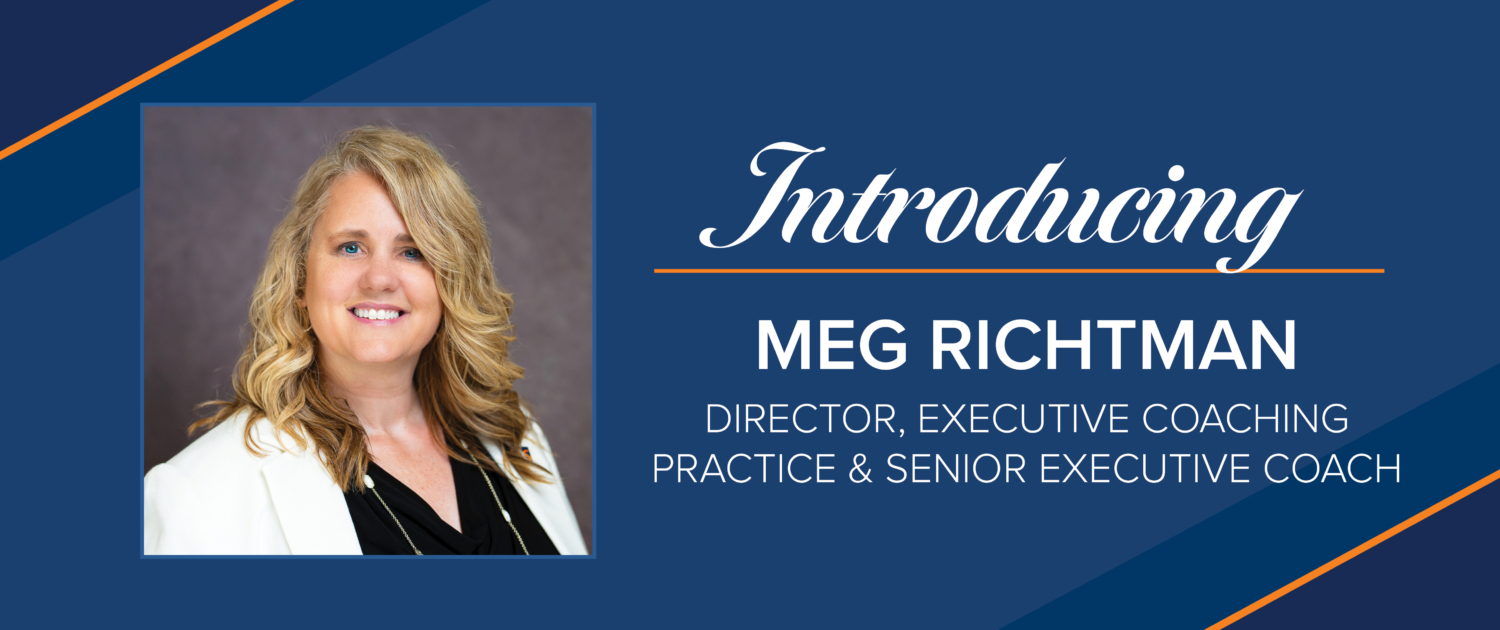 https://www.academicsearch.org/wp-content/uploads/2024/05/Meg-Richtman-Announcement-1200x500-1-scaled.jpg
1066
2560
Ashley Hunter
https://www.academicsearch.org/wp-content/uploads/2026/03/50th-Anniversary-Academic-Search-Horizontal-RGB-1030x314.jpg
Ashley Hunter2024-05-25 13:37:262026-09-24 15:31:22Strengthening Our Executive Coaching Practice with New Director
https://www.academicsearch.org/wp-content/uploads/2024/05/Meg-Richtman-Announcement-1200x500-1-scaled.jpg
1066
2560
Ashley Hunter
https://www.academicsearch.org/wp-content/uploads/2026/03/50th-Anniversary-Academic-Search-Horizontal-RGB-1030x314.jpg
Ashley Hunter2024-05-25 13:37:262026-09-24 15:31:22Strengthening Our Executive Coaching Practice with New Director https://www.academicsearch.org/wp-content/uploads/2024/04/Leaving-the-Presidency-with-Grace-1200x500-1-scaled.jpg
1066
2560
Ashley Hunter
https://www.academicsearch.org/wp-content/uploads/2026/03/50th-Anniversary-Academic-Search-Horizontal-RGB-1030x314.jpg
Ashley Hunter2024-04-01 12:33:482026-09-24 15:31:45Leaving the Presidency with Grace
https://www.academicsearch.org/wp-content/uploads/2024/04/Leaving-the-Presidency-with-Grace-1200x500-1-scaled.jpg
1066
2560
Ashley Hunter
https://www.academicsearch.org/wp-content/uploads/2026/03/50th-Anniversary-Academic-Search-Horizontal-RGB-1030x314.jpg
Ashley Hunter2024-04-01 12:33:482026-09-24 15:31:45Leaving the Presidency with Grace https://www.academicsearch.org/wp-content/uploads/2024/03/HERS-Executive-Coaching-Circles-2024-1200x500-1-scaled.jpg
1066
2560
Ashley Hunter
https://www.academicsearch.org/wp-content/uploads/2026/03/50th-Anniversary-Academic-Search-Horizontal-RGB-1030x314.jpg
Ashley Hunter2024-03-13 16:59:162026-09-24 15:32:46HERS Executive Coaching Circles: Empowering Women Leaders in Higher Education
https://www.academicsearch.org/wp-content/uploads/2024/03/HERS-Executive-Coaching-Circles-2024-1200x500-1-scaled.jpg
1066
2560
Ashley Hunter
https://www.academicsearch.org/wp-content/uploads/2026/03/50th-Anniversary-Academic-Search-Horizontal-RGB-1030x314.jpg
Ashley Hunter2024-03-13 16:59:162026-09-24 15:32:46HERS Executive Coaching Circles: Empowering Women Leaders in Higher Education https://www.academicsearch.org/wp-content/uploads/2024/02/CV-Tips-Flanagan-1200x500-1-scaled.jpg
1066
2560
Ashley Hunter
https://www.academicsearch.org/wp-content/uploads/2026/03/50th-Anniversary-Academic-Search-Horizontal-RGB-1030x314.jpg
Ashley Hunter2024-02-22 10:01:112026-09-24 15:34:15Crafting Effective Application Materials for Academic Leadership Roles
https://www.academicsearch.org/wp-content/uploads/2024/02/CV-Tips-Flanagan-1200x500-1-scaled.jpg
1066
2560
Ashley Hunter
https://www.academicsearch.org/wp-content/uploads/2026/03/50th-Anniversary-Academic-Search-Horizontal-RGB-1030x314.jpg
Ashley Hunter2024-02-22 10:01:112026-09-24 15:34:15Crafting Effective Application Materials for Academic Leadership Roles https://www.academicsearch.org/wp-content/uploads/2023/09/Hispanic-Heritage-Month-1200x500-1-scaled.jpg
1066
2560
Ashley Hunter
https://www.academicsearch.org/wp-content/uploads/2026/03/50th-Anniversary-Academic-Search-Horizontal-RGB-1030x314.jpg
Ashley Hunter2023-09-18 08:31:432026-09-24 15:35:46Celebrating Hispanic Heritage Month 2023
https://www.academicsearch.org/wp-content/uploads/2023/09/Hispanic-Heritage-Month-1200x500-1-scaled.jpg
1066
2560
Ashley Hunter
https://www.academicsearch.org/wp-content/uploads/2026/03/50th-Anniversary-Academic-Search-Horizontal-RGB-1030x314.jpg
Ashley Hunter2023-09-18 08:31:432026-09-24 15:35:46Celebrating Hispanic Heritage Month 2023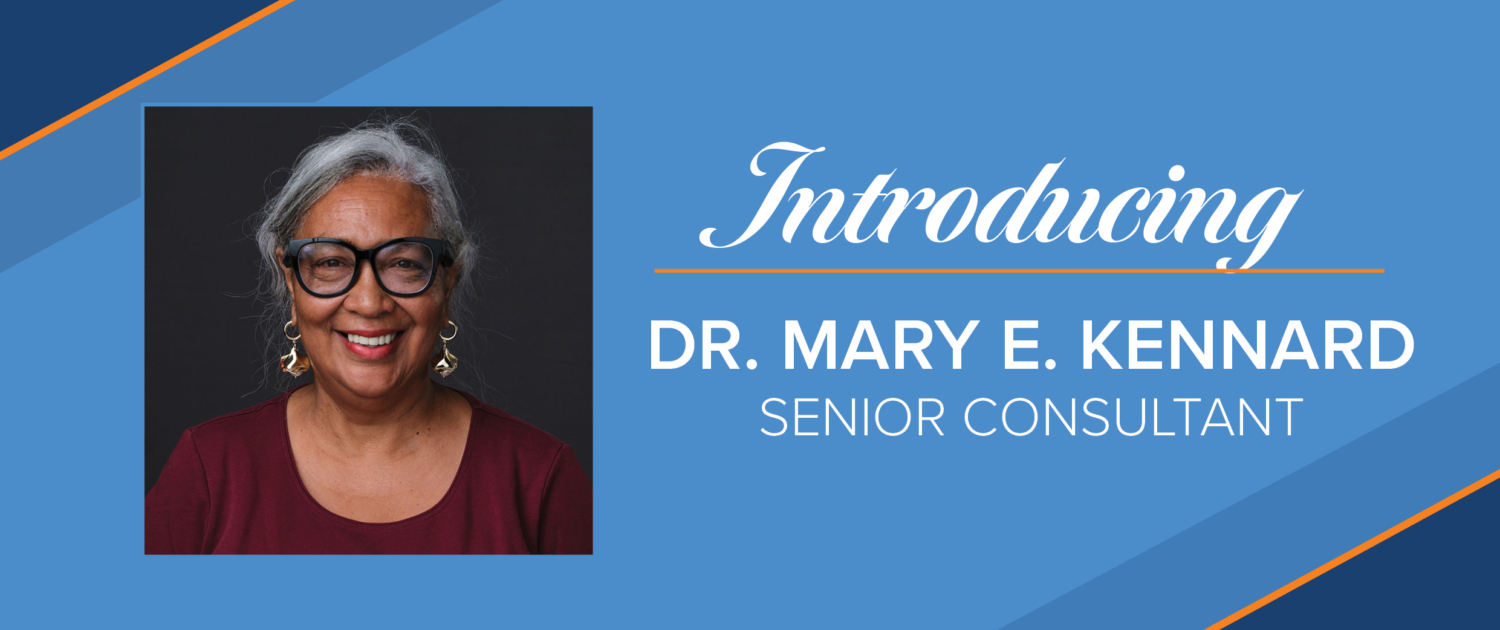 https://www.academicsearch.org/wp-content/uploads/2023/09/Mary-Kennard-Announcement-1200x500-1.jpg
1042
2500
Ashley Hunter
https://www.academicsearch.org/wp-content/uploads/2026/03/50th-Anniversary-Academic-Search-Horizontal-RGB-1030x314.jpg
Ashley Hunter2023-09-14 14:30:472026-09-24 15:36:00Introducing Our Newest Senior Consultant: Dr. Mary E. Kennard
https://www.academicsearch.org/wp-content/uploads/2023/09/Mary-Kennard-Announcement-1200x500-1.jpg
1042
2500
Ashley Hunter
https://www.academicsearch.org/wp-content/uploads/2026/03/50th-Anniversary-Academic-Search-Horizontal-RGB-1030x314.jpg
Ashley Hunter2023-09-14 14:30:472026-09-24 15:36:00Introducing Our Newest Senior Consultant: Dr. Mary E. Kennard https://www.academicsearch.org/wp-content/uploads/2023/08/10-Commandments-for-Boards-Welcoming-New-Leaders-1200x500-2.jpg
1042
2500
Ashley Hunter
https://www.academicsearch.org/wp-content/uploads/2026/03/50th-Anniversary-Academic-Search-Horizontal-RGB-1030x314.jpg
Ashley Hunter2023-08-23 11:51:112026-09-24 15:36:4210 Commandments for Boards and New Presidents
https://www.academicsearch.org/wp-content/uploads/2023/08/10-Commandments-for-Boards-Welcoming-New-Leaders-1200x500-2.jpg
1042
2500
Ashley Hunter
https://www.academicsearch.org/wp-content/uploads/2026/03/50th-Anniversary-Academic-Search-Horizontal-RGB-1030x314.jpg
Ashley Hunter2023-08-23 11:51:112026-09-24 15:36:4210 Commandments for Boards and New Presidents https://www.academicsearch.org/wp-content/uploads/2023/07/Bensimon-Associates-Response-1200x500-1.jpg
1042
2500
Ashley Hunter
https://www.academicsearch.org/wp-content/uploads/2026/03/50th-Anniversary-Academic-Search-Horizontal-RGB-1030x314.jpg
Ashley Hunter2023-07-25 14:46:152026-09-24 15:37:23Ensuring Equity in the Search Process
https://www.academicsearch.org/wp-content/uploads/2023/07/Bensimon-Associates-Response-1200x500-1.jpg
1042
2500
Ashley Hunter
https://www.academicsearch.org/wp-content/uploads/2026/03/50th-Anniversary-Academic-Search-Horizontal-RGB-1030x314.jpg
Ashley Hunter2023-07-25 14:46:152026-09-24 15:37:23Ensuring Equity in the Search Process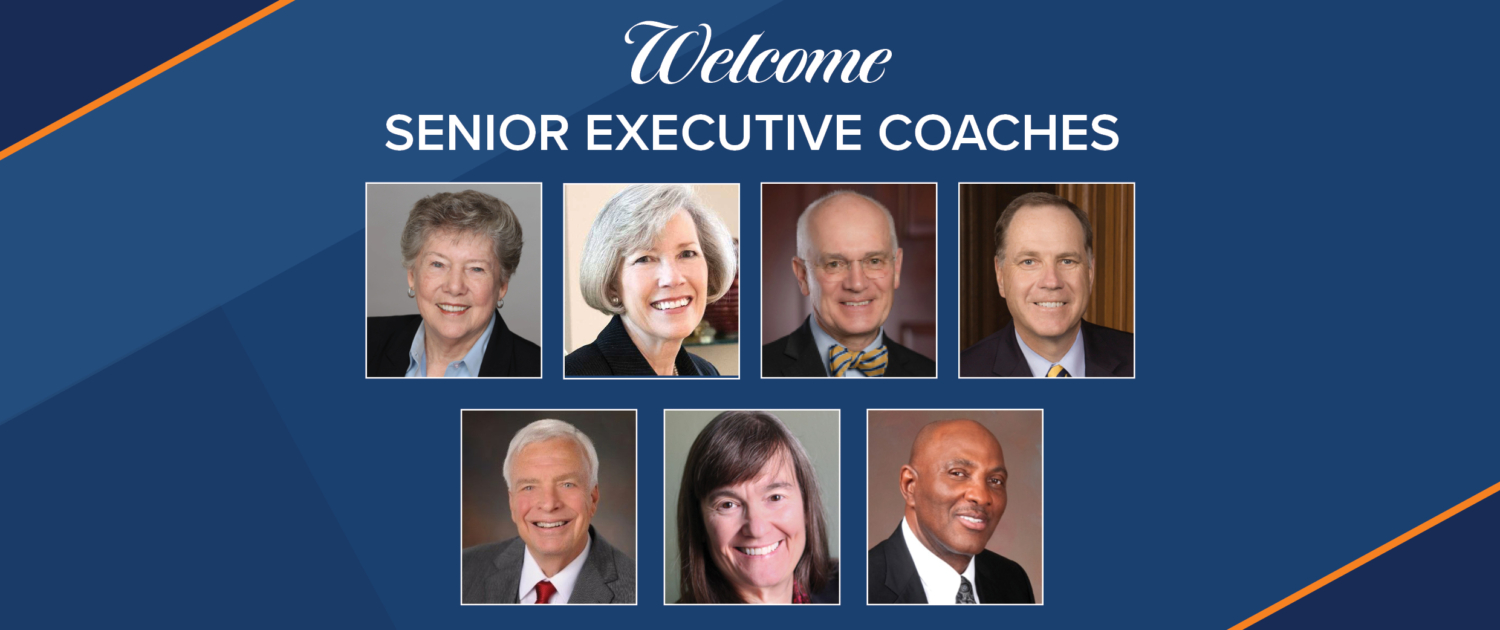 https://www.academicsearch.org/wp-content/uploads/2023/06/AS-Executive-Coaches-Announcement-1200x500-1.jpg
1042
2500
Ashley Hunter
https://www.academicsearch.org/wp-content/uploads/2026/03/50th-Anniversary-Academic-Search-Horizontal-RGB-1030x314.jpg
Ashley Hunter2023-06-27 09:55:062026-09-24 15:37:39Executive Coaching Practice Expands with 7 New Coaches
https://www.academicsearch.org/wp-content/uploads/2023/06/AS-Executive-Coaches-Announcement-1200x500-1.jpg
1042
2500
Ashley Hunter
https://www.academicsearch.org/wp-content/uploads/2026/03/50th-Anniversary-Academic-Search-Horizontal-RGB-1030x314.jpg
Ashley Hunter2023-06-27 09:55:062026-09-24 15:37:39Executive Coaching Practice Expands with 7 New Coaches