Leaders on Leadership featuring Dr. Brian Hemphill, President of Old Dominion University
Episode Transcript
Jay Lemons:
Hello, and thank you for listening. I’m Jay Lemons. Welcome to Leaders on Leadership, brought to you by Academic Search and the American Academic Leadership Institute.
The purpose of our podcast is to share the stories of the people and the forces that have shaped leaders in higher education and to learn more about their thoughts on leadership in the academy. It’s a special pleasure to have Dr. Brian Hemphill with us. Brian serves as the ninth president of Old Dominion University, a role he began in 2021. In close collaboration with campus partners and leaders in business and industry, he is expanding partnerships and creating new opportunities to advance ODU, the entire Hampton Roads region, and the Commonwealth of Virginia through entrepreneurial and innovative approaches.
Prior to serving ODU, Brian served out in the Southwest part of the state as the president at Radford University, where he helped lead historic growth in programmatic diversification and expansion, infrastructure improvements, and philanthropic giving.
Brian is a published scholar and author. His work addresses campus safety and threat preparedness, financial challenges in higher education, and STEM and economic related issues. He co-edited College in the Crosshairs: An Administrative Perspective on the Prevention of Gun Violence. Brian earned his PhD in Higher Ed Administration and Policy Studies from the University of Iowa. His master’s degree in Journalism and Mass Communications at Iowa State University, and his bachelor’s in Organizational Communication is from St. Augustine’s University. He and his wife, Dr. Marisela Rosas Hemphill, ODU’s first lady, remain deeply engaged with the entire Monarch community. Brian, welcome. It is great to have you with us.
Brian Hemphill:
Thank you, Jay. Happy to be with you today.
Jay Lemons:
Brian, I am thinking about the last time I had the pleasure of watching you as a keynote speaker, and the energy that you brought was not only palpable, it was infectious. And I knew then I wanted you to be one of our guests. That was at an AASCU national meeting a while back, and you were the President-to- Presidents speaker. And that is a signal honor in its own right. And I’m grateful for your willingness to help us invest in the next generation of leaders via AALI’s programs, via the work and the use that you’ve made of Academic Search as well.
We appreciate your trust and confidence. So I want to step back though and give people some insights into that extraordinary human being that all of us saw on that stage and talk about your own pathway to leadership. Tell us your own story, going back as far as you’d like.
Talk about the people, the events and the opportunities that really helped to forge you as a leader and help to reveal your path.
Brian Hemphill:
Well, first of all, Jay, once again, thank you for the opportunity to be with you today. This is always an honor to be able to sit with you and share some insights, and hopefully I’m able to provide something that will help that next generation of leaders. And I think what you’re speaking of, we were together in Puerto Rico, which was a pretty great location for a national conversation and meeting. I will tell you, Jay, when I think about my journey, it’s been one that I’ve been very, very blessed and very fortunate to have a number of phenomenal leaders along the way guide me, mentor me with a lot of tough love. I will tell you that. But it served me well in a number of those conversations because I go back and I think on a couple of those points, and one, it takes me to the University of Arkansas as an Associate Vice Chancellor and Dean of Students working for Johnetta Cross Brazzell.
And I can remember one of those turning points in my career and my thinking in that I witnessed something where I thought she should have been chairing this institution-wide group that was going to, in essence, revamp Greek life. And I went in frustrated that the president had selected the vice president for advancement, and I was frustrated by it. And Johnetta looked at me and she said to me in that very moment, “This is not about me. This is about what’s in the best interest of our students, and we have to lean in and support this process.”
Her key word, “It’s not about me.” And that has stuck with me throughout my entire career. As decisions are made, you don’t have all of the information of why they’re made sometimes, but you have to trust the process and realize we’re here for students. I fast-forward and I moved beyond that and I went on to Northern Illinois University as the vice president.
And I was 34 years old, full of energy, full of ideas, and just ready to take it on. And I noticed that my president at that time, literally, I’d spent a year, I didn’t report to him. I reported to the provost. And he just really never engaged me directly. He would always ask somebody to see what Brian thinks about this. And that was fine.
But after he started engaging me, and it was actually probably a year and a half of being there, I asked him, “Why hadn’t you reached out to me directly to ask me any of these?” And he said, “I needed to see how you were going to navigate the change going on within the institution. And could you slow down enough to understand the culture, the place and the people?” And he said, “Because I saw a really bright, young professional that was a vice president that really was moving so quickly, they didn’t take time to read everything that was going on.” So I was observing you.
And he looked at me and he said, “You have to have patience enough to throw a rock in the lake at midnight and watch the ripples come back over the next two, three, four days.” That was my lesson of patience. Patience in leadership, patience of the decisions that we need to make and the work that we need to do. And that has stuck with me. And there are times we still, with the environment we are today, we have to move quickly to adjust to the market, but we also have to make sure that we’re being thoughtful in the work that we do.
And I guess the last thing that I will mention that was really defining for my journey, Jay, is being there once again with John Peters. And I saw him in a moments of notice when you have a lone gunman come on campus and within three minutes you have 19 that are shot and five that are dead.
How he led through that type of tragedy taught me a lot about how you have to lead in the midst of adversity. And I have two pictures that are across from my desk. One of John Peters, as we were throwing out the first pitch at the White Sox game, and the other was Senator at that time, Senator Barack Obama, we were sitting on a stage together. All of this was surrounding that tragedy. And they’re my constant reminder that regardless of what we’re dealing with in higher education, whether it’s a legal issue, whether it’s an enrollment challenge, whether it’s a budget challenge, we will get beyond that. Because if we can get beyond that tragedy and that pain that that campus and our community experienced, there’s nothing that we can’t challenge and take on and move beyond it as a community. So those three things, those are defining things for me, Jay, when I think about my journey in higher education.
Jay Lemons:
Thank you for all of those. And I want to just take a moment and pause, mindful that your own campus was touched by gun violence this spring. And I hope you and your community are coming through that. And I hate that you have had to develop this expertise, but no doubt you were the right person to be in the middle of the circumstance that unfolded on your own campus this spring, Brian.
Brian Hemphill:
Yeah. No, thank you, Jay. It’s a tragic situation. And I think the only second time in US history is what some shared with me of a terrorist attack on a college campus. It’s one that we lost one of our greats in Lieutenant Colonel Shaw. And this is a family that came together and we will continue to stay together to not only support the Shaw family, but to support one another as we continue to heal. And this will take some time.
Jay Lemons:
Absolutely. And ever onward. I also just want to focus in patience. And it’s not always about us and always about me. Boy, those are great lessons. Step back though. Where the heck did you come from? And how did you choose St. Augustine as your undergraduate institution?
Brian Hemphill:
I grew up in Eastern North Carolina, a farming community, and just really had the opportunity to be admitted to St. Augustine’s. I liked the institution. It wasn’t too far away from home. You could get home to get moms cooking and to wash your clothes. And so it was always nice to have that proximity and just had a great education there and had the opportunity to go on to Iowa State and meet some amazing people and onto the University of Iowa, which I didn’t realize you’re not supposed to go to Iowa State and University of Iowa, but I did it. But had a fantastic time and just launched a career in higher education, like many, I backed into this profession by finding my passion on being on college campuses and working directly with students and engaging with the work of academia, and never left.
Jay Lemons:
Well, we share common roots in this regard. Went off to college and never left, and aren’t we lucky and blessed? But equally, Brian, and I call out our guests in celebration as somebody who started in the student affairs wing, if you will, of higher education. You are someone who found a way into a presidential role from student affairs. And I think that’s something else. It’s not the road most traveled.
Brian Hemphill:
But a part of that, once again, Jay though, having good mentors. And so I’ve always written, I’ve always taught. And in publishing and teaching, not full-time, but I was very intentional about that. And so when I arrived at Northern as a brand new vice president at 34 years old, I requested a tenure track position as a part of my contract, and I wanted to earn it just like everyone else. And so I went on my journey of stepping up my publishing, being very serious about the work that I did within the classroom and service.
And I had to chair committees just like all of the other faculty members in that department. And so I earned tenure. And I will tell you between that work of traveling the path and earning tenure while picking up experiences and leading enrollment operations along with my student affairs background, that was the nexus.
And I had a president that allowed me to raise money as a vice president. And so there were a number of things that came together of people investing in my career and really opening up a number of doors for me. And so it turned out pretty well.
Jay Lemons:
It turned out pretty well. Brian, I’d love to have you define what makes a good leader. And by good, I don’t mean something different from grade. I don’t mean grade B. I mean filled with virtue, effective, that ability to move people and an organization forward.
Brian Hemphill:
I think there are a number of things when I think about a good leader in the environment we find ourselves in today. I think you have to be mission-focused. You have to know fundamentally what is the mission of that institution, but what is it that also your board has asked you to come in and achieve at that level of the organization, depending on if you’re coming in as a president and CEO. So I think you have to look at how you align with the mission and how you deliver on that promise, whether you’re a public or a private institution.
I think a good leader is selfless. I think they have to be selfless in our acts and our work and making sure that we’re putting the organization and the people ahead of ourselves and what our own personal needs are. I think that has to be a part of who you are as a leader to be effective in the environments that we’re in today.
I think a third thing, and I’ll be really candid with you, and this might be controversial, I think we need leaders with courage. I think that we have found ourselves in a place that we have allowed institutions all across the country to be in really challenging environments from an enrollment standpoint, from a budget standpoint. And it’s because we’ve refused to make tough decisions. And why we refuse to make those tough decisions? Because we are afraid of something called the vote. And we can’t be afraid of that. Our students are dependent on us. The workforce around us and the communities are dependent on us to deliver. And so we need more leaders with courage to lead and do what’s in the best interest of the institution, not do what’s convenient in that moment, not pander to the loud voices, if you will.
I think that’s really important as leaders as we think about this.
And then the last thing I would just mention is that I think really good leaders create environments and teams where people have the ability to take calculated risk with the possibility of an occasional failure, but knowing there’s greater likelihood of success. If you don’t give people the freedom to fail, you’re going to hold a status quo operation in the organization. And so how do you create that environment where people can think outside those lines and really advance your organization? So those are three or four things that come to mind to me when I think about a really good leader.
Jay Lemons:
Thank you so much. I want to reflect on the courage just a moment. Javier Cevallos is the President of AALI and Javier’s urged me to continue what Linda Bleicken urged me to speak about as a part of our programs through AALI. And that is, you got to know whether you want to be a college or university president or do the work of a college or university president. There’s not a person on the planet that doesn’t want to stand on a stage at graduation and confer the rights, privileges at pretending thereon too [inaudible 00:15:45] shake those hands. Those are the greatest days in the world, the easiest days in the world to be a president.
It’s those times where you have to muster courage and you have to be wise about the battles you pick too. But it’s that courage that I think separates being and doing in some ways. So that’s really important. I appreciate you raising that up. When you’re creating your own team, what do you look for in those leaders?
Brian Hemphill:
Yeah. For me, there are a number of things. One, I will tell you that I look for truth tellers. What do I mean by that? Truth tellers. You can find people every single day, you can find as many of them as you want that will tell you exactly what you want to hear.
Those people, I say it to our cabinet at the retreat every single year as a reminder. If you’re not a truth teller, you can’t help me or this organization. We need people that’s going to put it on the table, whether we want to hear it or not, whether we like it or not. It’s okay to be the contrarian in some of those types of situations and making sure that we all are sharing the opportunities and the challenges we see with decisions that we’re about to make. And so to me, I look for truth tellers.
We all look for people who are smart, who understand their craft, who understand their area of expertise. In smaller institutions you wear many hats. In some of the larger institutions, you’re specialized. Whatever your sphere may be, are you smart? Do you know the business? Are you a student of that particular area? It’s something that I always look for. I will tell you that the quickest way to find yourself not on my team in an interview, if you come in and it’s all about I, and we don’t hear the we.
When I get to the point when I have to say that it’s not about you, it’s about ODU, it’s not about you, it’s about RU. When I have to say that, we’re not in a great place. I like people that will focus on the collective team and the best for the organization. That’s something that’s paramount for me.
And I guess the last thing I would say that I look for in people… You always look for character, people that will do it the right way. But the last I will mention, I want people that are hungry. I want people with a fire in their belly and they wake up and they’re passionate about this work and they want to make a difference. Because I’d much rather have to hold somebody back than try to nudge them to push them to get them to do the work that needs to be done. And so I like people that have a fire in their belly, that are hungry, that will challenge the status quo of the work that we do.
Jay Lemons:
Thank you for every bit of that. I’m going to ask you a question about aspiring leaders in a second, but you already in some ways spoke to it. That risk of too many eyes in any interview setting, I have watched it play out dozens and dozens of times where people are wanting to demonstrate their capabilities, but they cloak it all in the I. It is a fatal flaw. It strikes me that that’s a bit of that tough love that you’re sharing with another generation and that’s important and valuable. Pulling back from that, what’s your advice for those who are new leaders or really aspire to leadership?
Brian Hemphill:
The advice as it relates to that particular response that they will have in future interviews and future conversations, realize that you did not get to that point of sitting at that board table and sitting in front of that search committee or the board of trustees that you may be in, you didn’t get there by yourself. And so you may have had a vision as it relates to it, but it was a team of people that worked to deliver and execute on that.
And so how do you pay homage to those individuals in the way that you articulate what the team was able to help deliver and the role that you played within that? It’s just being very thoughtful and mindful of the importance of providing the credit. I’ve worked with a simple philosophy, Jay, that has served me very, very well with my board, with my president that I worked for when I was a vice president 14, 15 years ago or so now.
I always took all of the blame when something went bad. And I always gave all of the credit when something went extremely well. And that has served me very, very well throughout my career. And so when my board sits and thanks me for the medical school merger, I have the cabinet stand up behind me and say, “Give them the applause. They delivered that.” If you work with that particular mindset, it will serve you very well. You don’t need the praise. You will get your just due. People ask me, what do I want as it relates to what do I want people to say about me from a legacy standpoint? And I said, “I don’t go to bed and I don’t wake up thinking about legacy.” I leave that to the people with the ink. I leave that to the faculty, the staff, the students. That’s not something I’m concerned with.
When it’s all about I, you’re concerned about your legacy. I could care less about that. How is it about we and the work that we’re going to do collectively?
Jay Lemons:
Thank you. Let’s step back, think about the complicated landscape that you are living and operating in now and colleagues all across the country. What are the biggest challenges?
Brian Hemphill:
There are a number of things that are headwinds that we’re seeing out there. One is, of course, this demographic cliff is very real. Everyone’s feeling it and seeing it. Federal funding, when we consider just the challenges that we’re facing on the federal level with Grad Plus being gone, Parent Plus and the reductions there, Pell grants, research funding, a number of different challenges that we see that are creating a turmoil on our campus and access and opportunities for students.
When we look at state funding, it’s another federal impact, but the cuts to Medicaid. When you look at the Commonwealth of Virginia, we have a number of the tune of, I’ve heard from 26 to 29 billion that’s going to hit in 2028. Well, where do you think that’s going to come? And that is going to flow directly to your public institutions because they really can’t cut K-12.
They aren’t going to cut prisons. And so when there are reductions that need to be made because there’s a big number that any state has to deal with, it’s going to come back to higher education as one of those agencies that can be cut.
And so I think that that is something that the funding model and some of the things that we have to think about because there are significant challenges that are out there. I think our business model is another big challenge. We’ve been so tuition-dependent and some have almost discounted themselves out of business. And so how do we think about a new business model that continues to not raise the price of tuition at levels that frankly, people just can’t afford?
Which is what’s driving this value proposition that we continue to deal with. I think shared governance is another headwind. And when you find yourselves in the environment where you’re having to make tough decisions, what’s the real definition when you think about shared governance and the relationship and the interplay between those two?
And so I think that those are a number of challenges that we’re facing. And the way that we lead in the midst of this are really going to define institutions that are going to prosper and do well, and institutions that you’re going to continue to see close and merge.
And I think you’re going to see a lot more than that. You look no further than the Moody’s and Fitch ratings that have come out as it relates to higher education, another year of downgrade. And we’ve not shown evidence that we will lead through this. And you see pockets of it across the country where there’s innovative work going on to make a difference, but clearly a lot of challenges out there facing our institutions.
Jay Lemons:
You are right about that. And yet these gritty little institutions and big institutions have found ways of persisting across some challenging times. May this generation of leaders find the right pathways, it’s people leading with courage like you to try and do things differently.
Brian Hemphill:
Yeah. Yeah. And you have to in the environment that we’re in today, because if you don’t, you’re going to move on or retire, and you’re going to leave it for the next person to have to deal with. And typically you find yourself in a situation where they will lose confidence.
I had a call with Michael Crow, and one of the things that he shared with me that I’m happy to publicly share with this group, is receiving a vote of confidence, that’s not something that you should be proud of. But when you look across the country, you see it happening for some because of inaction and the place that the university is in.
But then you see a group of action that’s positioning for the future. And he said, “That’s definitely the group that you want to be in, not that you set and you watch the institution fall down around you. How do you position your institution for the future?” Which is important.
Jay Lemons:
As you’re speaking, it reminds me that, and just a real dear personal friend, Chuck Ambrose, longtime college president, has just published a book called No Confidence, looking at this very phenomenon. And I love the Michael Crow depiction of, you’re going to be criticized for doing stuff or not doing stuff.
Brian Hemphill:
You’re right. You’re right. Very true.
Jay Lemons:
I’m going to move us into a little more of a lightning round. And all that means is shorter questions. You can answer with as much length as you want. Who’s had the greatest influence on you?
Brian Hemphill:
I’d have to say my mother and my father. Both have passed on now. My father was born 1917. My mom was born 1926. I was born to a different generation of parents, both very hardworking blue collar people. And I was the youngest of 13. And being the youngest of that number and the first to be able to go off to college in terms of my siblings was something I’m very, very proud of, that they afforded me that opportunity.
Something that I will forever be indebted. They both have passed on now. And my father lived to see me, I was 34 when he passed. I had just been named vice president. And so just great people who had a lot of influence in terms of the hard work and the things that they wanted for me in terms of life.
Jay Lemons:
This is a more personal question than you may be prepared for, but number 13, what’s the boy-girl mix in the family?
Brian Hemphill:
When we look at our boy-girl mix, I guess I should share this component of this. My father had five sons before he met my mom. My mom had seven children. I was the only one of that union.
Jay Lemons:
Wow.
Brian Hemphill:
Yes. And so when you think about a truly big family, but my father’s sons, because he was much older, they were all adults at that particular point. And so I had five brothers in terms of my dad. And then I had four brothers in terms of with myself and plus my sisters. So it was four and four.
Jay Lemons:
So I was guessing you had, by number 13, you probably had some sisters that were important influences in your life too.
Brian Hemphill:
Oh, yeah.
Jay Lemons:
Second mothers, if you will.
Brian Hemphill:
Definitely the case. Definitely the case. I had plenty of moms to go around.
Jay Lemons:
Well, no one can have too many mothers in my book.
Brian Hemphill:
Yeah. Yes, indeed.
Jay Lemons:
Is there a book that’s had the greatest influence on you?
Brian Hemphill:
I will always go back to College (Un)Bound, Jeff Selingo. That particular book was one of those out there that really just talked about the underbelly of the academy and things we don’t want to talk about. And it was one of those truth-telling type of books that I truly love. I wish he’d write another one in that same space. He’s done a lot of different work. And so just a lot of respect for him.
And I actually brought him in to speak to my board, which was risky because it’s really sharing the things that we don’t talk about a lot. And so I love that book, if you haven’t read it, College (Un)Bound, Jeff Selingo.
Jay Lemons:
It’s a terrific book. Jeff’s an old friend of mine. And I have to say I was privileged to read an advanced Unbound manuscript of that and offer him thoughts.
Brian Hemphill:
There you go.
Jay Lemons:
It’s an outstanding contribution, and important. That is consistent with your notion of you want truth tellers around you.
Brian Hemphill:
Yes, that’s very real.
Jay Lemons:
Jeff is a truth teller.
Brian Hemphill:
He is.
Jay Lemons:
Yeah. Yeah. No, that’s great. Do you have a fondest memory of your own undergraduate years?
Brian Hemphill:
I would say probably joining my fraternity, Alpha Phi Alpha Fraternity Incorporated. I didn’t know what I wanted to do when I went to college because I grew up in a very farming community. So I didn’t have people around me that wanted to be lawyers or doctors or leaders of universities. And so joining that fraternity, probably fondest memory because it opened my eyes to a group of young African-American men that aspire to do great things in the nation and in the world. And so it challenged me to think about what’s next. And so that was a huge benefit, fond memory for me.
Jay Lemons:
Love it. Really an important way that fraternal life, especially in the African-American community, has lifted the aspirations of so many. If you hadn’t worked in higher ed, is there another path that you have pondered you should have taken?
Brian Hemphill:
Not pondered I should have taken, but something I would have likely done. I don’t know. You may know this about me, Jay. I absolutely love college athletics and I love sports generally.
I probably would have been a coach probably on the high school level because I just really enjoyed the sport. I enjoy the work. And it’s fun right now seeing my son at 13 playing tackle football during the fall. And then the spring he’s playing flag football and seven on seven. And he loves to talk about it. So I probably would’ve traveled that path if I wasn’t in higher education and probably been a coach on the high school level would be my guess. Something totally different, totally different.
Jay Lemons:
Totally different and maybe not so very far a trip. I thought maybe you were going to talk about having a hunting or fishing show on television or something. I thought that’s where you might go.
Brian Hemphill:
I love hunting. Certainly, I grew up in the country, so what can I say? So that is a part of my passion, but probably wouldn’t have been a career.
Jay Lemons:
Well, it kind of takes me back to, can’t imagine going home and telling your folks you were majoring in organizational communication. What did they say?
Brian Hemphill:
Well, mind you, they were happy I was going to college. So they were just thrilled. And their comment to me, my mom, I’ll never forget what mom would say. She said, “Baby, just do the best you can.” Never pressured me whatsoever. “Just do the best you can. Put in all of the effort every day.” That was it.
Jay Lemons:
I love it. Well, one of the traditions that we hold here, Brian, is I’m grateful for your leadership in American higher education across multiple institutions. But at this moment in your life and in your time, you are called to serve Old Dominion University, a place that has long been a leader in being entrepreneurial and innovative.
And I think about the work I did back in the ’90s where Jim Cook was imagining learning taking place unbound from classrooms in ways that we couldn’t conceive of hardly. So you represent a place that has been a real leader in terms of change and innovation. I’d love for you to talk a little bit about what makes the organizational DNA, what makes ODU the place that has hold of your head, your heart, and your talents at this time?
Brian Hemphill:
It’s a deep, deep history of this institution of being innovative. When you speak about President Cook, you think about at that point in time in the late ’80s and ’90s, beaming our content out to ships, the first in the country to do that for our sailors to be able to continue and study and learn was something that was just ahead of our time in that regard.
We’ve always been that. And so when I think about the DNA of our institution, I think about us as a pragmatic innovator that really is a forward-focused university. We’re very much committed to that and how the decisions that we’re making every single day, how do we position ourselves to make sure that we’re meeting students where they are and helping them achieve their dreams? I would describe as a part of our DNA, a real-world institution with grit.
And what does that mean for us? There are not a lot of silver spoons here. These are young men and young women that are coming here with aspirations of doing great things, and they learn how to roll up their sleeves and get a world-class education, but they’re doers. And that’s something that we certainly are proud of because of our deep commitment to social mobility.
Social mobility has historically been a part of what we do and how we approach working with our students and positioning them for life. And when I think about social mobility, when I think about real-world grit, when I think about being a forward-focused institution with innovation at its core, it all drives to that basic component of how we’re serving students. And now we’re thinking about it even differently because as so much is changing around us with our traditional age population, the adult students that are growing in massive numbers, we’re now leaning in to how we’re doing that with our accelerated asynchronous offerings online.
And we’ve seen some pretty significant growth. And pay attention to what’s going on here because you’re going to see even more growth. Our numbers look fantastic right now as we’ve made that pivot to accelerated asynchronous because we’re meeting the adult population where they are. I mean, we should be really concerned when we can say there are 43 plus million people with some college credit and no degree. How are we helping them?
How are we positioning them to get them back in the fold and finish those degrees wherever they might want to attend? That’s a part of our DNA. We’re gritty, we’re innovative, and we continue to focus on the most important aspect. We are building and redefining an institution around the students, not around necessarily the areas that we’ve historically focused on. We’re focusing an academy around, and intelligent university around the students.
Jay Lemons:
Beautiful. Love it. I want to just say thank you again, Brian, for joining us on Leaders on Leadership. We’re so grateful to you and appreciate your taking time today to share insights and wisdom. I welcome any parting words from you for our listeners.
Brian Hemphill:
I would part by saying that I think it’s important for you to answer the question of why. Why do you want to do this? Because at some point in time, the honeymoon will be over in terms of any administrative leadership position of any sort.
At some point in time, you’re going to be challenged in terms of your leadership. In those times, you have to remember the why you got into it. It’s not about just being able to confer degrees on a stage. You got into this work to make a difference. And if you got into this work to make a difference and impact the lives of students, you got to be able to understand you’re going to have those moments of challenge.
But if you’re really firm on why you got into it, you will navigate that. Lead with courage and stay focused on your why.
Jay Lemons:
Fabulous. Listeners, we welcome your suggestions and thoughts for leaders we should feature in upcoming segments. You can send those suggestions to leadershippodcast@academicsearch.org. You can find our podcast wherever you find your podcast. It’s also available on the Academic Search website. Leaders on Leadership is brought to you by Academic Search and the American Academic Leadership Institute. Together, our mission is to support colleges and universities during times of transition and through leadership development activities that serve current and future generations of leaders in the academy. Brian, again, thank you.
Brian Hemphill:
Thank you, Jay.
Jay Lemons:
It’s a great pleasure to always be with you. Thanks for joining us on the show today.
Listen to More Episodes
Enjoy our content? Join our mailing list.
Share this podcast
Discover More Leading Insights
 https://www.academicsearch.org/wp-content/uploads/2026/09/Leadership-Pipeline-1200x500_02-scaled.jpg
1066
2560
Jay Lemons
https://www.academicsearch.org/wp-content/uploads/2026/03/50th-Anniversary-Academic-Search-Horizontal-RGB-1030x314.jpg
Jay Lemons2026-09-15 20:15:112026-10-01 15:42:50Higher Education’s Leadership Pipeline is Stronger Than the Headlines Suggest
https://www.academicsearch.org/wp-content/uploads/2026/09/Leadership-Pipeline-1200x500_02-scaled.jpg
1066
2560
Jay Lemons
https://www.academicsearch.org/wp-content/uploads/2026/03/50th-Anniversary-Academic-Search-Horizontal-RGB-1030x314.jpg
Jay Lemons2026-09-15 20:15:112026-10-01 15:42:50Higher Education’s Leadership Pipeline is Stronger Than the Headlines Suggest https://www.academicsearch.org/wp-content/uploads/2025/05/A-Guide-to-Leadership-Renewal-Graphics-1200x500-3-scaled.jpg
1066
2560
Academic Search
https://www.academicsearch.org/wp-content/uploads/2026/03/50th-Anniversary-Academic-Search-Horizontal-RGB-1030x314.jpg
Academic Search2025-05-27 12:23:542026-10-01 14:18:51Leadership Renewal Starts with Intention
https://www.academicsearch.org/wp-content/uploads/2025/05/A-Guide-to-Leadership-Renewal-Graphics-1200x500-3-scaled.jpg
1066
2560
Academic Search
https://www.academicsearch.org/wp-content/uploads/2026/03/50th-Anniversary-Academic-Search-Horizontal-RGB-1030x314.jpg
Academic Search2025-05-27 12:23:542026-10-01 14:18:51Leadership Renewal Starts with Intention https://www.academicsearch.org/wp-content/uploads/2025/03/A-Guide-to-Cabinet-Retreats-Web-Header-1200x500-1-scaled.jpg
1066
2560
Academic Search
https://www.academicsearch.org/wp-content/uploads/2026/03/50th-Anniversary-Academic-Search-Horizontal-RGB-1030x314.jpg
Academic Search2025-03-14 13:23:212026-10-05 12:07:02A Guide to Effective & Strategic Cabinet Retreats
https://www.academicsearch.org/wp-content/uploads/2025/03/A-Guide-to-Cabinet-Retreats-Web-Header-1200x500-1-scaled.jpg
1066
2560
Academic Search
https://www.academicsearch.org/wp-content/uploads/2026/03/50th-Anniversary-Academic-Search-Horizontal-RGB-1030x314.jpg
Academic Search2025-03-14 13:23:212026-10-05 12:07:02A Guide to Effective & Strategic Cabinet Retreats https://www.academicsearch.org/wp-content/uploads/2024/08/Competencies-for-the-College-Presidency-Graphic-1200x500-1-scaled.jpg
1066
2560
Academic Search
https://www.academicsearch.org/wp-content/uploads/2026/03/50th-Anniversary-Academic-Search-Horizontal-RGB-1030x314.jpg
Academic Search2024-09-15 08:00:052026-10-01 14:19:23Competencies for the College Presidency
https://www.academicsearch.org/wp-content/uploads/2024/08/Competencies-for-the-College-Presidency-Graphic-1200x500-1-scaled.jpg
1066
2560
Academic Search
https://www.academicsearch.org/wp-content/uploads/2026/03/50th-Anniversary-Academic-Search-Horizontal-RGB-1030x314.jpg
Academic Search2024-09-15 08:00:052026-10-01 14:19:23Competencies for the College Presidency https://www.academicsearch.org/wp-content/uploads/2024/08/Rodney-Clark-Deloitte-Study-Response-1200x500-1-scaled.jpg
1066
2560
Rodney Clark
https://www.academicsearch.org/wp-content/uploads/2026/03/50th-Anniversary-Academic-Search-Horizontal-RGB-1030x314.jpg
Rodney Clark2024-08-22 08:53:442026-10-01 15:41:11Building Resilient Leadership: Lessons from Deloitte’s Higher Education Trends
https://www.academicsearch.org/wp-content/uploads/2024/08/Rodney-Clark-Deloitte-Study-Response-1200x500-1-scaled.jpg
1066
2560
Rodney Clark
https://www.academicsearch.org/wp-content/uploads/2026/03/50th-Anniversary-Academic-Search-Horizontal-RGB-1030x314.jpg
Rodney Clark2024-08-22 08:53:442026-10-01 15:41:11Building Resilient Leadership: Lessons from Deloitte’s Higher Education Trends https://www.academicsearch.org/wp-content/uploads/2024/06/SC-Announcement-June-2024-1200x500-1-scaled.jpg
1066
2560
Academic Search
https://www.academicsearch.org/wp-content/uploads/2026/03/50th-Anniversary-Academic-Search-Horizontal-RGB-1030x314.jpg
Academic Search2024-06-11 15:43:142026-10-01 14:19:27Academic Search Welcomes Mike Maxey and Timothy Mottet as Senior Consultants
https://www.academicsearch.org/wp-content/uploads/2024/06/SC-Announcement-June-2024-1200x500-1-scaled.jpg
1066
2560
Academic Search
https://www.academicsearch.org/wp-content/uploads/2026/03/50th-Anniversary-Academic-Search-Horizontal-RGB-1030x314.jpg
Academic Search2024-06-11 15:43:142026-10-01 14:19:27Academic Search Welcomes Mike Maxey and Timothy Mottet as Senior Consultants https://www.academicsearch.org/wp-content/uploads/2024/05/Meg-Richtman-Announcement-1200x500-1-scaled.jpg
1066
2560
Academic Search
https://www.academicsearch.org/wp-content/uploads/2026/03/50th-Anniversary-Academic-Search-Horizontal-RGB-1030x314.jpg
Academic Search2024-05-25 13:37:262026-10-05 12:36:48Strengthening Our Executive Coaching Practice with New Director
https://www.academicsearch.org/wp-content/uploads/2024/05/Meg-Richtman-Announcement-1200x500-1-scaled.jpg
1066
2560
Academic Search
https://www.academicsearch.org/wp-content/uploads/2026/03/50th-Anniversary-Academic-Search-Horizontal-RGB-1030x314.jpg
Academic Search2024-05-25 13:37:262026-10-05 12:36:48Strengthening Our Executive Coaching Practice with New Director https://www.academicsearch.org/wp-content/uploads/2024/04/Leaving-the-Presidency-with-Grace-1200x500-1-scaled.jpg
1066
2560
Tara Singer
https://www.academicsearch.org/wp-content/uploads/2026/03/50th-Anniversary-Academic-Search-Horizontal-RGB-1030x314.jpg
Tara Singer2024-04-01 12:33:482026-10-01 15:42:34Leaving the Presidency with Grace
https://www.academicsearch.org/wp-content/uploads/2024/04/Leaving-the-Presidency-with-Grace-1200x500-1-scaled.jpg
1066
2560
Tara Singer
https://www.academicsearch.org/wp-content/uploads/2026/03/50th-Anniversary-Academic-Search-Horizontal-RGB-1030x314.jpg
Tara Singer2024-04-01 12:33:482026-10-01 15:42:34Leaving the Presidency with Grace https://www.academicsearch.org/wp-content/uploads/2024/03/HERS-Executive-Coaching-Circles-2024-1200x500-1-scaled.jpg
1066
2560
Academic Search
https://www.academicsearch.org/wp-content/uploads/2026/03/50th-Anniversary-Academic-Search-Horizontal-RGB-1030x314.jpg
Academic Search2024-03-13 16:59:162026-10-05 12:24:12HERS Executive Coaching Circles: Empowering Women Leaders in Higher Education
https://www.academicsearch.org/wp-content/uploads/2024/03/HERS-Executive-Coaching-Circles-2024-1200x500-1-scaled.jpg
1066
2560
Academic Search
https://www.academicsearch.org/wp-content/uploads/2026/03/50th-Anniversary-Academic-Search-Horizontal-RGB-1030x314.jpg
Academic Search2024-03-13 16:59:162026-10-05 12:24:12HERS Executive Coaching Circles: Empowering Women Leaders in Higher Education https://www.academicsearch.org/wp-content/uploads/2024/02/CV-Tips-Flanagan-1200x500-1-scaled.jpg
1066
2560
Scott Flanagan
https://www.academicsearch.org/wp-content/uploads/2026/03/50th-Anniversary-Academic-Search-Horizontal-RGB-1030x314.jpg
Scott Flanagan2024-02-22 10:01:112026-10-01 14:59:08Crafting Effective Application Materials for Academic Leadership Roles
https://www.academicsearch.org/wp-content/uploads/2024/02/CV-Tips-Flanagan-1200x500-1-scaled.jpg
1066
2560
Scott Flanagan
https://www.academicsearch.org/wp-content/uploads/2026/03/50th-Anniversary-Academic-Search-Horizontal-RGB-1030x314.jpg
Scott Flanagan2024-02-22 10:01:112026-10-01 14:59:08Crafting Effective Application Materials for Academic Leadership Roles https://www.academicsearch.org/wp-content/uploads/2023/09/Hispanic-Heritage-Month-1200x500-1-scaled.jpg
1066
2560
Carlos Medina
https://www.academicsearch.org/wp-content/uploads/2026/03/50th-Anniversary-Academic-Search-Horizontal-RGB-1030x314.jpg
Carlos Medina2023-09-18 08:31:432026-10-01 14:59:17Celebrating Hispanic Heritage Month 2023
https://www.academicsearch.org/wp-content/uploads/2023/09/Hispanic-Heritage-Month-1200x500-1-scaled.jpg
1066
2560
Carlos Medina
https://www.academicsearch.org/wp-content/uploads/2026/03/50th-Anniversary-Academic-Search-Horizontal-RGB-1030x314.jpg
Carlos Medina2023-09-18 08:31:432026-10-01 14:59:17Celebrating Hispanic Heritage Month 2023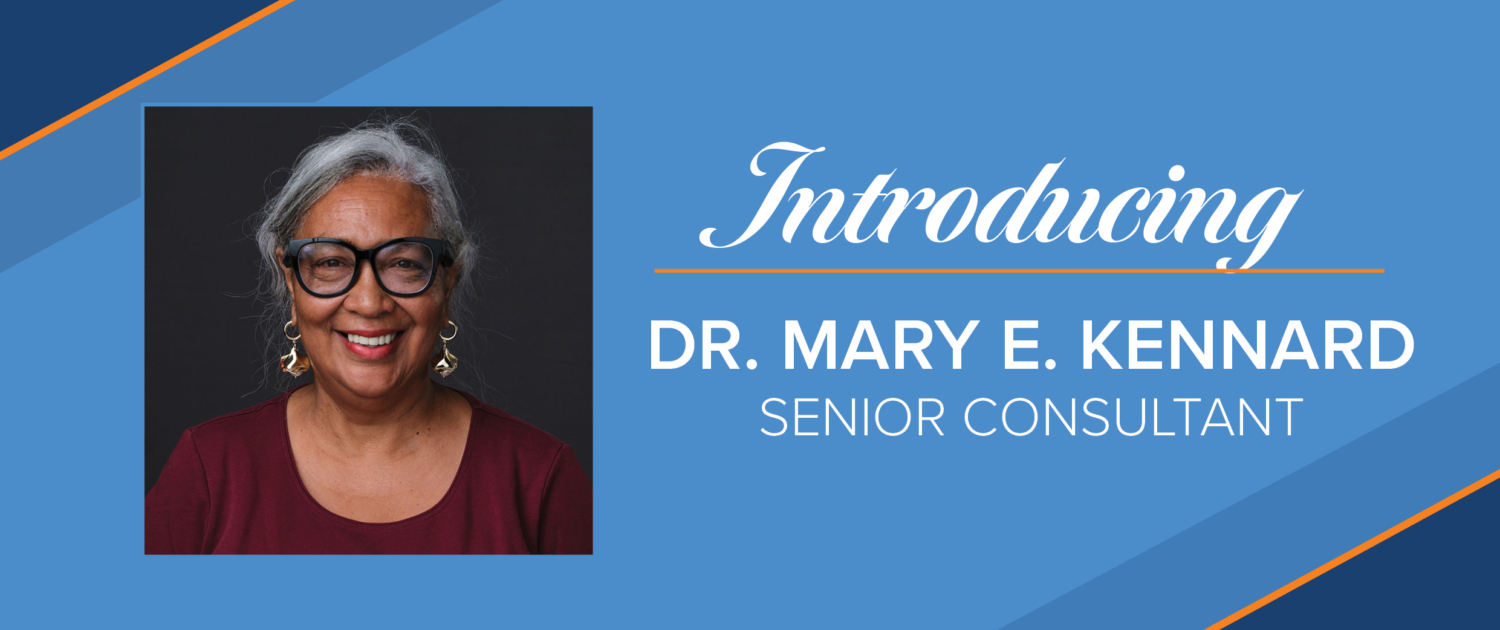 https://www.academicsearch.org/wp-content/uploads/2023/09/Mary-Kennard-Announcement-1200x500-1.jpg
1042
2500
Academic Search
https://www.academicsearch.org/wp-content/uploads/2026/03/50th-Anniversary-Academic-Search-Horizontal-RGB-1030x314.jpg
Academic Search2023-09-14 14:30:472026-10-05 12:24:46Introducing Our Newest Senior Consultant: Dr. Mary E. Kennard
https://www.academicsearch.org/wp-content/uploads/2023/09/Mary-Kennard-Announcement-1200x500-1.jpg
1042
2500
Academic Search
https://www.academicsearch.org/wp-content/uploads/2026/03/50th-Anniversary-Academic-Search-Horizontal-RGB-1030x314.jpg
Academic Search2023-09-14 14:30:472026-10-05 12:24:46Introducing Our Newest Senior Consultant: Dr. Mary E. Kennard https://www.academicsearch.org/wp-content/uploads/2023/08/10-Commandments-for-Boards-Welcoming-New-Leaders-1200x500-2.jpg
1042
2500
Pamela Balch
https://www.academicsearch.org/wp-content/uploads/2026/03/50th-Anniversary-Academic-Search-Horizontal-RGB-1030x314.jpg
Pamela Balch2023-08-23 11:51:112026-10-01 15:39:5610 Commandments for Boards and New Presidents
https://www.academicsearch.org/wp-content/uploads/2023/08/10-Commandments-for-Boards-Welcoming-New-Leaders-1200x500-2.jpg
1042
2500
Pamela Balch
https://www.academicsearch.org/wp-content/uploads/2026/03/50th-Anniversary-Academic-Search-Horizontal-RGB-1030x314.jpg
Pamela Balch2023-08-23 11:51:112026-10-01 15:39:5610 Commandments for Boards and New Presidents https://www.academicsearch.org/wp-content/uploads/2023/07/Bensimon-Associates-Response-1200x500-1.jpg
1042
2500
Carlos Medina
https://www.academicsearch.org/wp-content/uploads/2026/03/50th-Anniversary-Academic-Search-Horizontal-RGB-1030x314.jpg
Carlos Medina2023-07-25 14:46:152026-10-01 15:40:07Ensuring Equity in the Search Process
https://www.academicsearch.org/wp-content/uploads/2023/07/Bensimon-Associates-Response-1200x500-1.jpg
1042
2500
Carlos Medina
https://www.academicsearch.org/wp-content/uploads/2026/03/50th-Anniversary-Academic-Search-Horizontal-RGB-1030x314.jpg
Carlos Medina2023-07-25 14:46:152026-10-01 15:40:07Ensuring Equity in the Search Process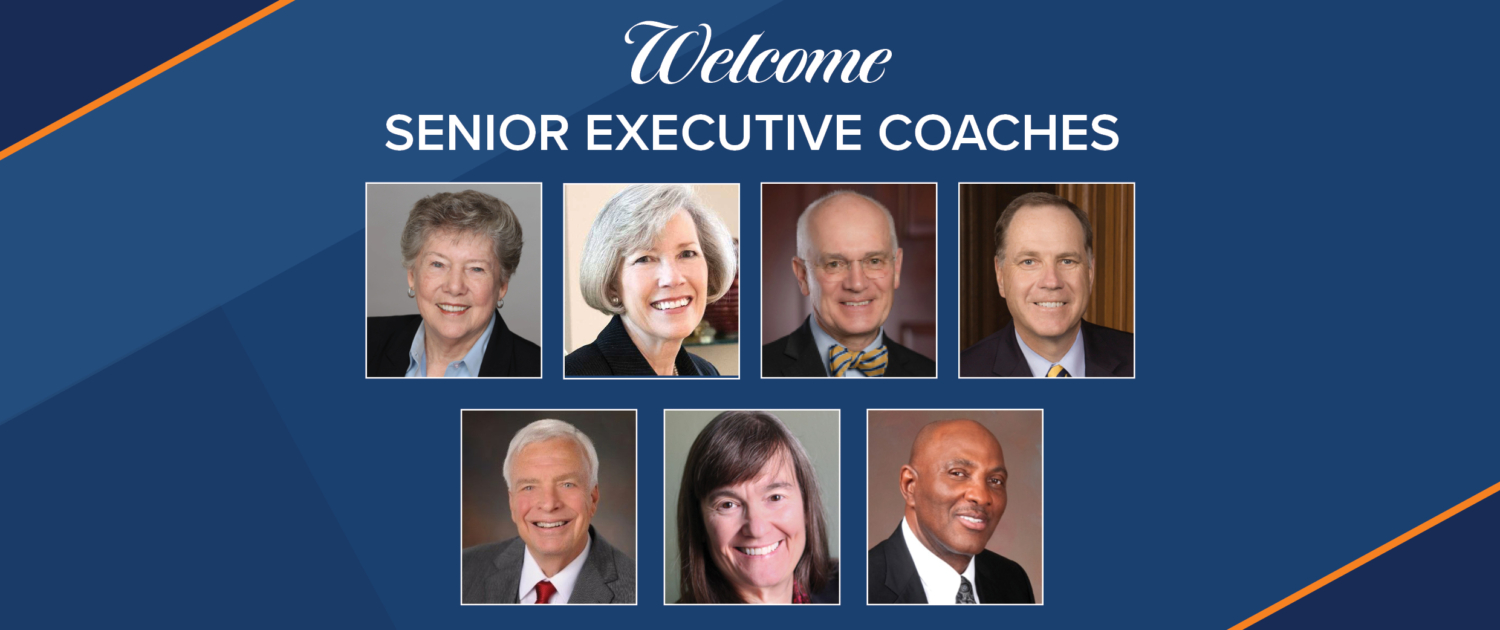 https://www.academicsearch.org/wp-content/uploads/2023/06/AS-Executive-Coaches-Announcement-1200x500-1.jpg
1042
2500
Academic Search
https://www.academicsearch.org/wp-content/uploads/2026/03/50th-Anniversary-Academic-Search-Horizontal-RGB-1030x314.jpg
Academic Search2023-06-27 09:55:062026-10-01 14:20:01Executive Coaching Practice Expands with 7 New Coaches
https://www.academicsearch.org/wp-content/uploads/2023/06/AS-Executive-Coaches-Announcement-1200x500-1.jpg
1042
2500
Academic Search
https://www.academicsearch.org/wp-content/uploads/2026/03/50th-Anniversary-Academic-Search-Horizontal-RGB-1030x314.jpg
Academic Search2023-06-27 09:55:062026-10-01 14:20:01Executive Coaching Practice Expands with 7 New Coaches