Leaders on Leadership Featuring Dr. Jessica Kozloff, President Emerita of Bloomsburg University
Dr. Jessica Kozloff, former President of Academic Search and President Emerita of Bloomsburg University, talks about the mentors who influenced her path to the presidency and reflects on some of the advice they shared with her. She also offers her thoughts on mission-oriented, student-centered leadership.
Episode Transcript
Jay Lemons:
Hello, and thank you for listening. I’m Jay Lemons. Welcome to Leaders on Leadership brought to you by Academic Search and the American Academic Leadership Institute. Together, our mission is to support colleges and universities during times of transition and through leadership development activities that serve current and future leaders of the academy. The purpose of our podcast is to hear the stories of the forces and people that have shaped today’s leaders in higher education and to learn more about their thoughts about leaders in the academy. I’m delighted to be joined today by Dr. Jessica Kozloff. Jessica is the president emerita at Bloomsburg University of Pennsylvania, where she served for 13 years as a highly successful president. She’s been a member of the team at Academic Search for more than a decade now, and in fact, served as my predecessor as the head of Academic Search and a senior consultant.
In addition to leading searches, Jessica has been an active participant and speaker on the search process, having facilitated a variety of leadership retreats and workshops for organizations like the American Council on Education, the Association of State Colleges and Universities, and the Council of Independent Colleges. Jessica, it is a special pleasure to connect, reconnect with a friend now for more than 20 years. I still recall well having a shared experience with you on the Oregon coast at an Ask You Summer Council meeting, and I was on my way to interview for the presidency at Susquehanna University. And I could never have imagined how our circles would’ve been intertwined from that time forward. Welcome.
Jessica Kozloff:
Well, thank you. It’s wonderful to be here with you and chat with you today about all the interesting things that are going on in higher education.
Jay Lemons:
Well, thanks. I’m going to dive right in here. And in some ways, one of the goals I have for this podcast is that we really get a chance to understand a little bit more about what makes up the people who have been leaders in the Academy, and I’d love for you to share what of your story you would like to about the people, events and opportunities that have really forged you into the person and leader that you became as your journey in higher education unfolded.
Jessica Kozloff:
You know, Jay, I don’t know if I’ve ever really told you about my background. I grew up in Texas. Spent the first 16 years of my life in Texas, but my dad was a educator and played an enormous influence in my life. I don’t know if this is too much personal detail, but when my parents married, he learned when my mom became pregnant with me that he had a heart condition and he did not have health insurance. So she made the decision that she would have to be a working mother. And we lived in small rural communities in Texas where he was the superintendent of schools. And she often had to commute a lot to go to town or her work, which probably made her the breadwinner in the home. And my dad was really the one that I spent a lot of time with.
So after school, I would trail along with him when he was doing things. And as I got older, we would have opportunities and have wonderful experiences. And this was in the south. This was in Texas when school systems were segregated. And he had the responsibility for the black school district as well as the white school district. And I learned so much from him about, I think, the values of the importance of education for everyone, depending on one’s economic condition or a situation that they were in. And he had a very strong belief, and he used to talk about this a lot, but in the end, education and black children and white children going to school together was going to be what really brought us together as an equitable society. And he was quite an athlete and really thought athletics was going to be the spark that would bring everyone together. At any rate, those early years with him were just wonderful.
And I still recall conversations we had when I was 14, 15 years old. And unfortunately, my dad did succumb to his heart condition just a few weeks before my 16th birthday. And I think one of the things that really motivated me to go into education was someone to carry on his legacy. And frankly, in those days, if one was going to go to college as a girl, you’re probably going to go into nursing or education. So I credit my parents, both of them, with really instilling in me how important education is, and that they wanted me to take advantage of it. And first in the sequel to that is my mother’s role, because she became the head of the family, and wanted me very much to go to college, but could not afford for me to go away.
So I went to what is now UNLV, used to be called Nevada Southern, and it was basically a two year extension of the University of Nevada Reno. But I always have had a great appreciation for every kind of institution. And the fact that no matter where you go, if you get the attention from faculty and you have the support of people around you, you can be successful. And so I ended up going on from there up to University of Nevada Reno to finish up my program. And there, I had the wonderful opportunity to get to know very well the chair of the political science department, who was a woman, and really got me very excited about political science. And I had started out as a drama major. My goal was going to be to get a degree in English and drama and teach English and produce the high school plays. That was my goal.
Jay Lemons:
Love it.
Jessica Kozloff:
And I’d love to tell this particular story, because I think it has a lot of implications. Right before I was graduating, I was in the ladies’ room. And you know how we always say that men go into the men’s room to really make the big decisions. And Dr. Bushnell, the woman that I admired so much, came up to me and she was watching her hands and I was washing mine, and she said, Miss Sledge, Mary, she was very formal. Miss Sledge, what are your plans for next year? And I was graduating. I said, well, I’m going to try to get a teaching job. And she said, well, I happen to have a graduate assistantship.
And I think you should think about applying for it. And she dried off her hands in a very stately fashion and walked out of the ladies’ room. And I thought about it and I decided to try that. And I got that assistantship and that just took me then on the track for eventually a PhD, to teaching at the college level and then going into administration. And I just have always, I’ve loved telling that story to students and to other people about how important it is as students to have someone like you that could give you some advice, whether on the golf course or in the ladies’ room, and say, you really ought to think about this.
Jay Lemons:
Thank you. That was spectacular. And I do appreciate the risk there is in sharing personally. And yet, I do think that our stories help inform and inspire others. And wow, thank you so much. Jessica, the next thing I would love to hear you reflect upon is what makes a good leader. And by good, I don’t mean grade B. I mean successful, virtuous, highly effective.
Jessica Kozloff:
I was very fortunate in my life to have a number of wonderful mentors. And Dr. Bushnell was one and the other one was a guy by the name of Bob Dickinson, who I bet you know, because he’s quite well known in the work he’s done in consulting. And he was president back when I was teaching and got into administration at the University of Northern Colorado. And he had encouraged me as president. And in fact, he had nominated me for an ACE Fellowship, which I got, which was just a tremendous, tremendous experience.
Jay Lemons:
Where did you do your ACE Fellowship?
Jessica Kozloff:
I did it with the Colorado Commission on Higher Education. At that time, my husband was a physician. He’s a retired physician now. And I felt like I couldn’t go too far away from home. So I was in Greeley and I would drive down to go down to Denver and just sort of commute on a daily basis to Denver. But I got to work with a wonderful woman named Linda Wilson who was the African American woman who became the Commissioner of Higher Education in Colorado. And that was a terrific, terrific experience. So what do I think is a good leader? I think having the experience to really watch leaders through that ACE Fellowship.
And I think that speaks to why important it is that we have these professional development programs because I think you have to have certain innate values and qualities to be a good leader, but there’s so much we can learn from one another and from observing and from really giving serious attention to leadership, because often we just don’t get that kind of training as we go through our academic program. So from that experience, I think I learned from watching. I watched things that I didn’t think went well.
I was able to watch things that did go well. And I think I came up with a conclusion that first of all, to be a good leader, I think you have to have the right values, have to be the right… You don’t have to be perfect, but we do need to be really concerned with the mission of what we’re doing. I remember Bob Dickinson telling me, writing me a letter when I became president of Bloomsburg University. And he gave me, it was very typical of Bob Dickinson. He wrote all these things that I should remember. I think he had like a 10 point thing for me to remember. The one thing he said that I’ve never forgotten is that Jessica, when you become president, you are going to have to… Your whole attention has got to be on making the decisions that are the best for that university.
You have to love it. You have to wrap your arms around it and say, you’re like my children, or spouse or partner or whatever. I’m going to do everything I can to make our mission successful, even if it’s not a popular decision. And I remember him saying to me, and just remember, you’re going to have to love Bloomsburg University and everything about it. It’s not going to love you back the way you love it. And that’s just the way. That’s the relationship that we have as leaders, the privilege of having the responsibility for institutions.
Jay Lemons:
That’s powerful.
Jessica Kozloff:
That you love other people. And it was a very simple thing, but I found myself so often in positions that I would think about that. I’ve got to do what is the right thing to do to fulfill the mission that we have, which is, I think, making sure that we’re taking good care of the people who work for us and for the communities that we’re in. But especially, and most importantly, for me, it’s always been what’s right for our students. And not to be, I can remember many decisions I made that the students didn’t like, especially involving sort of the drinking culture on campus and some issues we had to deal with. But I think in the long run, there was a certain amount of respect there.
And that’s sometimes the best we can get is just people think that we’re making a fair decision even though they don’t like the decisions we made. But I think the other aspects of what makes a good leader is someone who has empathy, who can be resilient, who doesn’t let all the noise get us down when things aren’t going well, and just remembers to focus on what is the mission here? Why did I want this position of leadership in the first place? And am I doing things I’m supposed to be doing to fulfill it? And that’s probably a very simple answer. I’m sure there are much more philosophical ways to approach it, but that’s the way I’ve always thought of leadership.
Jay Lemons:
I really appreciate it. And I also appreciate your paying it forward with Bob Dickinson’s wisdom, and that will enrich some of the work that I know I do with future leaders, because I often use language very similar. You got to embrace the place that you land. You need to bloom where you’re planted. You need to put your arms around the institution. You need to love it. But I think that Bob’s comment of the second part of that, don’t expect it to necessarily love you the same way back. Ultimately, and I do know this because I was close enough as I landed here in the greater Susquehanna Valley to know how much you were revered and loved. There can be some reciprocity, but it is a little bit like raising a teenager. It may come a little after you’ve lived through a rough path.
Jessica Kozloff:
That’s very, very true.
Jay Lemons:
That’s wonderful. I would love for you to talk a little bit about what was important to you as you were building your leadership teams? What were the qualities and what were you looking for in leaders as a part of the president, but the presidency includes that senior leadership team and many other components. What was important to you?
Jessica Kozloff:
Well, I mean, of course we’re always looking for the very best talent we can get. So you want people around you that are smarter than you in the areas that they’re going to be leading. I think that’s very important. But I was always very concerned about much of what we’ve been talking about already. Who is this person and what are their values and are their values congruent and are they going to support this institution and our culture? And there were times when I chose people who might not have had the experience, but I thought had the passion and the commitment. And that they were worth mentoring as others had mentored me. But certainly, it’s people that are competent. I mean, competence, we don’t talk about competence enough, but incompetent leaders are disastrous because they cannot inspire others to do their jobs as well.
So you’ve got to have people that are paired adequately at least and are competent. But then I think, above that, it’s how do I think they’re going to fit into this institution? Are there going to be team players? So I think leadership is a team sport. It’s not a solo activity. And I used to sort of preach this to my cabinet, which was, I expect, I hope I wasn’t preaching, but I expect all of us to be able to take off our specific advocacy hats of whatever units you’re leading. And we sometimes have to put on that university hat. And I would sometimes explain it to them by saying that there are times when, because you’re part of a higher education system, I’m going to have to take off my, can’t just be advocating for Bloomsburg University. There are times I’m going have to put on the system hat and be a good member of the chancellor’s team.
And you can do both of those things. You can be a strong advocate for the people you represent and still be part of a bigger mission as well. And sometimes, that means that we all have to give up a little bit and do what’s right at the moment for the greater good, I guess I would say. So I think that’s what I was really looking for. People that would be good team players. And when I found that I had to take someone off the team, it was usually because they were not good team players. And when you get that kind of dysfunction, it’s really pretty awful. And I’m sure you’re seeing this now too, as I did when I joined Academic Search and I started going around and working with other campuses. Having dysfunction on the leadership team is really, really counterproductive to say the least.
Jay Lemons:
Oh, for sure. And I, again, I think we’re going to find all kinds of unexpected gifts around this. And I think what you just shared, I can bear a witness to, because in the small world of the Academy, I had two senior members of my team that spent time as a part of your team. And I heard them reflect exactly what you said and bring that to the teams that I worked with them on in terms of exactly what you said. So I had not even thought about those. I’ll let them remain nameless, but one of them was an ACE Fellow. You know exactly who I’m speaking of. And so you did create a culture that endured in those people. That’s an extension of your legacy. Let me turn to advice that you would have for people who are aspiring to leadership in the academy. Do you have a few nuggets of wisdom that you would share?
Jessica Kozloff:
Well, I do. I don’t think it’s anything really revolutionary, but I always just say, in every position that you have, learn, learn, absorb. And I like to turn the commencement advice I think Steve Jobs gave, that follow your passion and oh go for what you love. And I used to say to my team and people I was mentoring. My advice is to get to the position that you love. Learn to love everything you have to do in life because every position you have is going to give you some insights that you will use later.
And if I can be just very personal again, one of the biggest things that happened for me was a very sad thing. And that was, at UNC, we had a terrible situation where we had to retrench faculty. And I had just finished my doctorate over at CSU. And I was finally in the political science department and just really life was wonderful, but I was non-tenured. And so we had three years of trenchment, and in the third year, my time came. And I had to go. And I just remember cleaning out my office that day. It was just, oh, terrible. But there was this position open for an assistant dean of students to help develop an academic advising center.
My personal circumstances, I couldn’t go somewhere else to teach. I had young, I had teenagers. Steve was a physician. I needed to find something in the real world. So I took that position. And at first, I was not terribly happy with it. But you know what? I learned to like it, and I learned so much about student life. And I’ve always felt that I was so fortunate to have both the academic experience, which had come very natural to me, and then to learn about all of the issues that are involved in the student life association.
And then, I think one really needs to embrace all the opportunities we’ve given. It’s just terrible when you have to leave it and obviously you’re going to leave it, but you know, sometimes we get a little impatient about going up those steps of the ladder. And, I think you really will contribute to anything that we’re given to do, not only will we make a contribution, but we will learn so much that later, way down the road, you will remember what those folks and student affairs are going through. You’ll remember if you’ve been teaching. You couldn’t get the supplies that you needed to teach with. So I guess just learn, learn, learn, absorb from every experience that you’re given in your professional life.
Jay Lemons:
Jessica, thank you. And I don’t want to necessarily chase us down a whole other avenue and to bring back to your mind one of the extraordinary crises that you faced, but it was the first time I heard you speak. And it was reflecting on the crisis involving the loss of life and the terrible fires at Bloomsburg. And I think the link for me is, no doubt that deviation from the path of moving up the tenure ladder in lockstep that took you into student life had you better prepared to meet the needs of Bloomsburg during that very, very frightening and awful experience that is among the most challenging things any president will face any place.
So, wow. You did it. You learned. Thank you. Again, that was such an extraordinarily impressive testimony for me as a young president hearing you talk about your experience there. So thank you very much. I want to move things to a little bit more of a lightning round, and I’m going to hit time. I have five kind of quick questions, and you hammer at them in quick form. What was the fondest memory you had of your undergraduate experience?
Jessica Kozloff:
Well, that’s where I met Steve Kozloff.
Jay Lemons:
Doesn’t get better than that.
Jessica Kozloff:
Yeah. I was a senior in college. He was a graduate student. I stayed on to become a teaching assistant as he did. And we both had two or three wonderful years together before we eventually got married and it was at a college campus. And both have shared the experience and how important it was to have faculty who mentored us, faculty left we established an endowment for faculty development and Kozloff’s Fellows to sort of pay back to recognize all those people that helped us along the way. But that was pretty special moment experience.
Jay Lemons:
Love it. Love it.
Jessica Kozloff:
Falling in love on a campus and getting married.
Jay Lemons:
Well, you’ve served many campuses. Do you have a favorite set of school colors?
Jessica Kozloff:
I have to say maroon and gold for Bloomsburg University for the Huskies. Yep. That’s it.
Jay Lemons:
Well, it’s understandable. You spent the longest time wearing those colors of any of your institutions. So thank you. I think in some ways that you already have answered this, but what made it real for you to think about a life in the Academy? Was it the experience in the women’s restroom?
Jessica Kozloff:
I think, for me, it was getting the confidence to think that I could really make it as an academic and as a leader. And I think it was the, I was so fortunate to have so many wonderful mentors who really took me under their wing and gave me that confidence. And sometimes, I think, especially for women, Jay, to be so aggressive as to say, I could see myself as a university president, that’s a big step for many of us. And we often need people that give us the encouragement to think it’s okay to think that if you want that, if you’re doing it for the right reason. So Jessica, why do you want to be a university president?
Jay Lemons:
Very good. Yeah. Yeah. Excellent. Excellent. What’s your favorite campus tradition?
Jessica Kozloff:
Oh, from Bloomsburg University, it was commencement. When you have 50% of your graduates every year being the first in their generation to graduate, and you look out on, we did it in a football stadium so we could get as many of their family in, and we had three different commencements every semester because we didn’t want to cut down on the seats students could get. And you have families, moms, aunts, children get up when their child or mother walks across, or dad, walks across the stage, that I never had a dry eye. I don’t think of any commencement I ever attended and just watching those families, and when you walk in the processional and all the families are looking at their students and their students come by and they yell and scream. It’s not real sophisticated stuff, but it’s what we’re all about. It makes you feel pretty doggone good to be in this business when that happens.
Jay Lemons:
It does indeed. It refills the bucket at a time where most of us need it in higher ed at that time of year. Well, speaking of, last quick take.
Jessica Kozloff:
Okay.
Jay Lemons:
If you hadn’t found your way into the Academy, what would you have done?
Jessica Kozloff:
I would’ve gone into some sort of public service. My mother was, she was a government employee. She worked for the government. She had a job that really helped her help others. I really thought a little bit about going to law school instead of doing the PhD, but decided to go on for the PhD. And frankly, I’m very glad I did. But I was trying to kind of put my life together based on following Steve around and getting him into his medical practice and all, but I’m sure it would’ve been some kind of public service. And I thought maybe the law would be a way to do that as well as being an educator. But I don’t know. Education was just in my DNA. I couldn’t turn my back on that.
Jay Lemons:
Well, thank you. Back to where we began, I knew you lost your dad at a young age. I did not know any of the rest of that story and it’s really helpful. And I want to say thank you so much for sharing and sharing so openly. I think these are really gifts meant for others. And I’d invite you to make any final comments that you would about thinking about life and leadership in the Academy.
Jessica Kozloff:
Well, I think what I would like to say is I hope all of us have sympathy for and empathy for and support for our leaders in higher education right now and the faculty. I mean, everybody right now, because this wonderful enterprise that we all love and it’s such a noble profession is under terrible stress right now, as so many areas are in our country. And there’s going to be a lot of criticism. A lot of people are making decisions. Who’s right, who’s wrong? I hope we can find way as a society to really appreciate what people who go into education for a living do for us, whether we’re talking about kindergarten teachers or university presidents. I just think this is a very fragile time for us right now. And I’ll hearken back to what my father used to tell me. Education is one of the most important things that is going to make our society as equitable and as good as it can be. And we have to remember that during times of stress, as well as times of celebration.
Jay Lemons:
May it be so. Jessica, thank you for being a guest here on Leaders on Leadership, and we’re really grateful to you. So thank you and I hope you have a great rest of the day and our greetings to the good Dr. Kozloff, the other Dr. Kozloff.
Jessica Kozloff:
I will sure share that with him. Thank you so much, Jay. It’s been great to talk to you.
Jay Lemons:
Thank you. Colleagues, listeners, we welcome your suggestions and thoughts for leaders we should feature in upcoming segments. You can send those suggestions to leadershippodcast@academicsearch.org. You can find our podcast at www.academicsearch.org/leadershippodcast or on Apple podcast, Google podcast, or wherever else you get your podcasts. Leaders on Leadership is brought to you by Academic Search and the American Academic Leadership Institute. Together, our mission is to support colleges and universities during times of transition and through leadership development activities that serve current and future generations of leaders in the Academy.
Listen to More Episodes
Enjoy our content? Join our mailing list.
Share this podcast
Discover More Leading Insights
 https://www.academicsearch.org/wp-content/uploads/2026/09/Leadership-Pipeline-1200x500_02-scaled.jpg
1066
2560
Ashley Hunter
https://www.academicsearch.org/wp-content/uploads/2026/03/50th-Anniversary-Academic-Search-Horizontal-RGB-1030x314.jpg
Ashley Hunter2026-09-15 20:15:112026-09-24 15:15:15Higher Education’s Leadership Pipeline is Stronger Than the Headlines Suggest
https://www.academicsearch.org/wp-content/uploads/2026/09/Leadership-Pipeline-1200x500_02-scaled.jpg
1066
2560
Ashley Hunter
https://www.academicsearch.org/wp-content/uploads/2026/03/50th-Anniversary-Academic-Search-Horizontal-RGB-1030x314.jpg
Ashley Hunter2026-09-15 20:15:112026-09-24 15:15:15Higher Education’s Leadership Pipeline is Stronger Than the Headlines Suggest https://www.academicsearch.org/wp-content/uploads/2025/05/A-Guide-to-Leadership-Renewal-Graphics-1200x500-3-scaled.jpg
1066
2560
Ashley Hunter
https://www.academicsearch.org/wp-content/uploads/2026/03/50th-Anniversary-Academic-Search-Horizontal-RGB-1030x314.jpg
Ashley Hunter2025-05-27 12:23:542026-09-24 15:22:09Leadership Renewal Starts with Intention
https://www.academicsearch.org/wp-content/uploads/2025/05/A-Guide-to-Leadership-Renewal-Graphics-1200x500-3-scaled.jpg
1066
2560
Ashley Hunter
https://www.academicsearch.org/wp-content/uploads/2026/03/50th-Anniversary-Academic-Search-Horizontal-RGB-1030x314.jpg
Ashley Hunter2025-05-27 12:23:542026-09-24 15:22:09Leadership Renewal Starts with Intention https://www.academicsearch.org/wp-content/uploads/2025/03/A-Guide-to-Cabinet-Retreats-Web-Header-1200x500-1-scaled.jpg
1066
2560
Ashley Hunter
https://www.academicsearch.org/wp-content/uploads/2026/03/50th-Anniversary-Academic-Search-Horizontal-RGB-1030x314.jpg
Ashley Hunter2025-03-14 13:23:212026-09-24 15:24:18A Guide to Effective & Strategic Cabinet Retreats
https://www.academicsearch.org/wp-content/uploads/2025/03/A-Guide-to-Cabinet-Retreats-Web-Header-1200x500-1-scaled.jpg
1066
2560
Ashley Hunter
https://www.academicsearch.org/wp-content/uploads/2026/03/50th-Anniversary-Academic-Search-Horizontal-RGB-1030x314.jpg
Ashley Hunter2025-03-14 13:23:212026-09-24 15:24:18A Guide to Effective & Strategic Cabinet Retreats https://www.academicsearch.org/wp-content/uploads/2024/08/Competencies-for-the-College-Presidency-Graphic-1200x500-1-scaled.jpg
1066
2560
Ashley Hunter
https://www.academicsearch.org/wp-content/uploads/2026/03/50th-Anniversary-Academic-Search-Horizontal-RGB-1030x314.jpg
Ashley Hunter2024-09-15 08:00:052026-09-24 16:36:22Competencies for the College Presidency
https://www.academicsearch.org/wp-content/uploads/2024/08/Competencies-for-the-College-Presidency-Graphic-1200x500-1-scaled.jpg
1066
2560
Ashley Hunter
https://www.academicsearch.org/wp-content/uploads/2026/03/50th-Anniversary-Academic-Search-Horizontal-RGB-1030x314.jpg
Ashley Hunter2024-09-15 08:00:052026-09-24 16:36:22Competencies for the College Presidency https://www.academicsearch.org/wp-content/uploads/2024/08/Rodney-Clark-Deloitte-Study-Response-1200x500-1-scaled.jpg
1066
2560
Ashley Hunter
https://www.academicsearch.org/wp-content/uploads/2026/03/50th-Anniversary-Academic-Search-Horizontal-RGB-1030x314.jpg
Ashley Hunter2024-08-22 08:53:442026-09-24 15:29:48Building Resilient Leadership: Lessons from Deloitte’s Higher Education Trends
https://www.academicsearch.org/wp-content/uploads/2024/08/Rodney-Clark-Deloitte-Study-Response-1200x500-1-scaled.jpg
1066
2560
Ashley Hunter
https://www.academicsearch.org/wp-content/uploads/2026/03/50th-Anniversary-Academic-Search-Horizontal-RGB-1030x314.jpg
Ashley Hunter2024-08-22 08:53:442026-09-24 15:29:48Building Resilient Leadership: Lessons from Deloitte’s Higher Education Trends https://www.academicsearch.org/wp-content/uploads/2024/06/SC-Announcement-June-2024-1200x500-1-scaled.jpg
1066
2560
Ashley Hunter
https://www.academicsearch.org/wp-content/uploads/2026/03/50th-Anniversary-Academic-Search-Horizontal-RGB-1030x314.jpg
Ashley Hunter2024-06-11 15:43:142026-09-24 15:31:06Academic Search Welcomes Mike Maxey and Timothy Mottet as Senior Consultants
https://www.academicsearch.org/wp-content/uploads/2024/06/SC-Announcement-June-2024-1200x500-1-scaled.jpg
1066
2560
Ashley Hunter
https://www.academicsearch.org/wp-content/uploads/2026/03/50th-Anniversary-Academic-Search-Horizontal-RGB-1030x314.jpg
Ashley Hunter2024-06-11 15:43:142026-09-24 15:31:06Academic Search Welcomes Mike Maxey and Timothy Mottet as Senior Consultants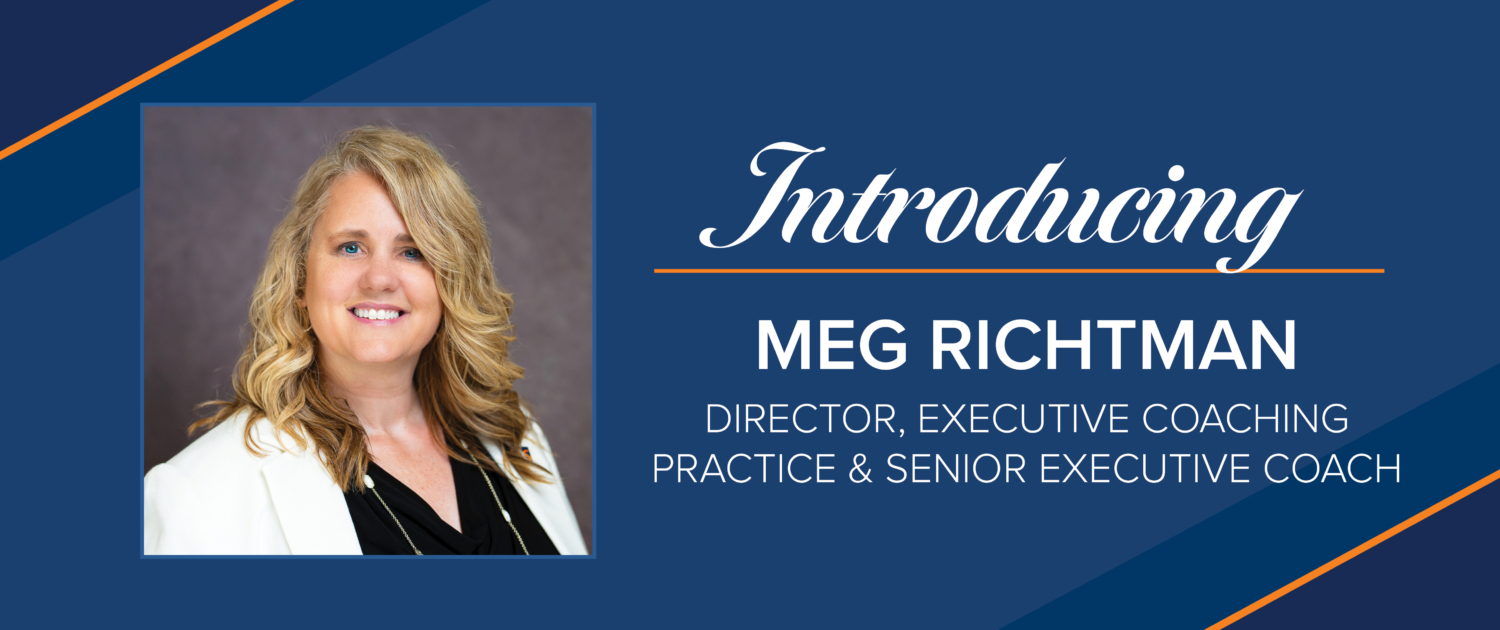 https://www.academicsearch.org/wp-content/uploads/2024/05/Meg-Richtman-Announcement-1200x500-1-scaled.jpg
1066
2560
Ashley Hunter
https://www.academicsearch.org/wp-content/uploads/2026/03/50th-Anniversary-Academic-Search-Horizontal-RGB-1030x314.jpg
Ashley Hunter2024-05-25 13:37:262026-09-24 15:31:22Strengthening Our Executive Coaching Practice with New Director
https://www.academicsearch.org/wp-content/uploads/2024/05/Meg-Richtman-Announcement-1200x500-1-scaled.jpg
1066
2560
Ashley Hunter
https://www.academicsearch.org/wp-content/uploads/2026/03/50th-Anniversary-Academic-Search-Horizontal-RGB-1030x314.jpg
Ashley Hunter2024-05-25 13:37:262026-09-24 15:31:22Strengthening Our Executive Coaching Practice with New Director https://www.academicsearch.org/wp-content/uploads/2024/04/Leaving-the-Presidency-with-Grace-1200x500-1-scaled.jpg
1066
2560
Ashley Hunter
https://www.academicsearch.org/wp-content/uploads/2026/03/50th-Anniversary-Academic-Search-Horizontal-RGB-1030x314.jpg
Ashley Hunter2024-04-01 12:33:482026-09-24 15:31:45Leaving the Presidency with Grace
https://www.academicsearch.org/wp-content/uploads/2024/04/Leaving-the-Presidency-with-Grace-1200x500-1-scaled.jpg
1066
2560
Ashley Hunter
https://www.academicsearch.org/wp-content/uploads/2026/03/50th-Anniversary-Academic-Search-Horizontal-RGB-1030x314.jpg
Ashley Hunter2024-04-01 12:33:482026-09-24 15:31:45Leaving the Presidency with Grace https://www.academicsearch.org/wp-content/uploads/2024/03/HERS-Executive-Coaching-Circles-2024-1200x500-1-scaled.jpg
1066
2560
Ashley Hunter
https://www.academicsearch.org/wp-content/uploads/2026/03/50th-Anniversary-Academic-Search-Horizontal-RGB-1030x314.jpg
Ashley Hunter2024-03-13 16:59:162026-09-24 15:32:46HERS Executive Coaching Circles: Empowering Women Leaders in Higher Education
https://www.academicsearch.org/wp-content/uploads/2024/03/HERS-Executive-Coaching-Circles-2024-1200x500-1-scaled.jpg
1066
2560
Ashley Hunter
https://www.academicsearch.org/wp-content/uploads/2026/03/50th-Anniversary-Academic-Search-Horizontal-RGB-1030x314.jpg
Ashley Hunter2024-03-13 16:59:162026-09-24 15:32:46HERS Executive Coaching Circles: Empowering Women Leaders in Higher Education https://www.academicsearch.org/wp-content/uploads/2024/02/CV-Tips-Flanagan-1200x500-1-scaled.jpg
1066
2560
Ashley Hunter
https://www.academicsearch.org/wp-content/uploads/2026/03/50th-Anniversary-Academic-Search-Horizontal-RGB-1030x314.jpg
Ashley Hunter2024-02-22 10:01:112026-09-24 15:34:15Crafting Effective Application Materials for Academic Leadership Roles
https://www.academicsearch.org/wp-content/uploads/2024/02/CV-Tips-Flanagan-1200x500-1-scaled.jpg
1066
2560
Ashley Hunter
https://www.academicsearch.org/wp-content/uploads/2026/03/50th-Anniversary-Academic-Search-Horizontal-RGB-1030x314.jpg
Ashley Hunter2024-02-22 10:01:112026-09-24 15:34:15Crafting Effective Application Materials for Academic Leadership Roles https://www.academicsearch.org/wp-content/uploads/2023/09/Hispanic-Heritage-Month-1200x500-1-scaled.jpg
1066
2560
Ashley Hunter
https://www.academicsearch.org/wp-content/uploads/2026/03/50th-Anniversary-Academic-Search-Horizontal-RGB-1030x314.jpg
Ashley Hunter2023-09-18 08:31:432026-09-24 15:35:46Celebrating Hispanic Heritage Month 2023
https://www.academicsearch.org/wp-content/uploads/2023/09/Hispanic-Heritage-Month-1200x500-1-scaled.jpg
1066
2560
Ashley Hunter
https://www.academicsearch.org/wp-content/uploads/2026/03/50th-Anniversary-Academic-Search-Horizontal-RGB-1030x314.jpg
Ashley Hunter2023-09-18 08:31:432026-09-24 15:35:46Celebrating Hispanic Heritage Month 2023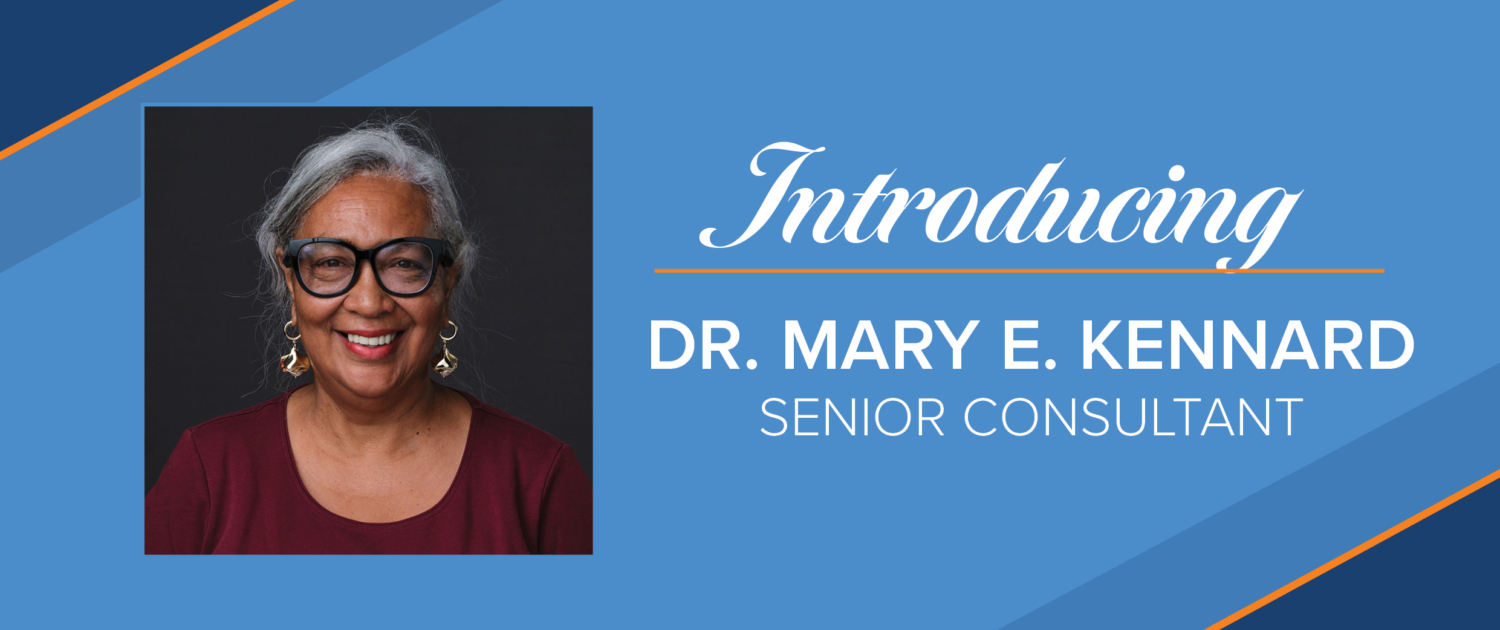 https://www.academicsearch.org/wp-content/uploads/2023/09/Mary-Kennard-Announcement-1200x500-1.jpg
1042
2500
Ashley Hunter
https://www.academicsearch.org/wp-content/uploads/2026/03/50th-Anniversary-Academic-Search-Horizontal-RGB-1030x314.jpg
Ashley Hunter2023-09-14 14:30:472026-09-24 15:36:00Introducing Our Newest Senior Consultant: Dr. Mary E. Kennard
https://www.academicsearch.org/wp-content/uploads/2023/09/Mary-Kennard-Announcement-1200x500-1.jpg
1042
2500
Ashley Hunter
https://www.academicsearch.org/wp-content/uploads/2026/03/50th-Anniversary-Academic-Search-Horizontal-RGB-1030x314.jpg
Ashley Hunter2023-09-14 14:30:472026-09-24 15:36:00Introducing Our Newest Senior Consultant: Dr. Mary E. Kennard https://www.academicsearch.org/wp-content/uploads/2023/08/10-Commandments-for-Boards-Welcoming-New-Leaders-1200x500-2.jpg
1042
2500
Ashley Hunter
https://www.academicsearch.org/wp-content/uploads/2026/03/50th-Anniversary-Academic-Search-Horizontal-RGB-1030x314.jpg
Ashley Hunter2023-08-23 11:51:112026-09-24 15:36:4210 Commandments for Boards and New Presidents
https://www.academicsearch.org/wp-content/uploads/2023/08/10-Commandments-for-Boards-Welcoming-New-Leaders-1200x500-2.jpg
1042
2500
Ashley Hunter
https://www.academicsearch.org/wp-content/uploads/2026/03/50th-Anniversary-Academic-Search-Horizontal-RGB-1030x314.jpg
Ashley Hunter2023-08-23 11:51:112026-09-24 15:36:4210 Commandments for Boards and New Presidents https://www.academicsearch.org/wp-content/uploads/2023/07/Bensimon-Associates-Response-1200x500-1.jpg
1042
2500
Ashley Hunter
https://www.academicsearch.org/wp-content/uploads/2026/03/50th-Anniversary-Academic-Search-Horizontal-RGB-1030x314.jpg
Ashley Hunter2023-07-25 14:46:152026-09-24 15:37:23Ensuring Equity in the Search Process
https://www.academicsearch.org/wp-content/uploads/2023/07/Bensimon-Associates-Response-1200x500-1.jpg
1042
2500
Ashley Hunter
https://www.academicsearch.org/wp-content/uploads/2026/03/50th-Anniversary-Academic-Search-Horizontal-RGB-1030x314.jpg
Ashley Hunter2023-07-25 14:46:152026-09-24 15:37:23Ensuring Equity in the Search Process https://www.academicsearch.org/wp-content/uploads/2023/06/AS-Executive-Coaches-Announcement-1200x500-1.jpg
1042
2500
Ashley Hunter
https://www.academicsearch.org/wp-content/uploads/2026/03/50th-Anniversary-Academic-Search-Horizontal-RGB-1030x314.jpg
Ashley Hunter2023-06-27 09:55:062026-09-24 15:37:39Executive Coaching Practice Expands with 7 New Coaches
https://www.academicsearch.org/wp-content/uploads/2023/06/AS-Executive-Coaches-Announcement-1200x500-1.jpg
1042
2500
Ashley Hunter
https://www.academicsearch.org/wp-content/uploads/2026/03/50th-Anniversary-Academic-Search-Horizontal-RGB-1030x314.jpg
Ashley Hunter2023-06-27 09:55:062026-09-24 15:37:39Executive Coaching Practice Expands with 7 New Coaches