10 Commandments for Boards and New Presidents
Featuring Dan DiBiasio, Ph.D. & Pamela Balch, Ed.D. | August 2023
Guiding a Smooth Leadership Transition: Insights from Our Senior Consultants
Leadership transitions within an institution mark a pivotal moment that demands careful planning and consideration. As part of our commitment to aiding institutions in welcoming new presidents and chancellors following a successful executive search, our senior consultants consistently work to prepare guidance for these institutions to facilitate a seamless transition and onboarding process. At the forefront of the transition lies the relationship between the institution’s board and its new president. Attending to this relationship is crucial for ensuring a successful leadership transition.
Dan DiBiasio and Pamela Balch, two of our esteemed senior consultants, each share their “10 Commandments” for boards and new presidents during transition and onboarding.
Dan DiBiasio’s Commandments
- Define Presidential Role: Clarify the role and expectations of the president as a board member. Ex officio? With or without a vote? Executive sessions with the president, executive sessions without the president?
- Bylaw Exploration: The chair and/or the executive committee should do a “walk-through” of the bylaws with the new leader. Is the board satisfied with its size, composition, and committee structure? Do the bylaws need to be reviewed or refreshed?
- Prospective Board Member Process: Is the process for identifying and cultivating prospective board members one that the board and the president share?
- Board Member Orientation: The board may want the new president to go through the new board member orientation.
- Spouse/Partner Expectations: If appropriate, have conversations about expectations for the new president’s spouse/partner.
- Communication Expectations: What are the board’s expectations for presidential communication between board meetings—communications with the chair, the executive committee, the full board?
- Understanding Roles: How do board leaders, board members, and the new president understand and honor their respective roles? For the board: acting with oversight, insight, and foresight; For the president: acting as the campus chief executive, lead spokesperson, planner, and fundraiser.
- In-Person Engagements: If practicable, encourage the president to travel off campus during her or his first year to visit each board member.
- Transparency with Campus Community: The president should communicate the highlights of each board meeting to the campus community.
- No surprises: A commitment that goes both ways—board to president and president to board.
Pamela Balch’s Commandments
- Ongoing Chair-President Dialog: Board chair and president should set up regular times to touch base about important issues such as budget, enrollment, advancement, KPIs, etc.
- Shared Goals: Work together on setting clear priorities and goals for year one and how to assess progress.
- Meeting Structure: Decide on number, length, and process for board meetings.
- Board Retreat: Discuss whether to have an annual board retreat and what that would entail.
- Communication: Discuss best ways to communicate problems or issues that arise. Also decide the appropriate spokesperson for the media.
- Faculty Governance: Agree upon how to utilize faculty governance as related to board.
- Candid Assessment: Assess with complete honesty current challenges and opportunities.
- Role Definitions: Determine the roles and responsibilities of the board chair, the board committee chairs, the president, and the cabinet members.
- Evaluations: Agree early on the ways that the president will be evaluated.
- Bylaw Review: Review bylaws and make sure that all are reasonable and understandable.
About the Authors

Dan DiBiasio, Ph.D.
Senior Consultant
With over 40 years in higher education, Dr. DiBiasio recently completed his term as the 11th President of Ohio Northern University, retiring after 11 years in the post. Prior to that, he served as President of Wilmington College for 16 years. His career began at Rocky Mountain College in 1974 and encompassed roles at various institutions, including the University of New Hampshire. Dr. DiBiasio’s achievements include strategic planning, fundraising, campus development, program expansion, and promoting high-impact learning. He has held leadership roles on national and state boards, including for NAICU and the NCAA Division III Presidents Council, and has been honored with multiple awards and honorary doctorates.

Pamela Balch, Ed.D.
Senior Consultant
Upon joining Academic Search in 2017, Dr. Pamela Balch swiftly demonstrated her proficiency as a senior consultant with an eye for identifying executive talent. With over 30 years in higher education, including presidencies at Mayville University and West Virginia Wesleyan University, she possesses a deep understanding of university governance. From a foundation in education, her career journey spanned various administrative roles and recognitions, including time in California at San Diego State University. Her experience in leadership roles equips her to guide institutions and candidates through search processes and transition and onboarding with strategic insight and dedication.
Enjoy our content? Join our mailing list.
Share this article
 https://www.academicsearch.org/wp-content/uploads/2023/06/AS-Executive-Coaches-Announcement-1200x500-1.jpg
1042
2500
Ashley Hunter
https://www.academicsearch.org/wp-content/uploads/2026/03/50th-Anniversary-Academic-Search-Horizontal-RGB-1030x314.jpg
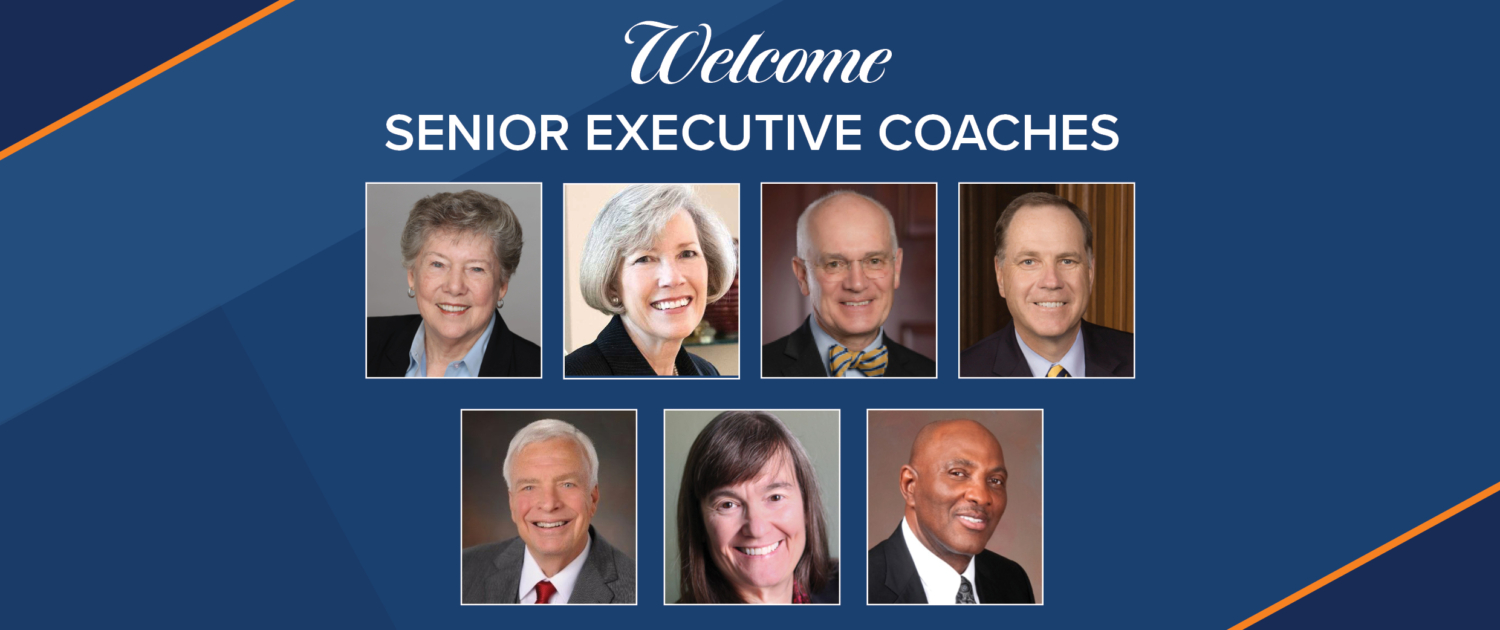
Ashley Hunter2023-06-27 09:55:062026-09-15 17:15:18Executive Coaching Practice Expands with 7 New Coaches
https://www.academicsearch.org/wp-content/uploads/2023/06/AS-Executive-Coaches-Announcement-1200x500-1.jpg
1042
2500
Ashley Hunter
https://www.academicsearch.org/wp-content/uploads/2026/03/50th-Anniversary-Academic-Search-Horizontal-RGB-1030x314.jpg
Ashley Hunter2023-06-27 09:55:062026-09-15 17:15:18Executive Coaching Practice Expands with 7 New Coaches https://www.academicsearch.org/wp-content/uploads/2023/05/Leadership-Development-Cabinet-Members-1500x630-1-scaled.jpg
1075
2560
Ashley Hunter
https://www.academicsearch.org/wp-content/uploads/2026/03/50th-Anniversary-Academic-Search-Horizontal-RGB-1030x314.jpg
Ashley Hunter2023-05-16 16:20:492026-09-15 15:23:46Leadership Development: Key to Cabinet Success
https://www.academicsearch.org/wp-content/uploads/2023/05/Leadership-Development-Cabinet-Members-1500x630-1-scaled.jpg
1075
2560
Ashley Hunter
https://www.academicsearch.org/wp-content/uploads/2026/03/50th-Anniversary-Academic-Search-Horizontal-RGB-1030x314.jpg
Ashley Hunter2023-05-16 16:20:492026-09-15 15:23:46Leadership Development: Key to Cabinet Success https://www.academicsearch.org/wp-content/uploads/2023/03/Upward-Mobility-for-Women-In-Higher-Ed-1500x630-1-scaled.jpg
1075
2560
Ashley Hunter
https://www.academicsearch.org/wp-content/uploads/2026/03/50th-Anniversary-Academic-Search-Horizontal-RGB-1030x314.jpg
Ashley Hunter2023-03-13 14:19:252026-09-15 15:24:21Upward Mobility for Women in Higher Education
https://www.academicsearch.org/wp-content/uploads/2023/03/Upward-Mobility-for-Women-In-Higher-Ed-1500x630-1-scaled.jpg
1075
2560
Ashley Hunter
https://www.academicsearch.org/wp-content/uploads/2026/03/50th-Anniversary-Academic-Search-Horizontal-RGB-1030x314.jpg
Ashley Hunter2023-03-13 14:19:252026-09-15 15:24:21Upward Mobility for Women in Higher Education