Executive coaching is designed in a way that benefits both the leader and the institution. Therefore, Academic Search believes executive coaching should be approached from a systems perspective and in the context in which the leader is leading.
We believe that leadership is learned through ongoing practice, reflection, action and assessment. Thus, leadership always occurs in a particular context, leads to action, and has an impact to be evaluated.
Leading colleges and universities today is both noble and daunting work. We created our Executive Coaching Practice based on this philosophy so that presidents and senior leaders have professional and qualified leadership companions and guides on the leadership journey. We are committed to the effectiveness, sustainability and well-being of new and incumbent presidents and senior leaders. We believe that both the interiority of leaders and the exterior demands of institutional leadership are complementary.
LEADER-FIRST APPROACH

THOUGHT LEADERSHIP
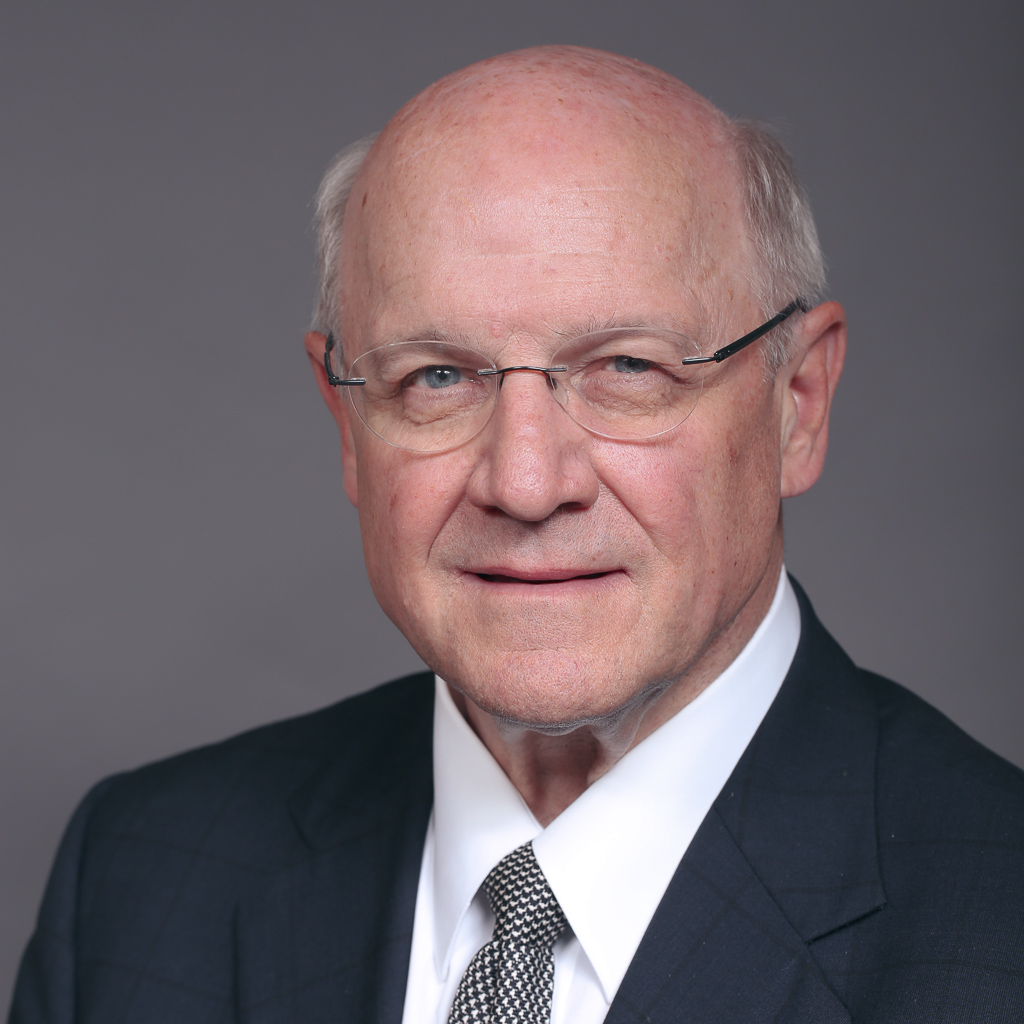
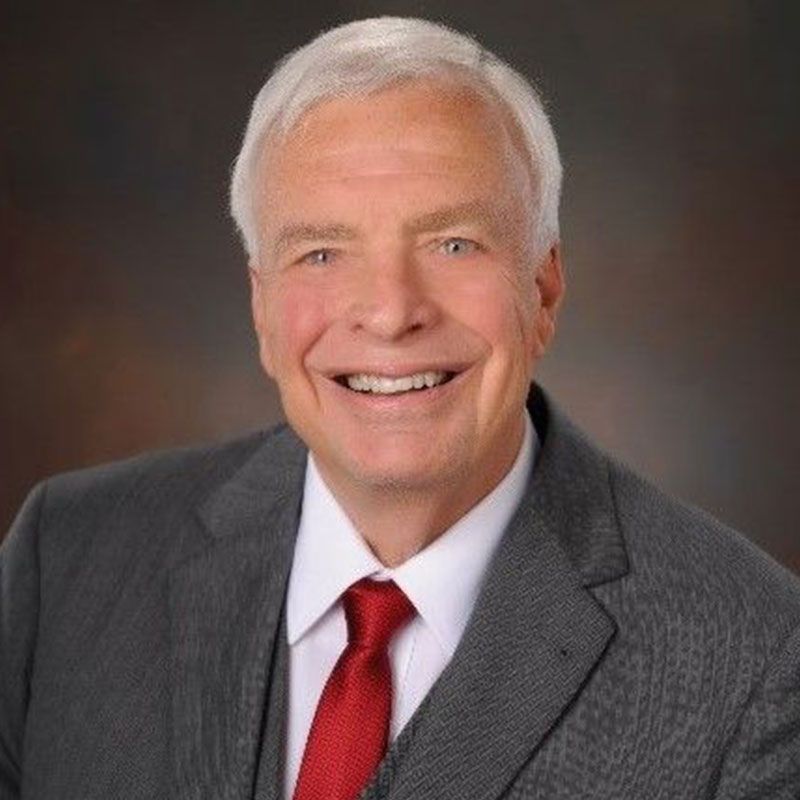
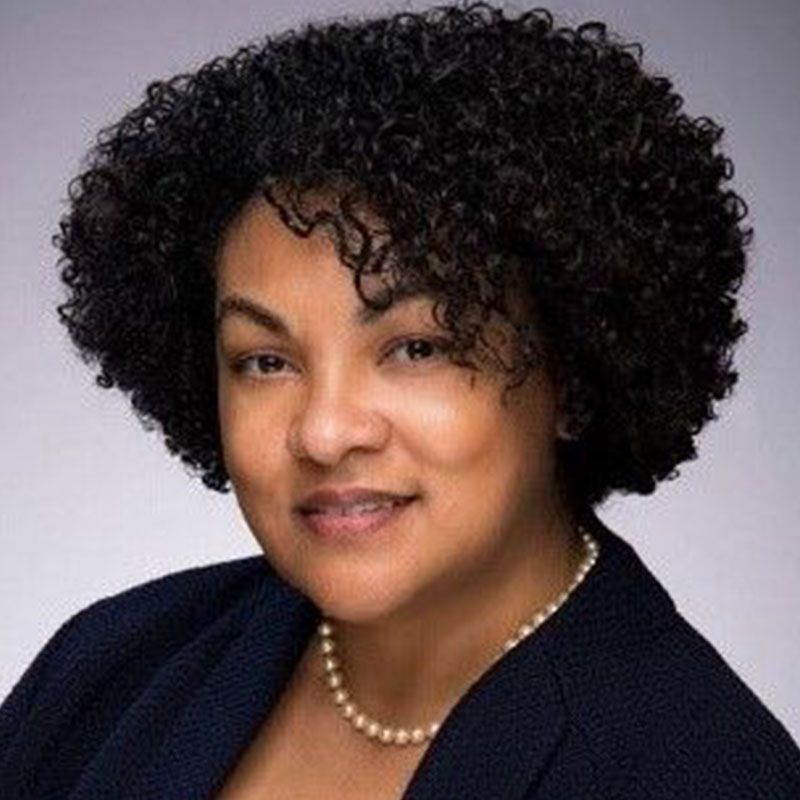
MEET OUR SENIOR EXECUTIVE COACHES
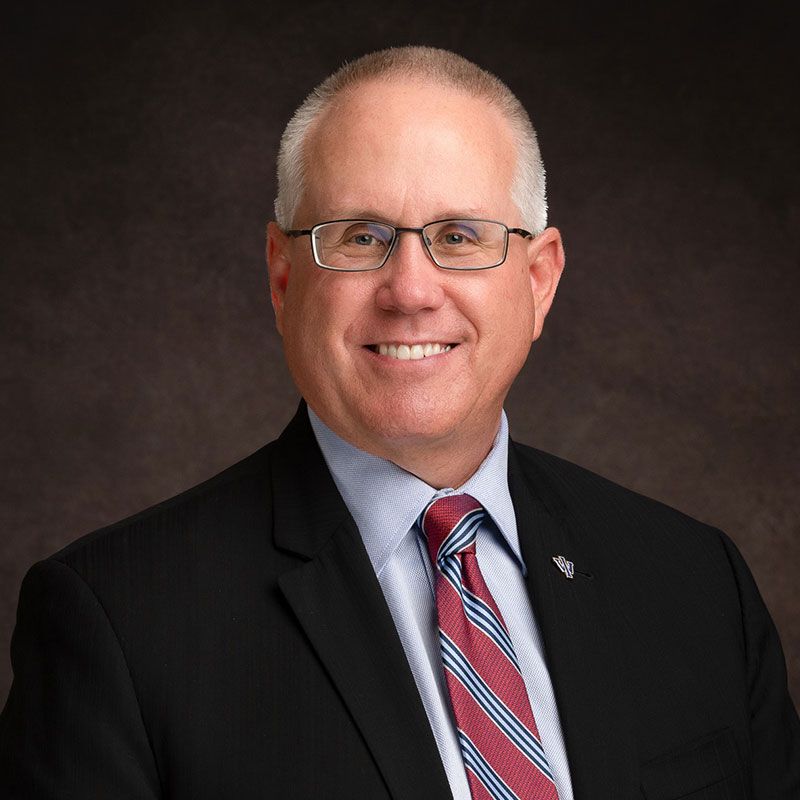





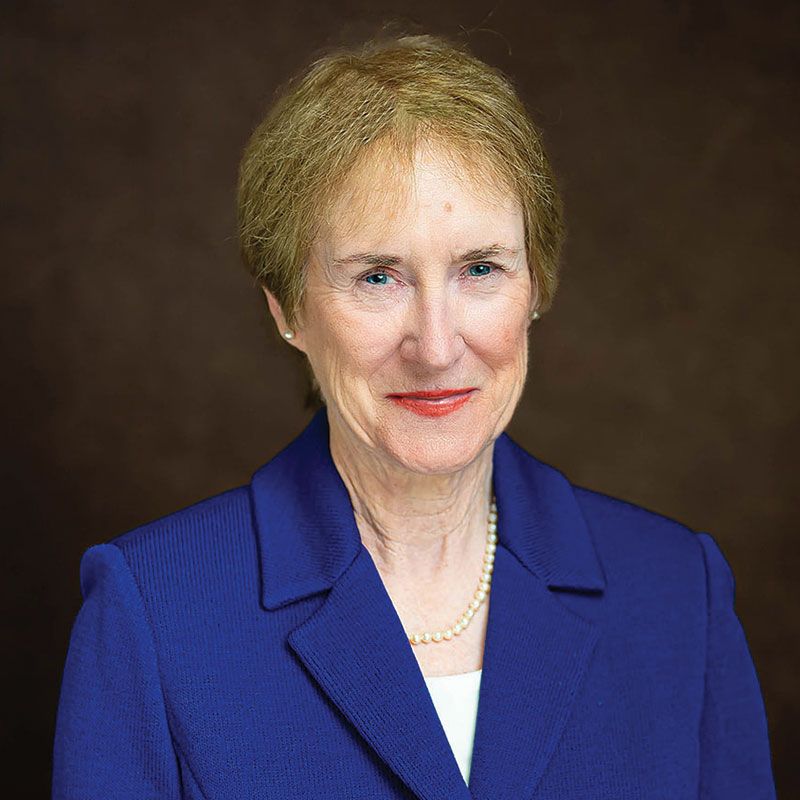






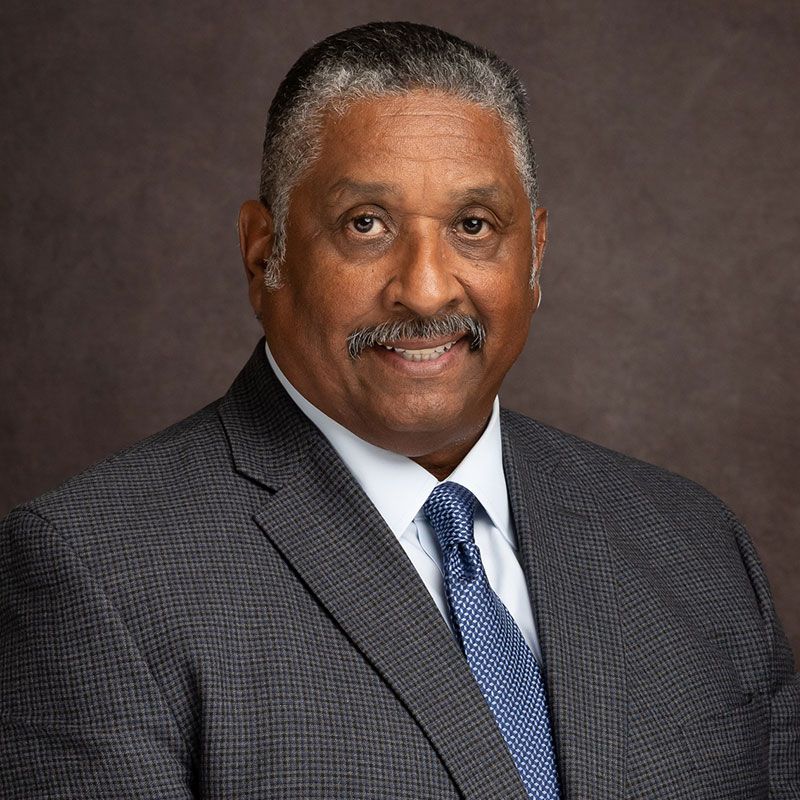
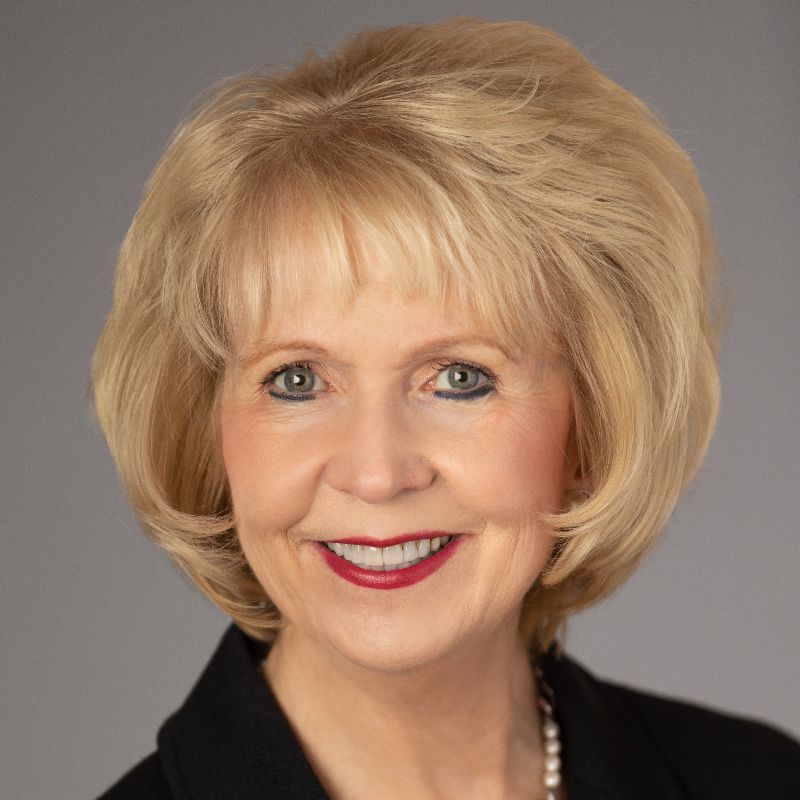



EXECUTIVE COACHING OFFERINGS
Whether a seasoned president or new to an executive role, our Executive Coaching Process is designed to customize and optimize your experience to advance your leadership and institutional goals.
We offer executive coaching to individual seasoned leaders, individual new or transitioning leaders, and cabinet and senior leadership teams, as well as assessment debriefs.
To learn more, please fill out our form to contact our Practice Leader.
Frequently Asked Questions
What if my institution is sponsoring my executive coaching?
Leaders have two primary options when engaging an executive coach. First, the leader can pursue the engagement on their own and self-fund the engagement. Under this scenario, it is entirely the leader’s discretion to disclose the engagement to his/her institution.
Is executive coaching confidential?
Confidentiality and trust are essential in the executive coaching partnership and process. Therefore, you are assured confidentiality in the executive coaching process. Though executive coaching does not enjoy the legal protections offered by attorney-client or doctor-patient relationships, Academic Search holds to the spirit of such privileges. Thus, the protection of confidentiality is claimed by you and you are free to disclose any and all aspects of the executive coaching engagement. Neither the executive coach nor Academic Search may disclose without your written permission that you are a client of Academic Search. The executive coach may not disclose the substance and content of your conversations, Executive Growth Plan, or any aspect of the coaching engagement. This applies to the sponsoring institution. The sponsor is entitled to know that the leader is showing up for sessions, is prepared, is engaged, and making progress. The sponsor is not entitled to the substance of the content of executive coaching sessions.
How long is a typical executive coaching engagement?
A typical executive coaching engagement at the presidential, cabinet, and dean levels is 12 months. However, all engagements are customized to meet the leader’s agenda. It is rare for an engagement to be less than six months.
How do coaching sessions work?
It is common for executive coaching to occur via telephone or virtual meeting platforms. Emails and texts also ensure leader accessibility to his/her executive coach when and where it is needed.
Typically, a leader and executive coach will meet once or twice monthly for 60 minutes. The real work of executive coaching occurs between coaching sessions. The leader has access to his/her executive coach at all times. We craft a meeting schedule based on the needs and desires of the leader and the Executive Growth Plan.
What is the cost of executive coaching?
The professional fee is calculated based on the scope of the engagement and value being provided. Academic Search executive coaches do not work based on hourly rates but based on professional engagement fees. Our professional fees consider the operational and endowment size of an institution if it is serving as a sponsor. This allows us to ensure that all leaders and institutions, regardless of size and resource base, have access to this critical and necessary resource.
How are executive coaches matched with leaders?
Our Executive Coaching Practice Leader or Chief Operating Officer begin the process by responding to inquiries for executive coaching. Once we determine a sense of scope, we identify up to three Academic Search Executive Coaches. We forward brief bios to the leader and schedule one-on-one conversations with the leader and the coaches whom he/she wishes to interview. The next step is for the leader to choose the coach he/she prefers to work with by confirming with the Executive Coaching Practice Leader.
“I absolutely believe that people, unless coached, never reach their maximum capabilities.”
“Coaches are your external eyes and ears, providing a more accurate picture of your reality. So, “It’s not just how good you are now, it’s how good you’re going to be that really matters.”
“A sense of purpose provides an ongoing capacity to generate possibilities… and to find the values that make risk-taking meaningful.”

1250 Connecticut Avenue NW, Suite 700 PMB 5334 Washington, DC 20036-2657
Phone: 202-332-4049
Fax: 202-234-7640